Products
SentimenTrader Trading Tools
‍
Backtest Engine
My Trading Toolkit
Correlation Analysis
Seasonality
Market Prediction
Indicators & Data API
‍
Proprietary Indicators & Charts
Market Data API
Strategies & Scanner
‍
50+ Trading Strategies
Smart Stock Scanner
Smart Option Scanner
Research Reports
‍
Research Solutions
Reports Library
Free Resources
Simple Backtest Calculator
Simple Seasonality Calculator
The Kelly Criterion Calculator
Sentiment Geo Map
Public Research Reports
Education
Sentiment Indicators
Technical Indicators
Pricing
Company
About
In the News
Testimonials
Client Success Stories
Contact
Log inLoginSign up
< BACK TO ALL REPORTS

Daily Report : Recoveries in Summation Indexes ended other bear markets

Jason Goepfert
2022-08-24
The McClellan Summation Indexes for both the NYSE and Nasdaq exchanges cycled from deep oversold levels to overbought ones. Over the past 36 years, when they've done so in tandem, it has indicated new bull market conditions. The only failure was in 2001, when sellers returned immediately.
View/Print a PDF version of this Report

Headlines


Recoveries in Summation Indexes ended other bear markets: The McClellan Summation Indexes for both the NYSE and Nasdaq exchanges cycled from deep oversold levels to overbought ones. Over the past 36 years, when they've done so in tandem, it has indicated new bull market conditions. The only failure was in 2001, when sellers returned immediately.

Smart / Dumb Money Confidence

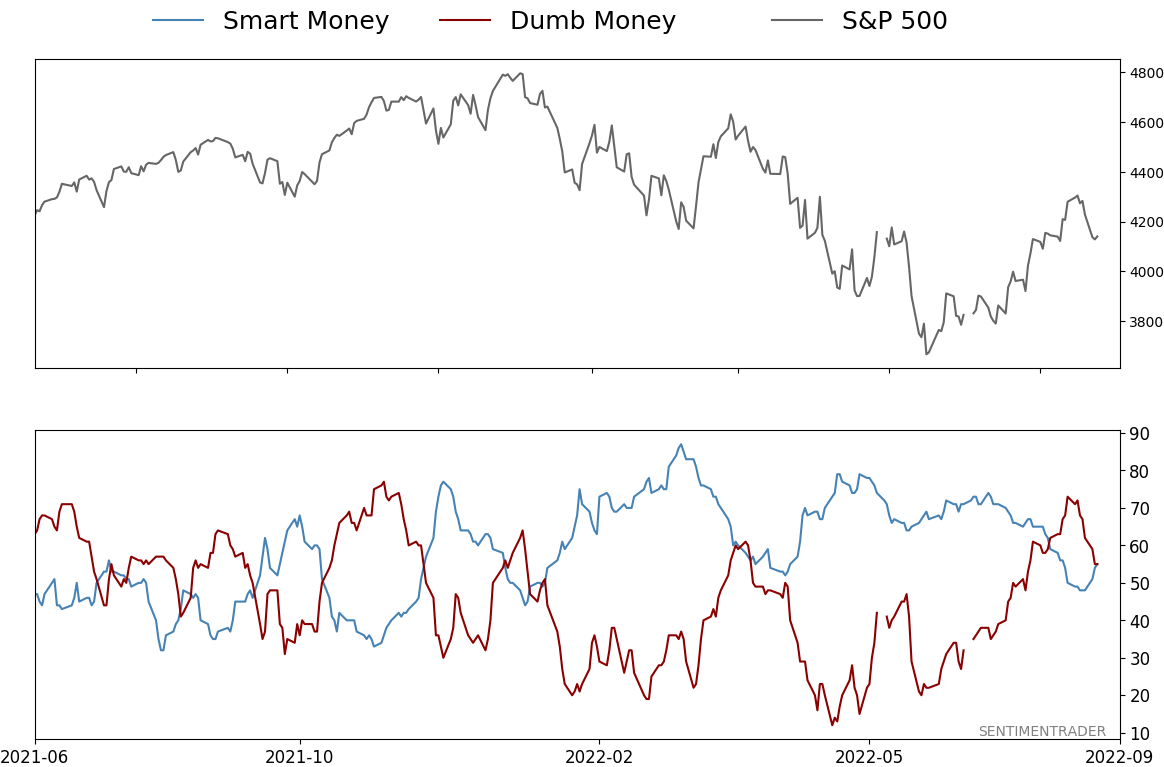
Smart Money Confidence: 55% Dumb Money Confidence: 55%

Risk Levels

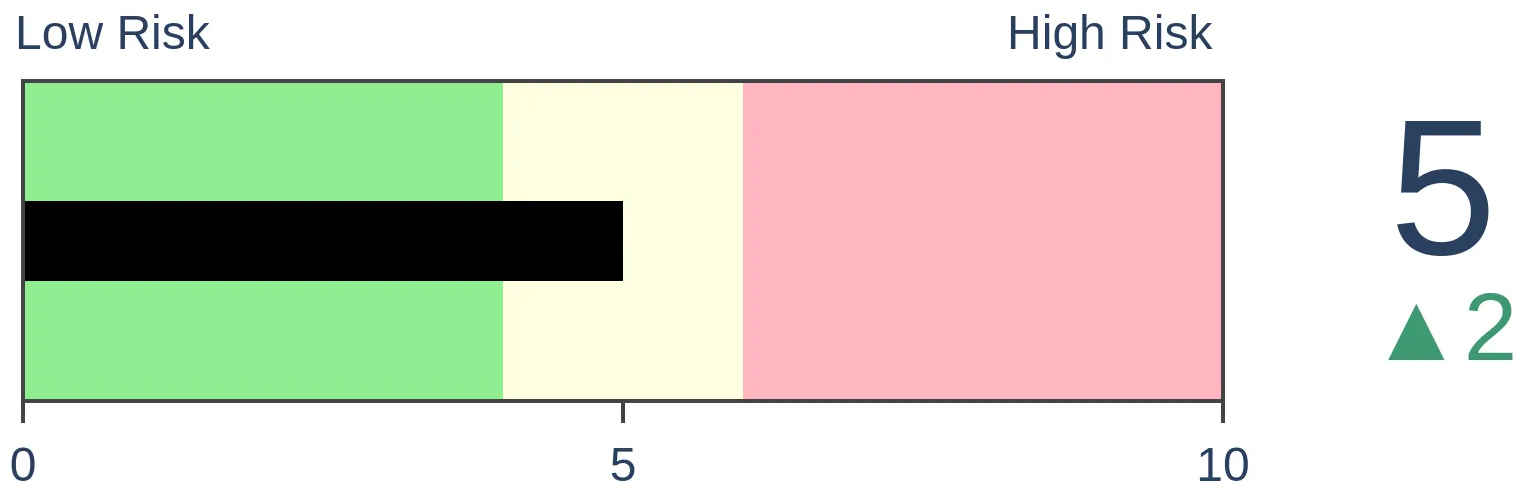
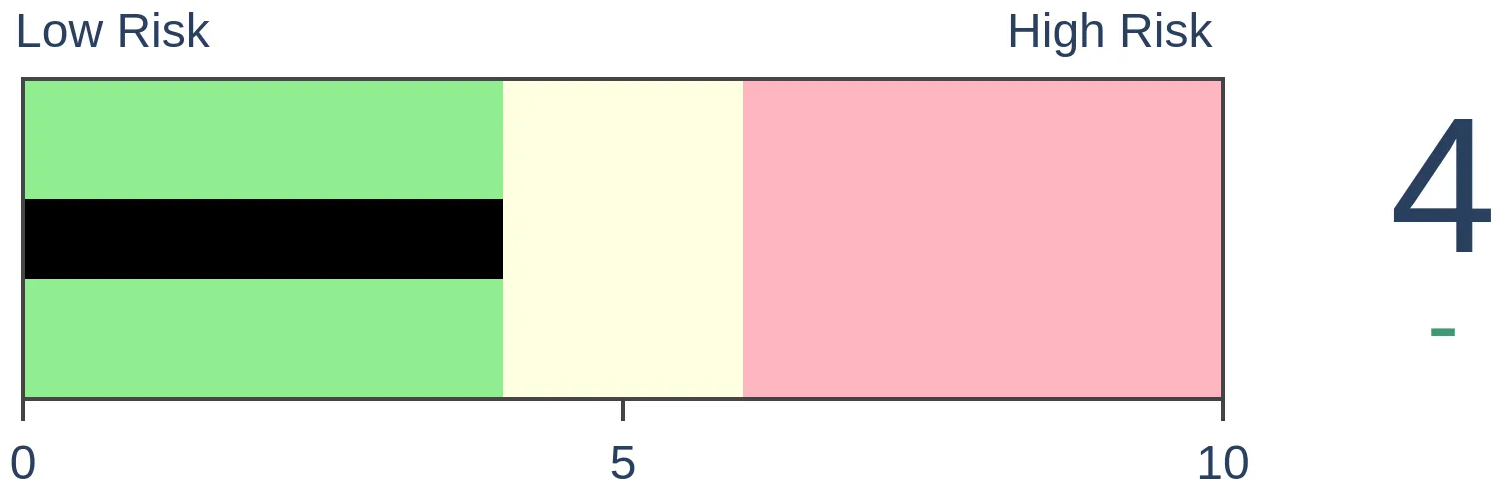
Stocks Short-Term

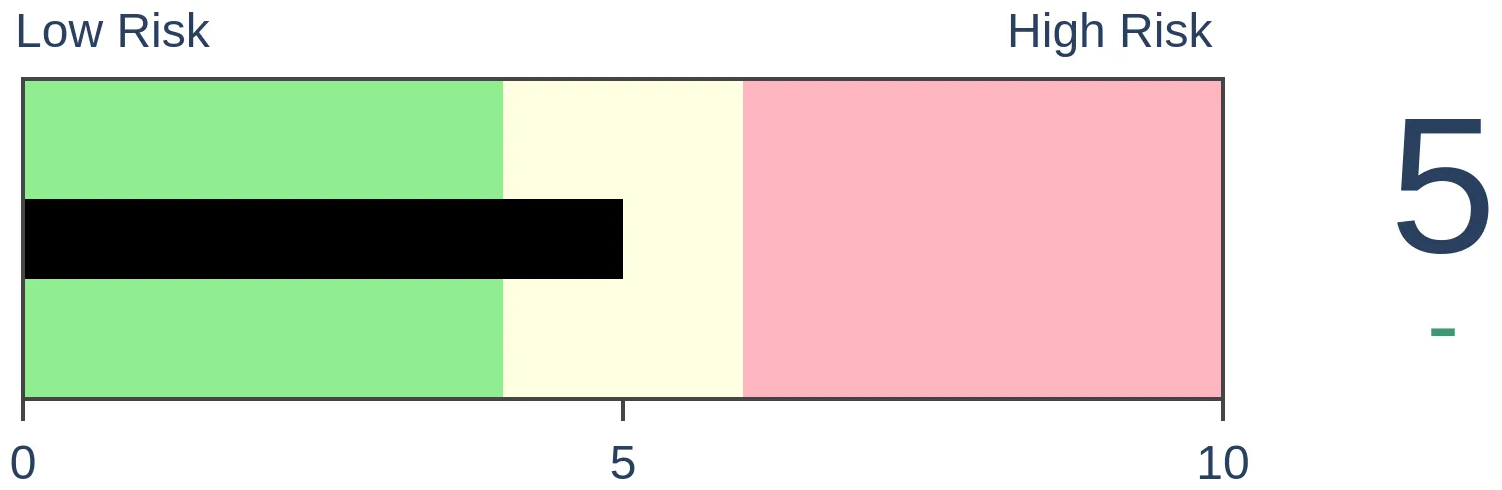
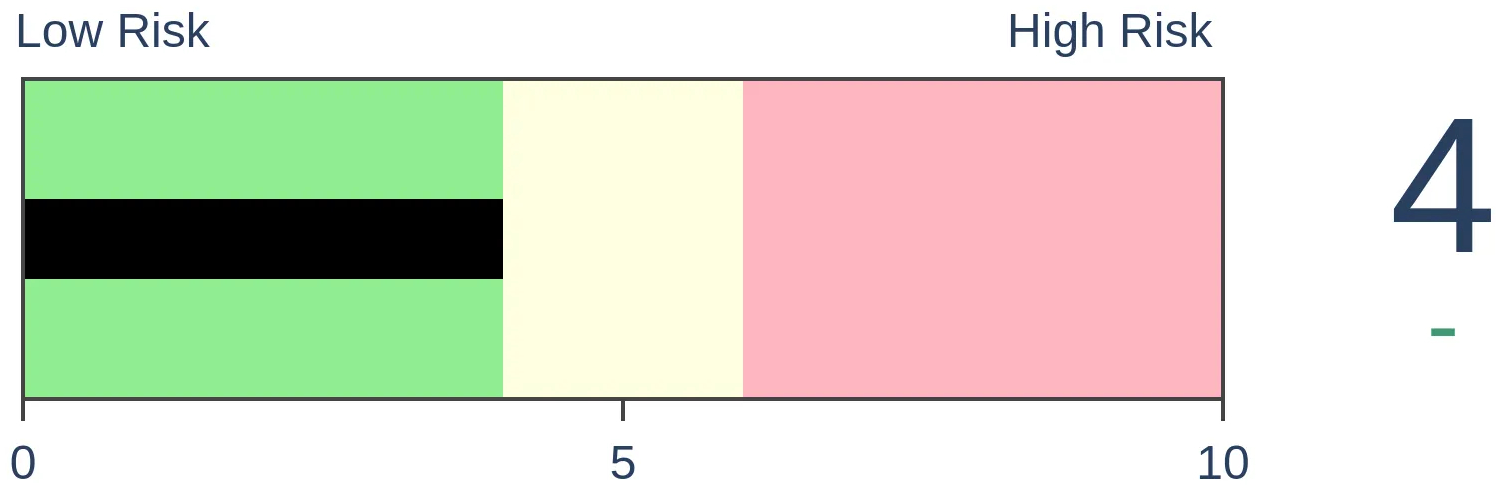
Stocks Medium-Term

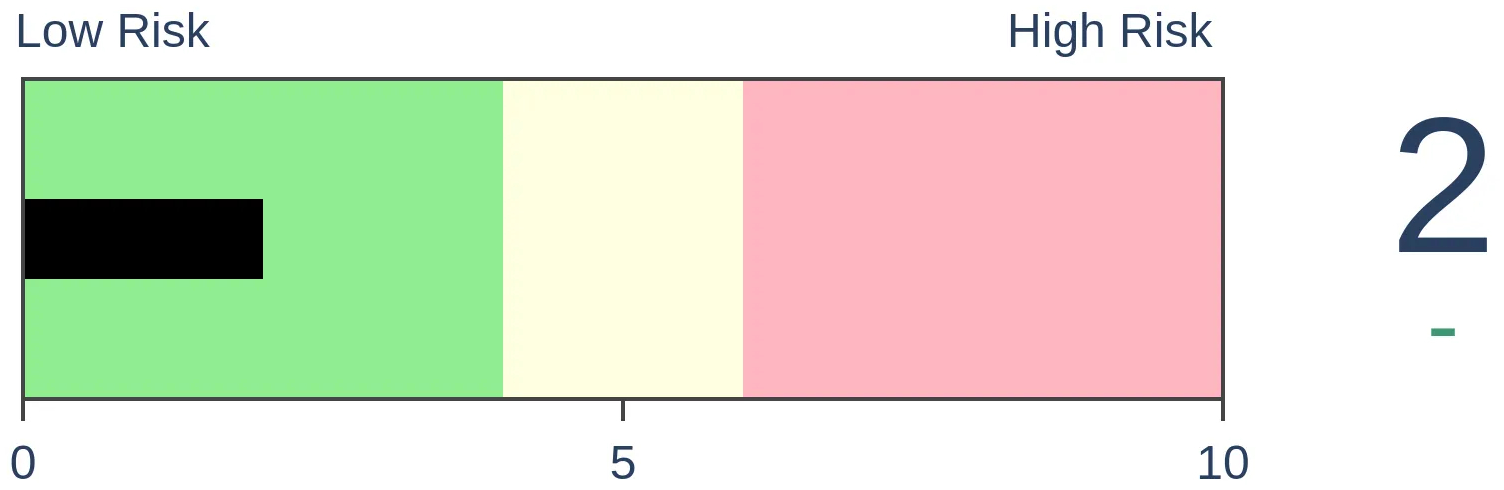
Bonds

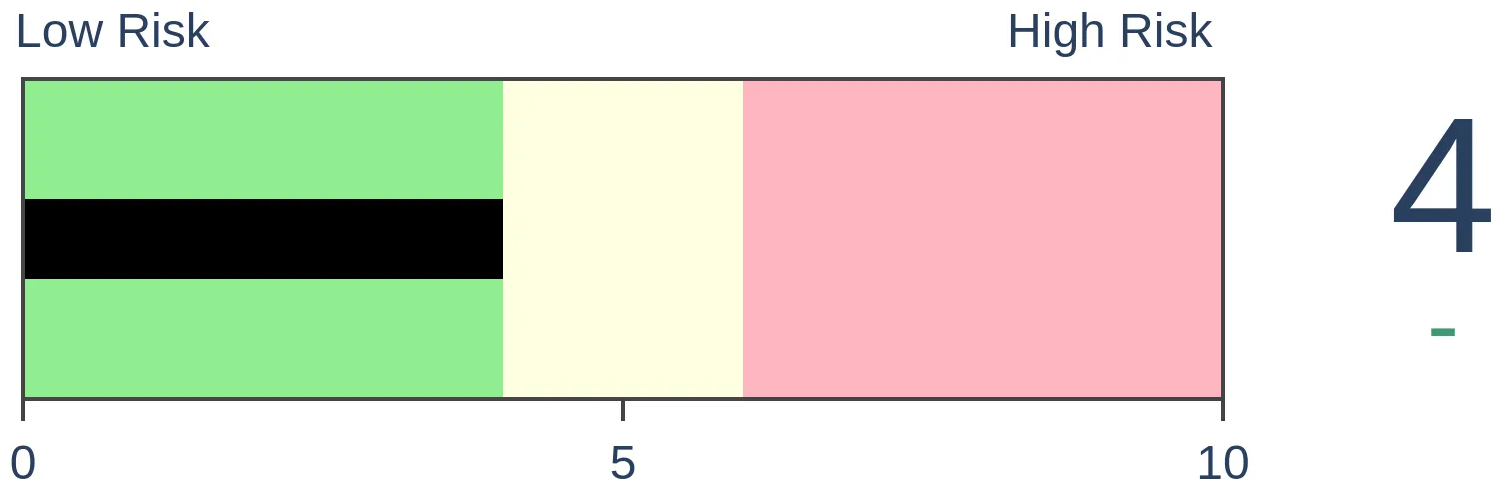
Crude Oil

Gold

Agriculture

Research

Recoveries in Summation Indexes ended other bear markets

By Jason Goepfert

BOTTOM LINE
The McClellan Summation Indexes for both the NYSE and Nasdaq exchanges cycled from deep oversold levels to overbought ones. Over the past 36 years, when they've done so in tandem, it has indicated new bull market conditions. The only failure was in 2001, when sellers returned immediately.

FORECAST / TIMEFRAME
None

Key points:

  • The McClellan Summation Indexes for the NYSE and Nasdaq have cycled from oversold to overbought
  • When both indicators do so in tandem, it tends to indicate new bull market conditions
  • Over almost 40 years of history, 2001 marked the only failure

The Summation Indexes suggest new bull market conditions

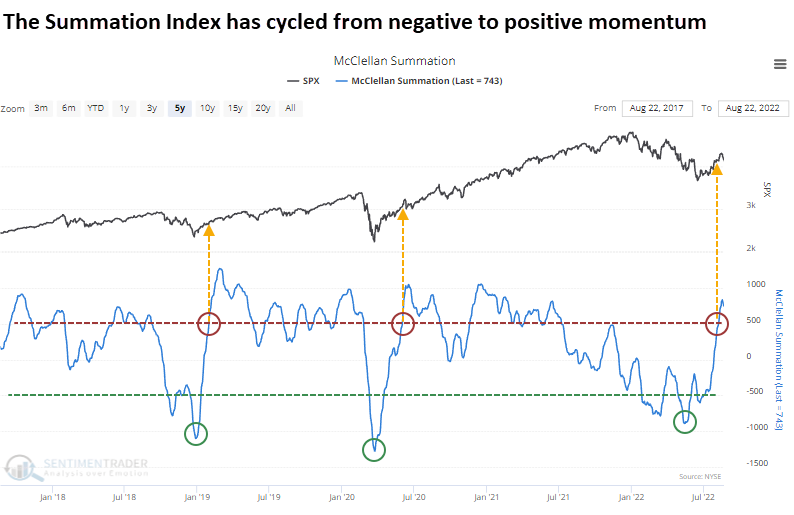
A few weeks ago, we saw that a key to a healthy market environment had turned positive. It continued to improve until the last week.

Once the NYSE McClellan Summation Index crossed the zero line at the end of July, it kept going, exceeding +800 before starting to roll over in recent days. The only other times in the past five years it went through similar cycles were the starts of persistent uptrends.
The same thing happened with the Nasdaq McClellan Summation Index. It dropped even further during the decline and didn't rally quite as much, but still built significantly on its positive trend.
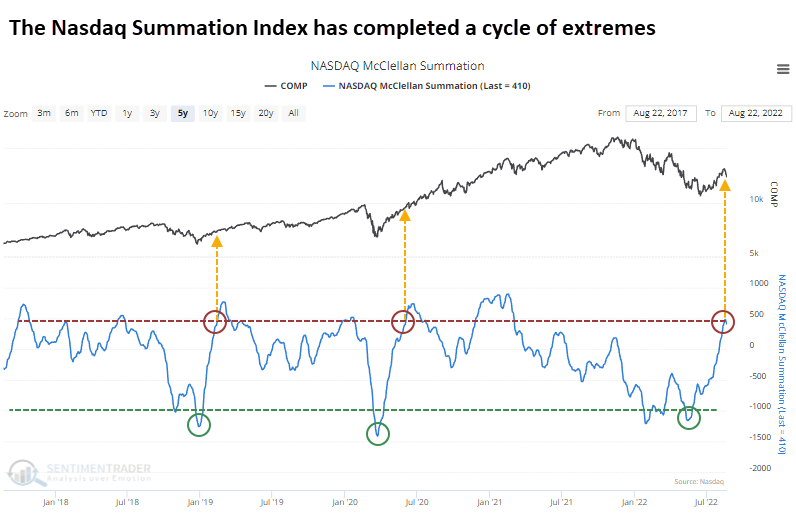
Big swings in the broad Summation Indexes ended other bear markets

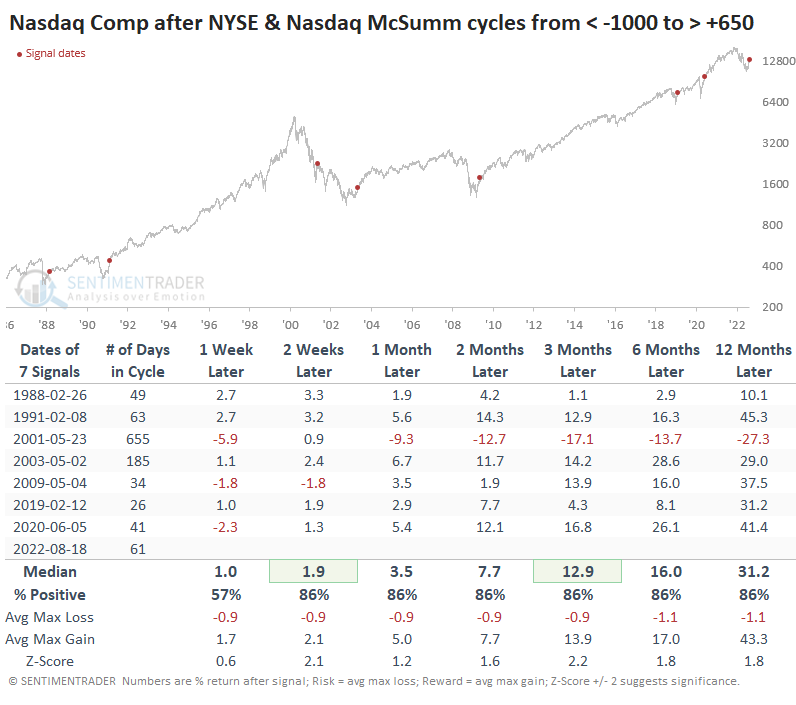
If we average the two indexes, they cycled from below -1000 to above +650. Since our Nasdaq data began in 1986, this has happened seven other times, shown in the table below.

All but one were the beginning of new bull markets. That sole exception, in 2001, is a bugger since it's a time period that has many similarities to our current environment.
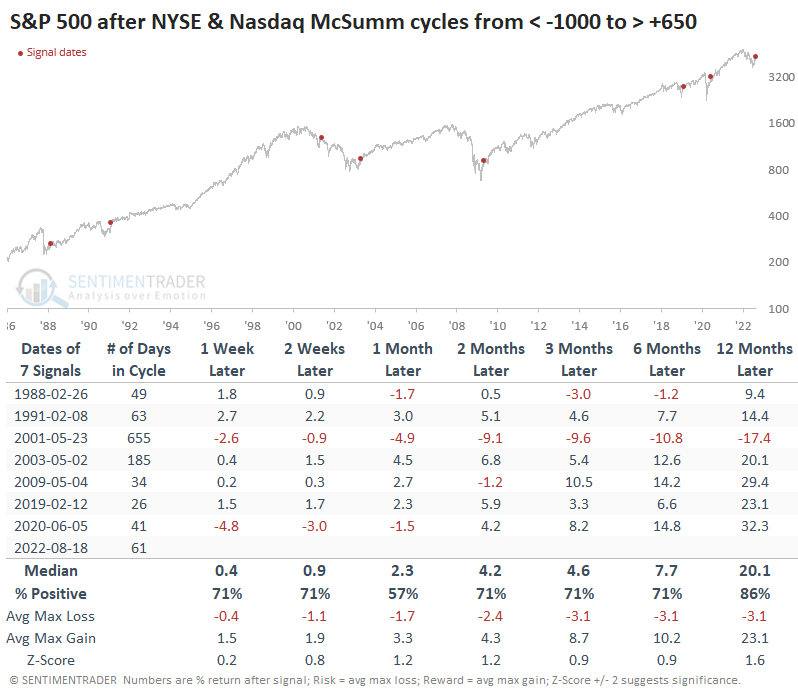
If we look at the maximum losses and maximum gains across time frames after these signals, 2001 is one of the few that saw eager selling pressure immediately afterward. That happened after the rally in 2020, too, and that one went on to spectacular gains. So, it wasn't a perfect indicator, but it jibes with some other studies we've looked at in recent weeks. 
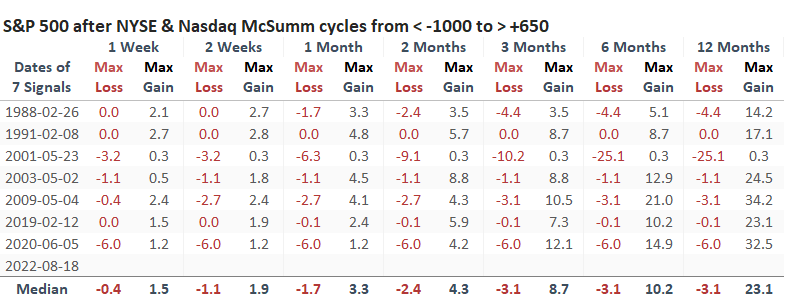
Returns in the Nasdaq Composite after these signals were even more impressive. On average, the Nasdaq enjoyed more significant average gains, lesser losses, and bigger maximum gains across every time frame.
What the research tells us...

If buyers have no interest in pursuing overbought conditions, it's more likely we're still stuck in a bear market. So far, the evidence is mixed because several indicators reached overbought weeks ago, and stocks still managed to rise. Some backing-and-filling after four weeks of gains is not unusual, so bears seem premature in declaring victory because there have been a few days of selling pressure.


Indicators at Extremes

Click here to view on the site (% Extremes and "Excess" tabs on the dashboard).
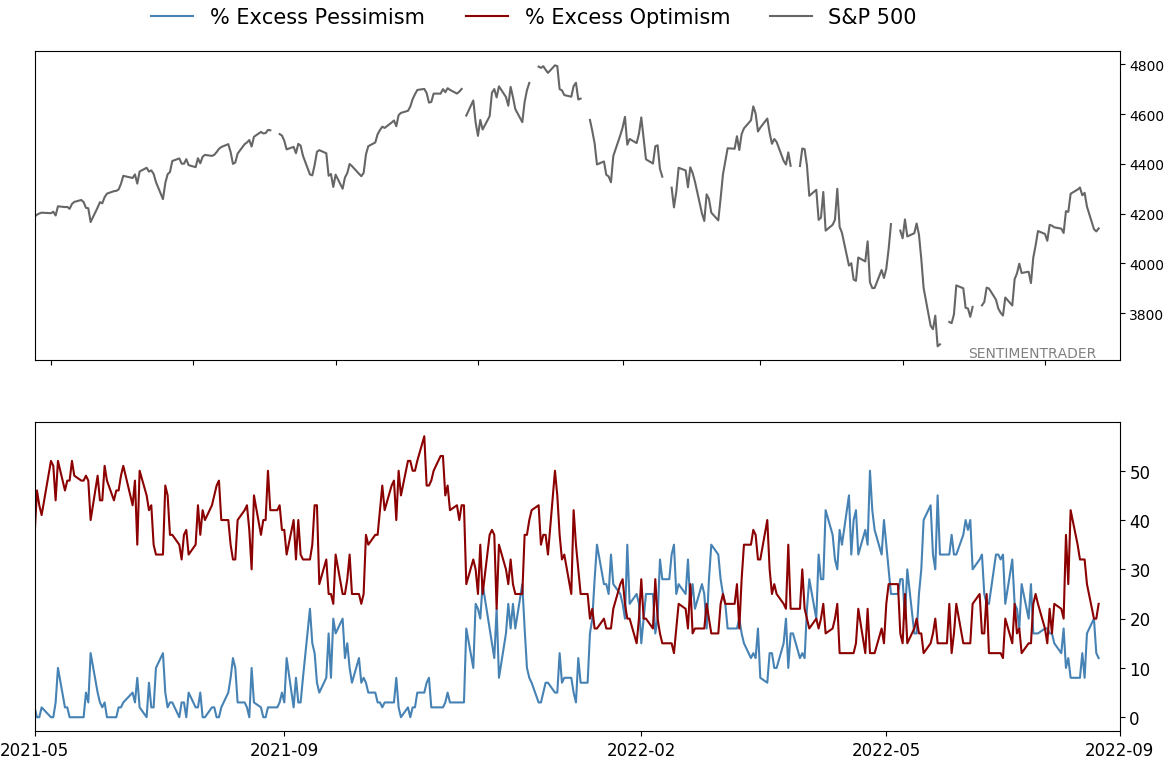
% Showing Pessimism: 12%
Bullish for Stocks

Inverse ETF Volume
VIX
OEX Put/Call Ratio
CSFB Fear Barometer
Insider Buy/Sell Seasonally Adj
Equity Hedging Index
Major Index Combo
% Showing Optimism: 23%
Bearish for Stocks

S&P 500 Down Pressure
NYSE Arms Index
NYSE Up Volume Ratio
Rydex Bearish Flow
Rydex Ratio
Rydex Money Market %
OEX Open Interest Ratio
Options Speculation Index
Risk Appetite Index
NYSE Available Cash
Retail Money Market Ratio
Equity / Money Market Asset Ratio
Mutual Fund Cash Level
VIX Transform

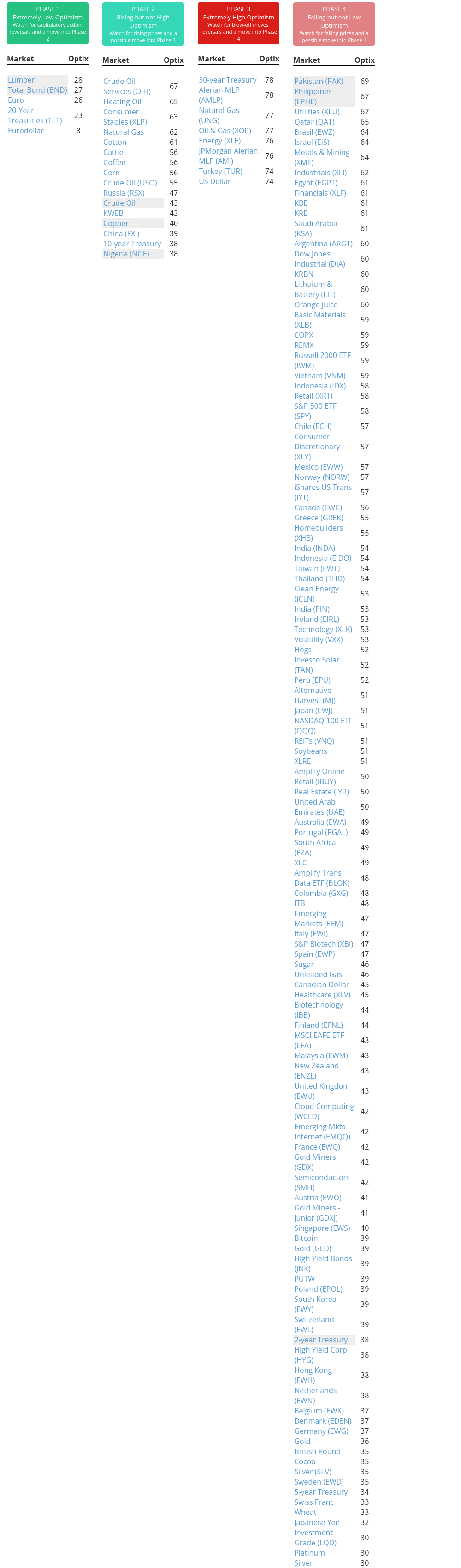
Phase Table

Click here to view the Phase Table on the site.

Ranks

Click here to view on the site (Ranks tab on the Dashboard).

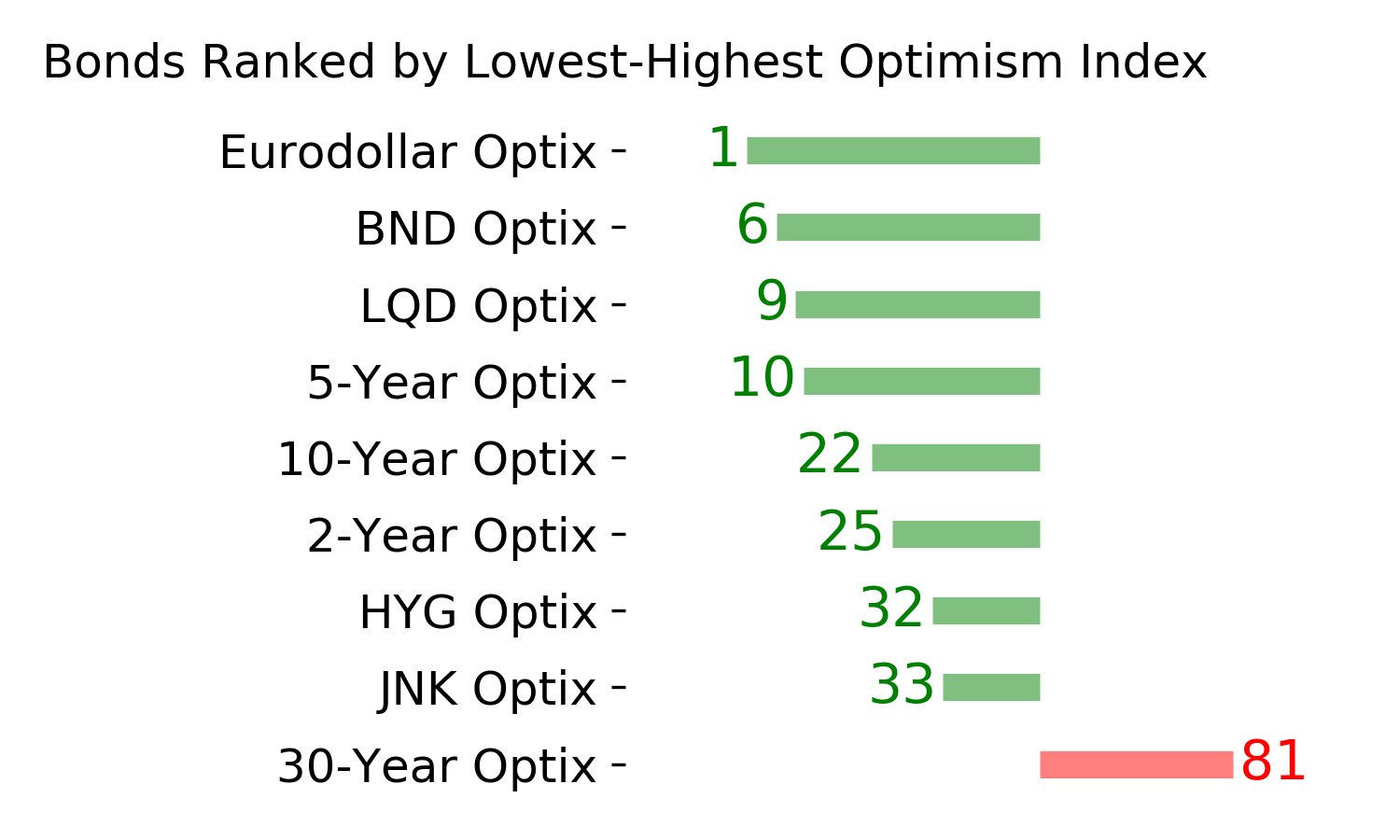
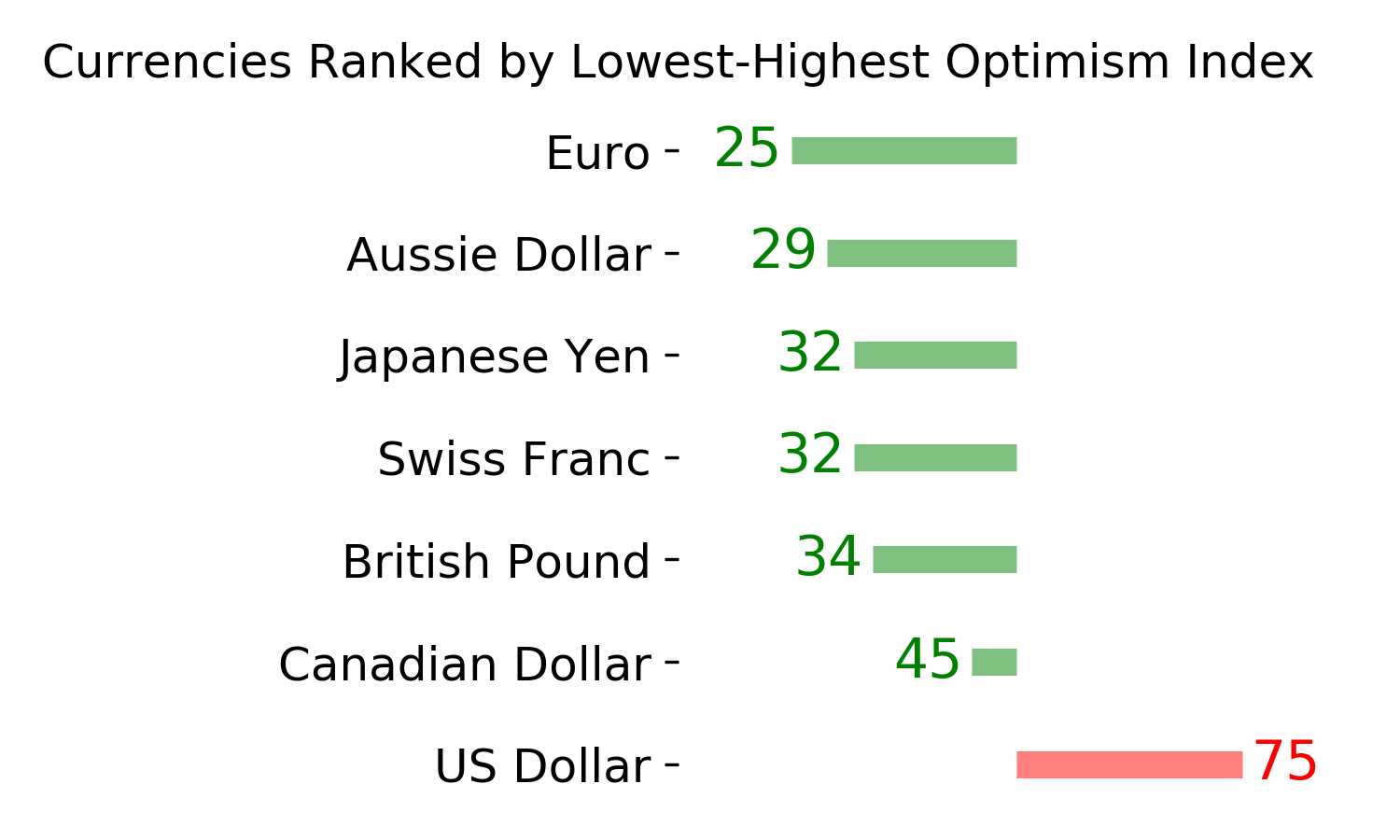
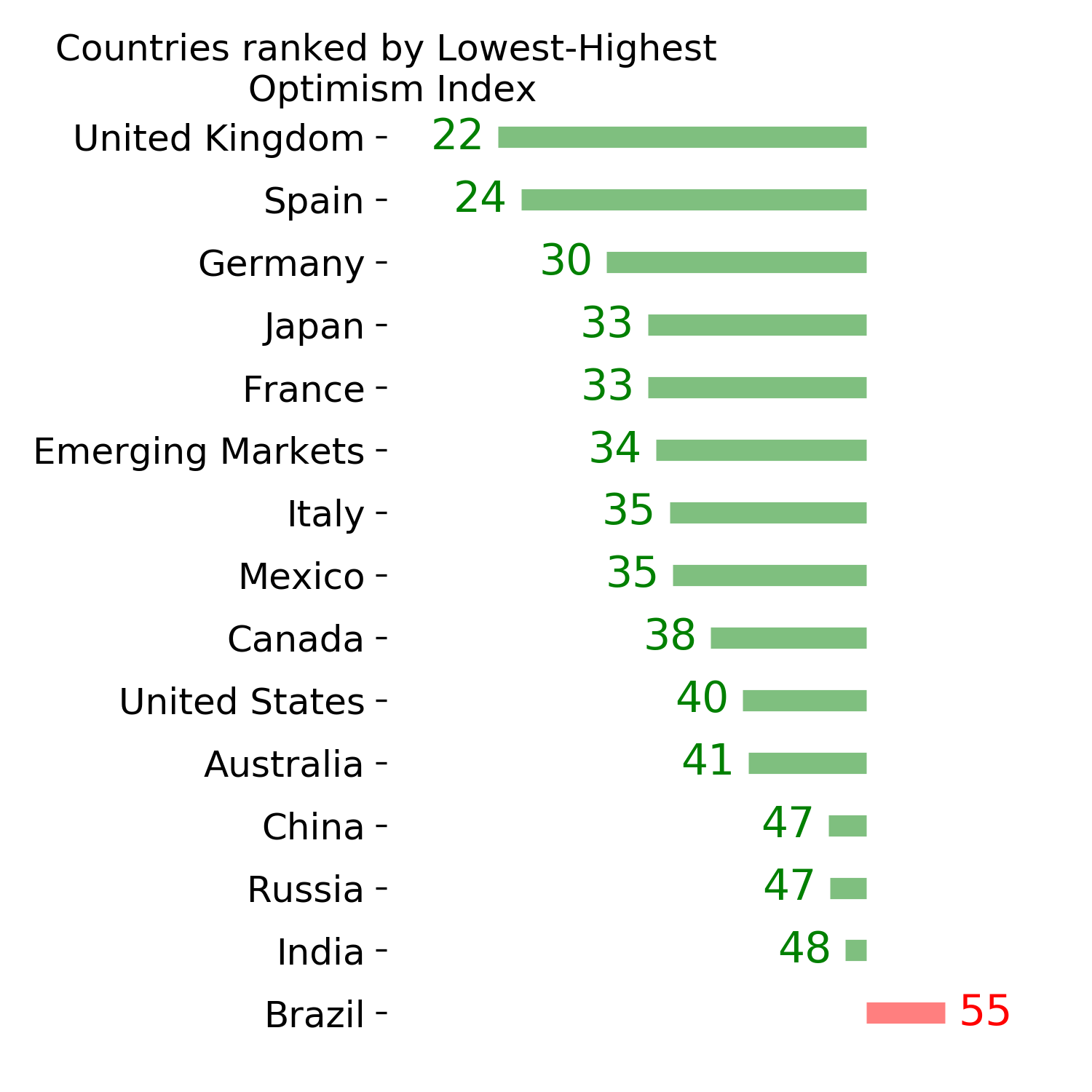
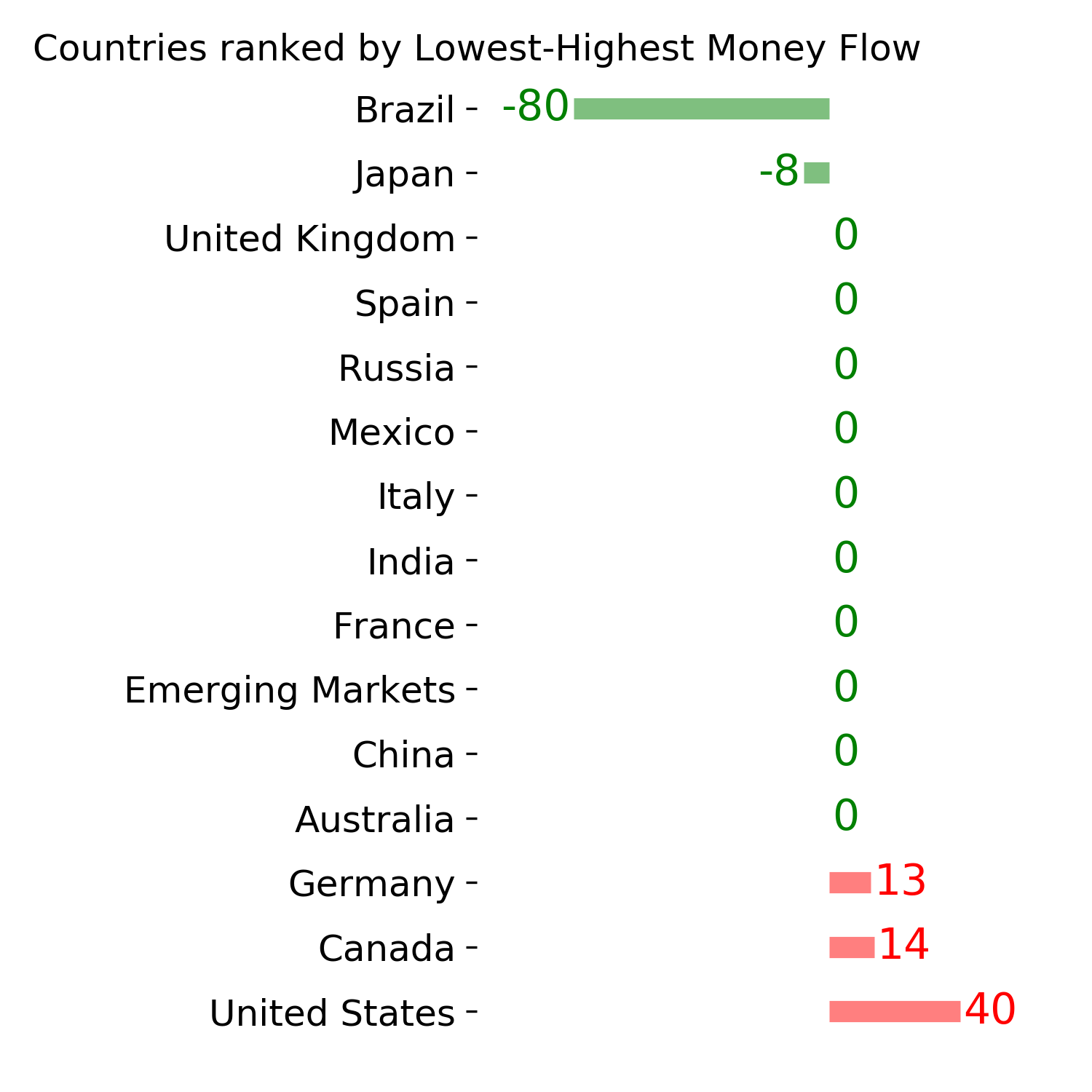
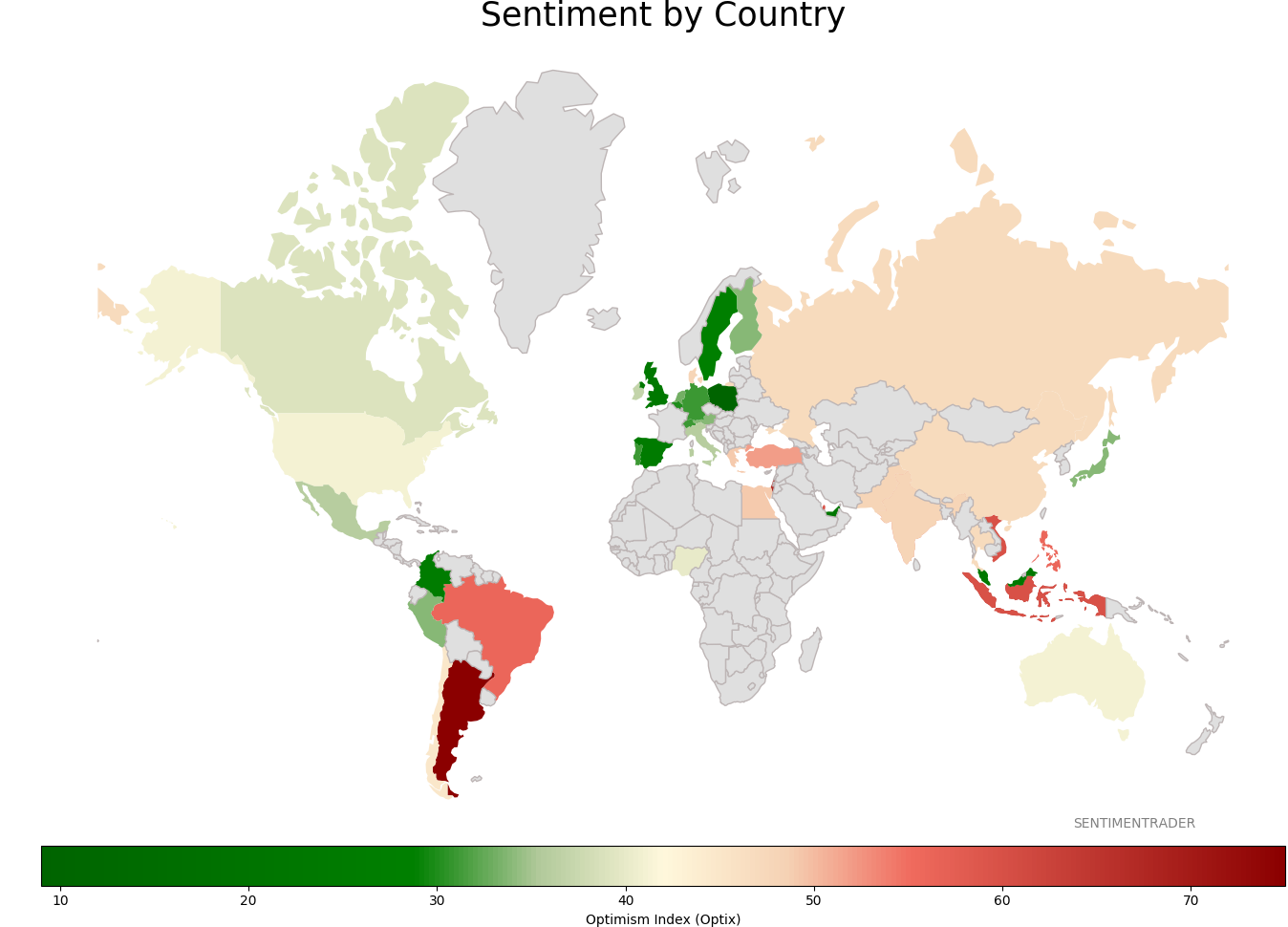
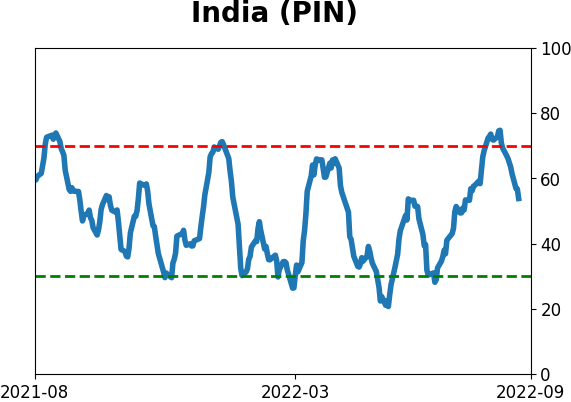
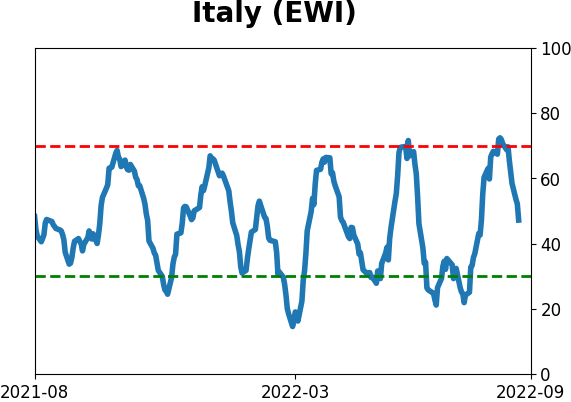
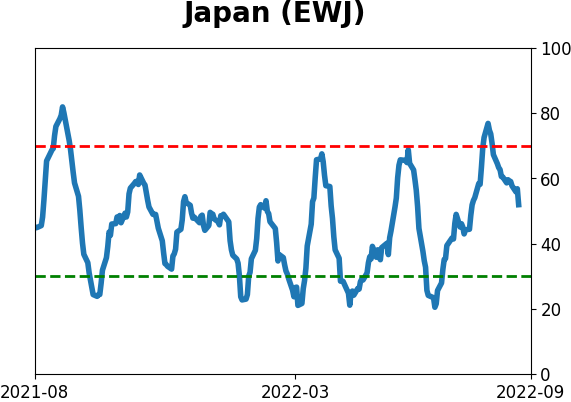
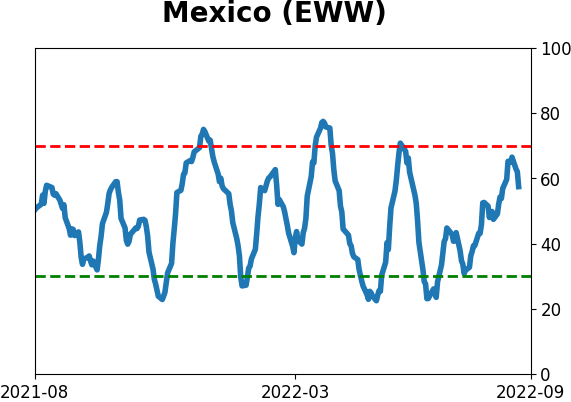
Sentiment Around The World

Click here to view on the site.

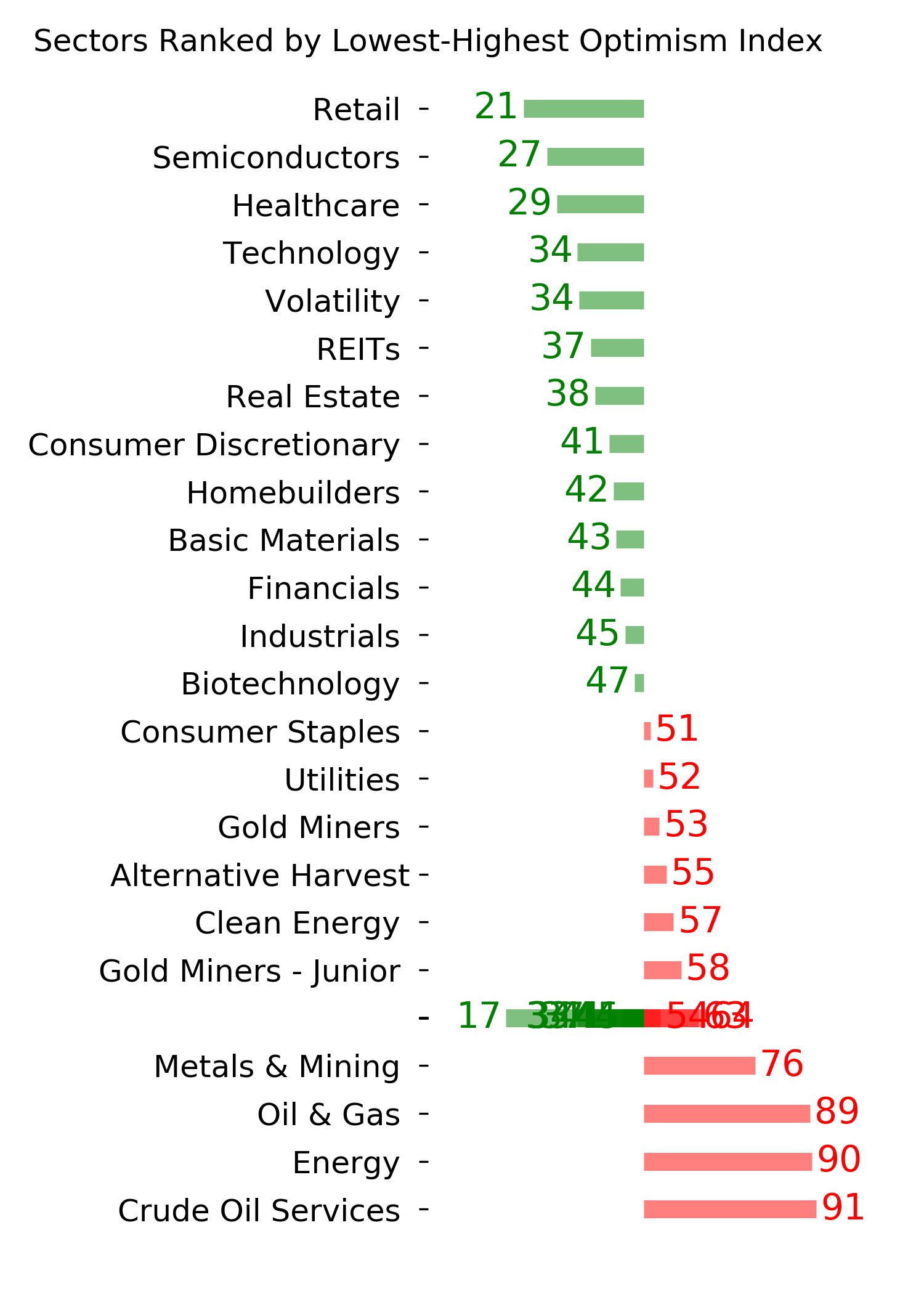
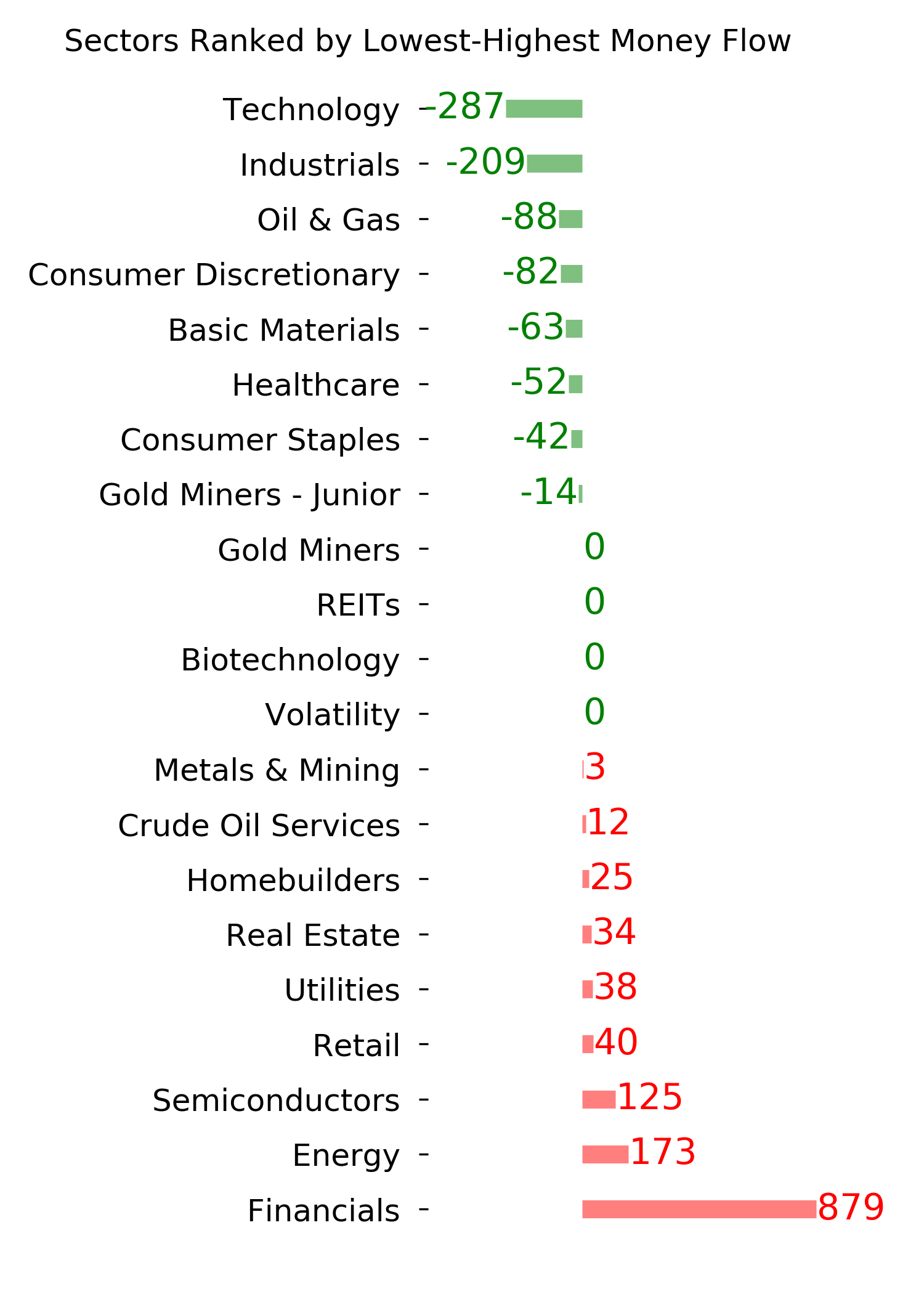
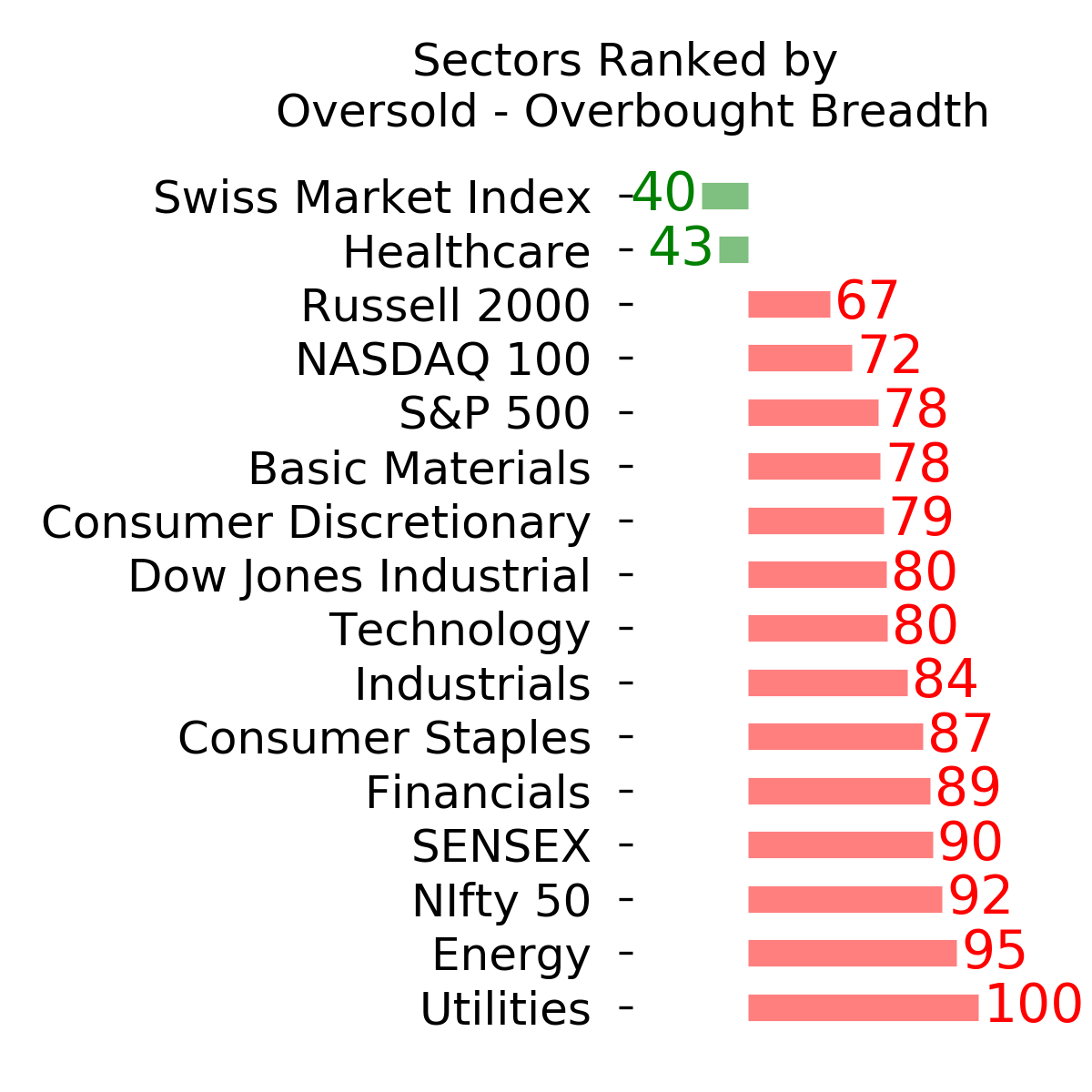
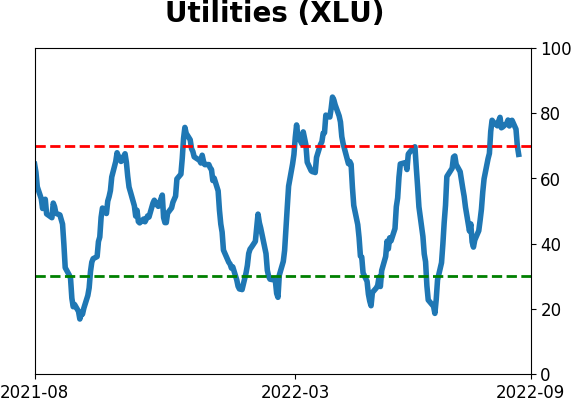
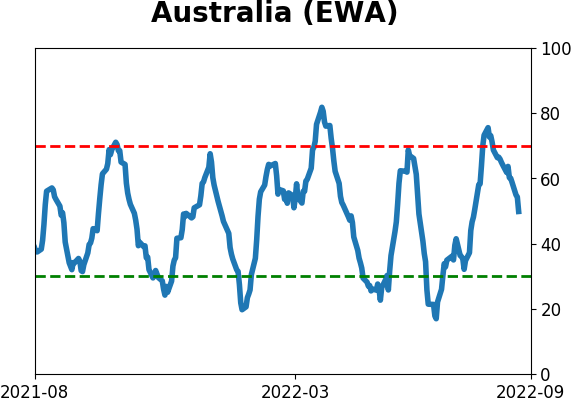
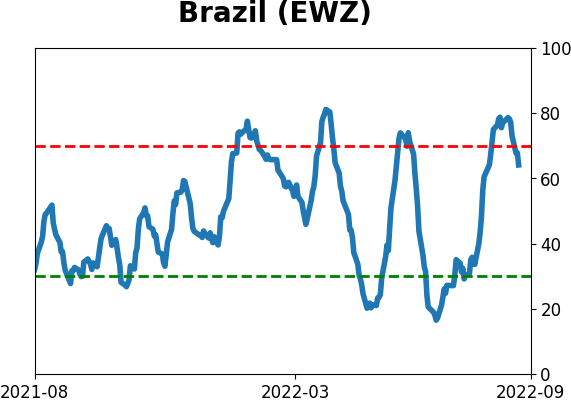
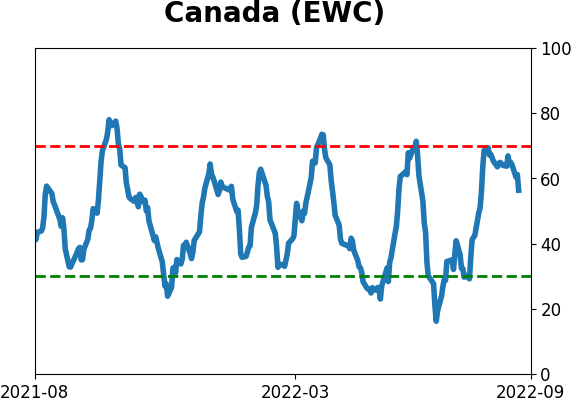
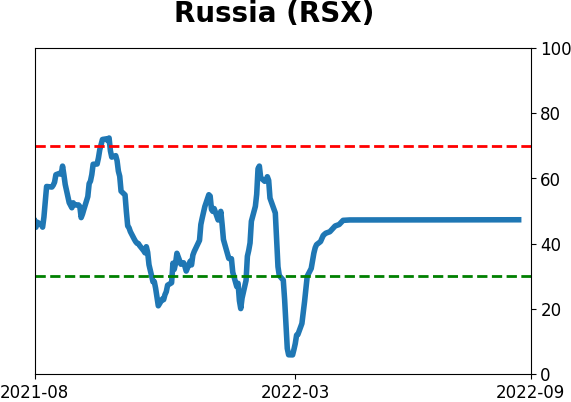
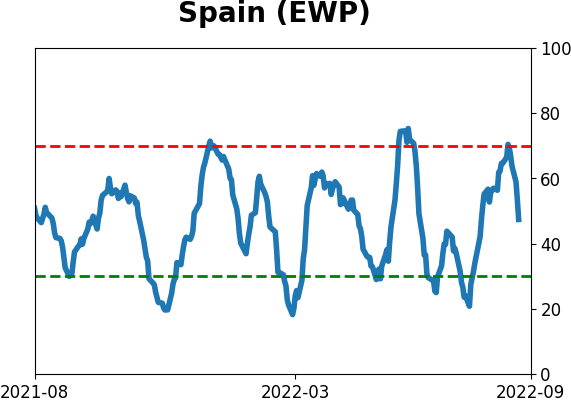
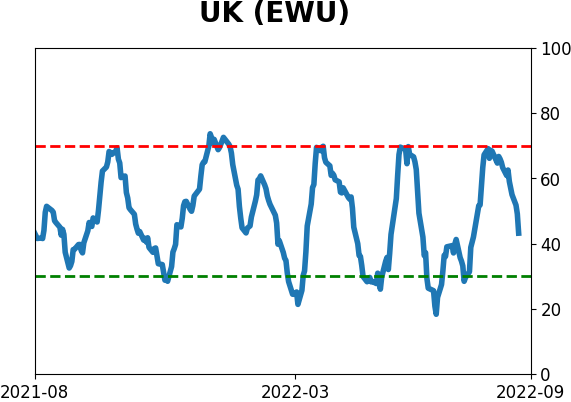
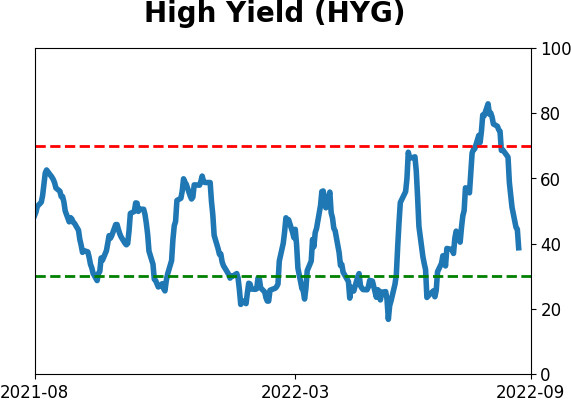
Optimism Index Thumbnails

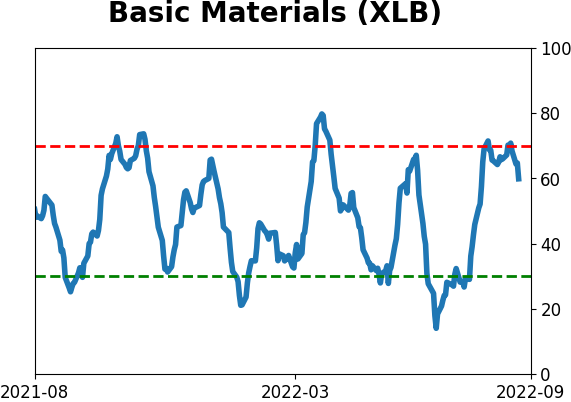
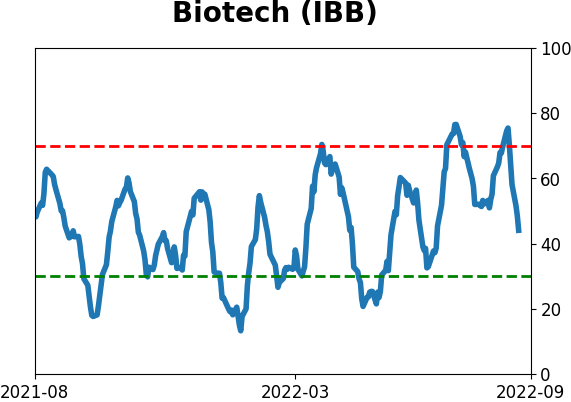
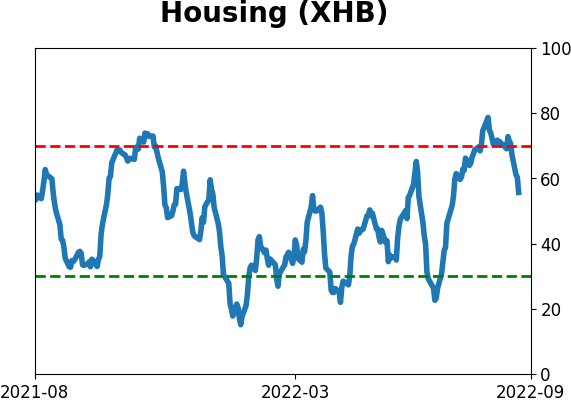
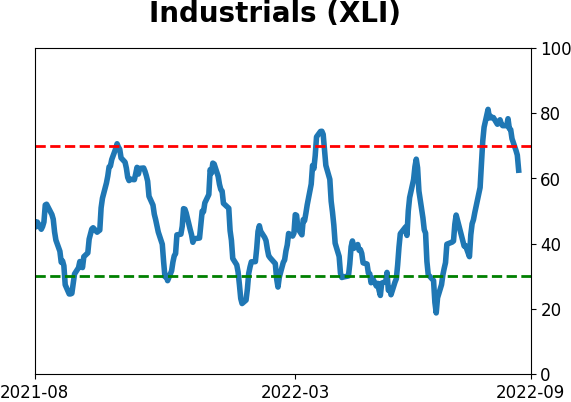
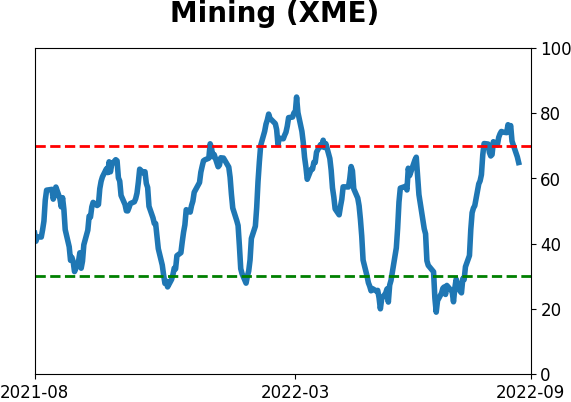
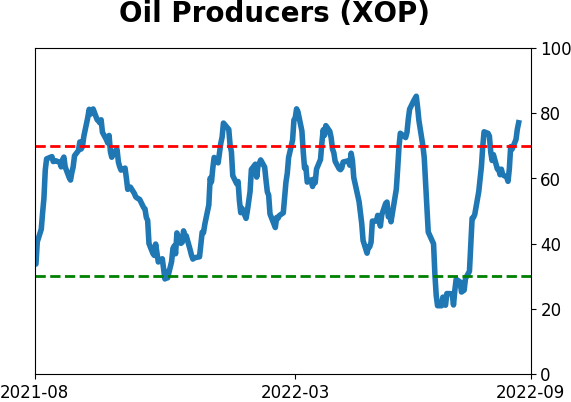
Sector ETF's - 10-Day Moving Average
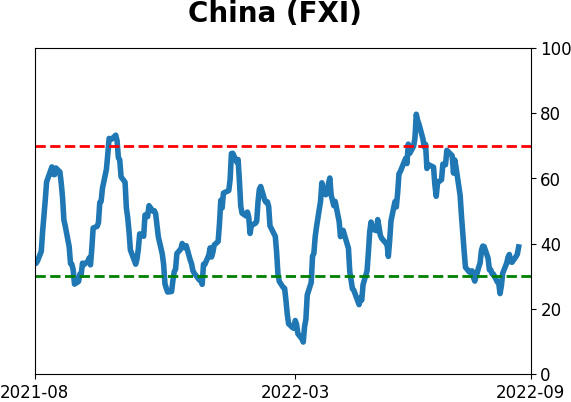
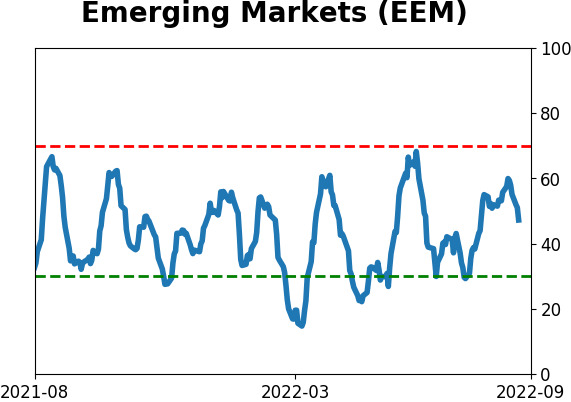
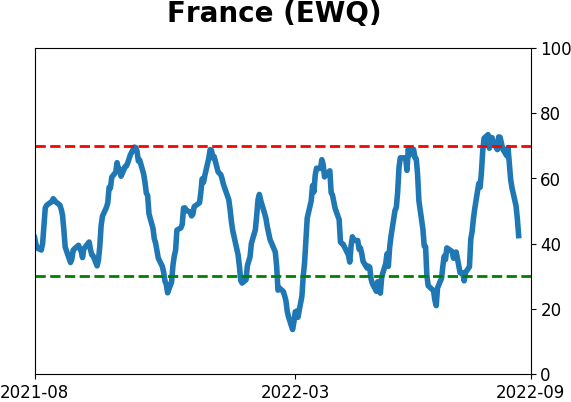
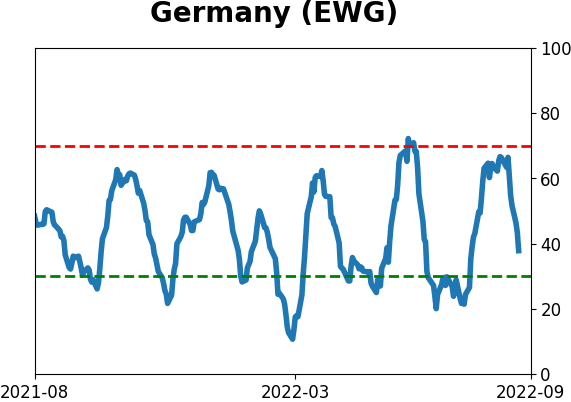
Country ETF's - 10-Day Moving Average
Bond ETF's - 10-Day Moving Average
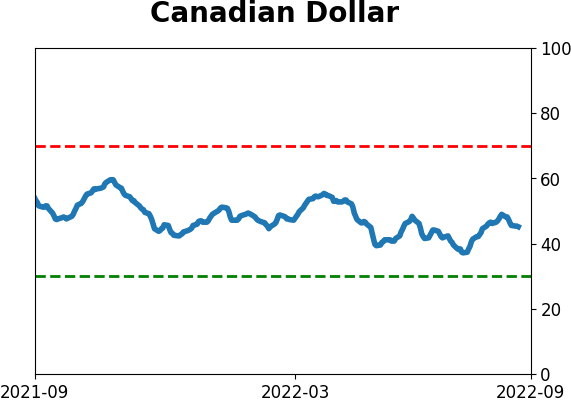
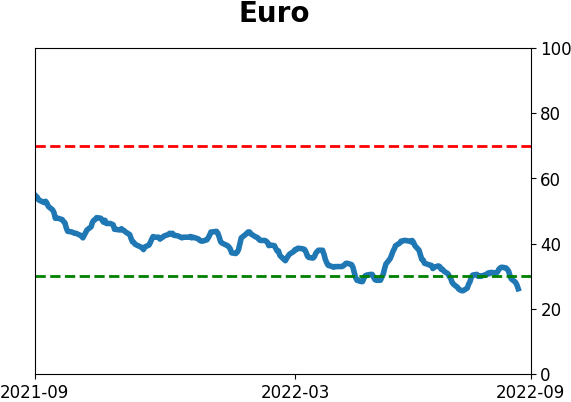
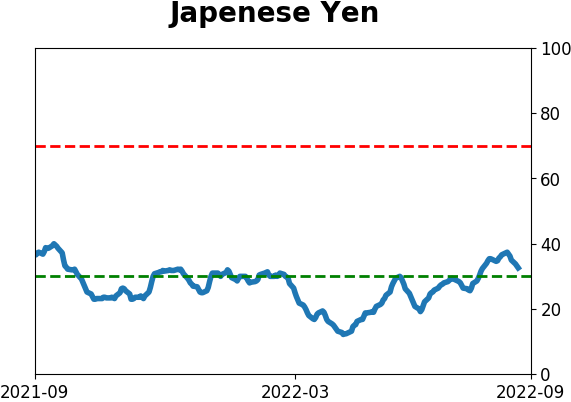
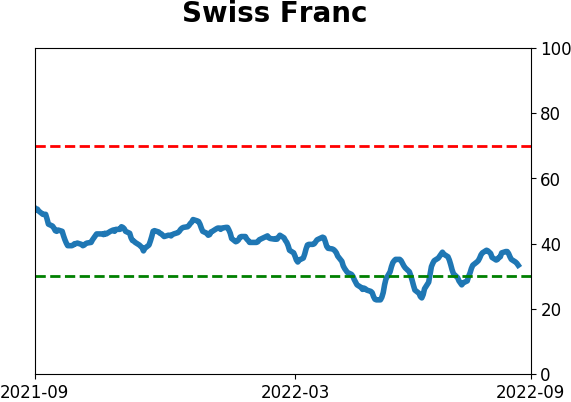
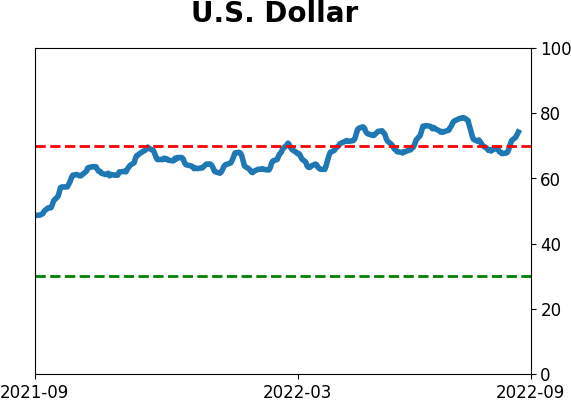
Currency ETF's - 5-Day Moving Average
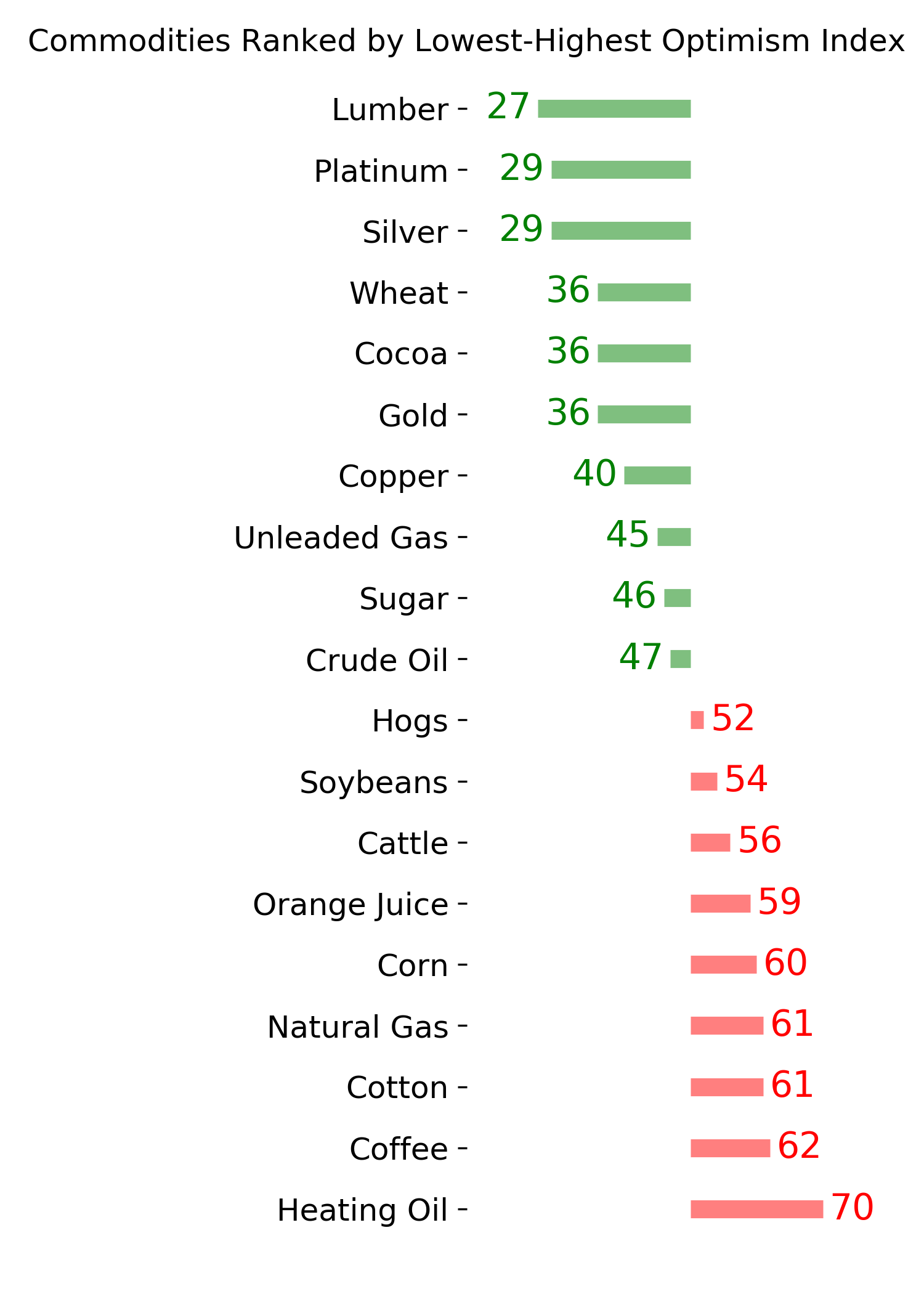
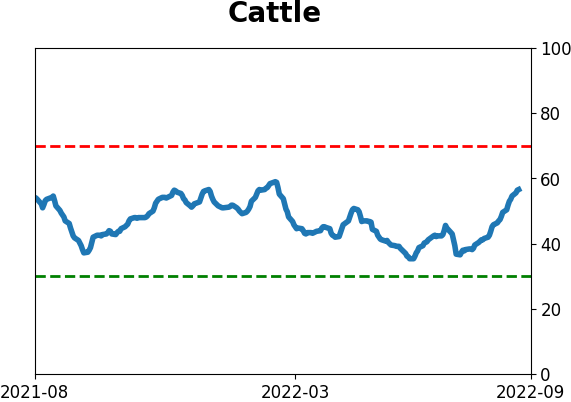
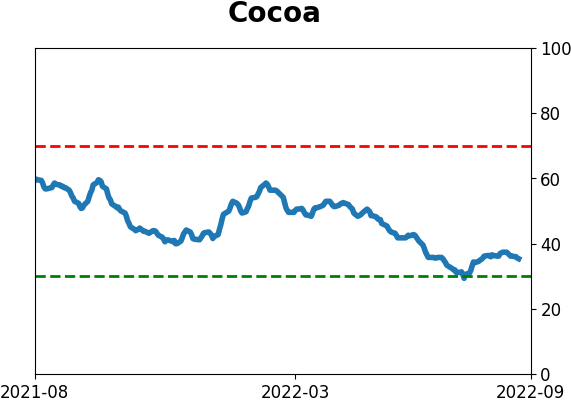
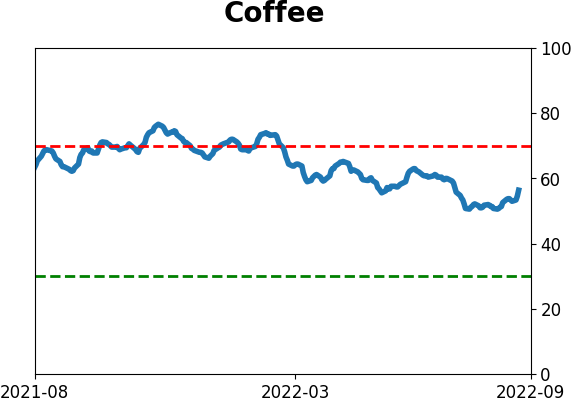
Commodity ETF's - 5-Day Moving Average
PRODUCTS
SentimenTrader
Trading Tools
Indicators & Data API
‍
Strategies & Scanner
‍
Research Reports
FREE
RESOUrCES
Simple Backtest
Calculator
Simple Seasonality
Calculator
The Kelly Criterion
Calculator
Sentiment Geo Map
‍
Public Research Reports
‍
Education
Sentiment Indicators
‍
Technical Indicators
‍
Pricing
Bundle pricing
‍
FAQ
‍
Announcements
‍
COMPANY
‍
About
‍
In the News
‍
Testimonials
‍
Client Success Stories
CONTACT
‍
General Inquiries
‍
Media Inquiries
‍
Financial Professionals Inquiries
‍
© 2026 Sundial Capital Research Inc. All rights reserved.
Setsail Marketing
TermsPrivacyAffiliate Program
Risk Disclosure: The information and tools provided are for research and analytical purposes only and are not intended as investment advice. Market analysis involves uncertainty, and outcomes may differ from expectations. Users should conduct their own due diligence and consider their individual circumstances before making any financial decisions. Past performance is not necessarily indicative of future results.

Hypothetical Performance Disclosure: Hypothetical performance results have many inherent limitations, some of which are described below. No representation is being made that any account will or is likely to achieve profits or losses similar to those shown; in fact, there are frequently sharp differences between hypothetical performance results and the actual results subsequently achieved by any particular trading program. One of the limitations of hypothetical performance results is that they are generally prepared with the benefit of hindsight. In addition, hypothetical trading does not involve financial risk, and no hypothetical trading record can completely account for the impact of financial risk of actual trading. for example, the ability to withstand losses or to adhere to a particular trading program in spite of trading losses are material points which can also adversely affect actual trading results. There are numerous other factors related to the markets in general or to the implementation of any specific trading program which cannot be fully accounted for in the preparation of hypothetical performance results and all which can adversely affect trading results.

Testimonial Disclosure: Testimonials appearing on this website may not be representative of other clients or customers and is not a guarantee of future performance or success.