Headlines
|
|
Small options traders don't believe in the rally:
Small options traders decreased their call buying last week despite a big rally in stocks. Their overall skepticism toward stocks increased. The S&P 500 has shown above-average returns when it rallies hard and small traders don't buy into it aggressively.
|
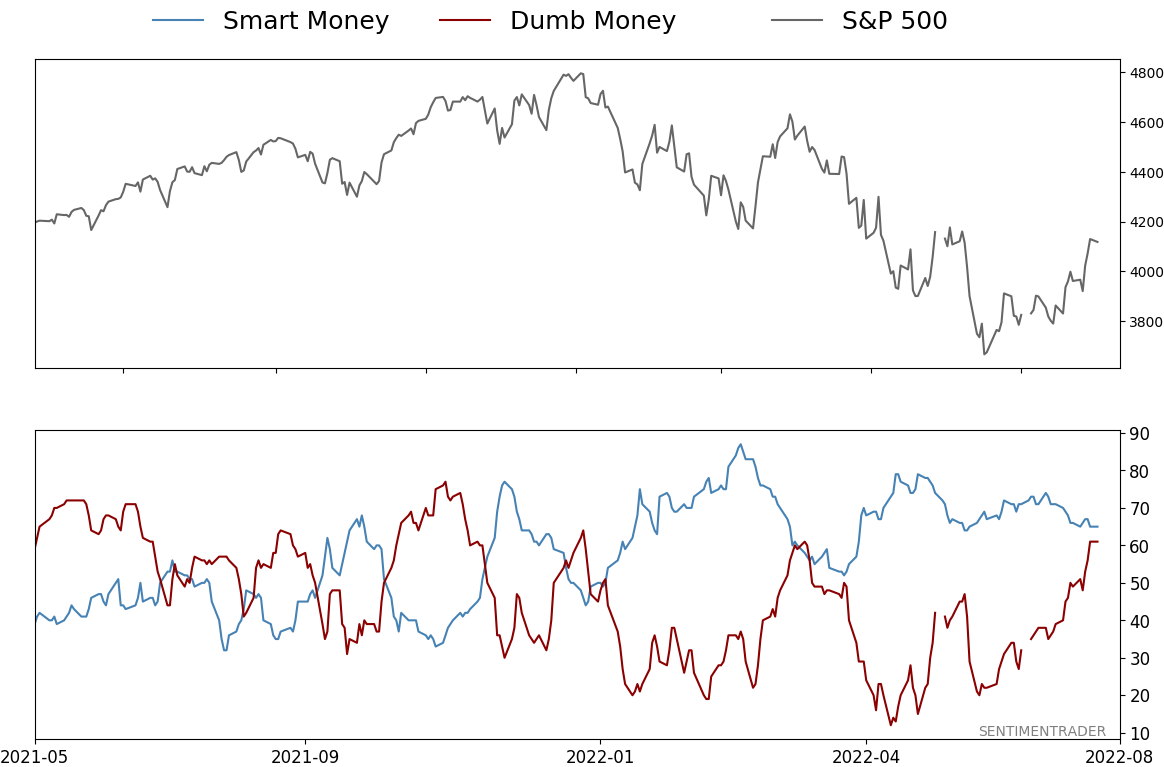
Smart / Dumb Money Confidence
|
Smart Money Confidence: 65%
Dumb Money Confidence: 61%
|
|
Risk Levels
Stocks Short-Term
|
Stocks Medium-Term
|
|
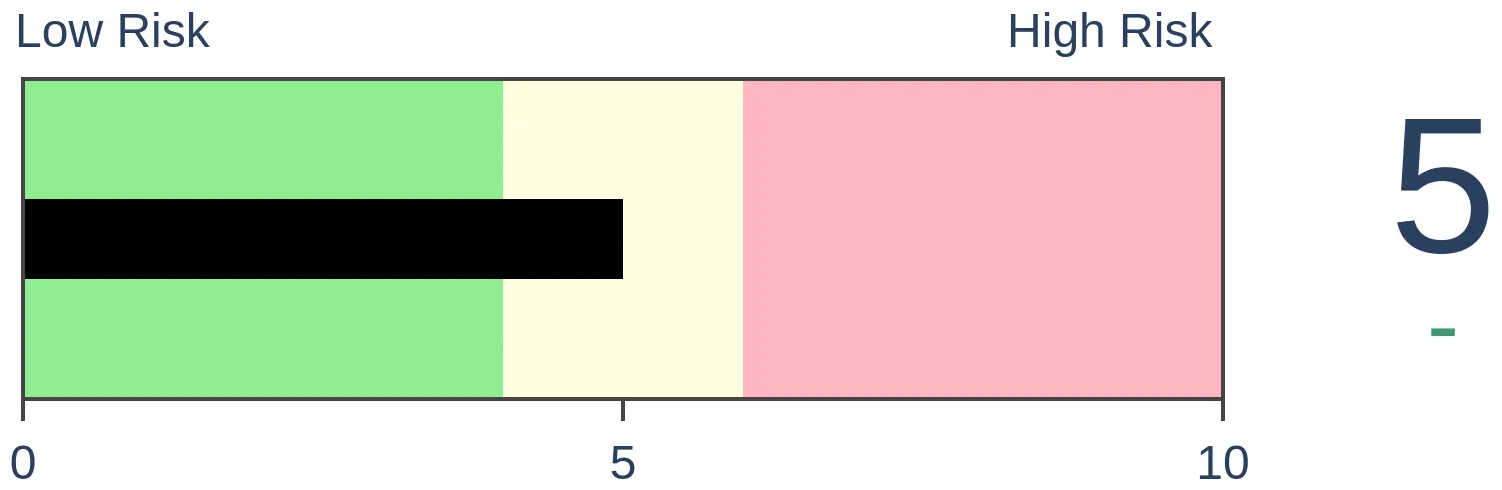
Bonds
|
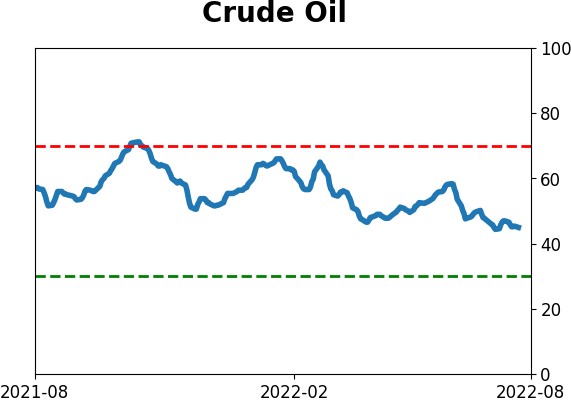
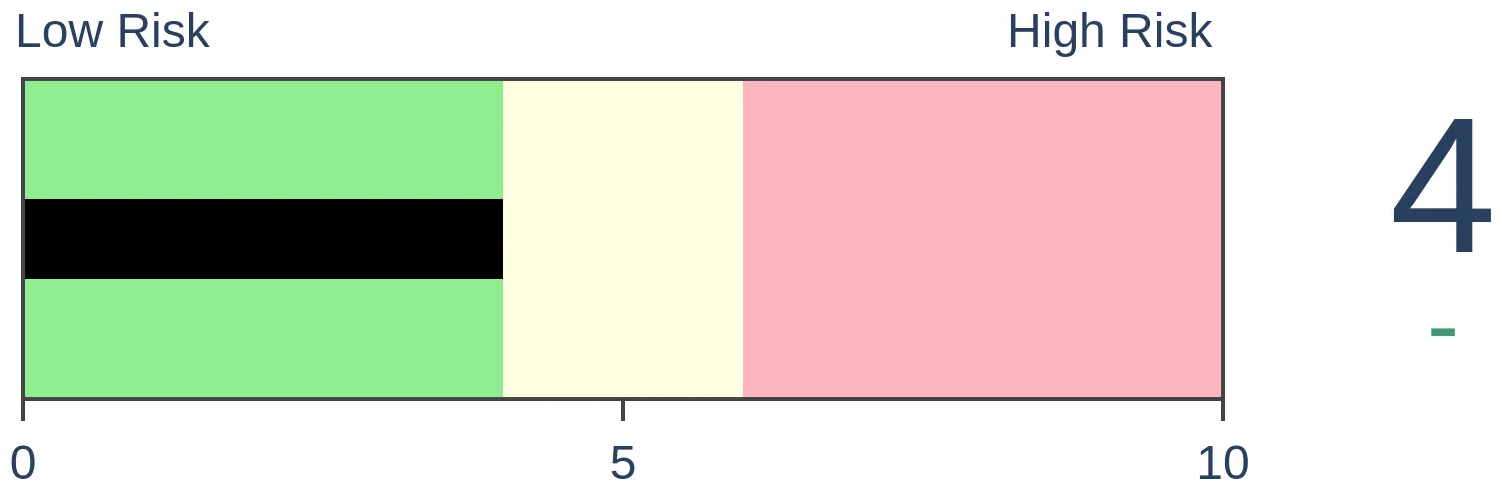
Crude Oil
|
|
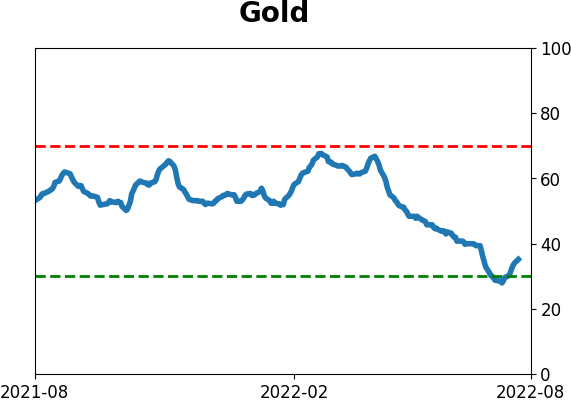
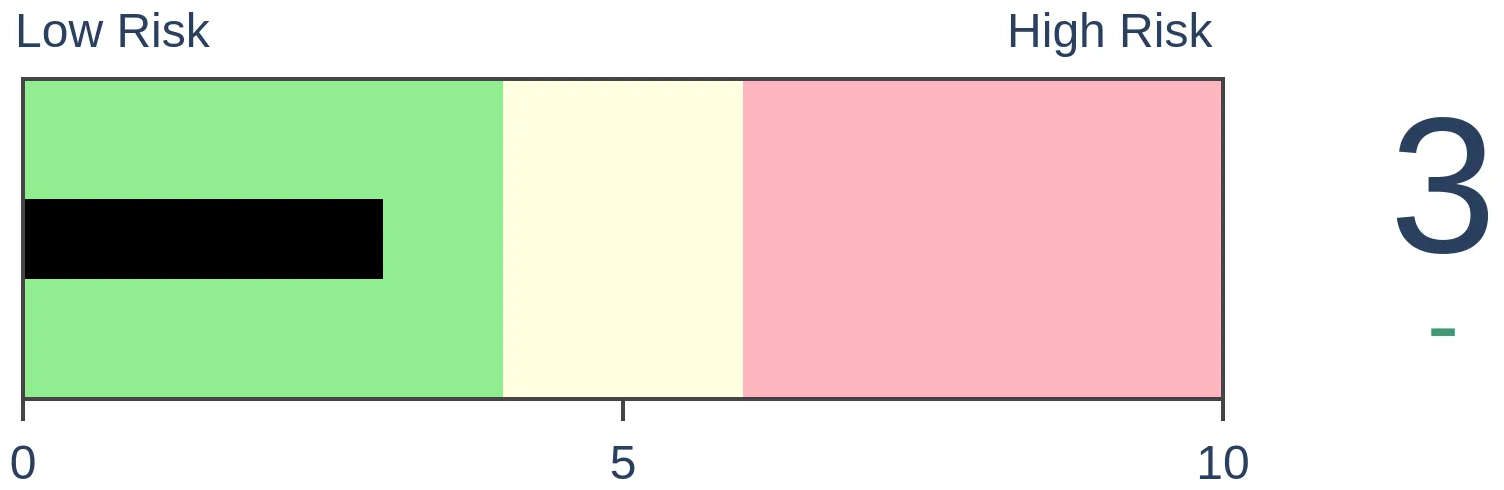
Gold
|
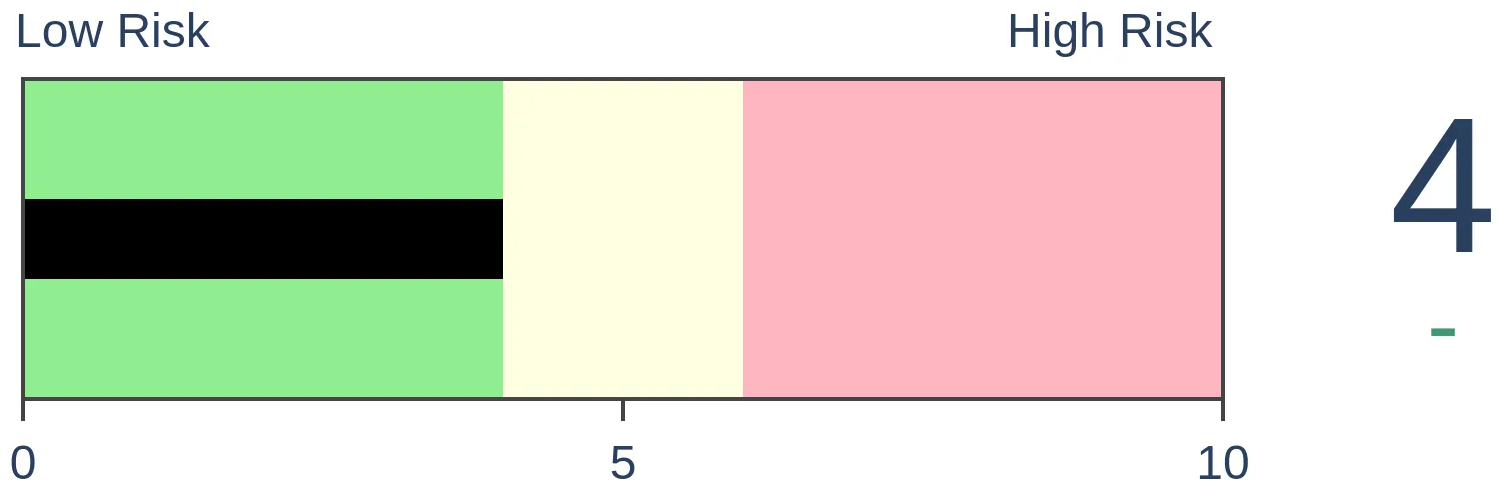
Agriculture
|
|
Research
By Jason Goepfert
BOTTOM LINE
Small options traders decreased their call buying last week despite a big rally in stocks. Their overall skepticism toward stocks increased. The S&P 500 has shown above-average returns when it rallies hard and small traders don't buy into it aggressively.
FORECAST / TIMEFRAME
None
|
Key points:
- Small options traders significantly reduced their call buying last week despite a big rally in stocks
- They also spent more of their volume on buying put options to open, showing skepticism about the rally
- The S&P 500 has tended to show above-average returns when small traders don't jump on a rally
Small traders press their losing bets
Two weeks ago, we saw that small options traders were pressing their bets against stocks. The bear market shifted traders' behavior from the speculative frenzy that peaked in early 2021; they're not giving up on their newfound skepticism.
Last week, despite a large and broad rally in stocks, small traders became even more negative. Continuing their heavy bets against stocks, traders used the rally to spend more of their volume on buying put options to open.
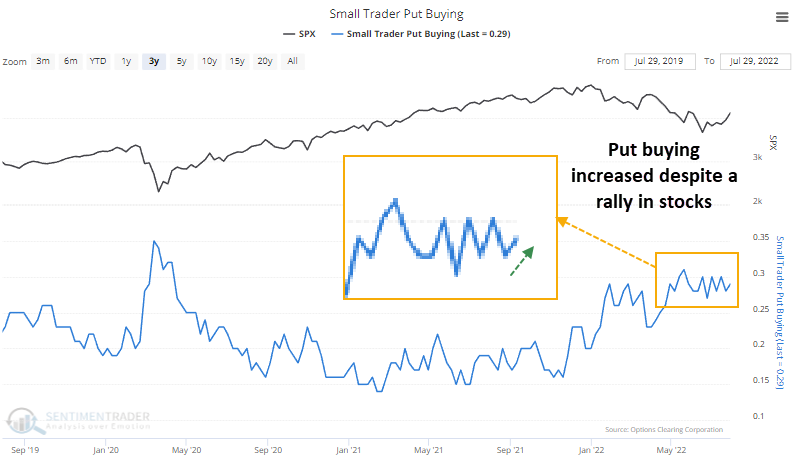
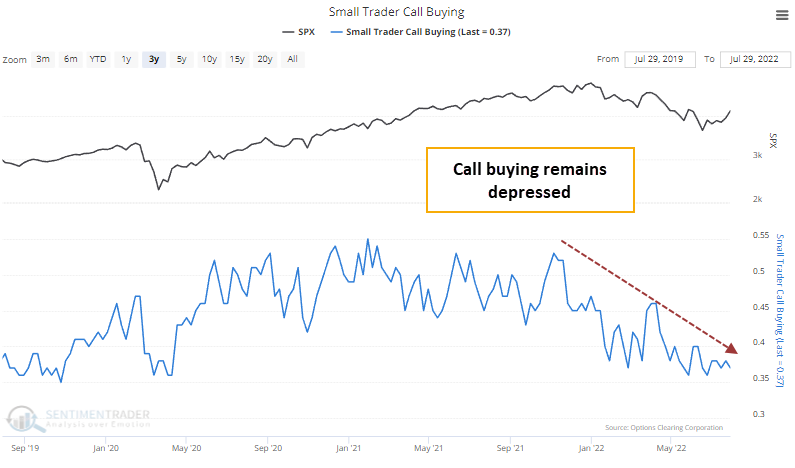
That could be understandable if they also increased their call buying. They did not - call buying as a percentage of total volume dropped last week and remains depressed relative to the past three years.
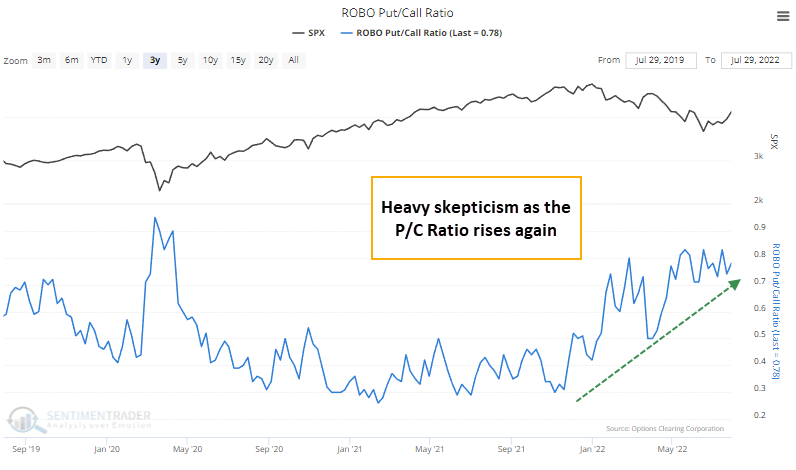
As a result of put buying becoming relatively more pronounced than call buying, the ROBO Put/Call Ratio rose again.
Skeptical traders fuel better returns
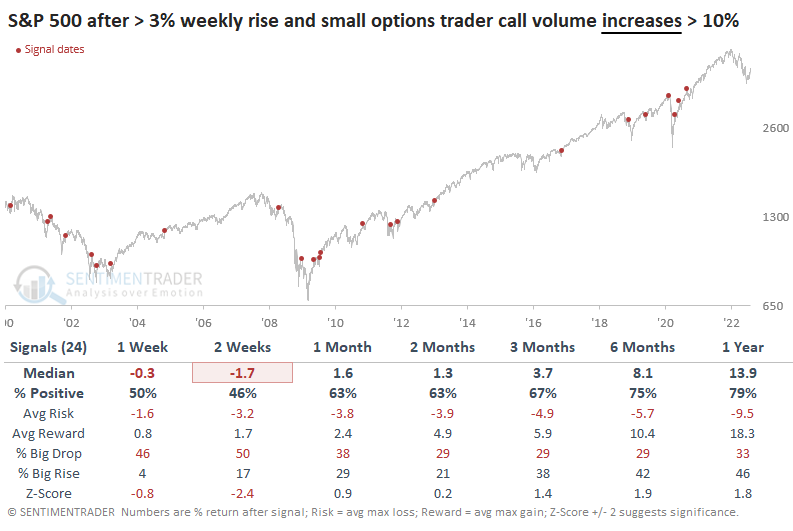
The table below shows every time when the S&P 500 rose 3% or more in a single week, yet small options traders bought at least 10% fewer call options than they did the prior week.
Forward returns were well above random, and the risk/reward ratio was quite positive. It wasn't perfect - there were some big losses in 2000 and during the financial crisis - but generally, stocks performed well.
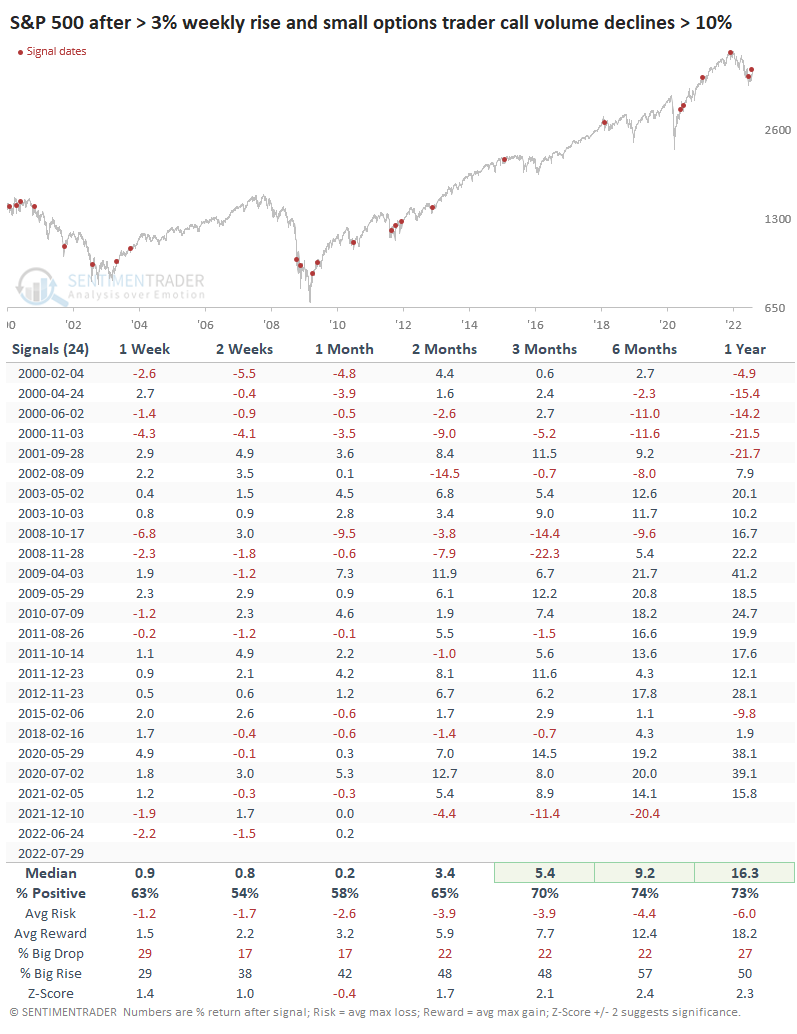
We often look at counter-examples to see if anything changes. We can have more confidence in a study if the opposite condition shows opposite results. In this case, it does to a certain extent. When the S&P rallies hard and small traders increase their call buying by 10% or more, forward returns were significantly weaker across most time frames.
Other indicators mostly show an unwillingness to buy
Some other indicators specifically focused on small or retail traders (mostly) confirm a sense of skepticism toward the rally.
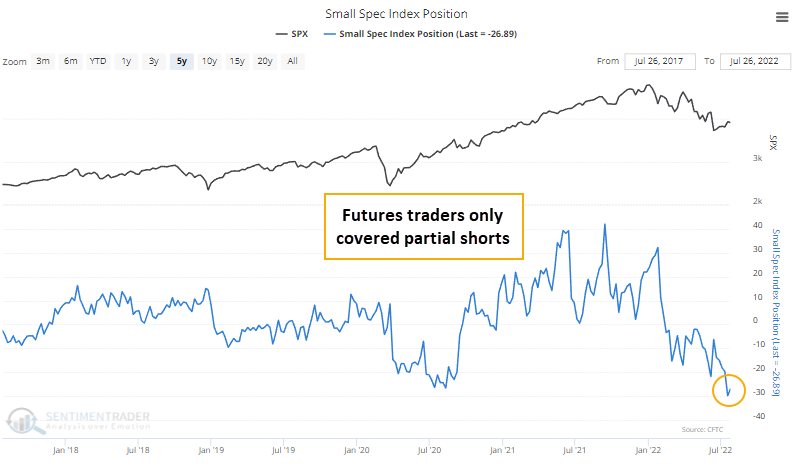
In the futures market, small speculators covered a tiny bit of their short positions. They still hold more contracts net short than they did at the height of the pandemic panic.
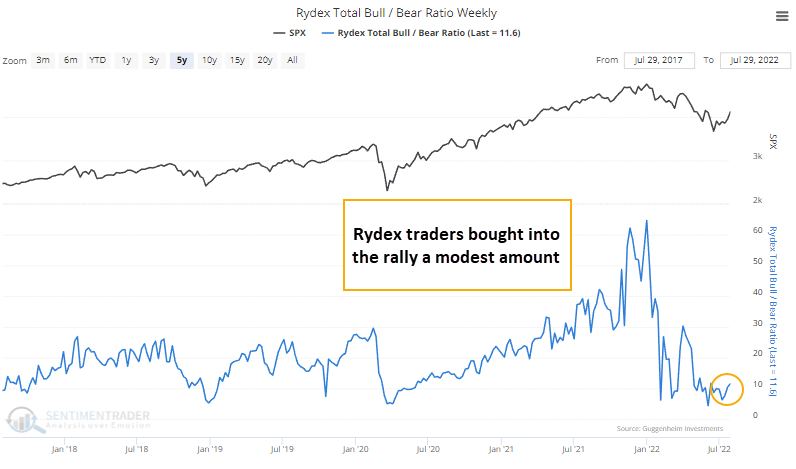
Rydex market timers also bought a small amount, with the Bull/Bear Ratio rising from a low level.
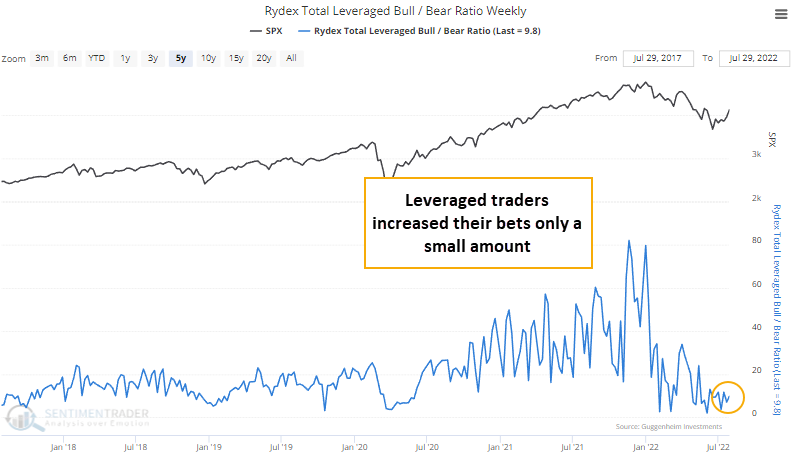
In the leveraged funds at Rydex, the increase was smaller. These traders are still holding relatively few assets in funds that are geared toward a market rally versus a decline.
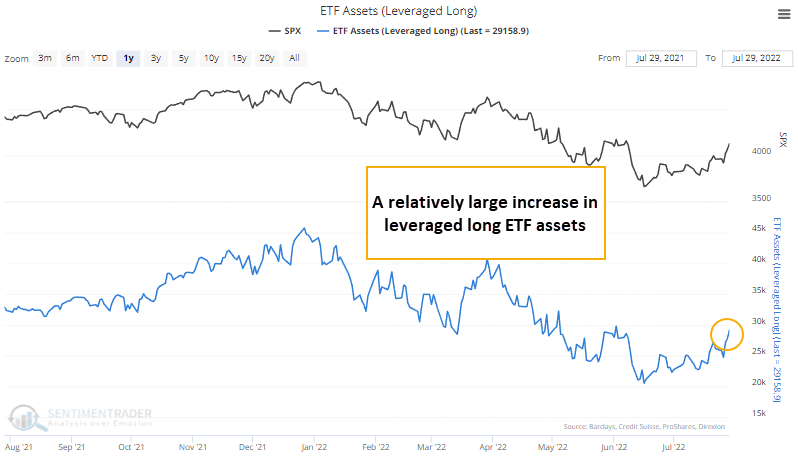
Between increased valuations and inflows, leveraged long ETF assets saw a big increase, which suggests that the quicker fingers in those funds were willing to buy.
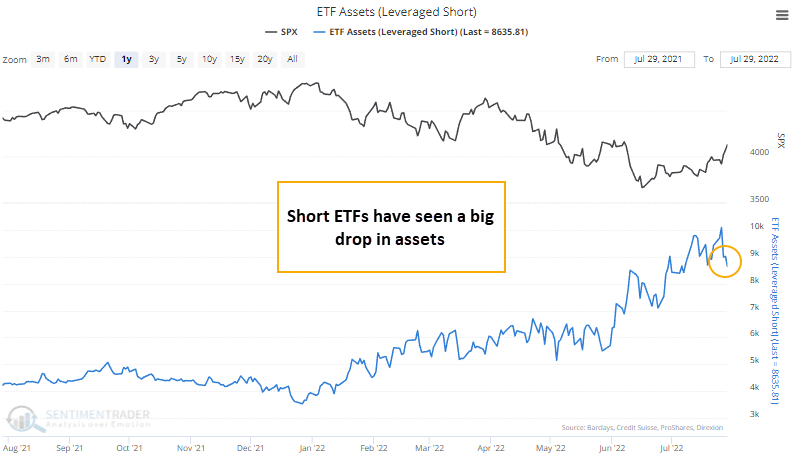
There was a coincident drop in leveraged inverse fund assets that profit when stocks decline.
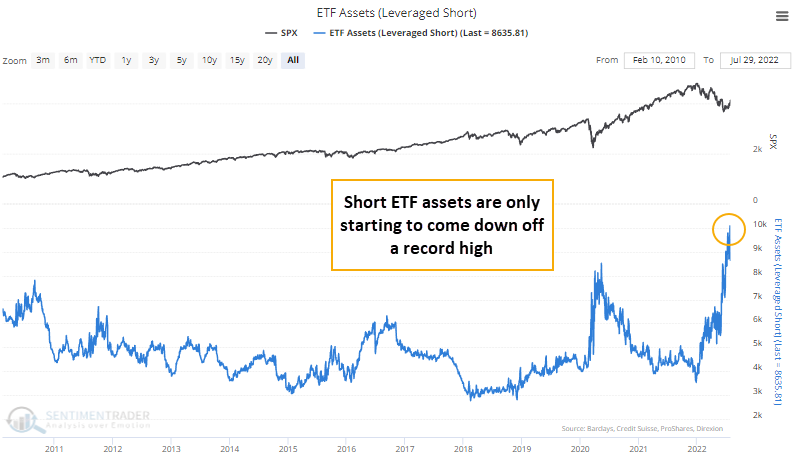
But those assets are only now coming down out of a record high.
What the research tells us...
The old saw about markets climbing a wall of worry is pithy but not necessarily correct. For a bull market to endure, we need to see more investors more willing to put money to work. A heavy and persistent sense of skepticism doesn't accomplish that. Generally, it's better to see sentiment indicators improve during rallies, and right now, the evidence is mixed. Small options traders clearly aren't buying the idea of a sustained rally, but that truly has been a contrary indicator and a good sign for forward returns. We need to see more indicators show a willingness of investors to step in and buy in the week(s) ahead.
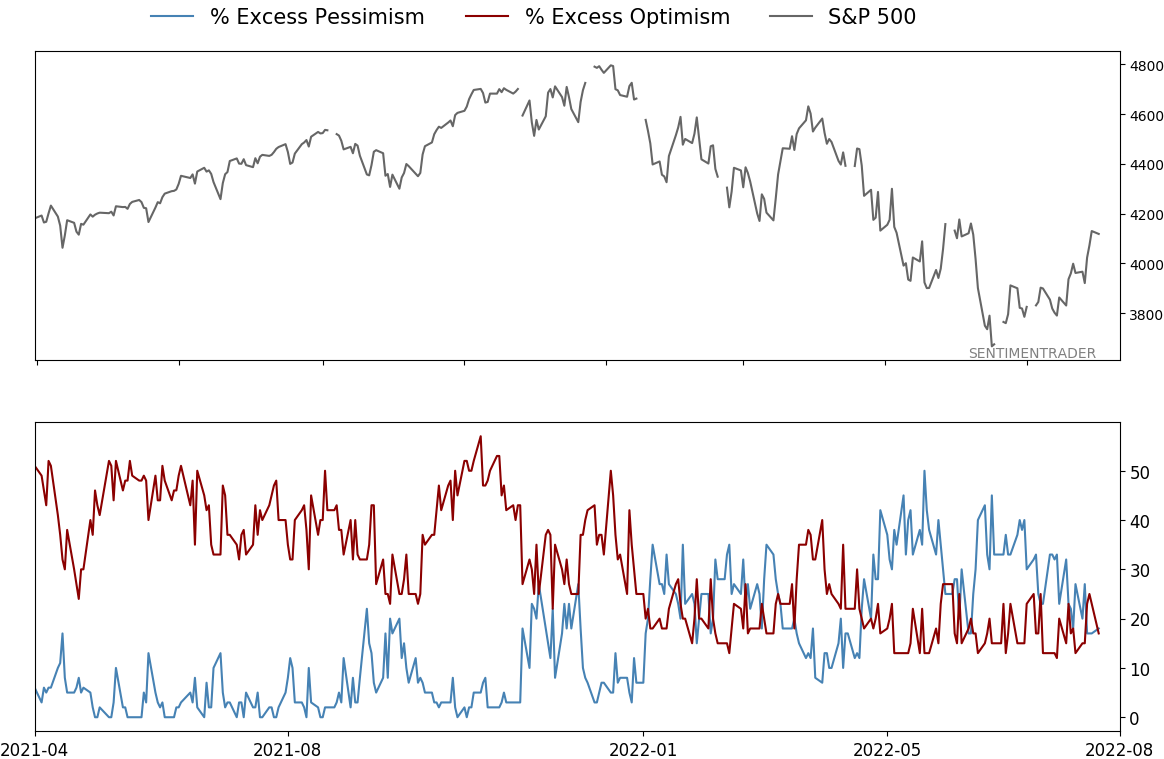
Indicators at Extremes
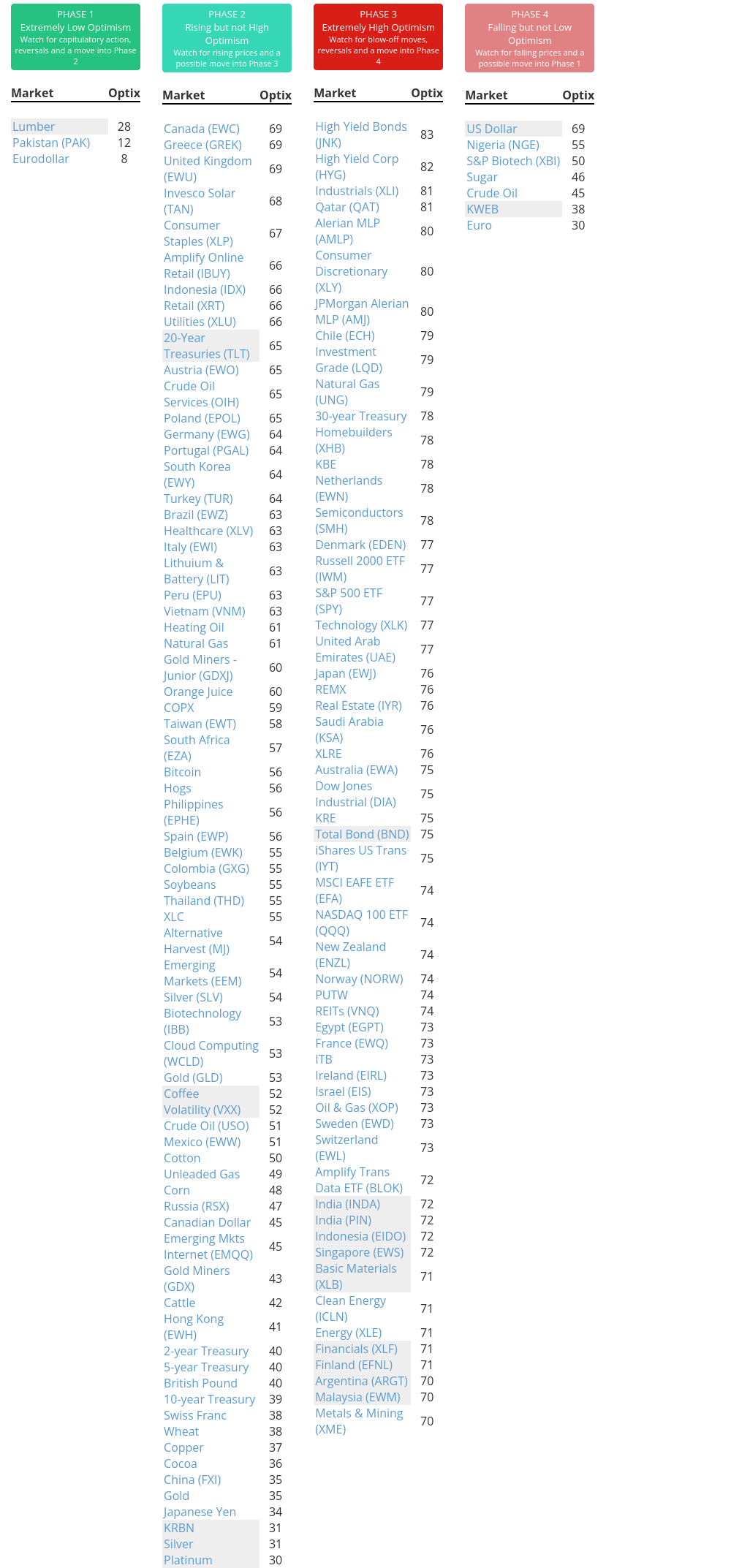
Phase Table
Ranks
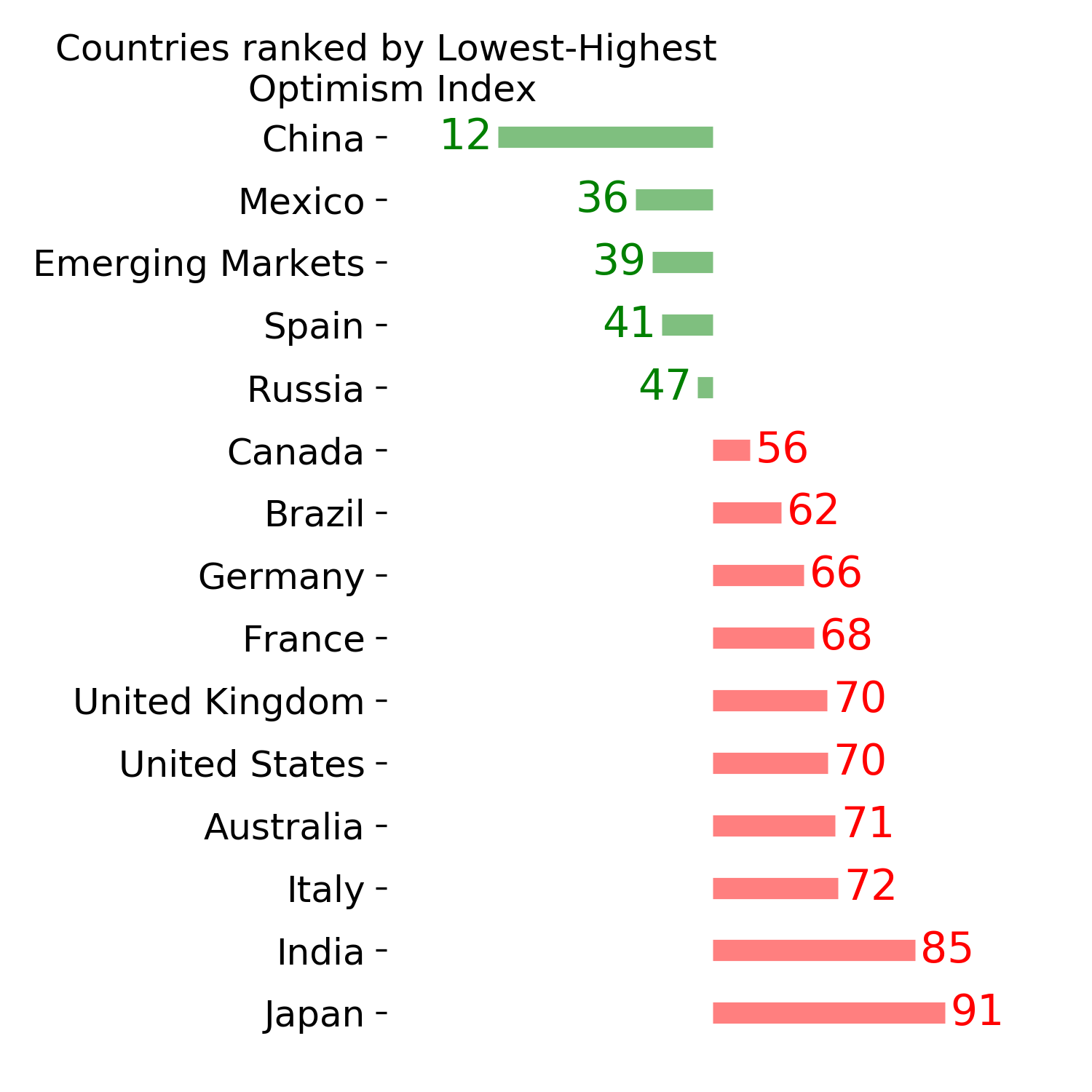
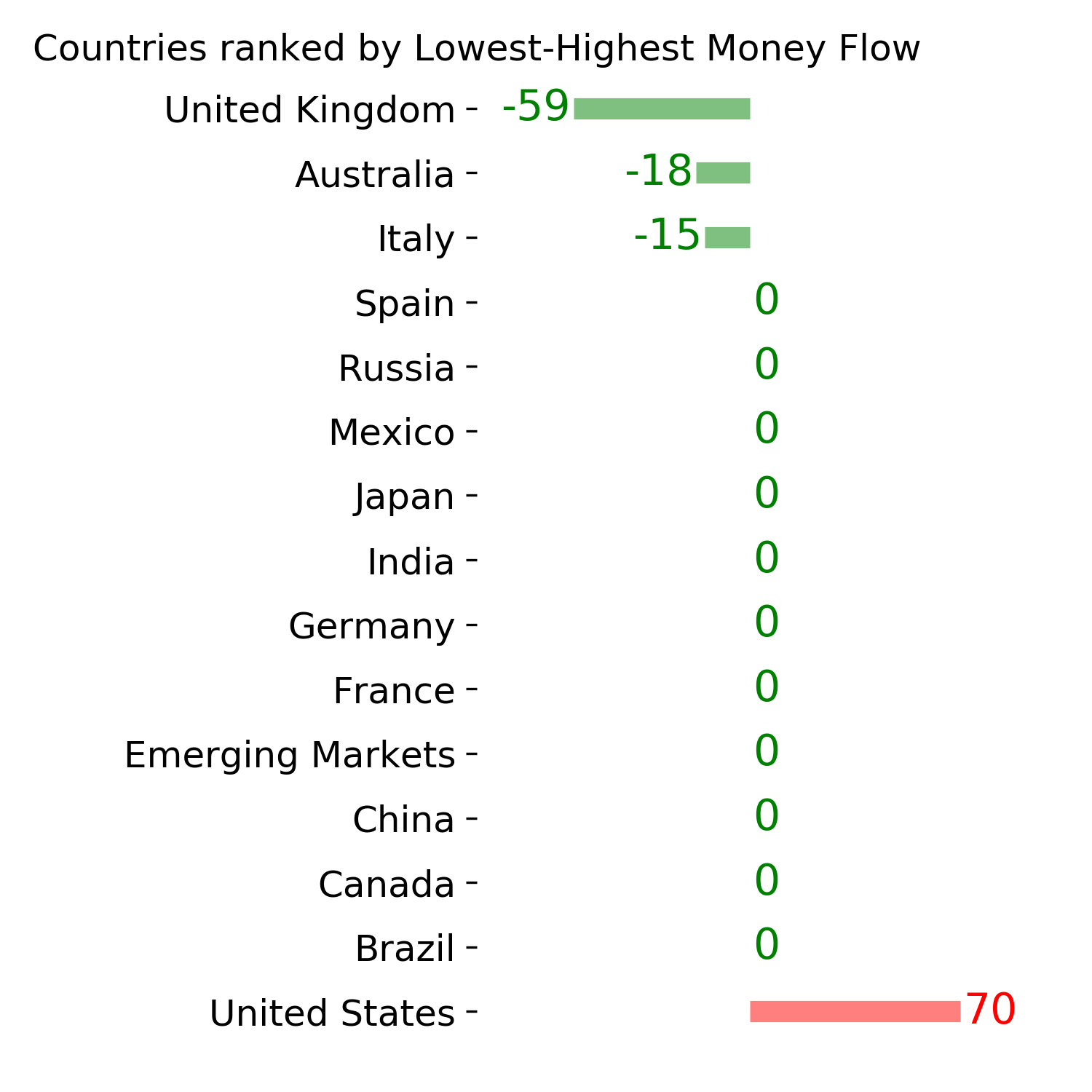
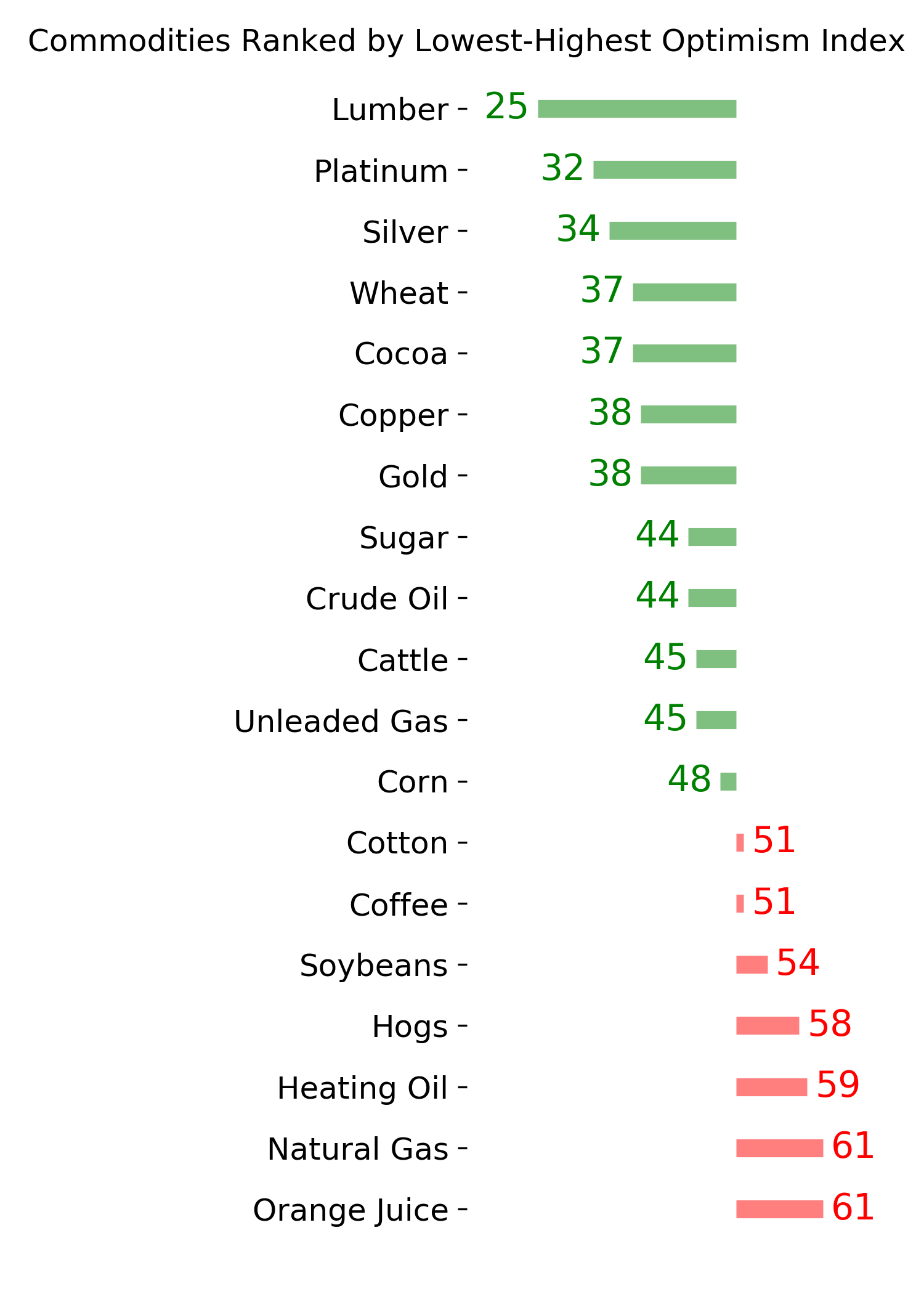
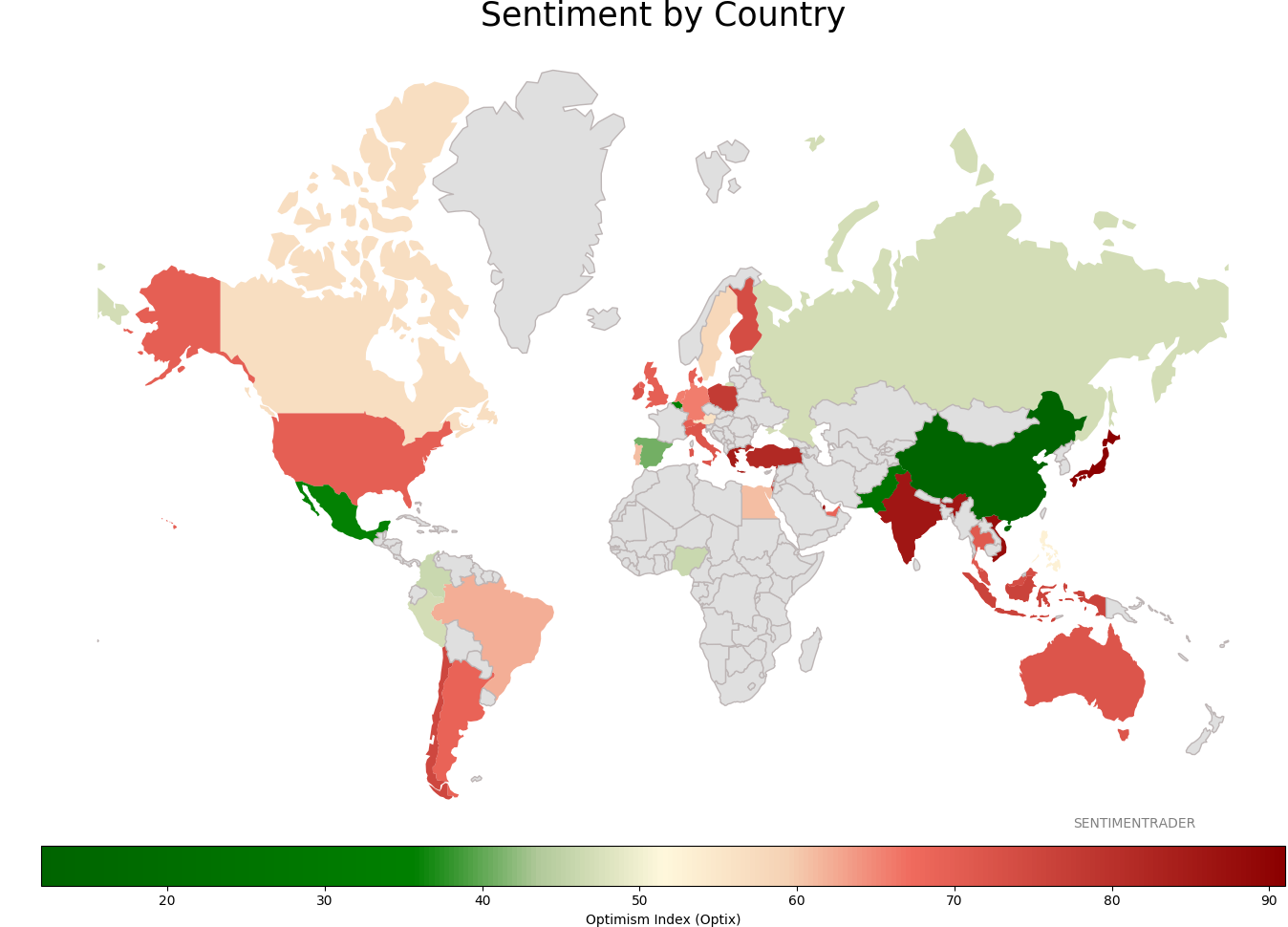
Sentiment Around The World
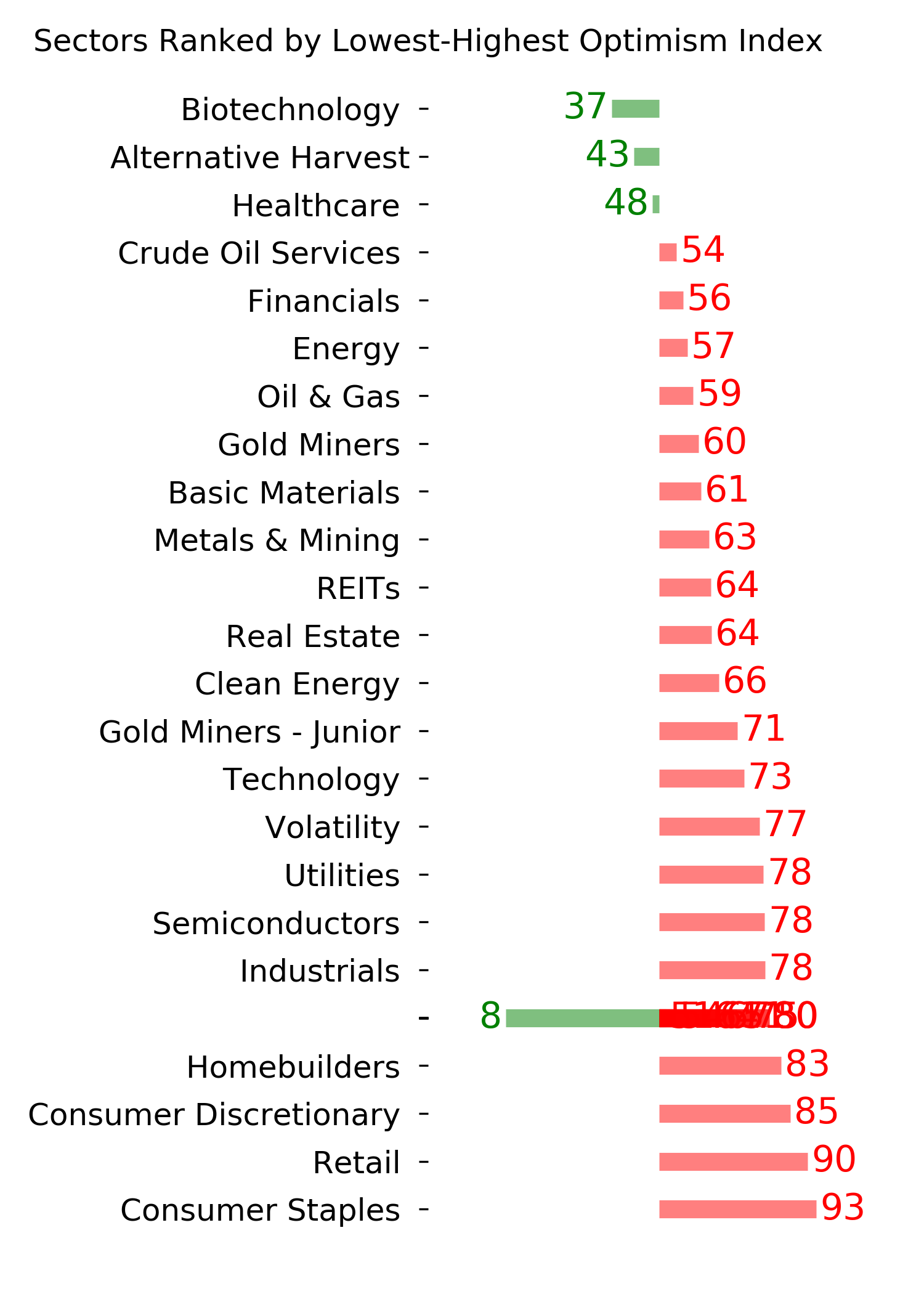
Optimism Index Thumbnails
|
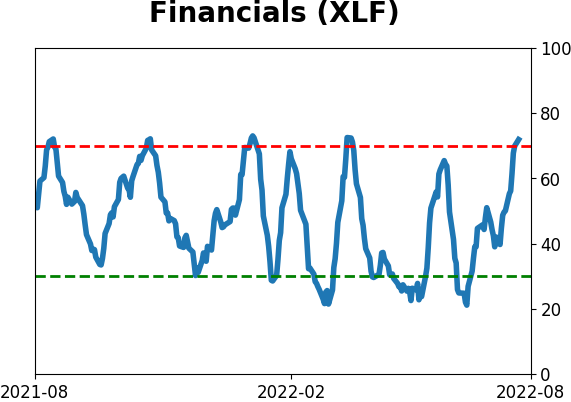
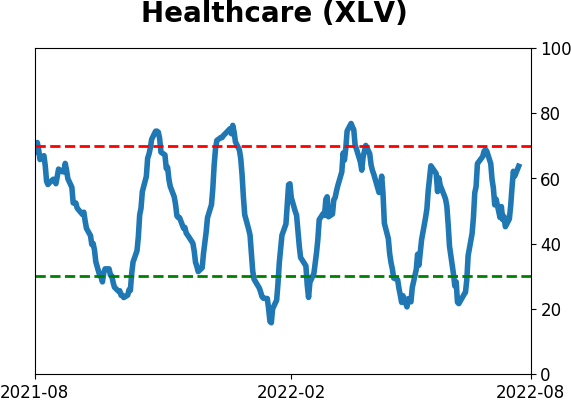
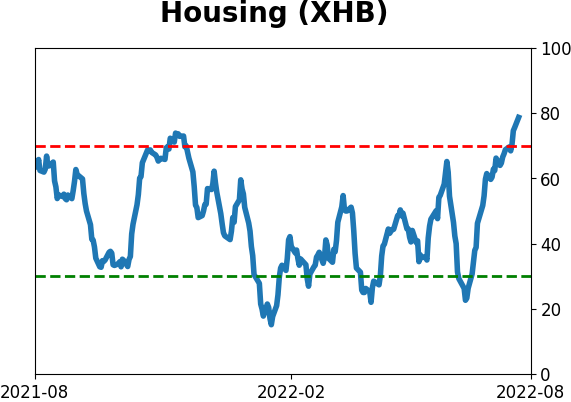
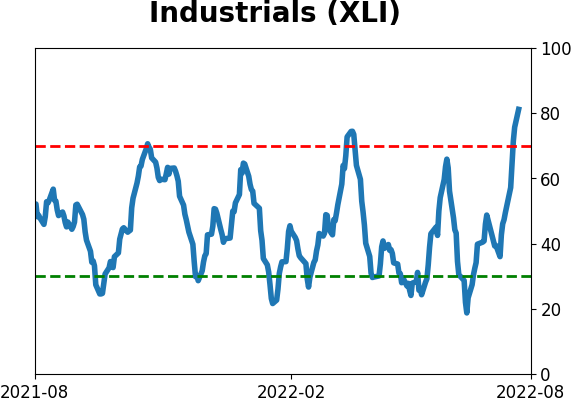
Sector ETF's - 10-Day Moving Average
|
|
|
Country ETF's - 10-Day Moving Average
|
|
|
Bond ETF's - 10-Day Moving Average
|
|
|
Currency ETF's - 5-Day Moving Average
|
|
|
Commodity ETF's - 5-Day Moving Average
|
|