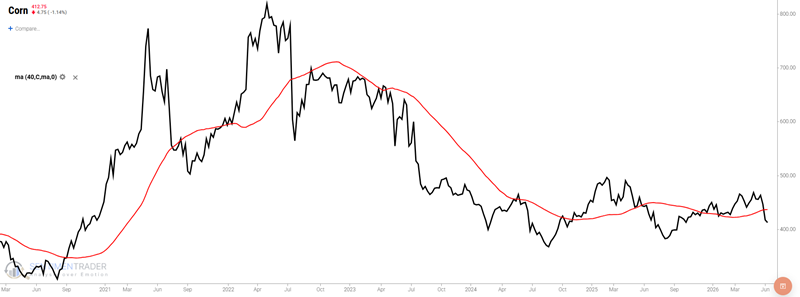
With corn futures entering their most unfavorable seasonal period of the year, already in an established downtrend, traders should look for opportunities to play the short side in the months ahead.
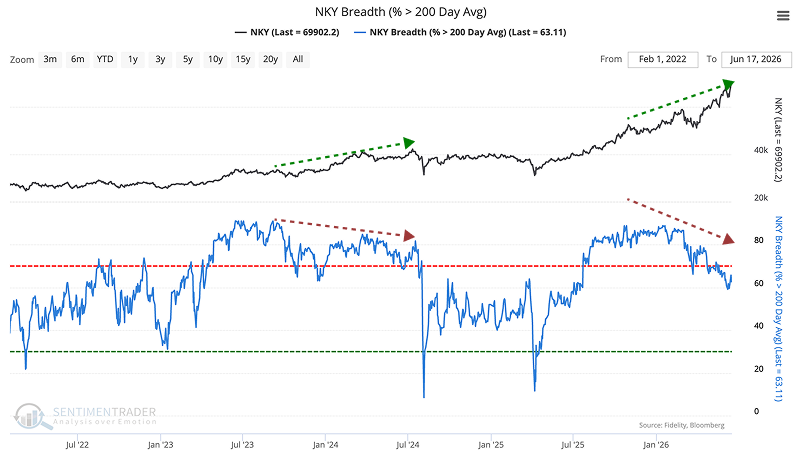
The Nikkei 225 has hit fresh all-time highs above 71,000, but fewer stocks are participating in the rally. Historical backtests show these breadth divergences are not reliable bearish warnings, though meaningful tail risk persists.
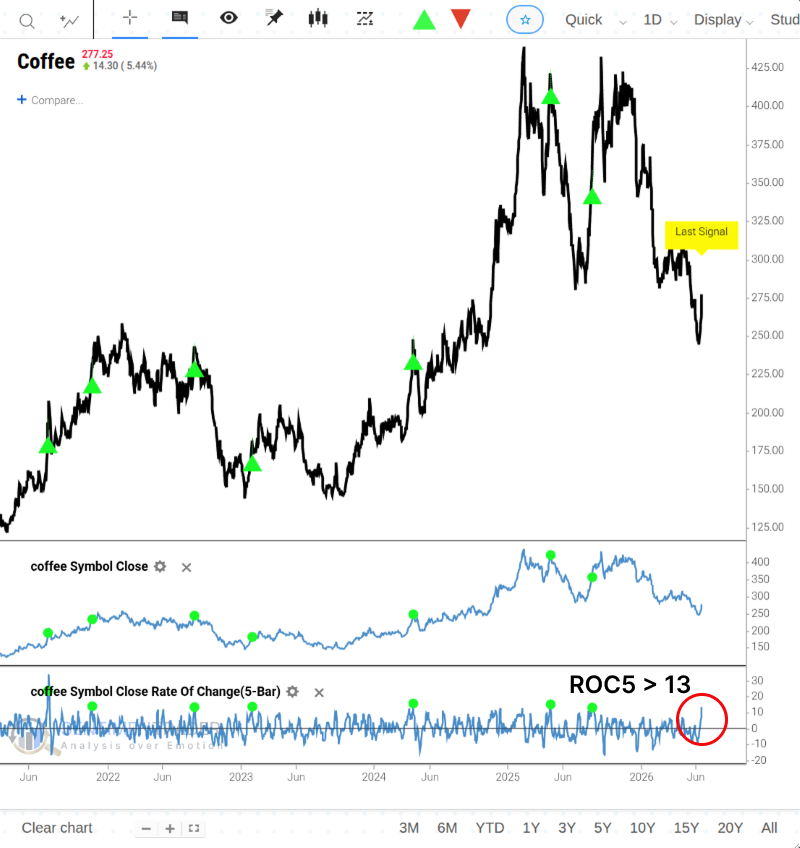
Coffee futures are experiencing a violent relief rally driven by adverse weather in Brazil. However, quantitative data shows buying this momentum breakout historically yields an unfavorable risk/reward profile, warning of a potential bull trap.
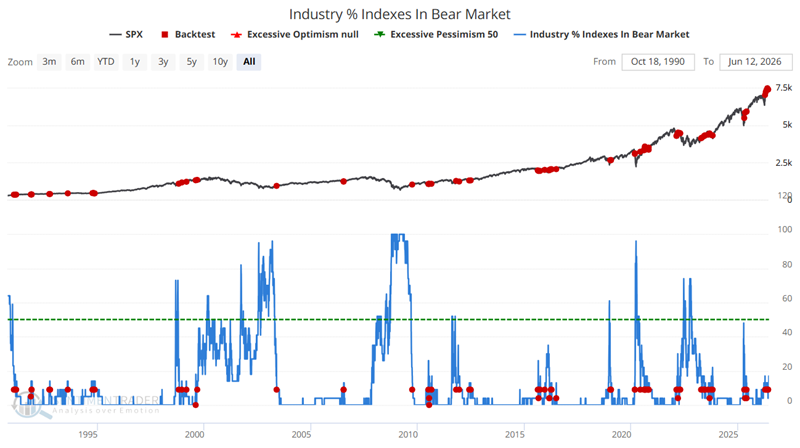
Part I of this two-part series highlighted a variety of indicators that suggested higher stock prices twelve months from now. Conversely, the indicators covered in Part II suggest that there may be some bumps in the road over the next six months. The overall message is one of "Manage your expectations and choose your strategy wisely."
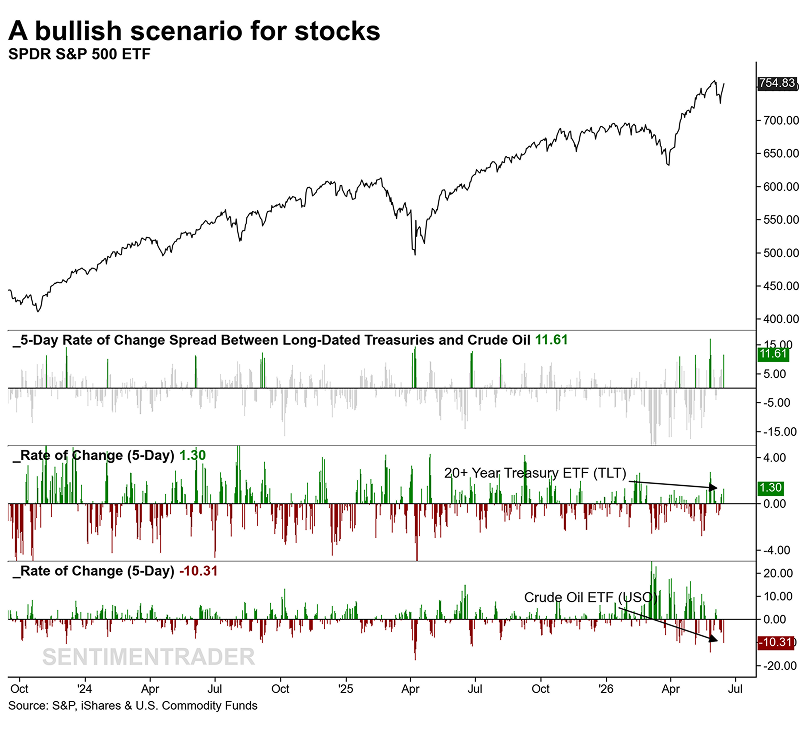
A macro trading model measuring the short-term spread between long-dated Treasuries and crude oil triggered a new bullish signal. After similar alerts of falling oil and yields, the historical outlook for the S&P 500 and growth-oriented sectors looks outstanding.
Part I of this two-part series details a variety of typically reliable indicator signals that portend good things for the stock market in the year ahead. Part II will highlight a variety of other indicators signaling caution and the potential for below-average market performance in the near-term. Readers can then weigh the evidence and draw their own conclusions.
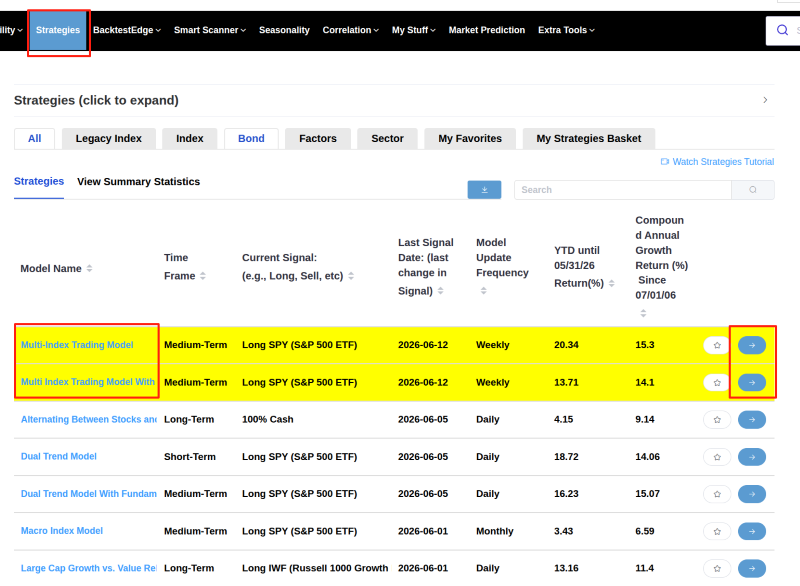
SentimenTrader's Multi-Index Trading Models are flashing "Long SPY." These quantitative strategies historically beat buy-and-hold by rotating to cash during bear markets, drastically reducing drawdowns while maintaining a robust CAGR.
The Risk On/Off Indicator has plunged alongside a massive 39.7% VIX spike and unfavorable inflation shifts. While near-term risks are elevated, historical data suggests this volatility is ultimately buyable.
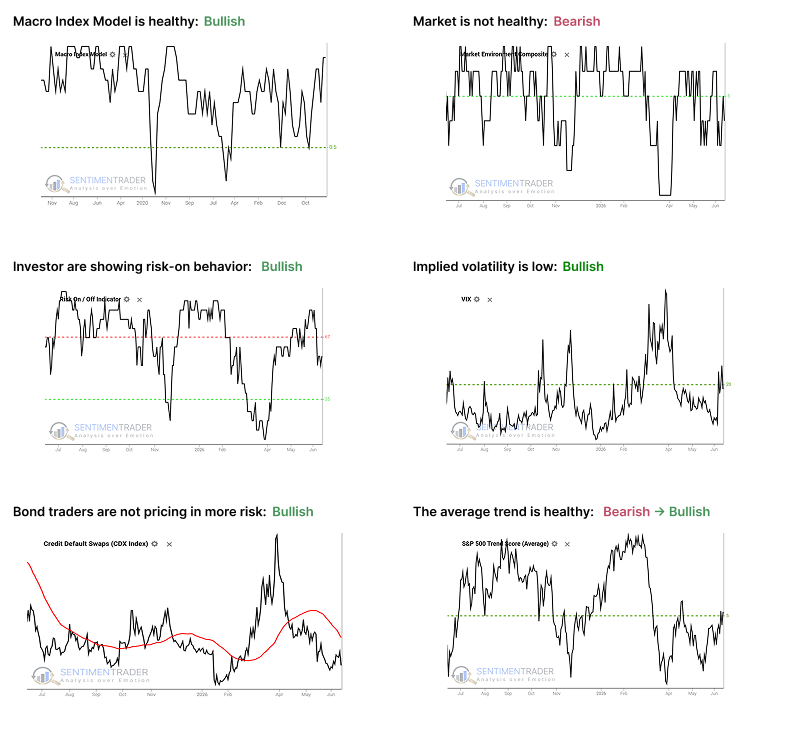
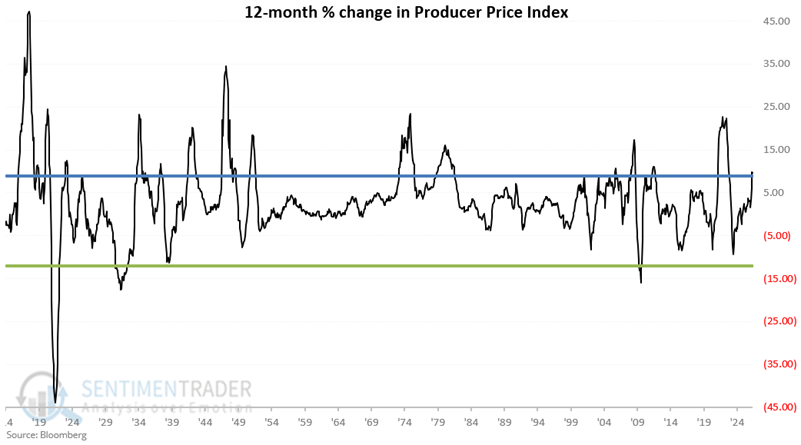
The market environment just changed somewhat, and not for the better. Rising inflation causes great uncertainty, and the stock market hates uncertainty. PPI and CPI figures are now officially in "unfavorable" territory. Does this mean stocks are doomed? Not necessarily. But the odds have shifted. Details herein.