Products
SentimenTrader Trading Tools
‍
Backtest Engine
My Trading Toolkit
Correlation Analysis
Seasonality
Market Prediction
Indicators & Data API
‍
Proprietary Indicators & Charts
Market Data API
Strategies & Scanner
‍
50+ Trading Strategies
Smart Stock Scanner
Smart Option Scanner
Research Reports
‍
Research Solutions
Reports Library
Free Resources
Simple Backtest Calculator
Simple Seasonality Calculator
The Kelly Criterion Calculator
Sentiment Geo Map
Public Research Reports
Education
Sentiment Indicators
Technical Indicators
Pricing
Company
About
In the News
Testimonials
Client Success Stories
Contact
Log inLoginSign up
< BACK TO ALL REPORTS

Daily Report : After more than a year, the S&P exits a pullback

Jason Goepfert
2023-07-31
The S&P 500 has climbed to within 5% of its all-time high, ending a streak of more than 300 trading days in a pullback. After the index ended other long pullback streaks, it took an average of about two months to reach a new all-time high. Its returns going forward were good, with minimal risk.
View/Print a PDF version of this Report

Headlines


After more than a year, the S&P exits a pullback: The S&P 500 has climbed to within 5% of its all-time high, ending a streak of more than 300 trading days in a pullback. After the index ended other long pullback streaks, it took an average of about two months to reach a new all-time high. Its returns going forward were good, with minimal risk.

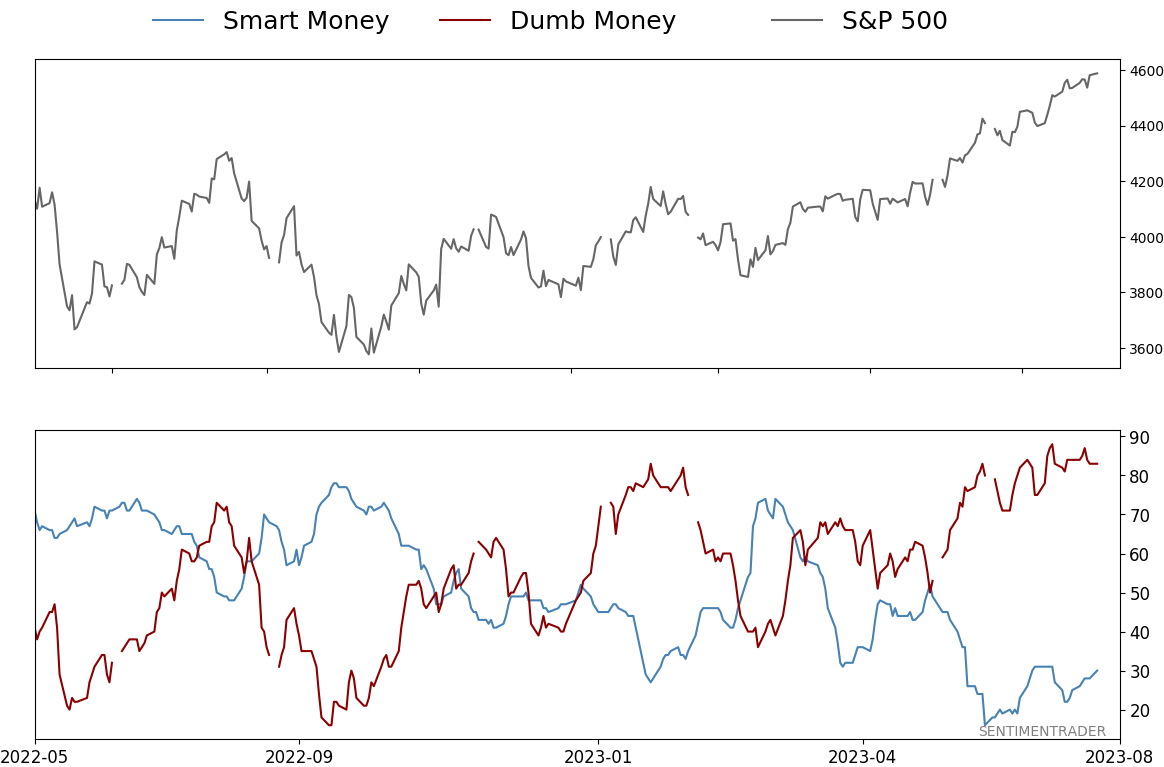
Smart / Dumb Money Confidence

Smart Money Confidence: 30% Dumb Money Confidence: 83%

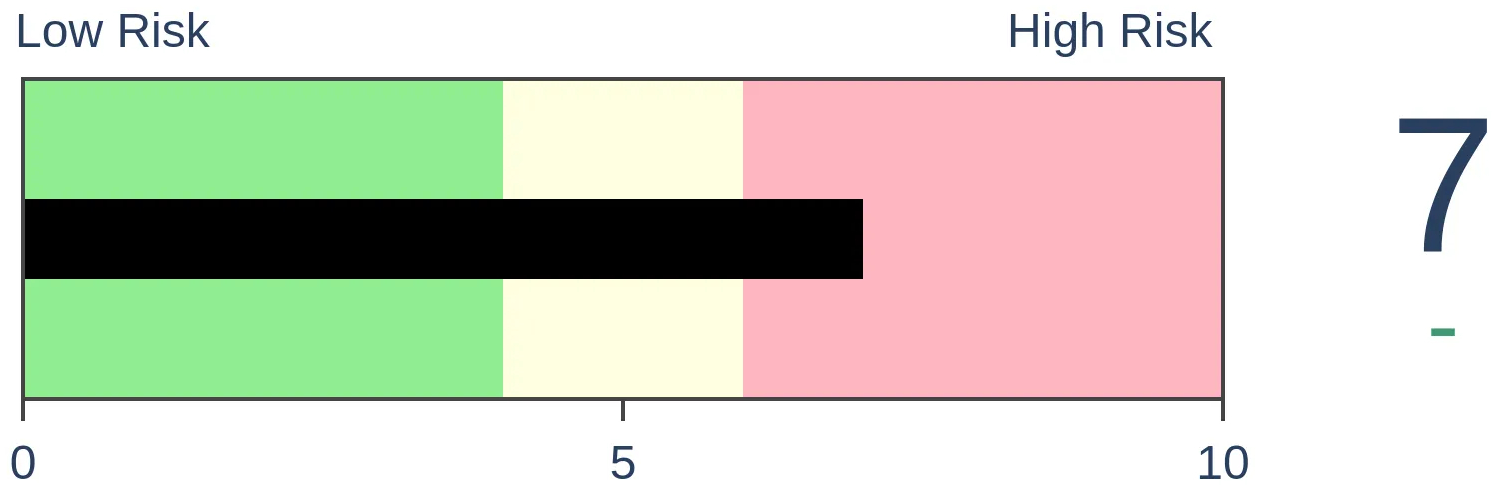
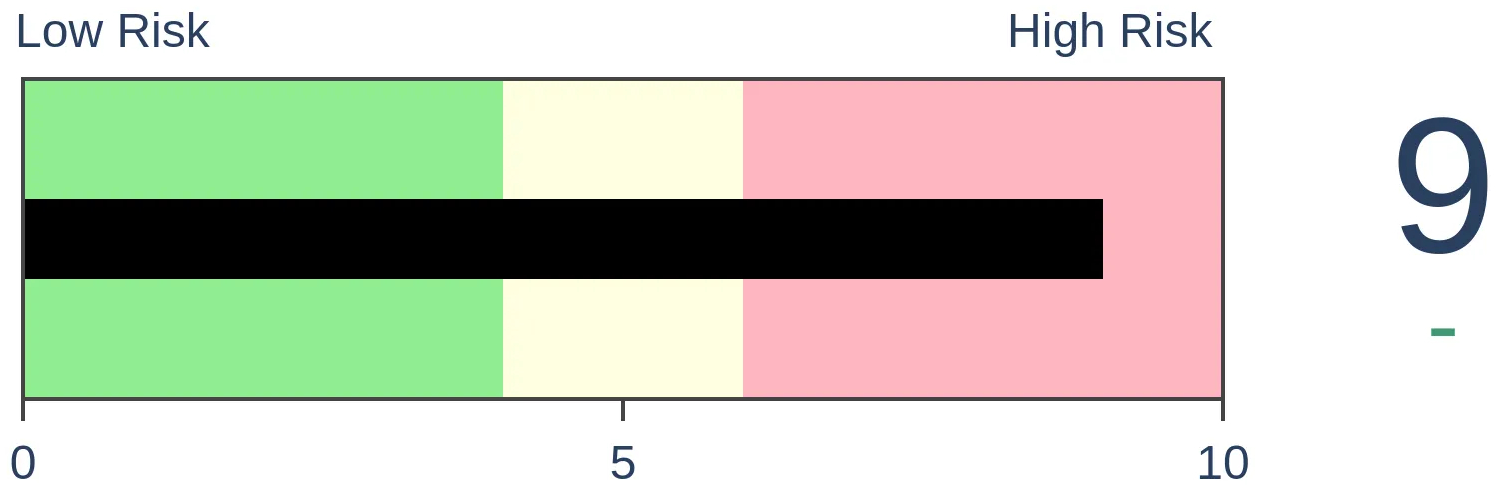
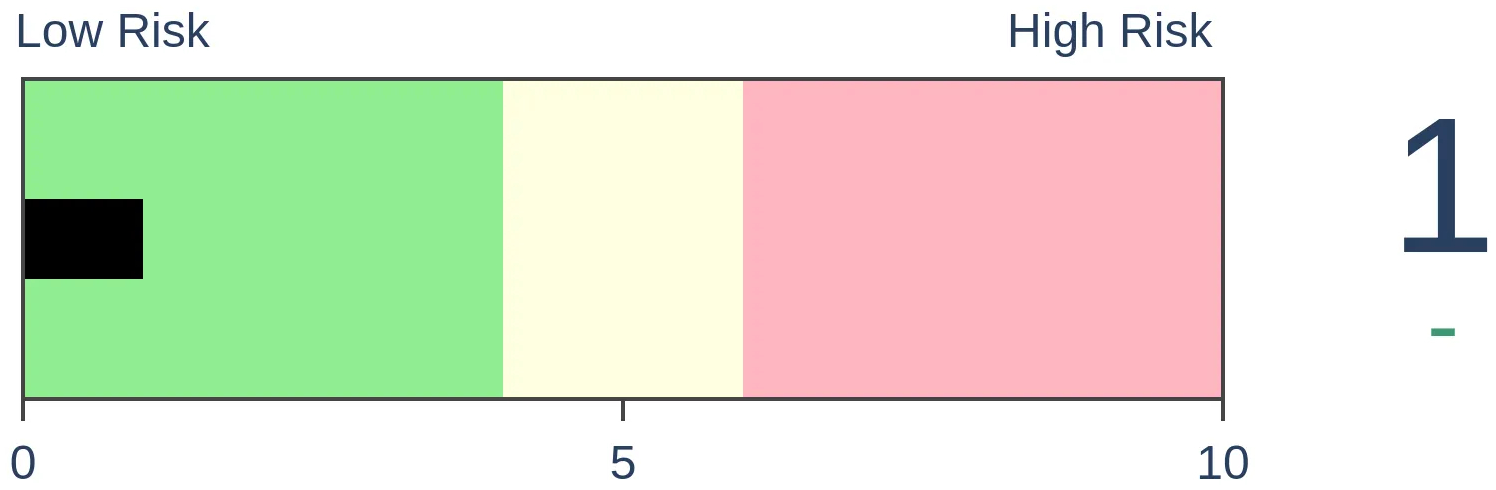
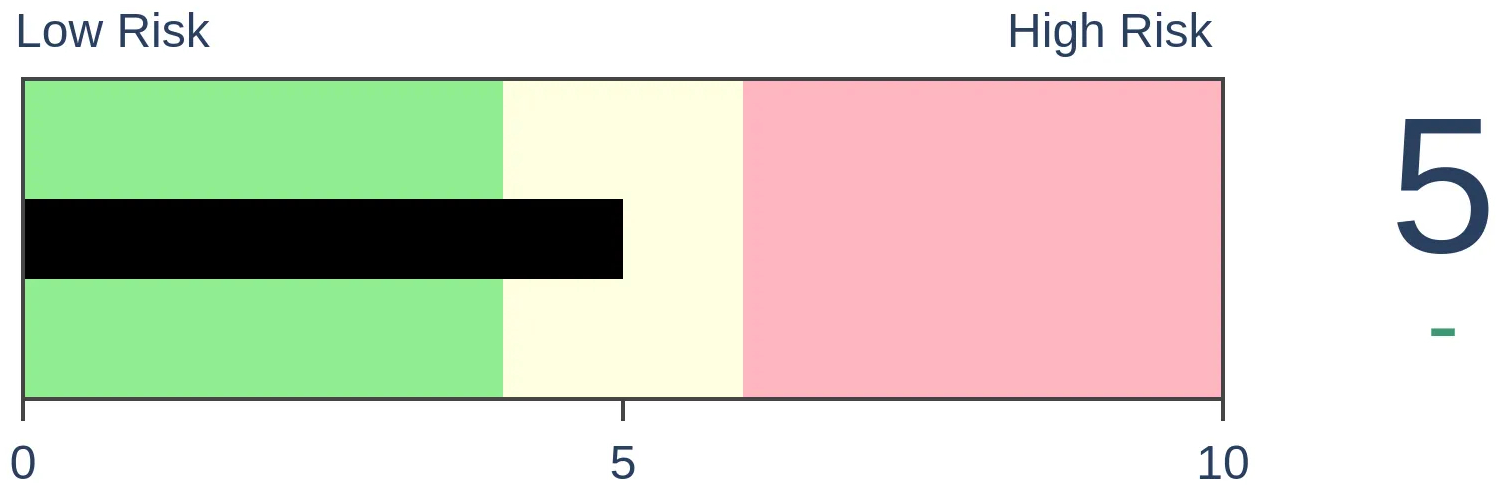
Risk Levels

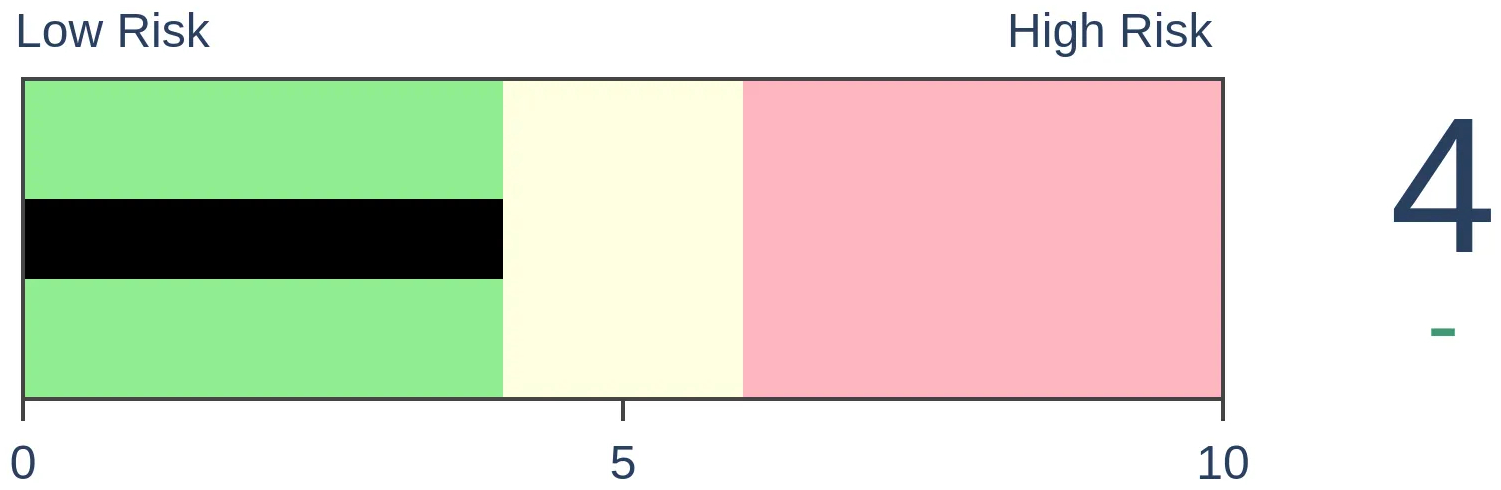
Stocks Short-Term

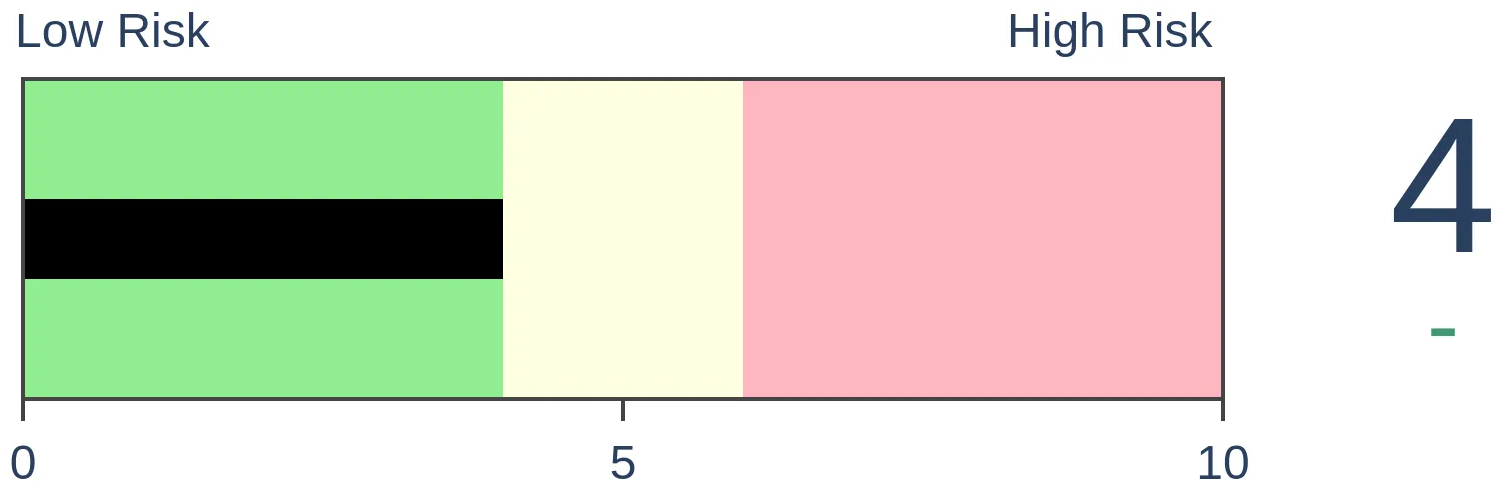
Stocks Medium-Term

Bonds

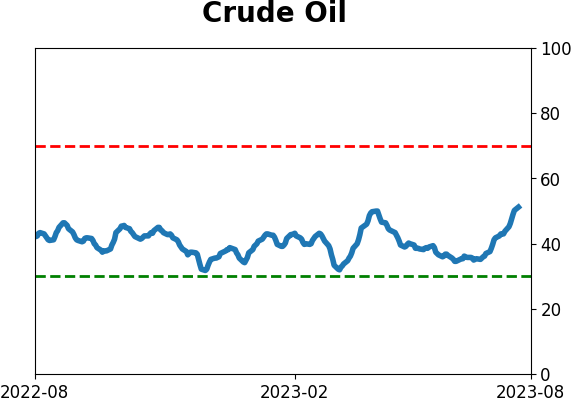
Crude Oil

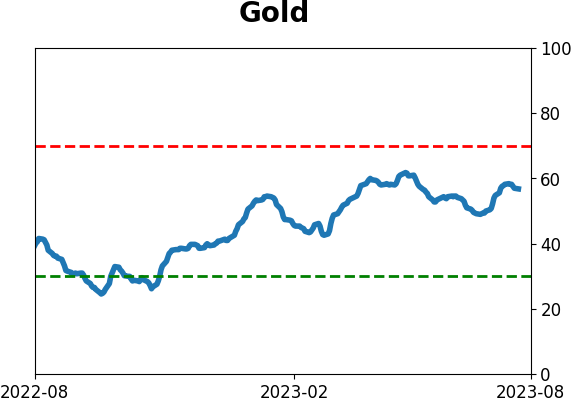
Gold

Agriculture

Research

After more than a year, the S&P exits a pullback

By Jason Goepfert

BOTTOM LINE
The S&P 500 has climbed to within 5% of its all-time high, ending a streak of more than 300 trading days in a pullback. After the index ended other long pullback streaks, it took an average of about two months to reach a new all-time high. Its returns going forward were good, with minimal risk.

FORECAST / TIMEFRAME
None

Key points:

  • The S&P 500 has moved within 5% of its all-time high, ending a long streak in a pullback
  • The ends of other very long streaks in a pullback preceded more gains in the index every time
  • It took an average of a little over two months for the S&P to close the gap and hit a new all-time high

The most important index is nearing its most important price

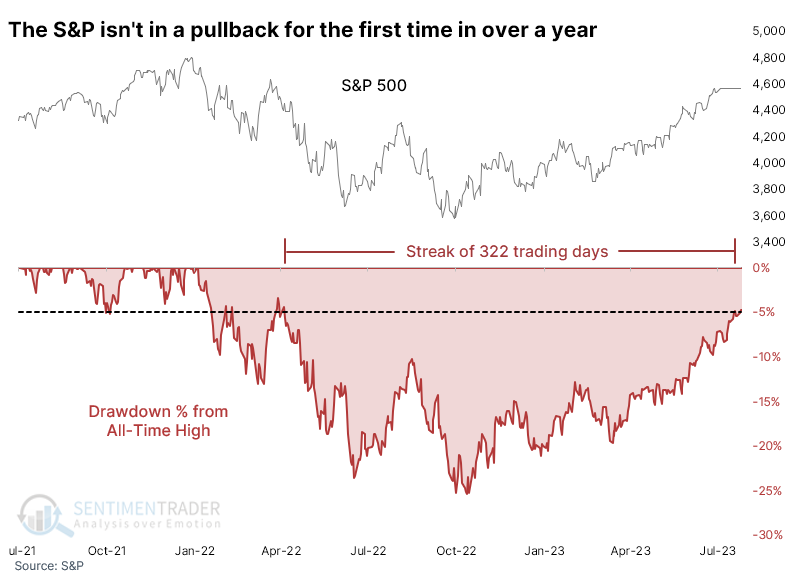
Last week, the most benchmarked index in the world climbed out of pullback territory. That's a subjective term denoting a decline of at least 5% from a recent high. We've waited a few days to see how the index has reacted, and so far, the reaction has been muted.

The S&P 500 pulling back to within 5% of its all-time high ended a streak of more than 300 trading days that the index was at least in a pullback.
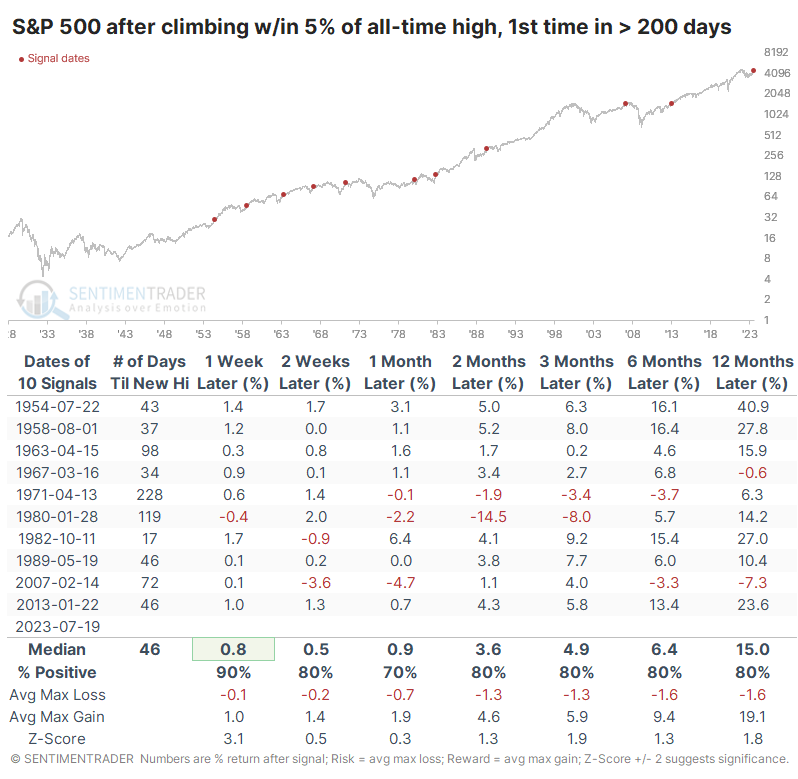
The table below shows how the index performed after ending long stretches in a pullback or worse. After ending streaks of at least 200 days in a pullback, the S&P took a median of 46 trading days before it closed the remaining gap and closed at a new all-time high. Four signals took longer than that, with two taking longer than 100 sessions.

Still, its returns were quite good in the months ahead, with two losses across most time frames, and only one of those, on one time frame, was double-digits. This behavior ended up leading to the financial crisis, but that took a long time to unfold.
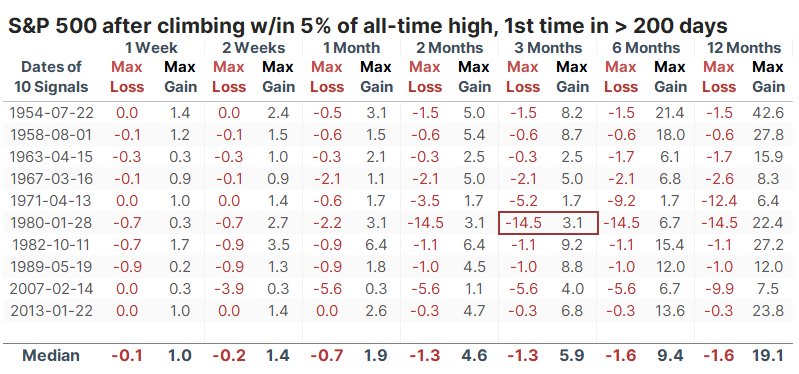
The table of maximum gains and losses across time frames shows how minimal the risk was over the next few months. Only a single signal lost more than -5.6% within the first three months while five signals preceded gains larger than +5.6%.
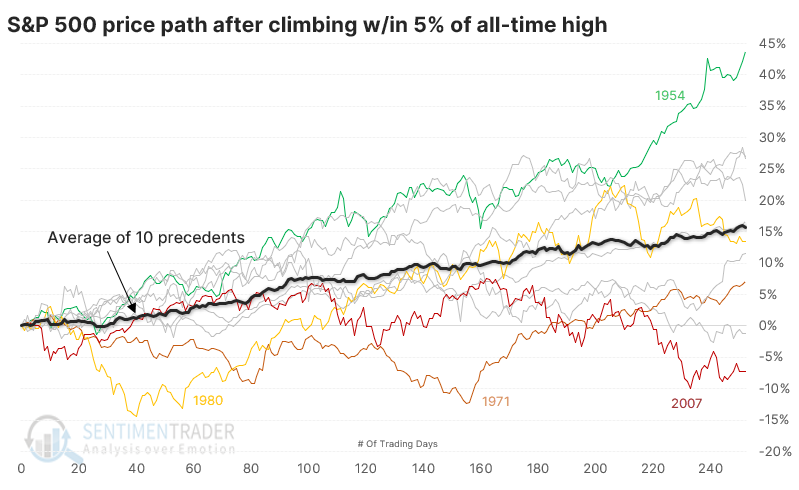
After these signals, the S&P's price path shows a consistent trend from the lower left to the upper right. Three signals lost more than -10% (or nearly so) within the next year, but those were clear outliers.
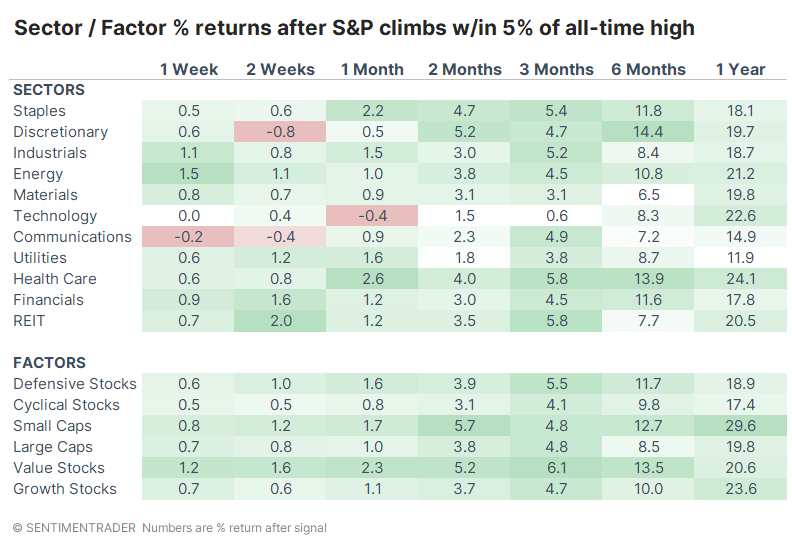
Returns among sectors and factors showed some interesting twists. Technology was relatively weak over the next 2-3 months, but the 3-month time frame was by far the most consistently positive across all sectors. Staples and Health Care did well across almost all time frames, as did Small Caps and Value stocks.
What the research tells us...

When a stock or index nears a previous high, chart watchers will send alerts about "resistance." The theory is that when prices return to an obvious turning point, those who bought at that peak will see their chance to get out at breakeven. Like most technical analysis, it makes for a good story and looks cool on a chart, but it doesn't work in practice. Over 20 years of testing, we've never once been able to confirm that resistance is a valid concept. Stocks are just as likely (more likely, actually) to move past resistance as they are to be turned away. We can see that with the above, as well. While the S&P hasn't yet made it close enough to its previous high, we are already hearing about resistance from the 2021 peak. Take it with a gigantic grain of salt.


Indicators at Extremes

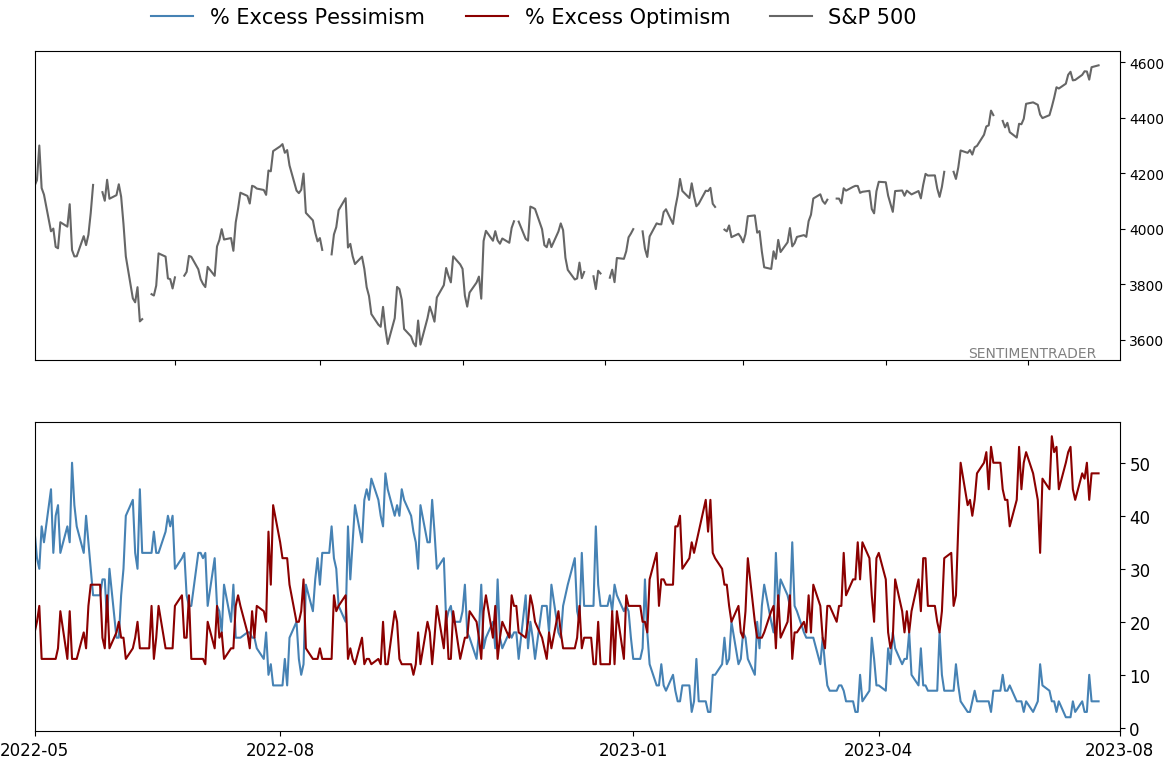
Click here to view on the site (% Extremes and "Excess" tabs on the dashboard).
% Showing Pessimism: 5%
Bullish for Stocks

Inverse ETF Volume
Insider Buy/Sell Seasonally Adj
Mutual Fund Flow (no ETFs)
% Showing Optimism: 48%
Bearish for Stocks

Smart Money / Dumb Money Confidence Spread
Smart Money Confidence
NYSE High/Low Ratio
Short-term Optimism Index (Optix)
NYSE Up Issues Ratio
NYSE Up Volume Ratio
Dumb Money Confidence
VIX Term Structure
% Showing Excess Pessimism
% Showing Excess Optimism
Intermediate Term Optimism Index (Optix)
VIX
Rydex Money Market %
Rydex Ratio
Rydex Bearish Flow
SKEW Index
Options Speculation Index
OEX Put/Call Ratio
OEX Open Interest Ratio
NAAIM Exposure Index
Risk Appetite Index
AAII Bull Ratio
AIM (Advisor and Investor Model)
Retail Money Market Ratio
NYSE Available Cash
AAII Allocation - Stocks
Mutual Fund Cash Level
Equity / Money Market Asset Ratio
VIX Transform

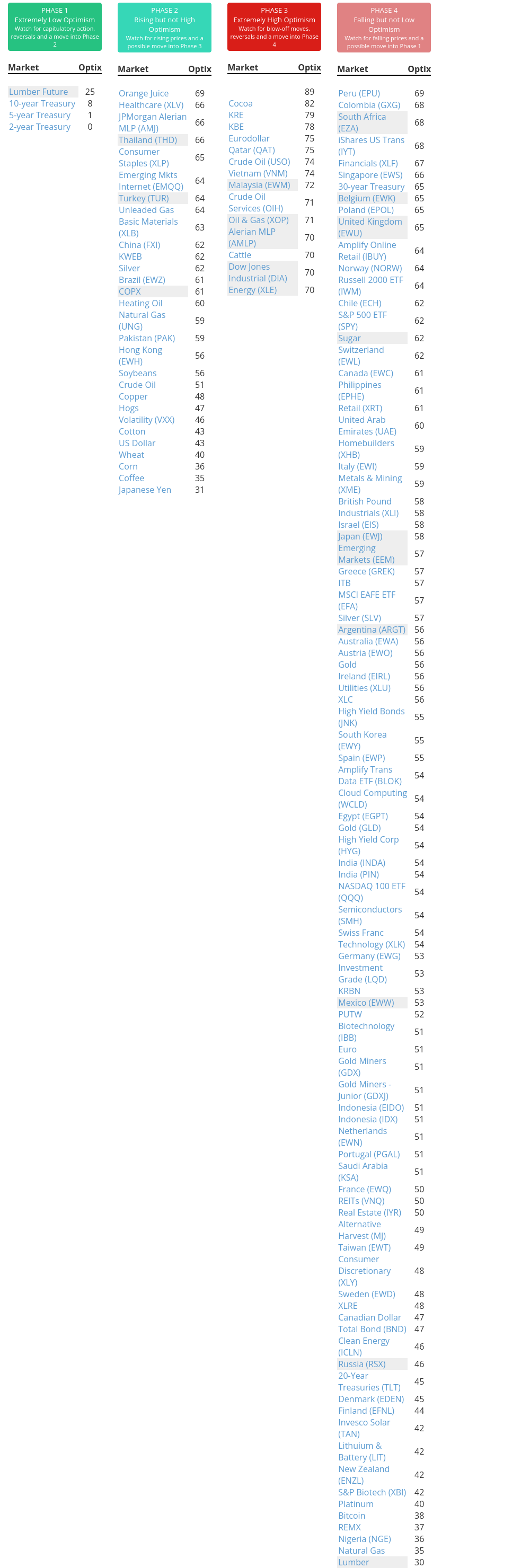
Phase Table

Click here to view the Phase Table on the site.

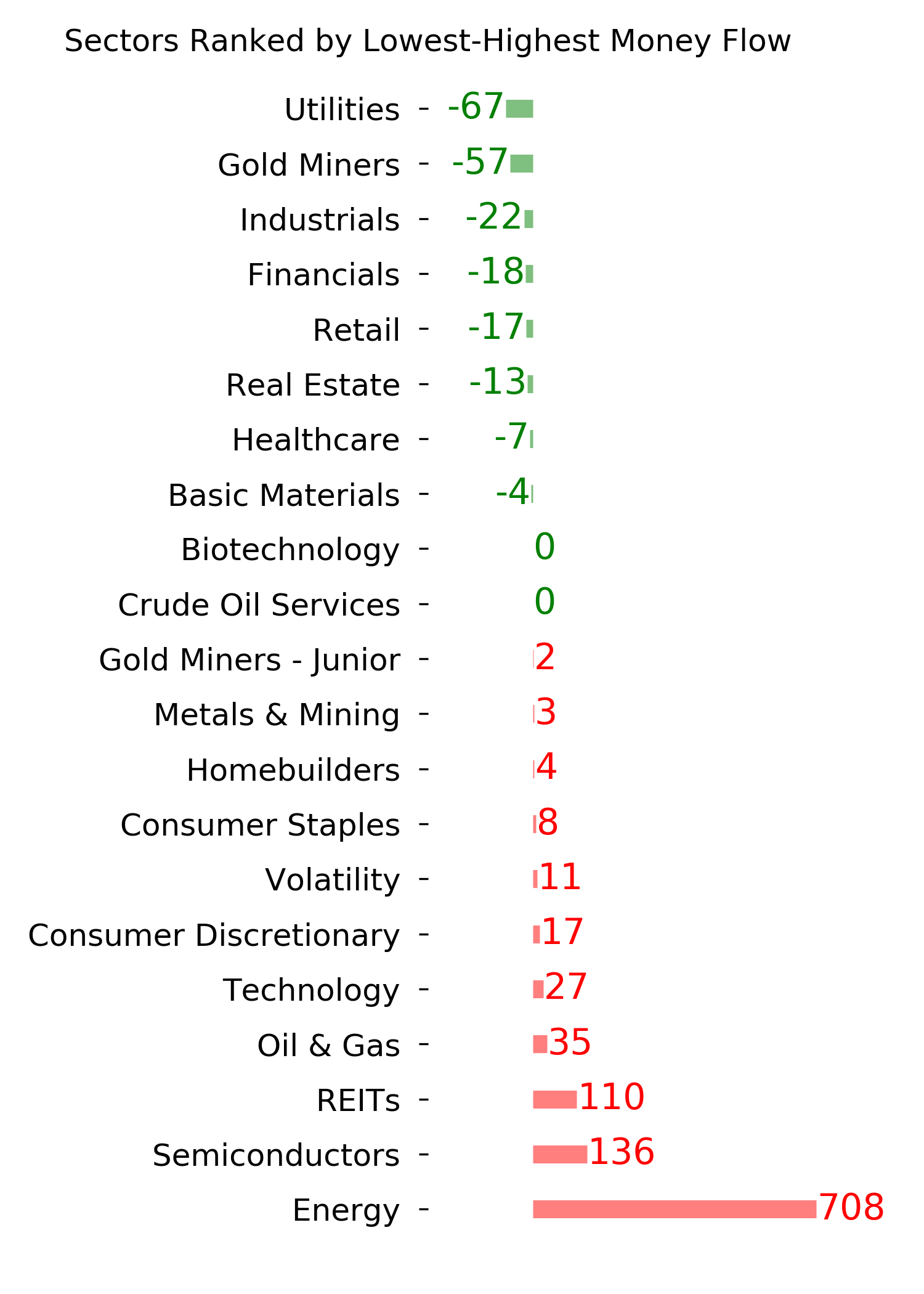
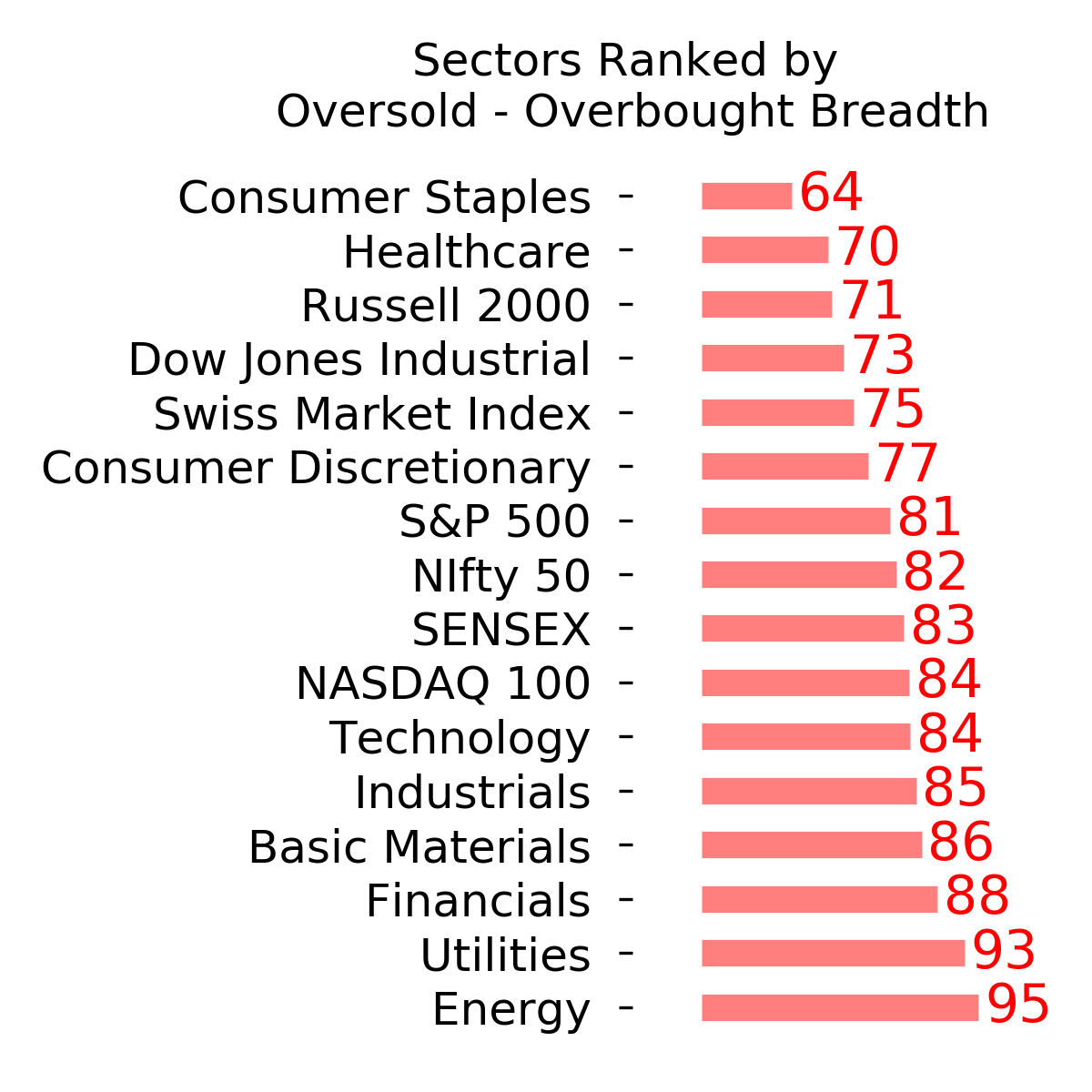
Ranks

Click here to view on the site (Ranks tab on the Dashboard).

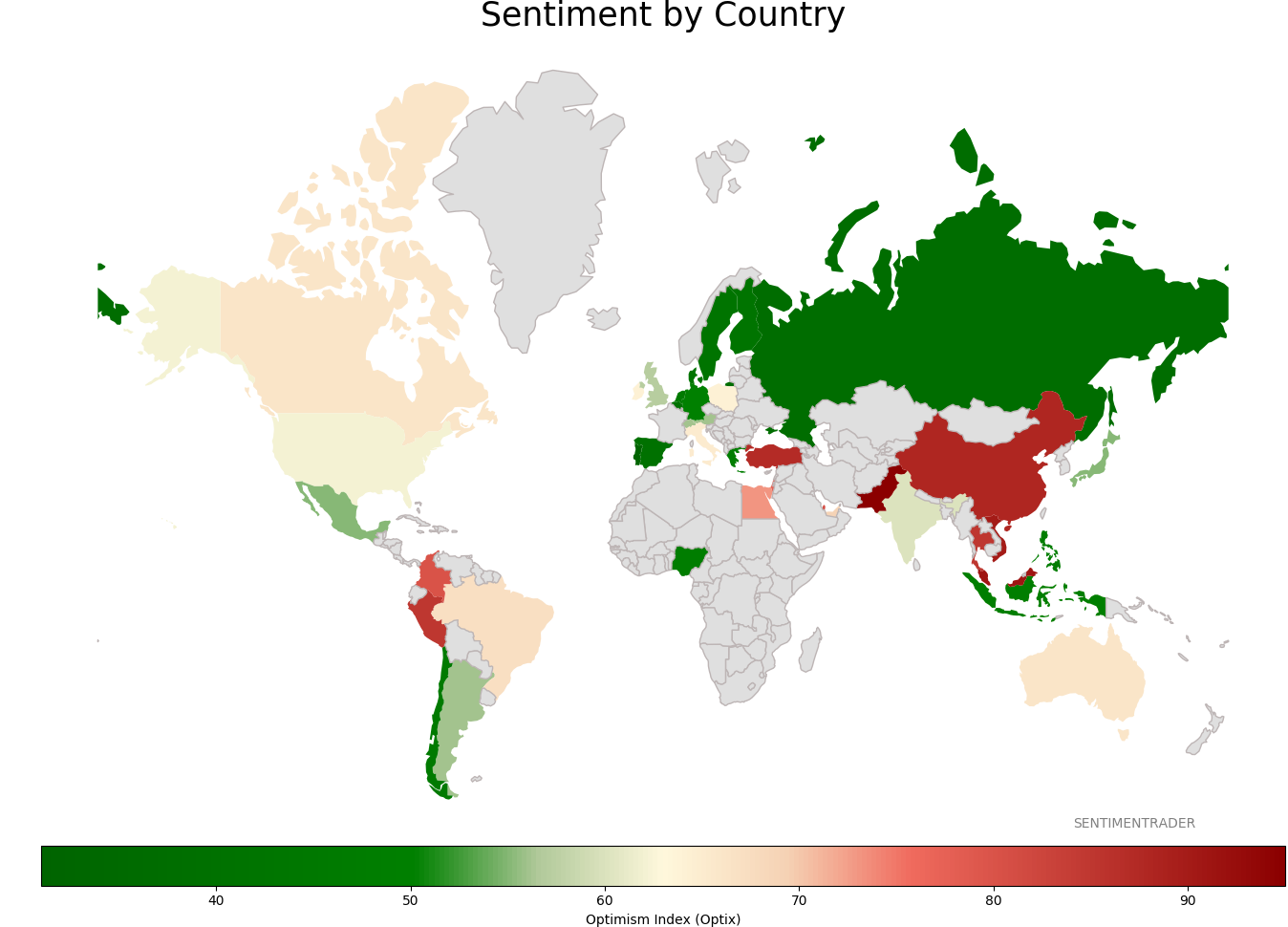
Sentiment Around The World

Click here to view on the site.

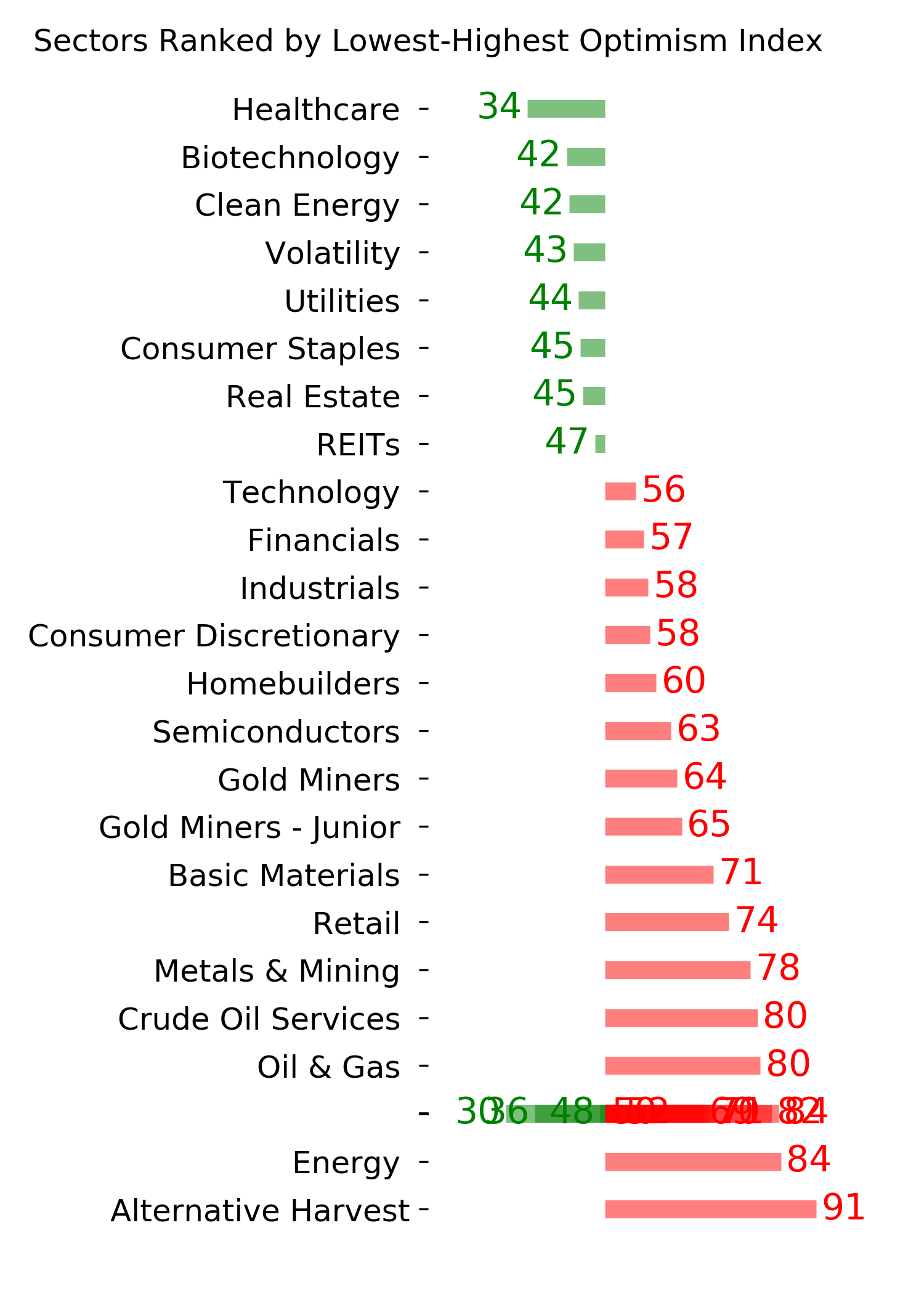
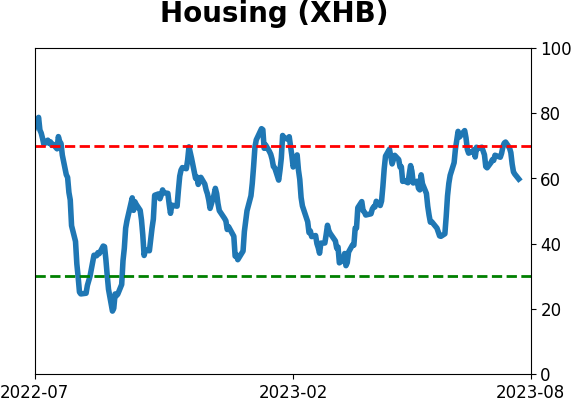
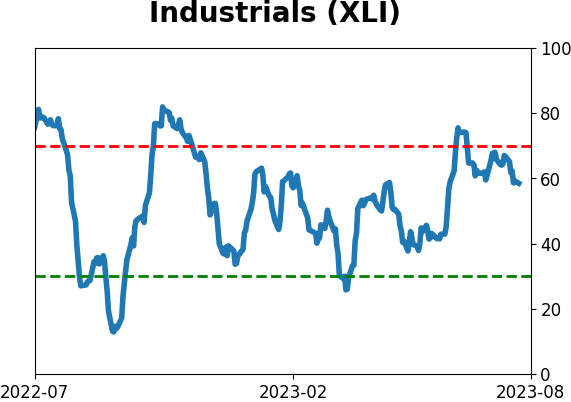
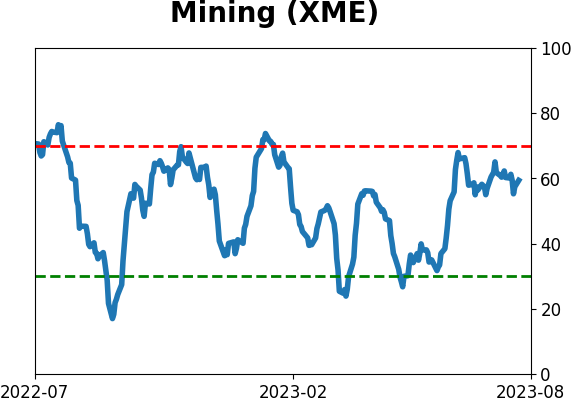
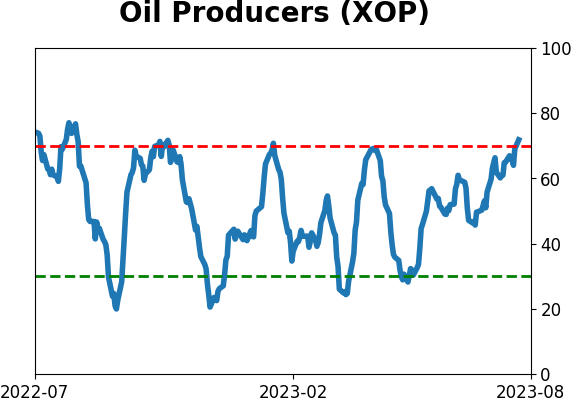
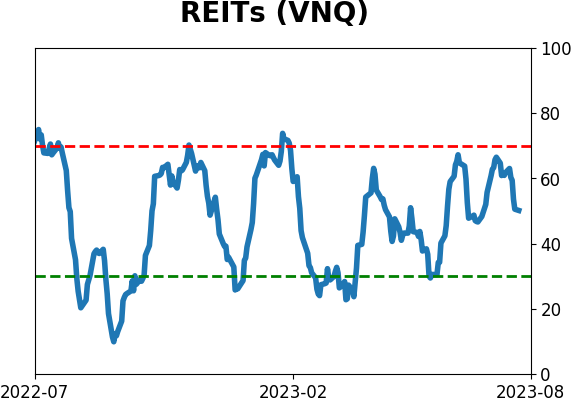
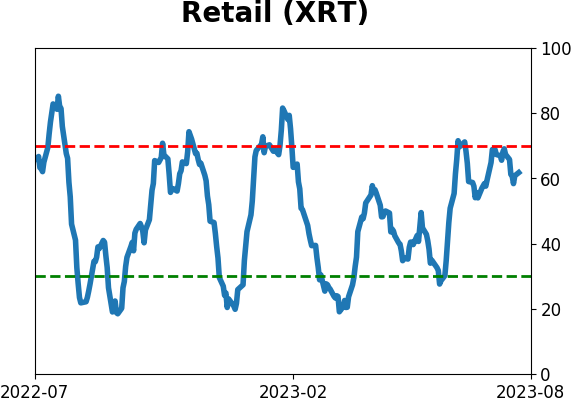
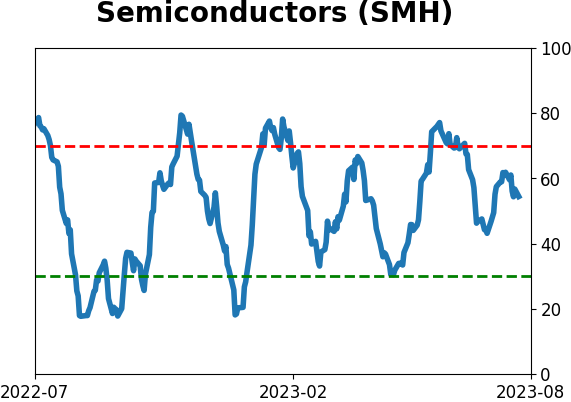
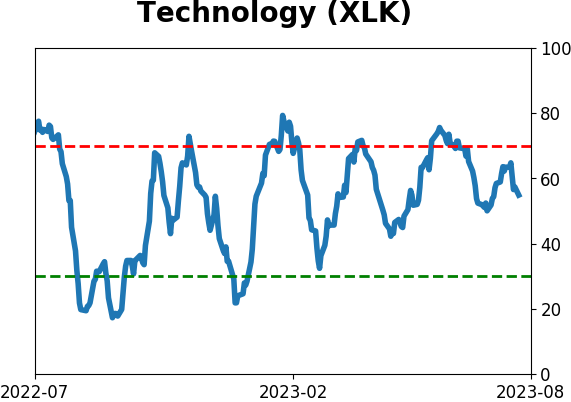
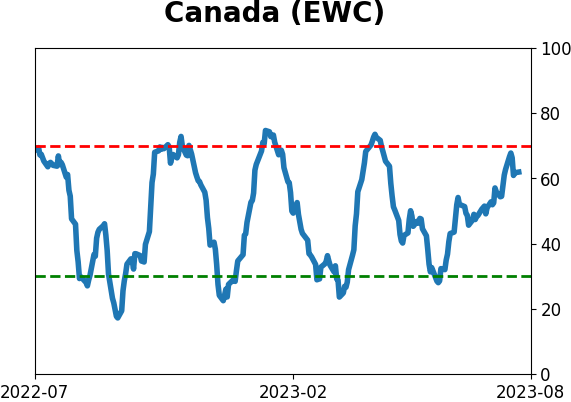
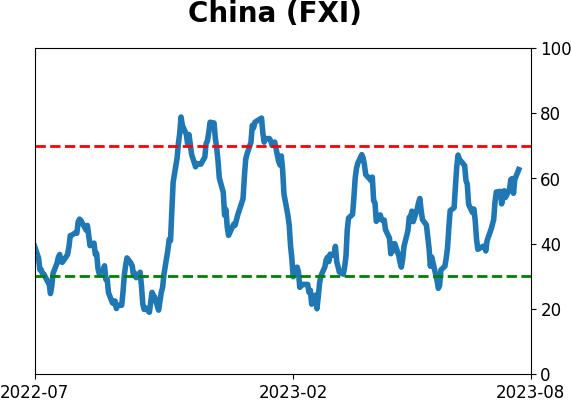
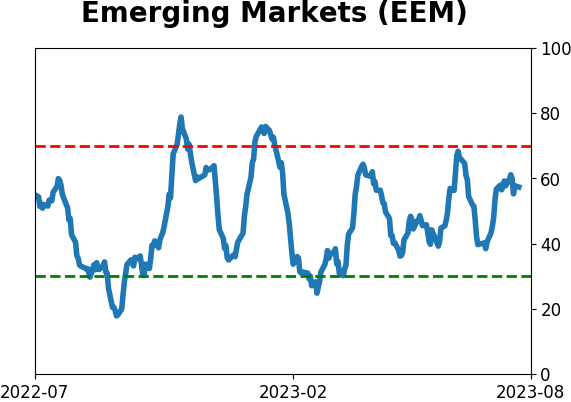
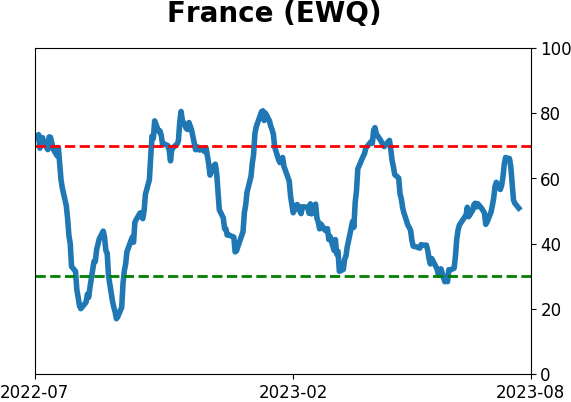
Optimism Index Thumbnails

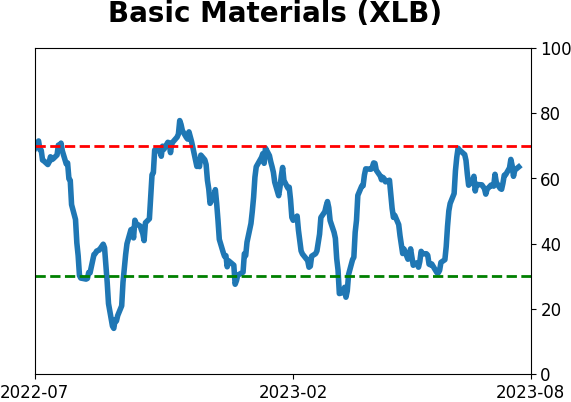
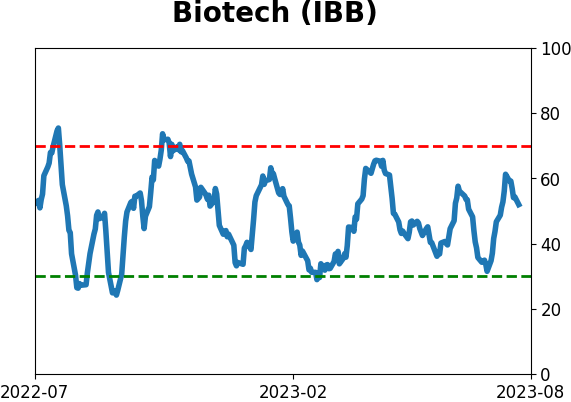
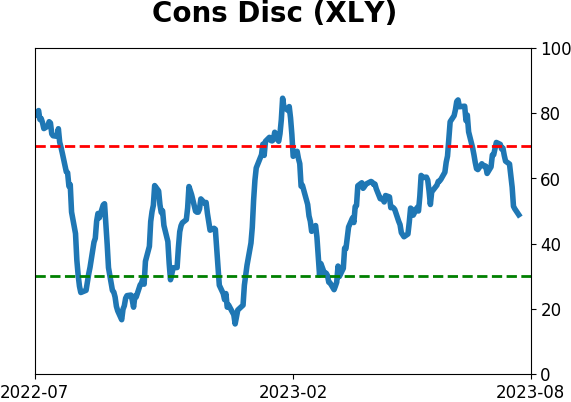
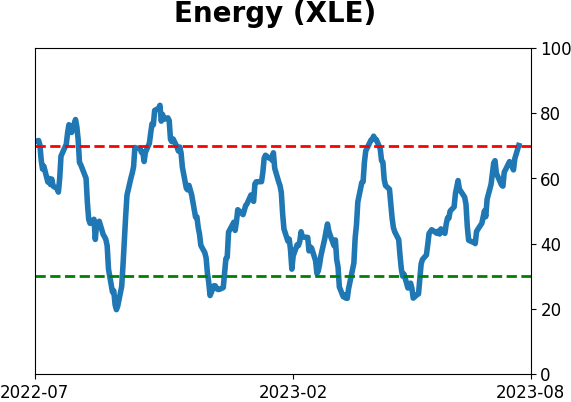
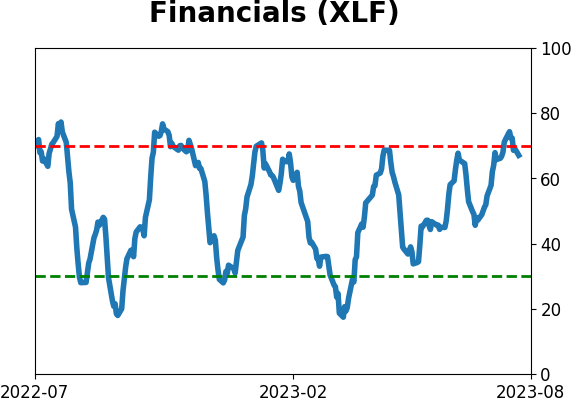
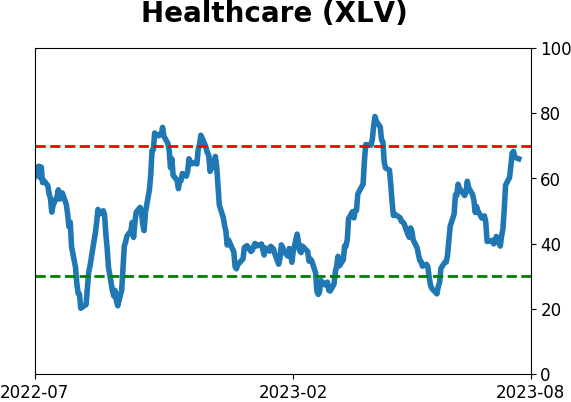
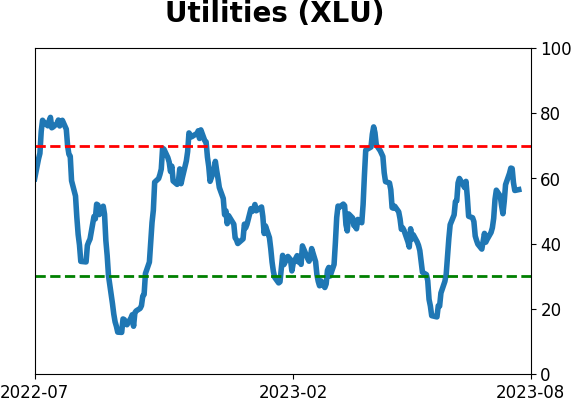
Sector ETF's - 10-Day Moving Average
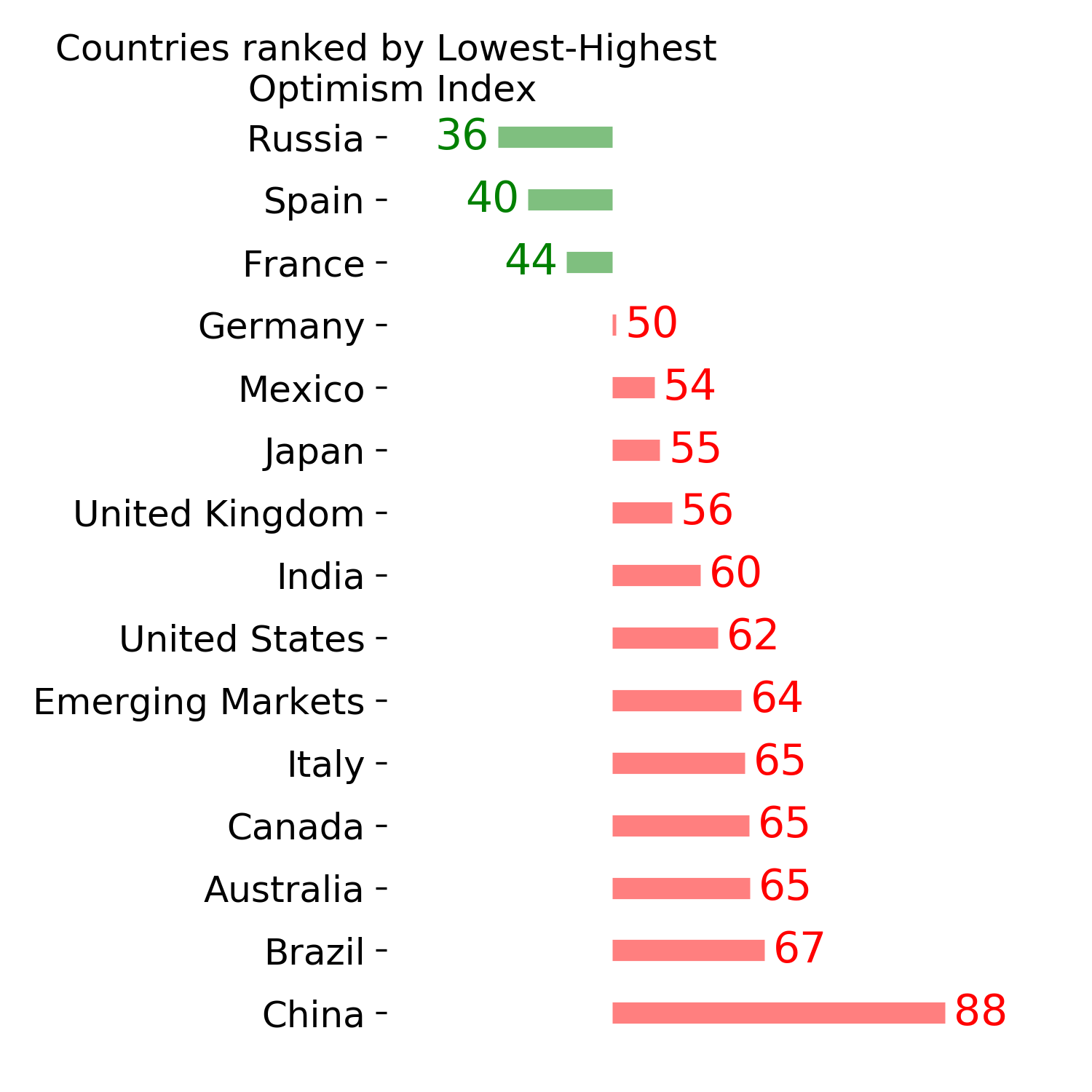
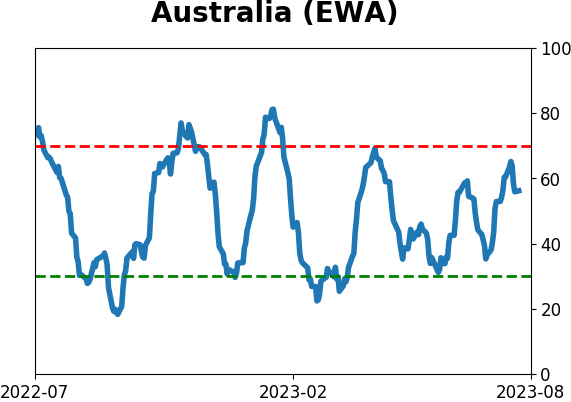
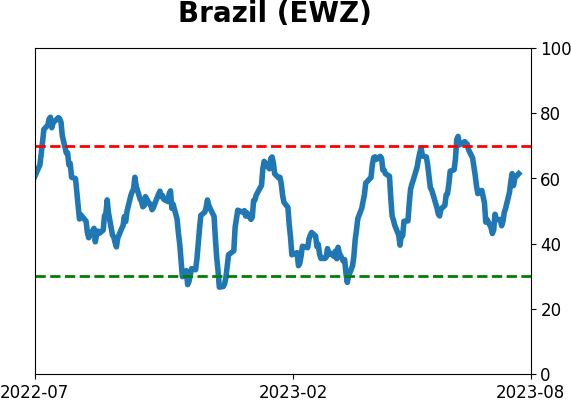
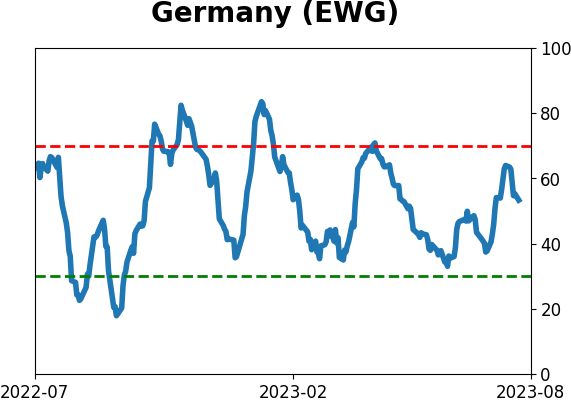
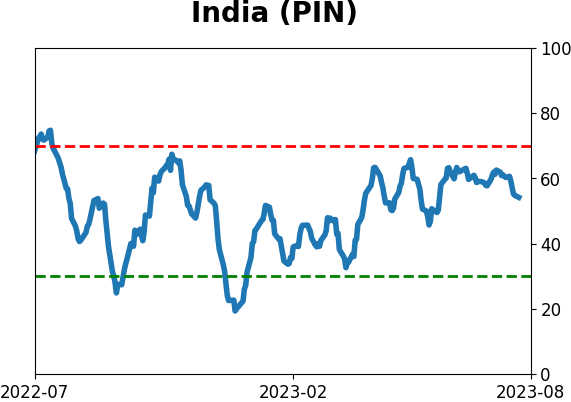
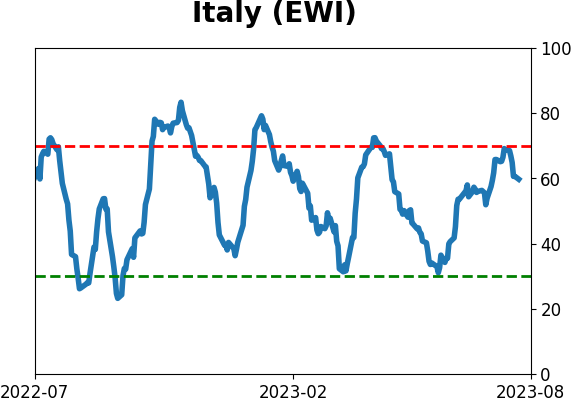
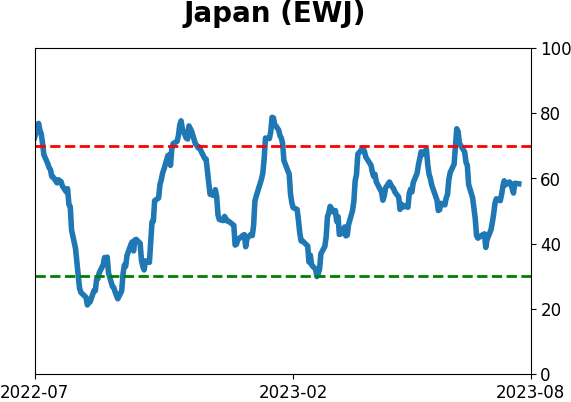
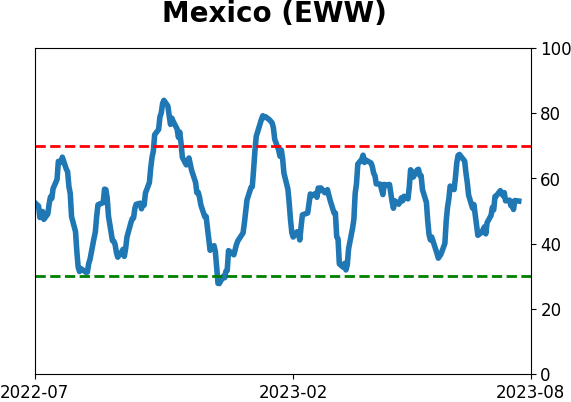
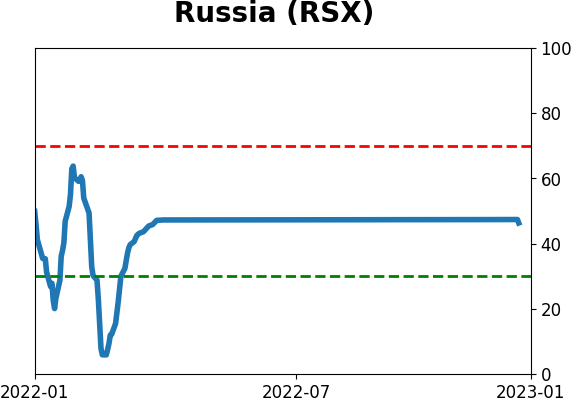
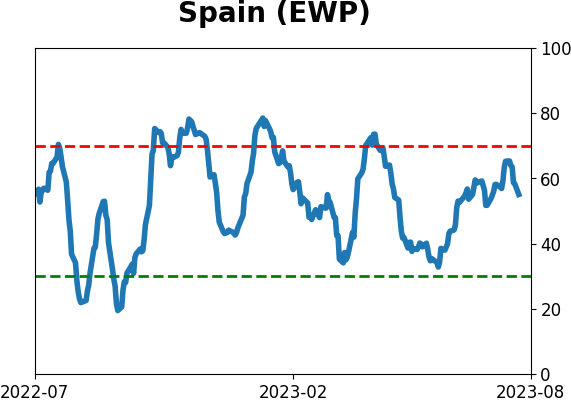
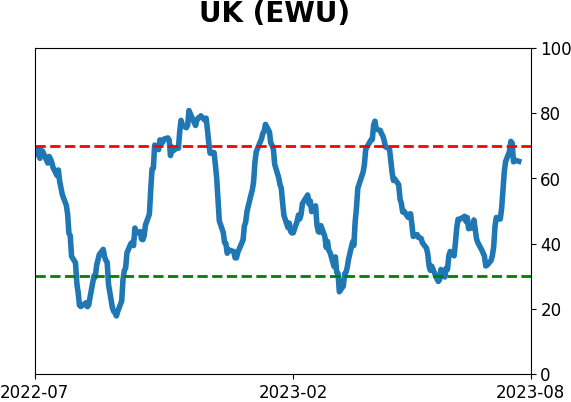
Country ETF's - 10-Day Moving Average
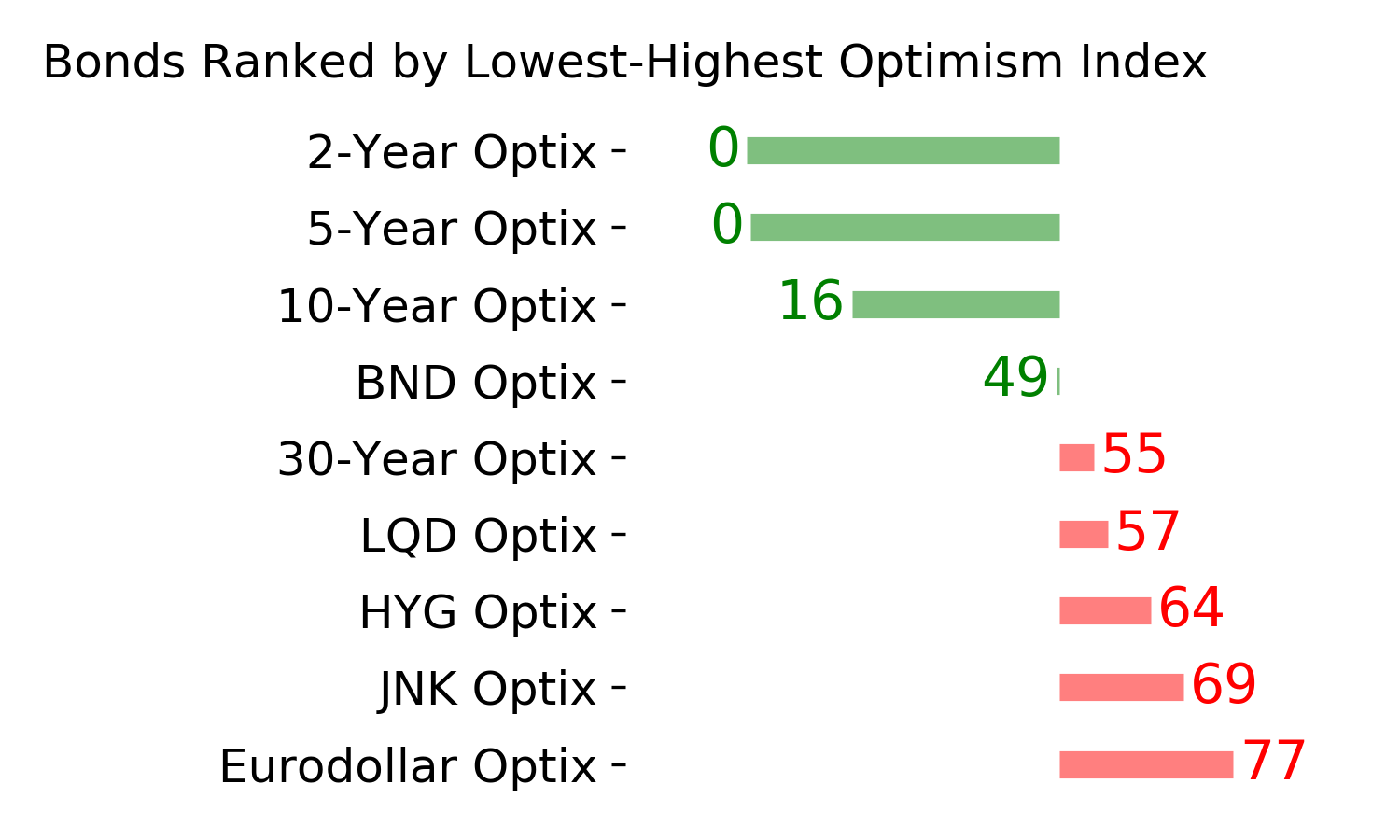
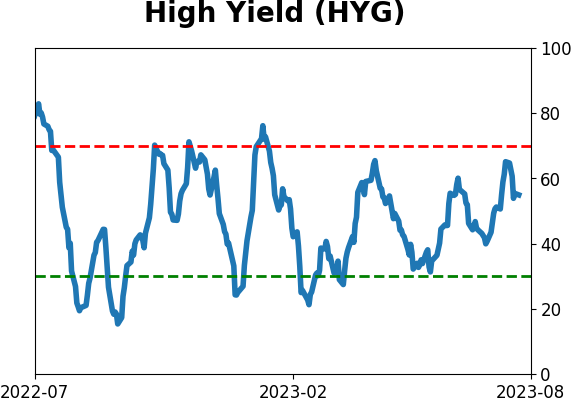
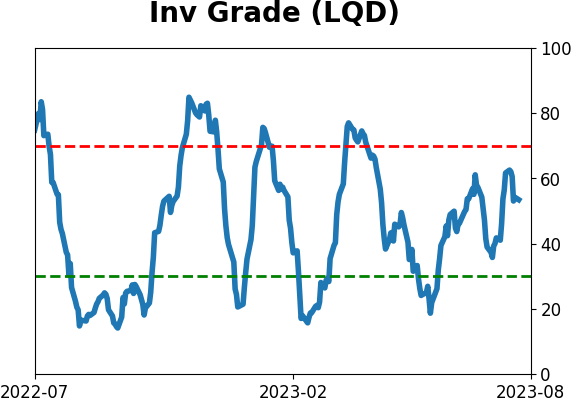
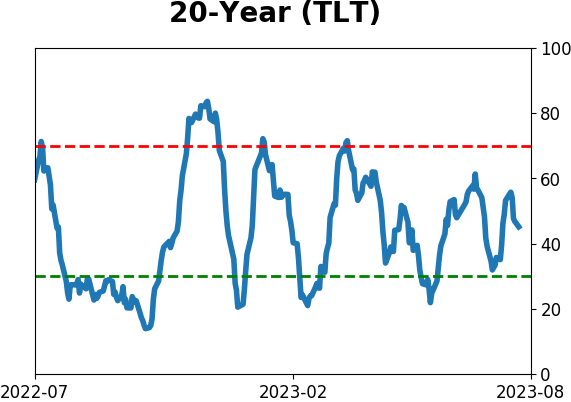
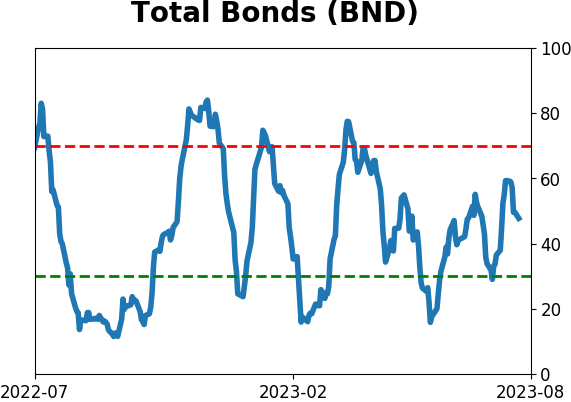
Bond ETF's - 10-Day Moving Average
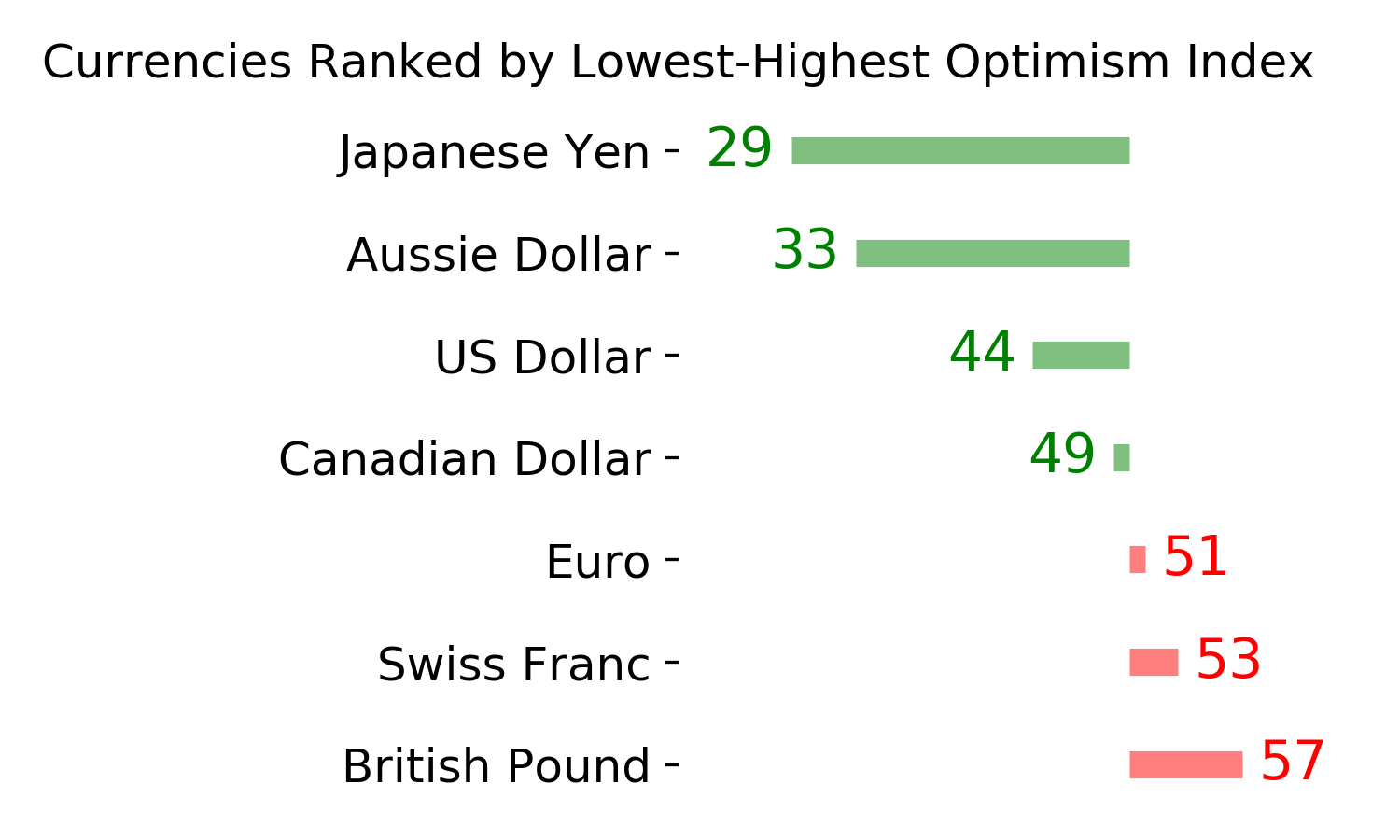
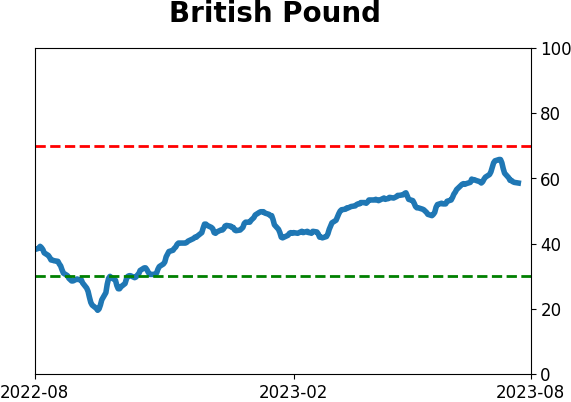
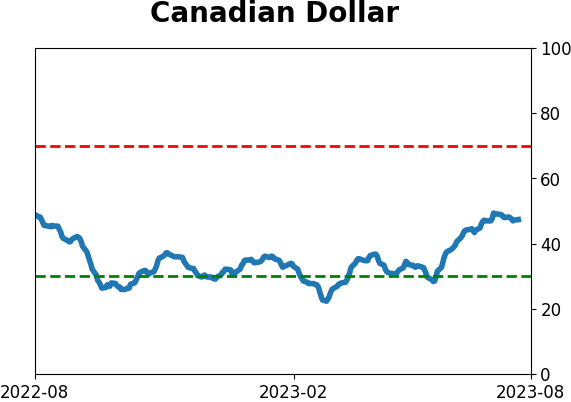
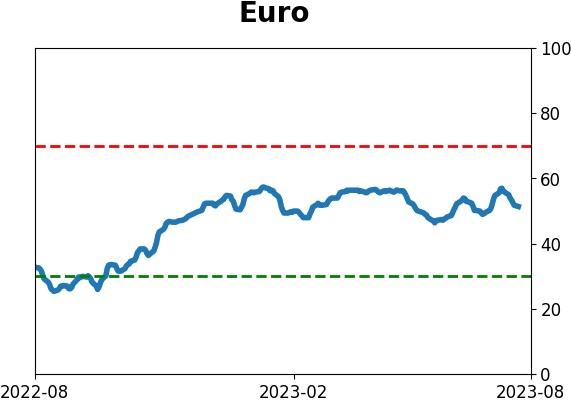
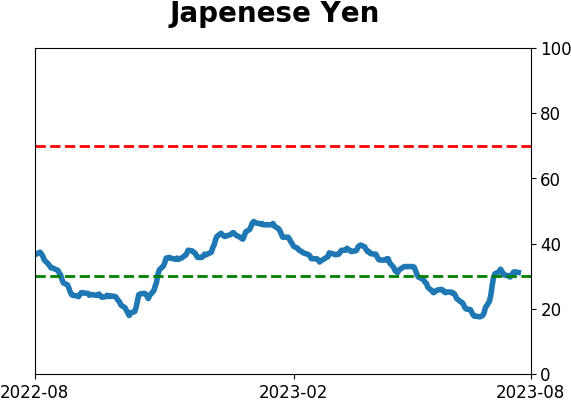
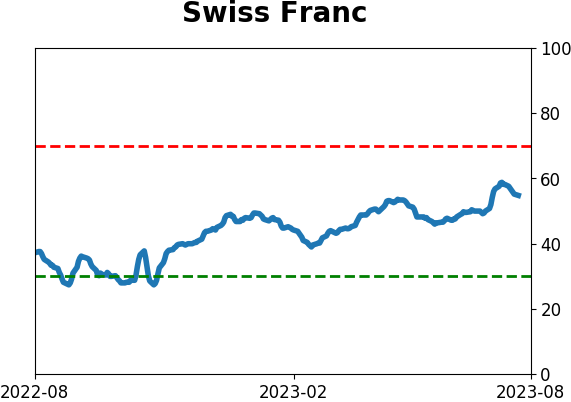
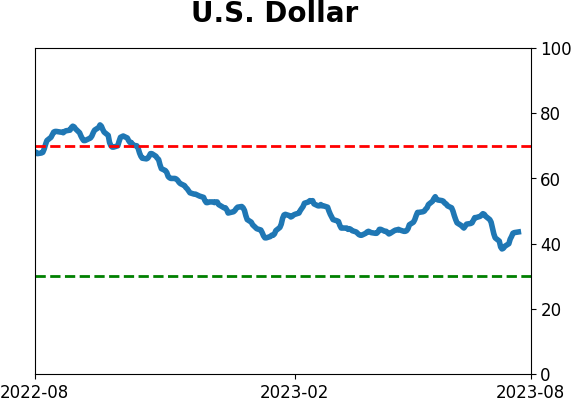
Currency ETF's - 5-Day Moving Average
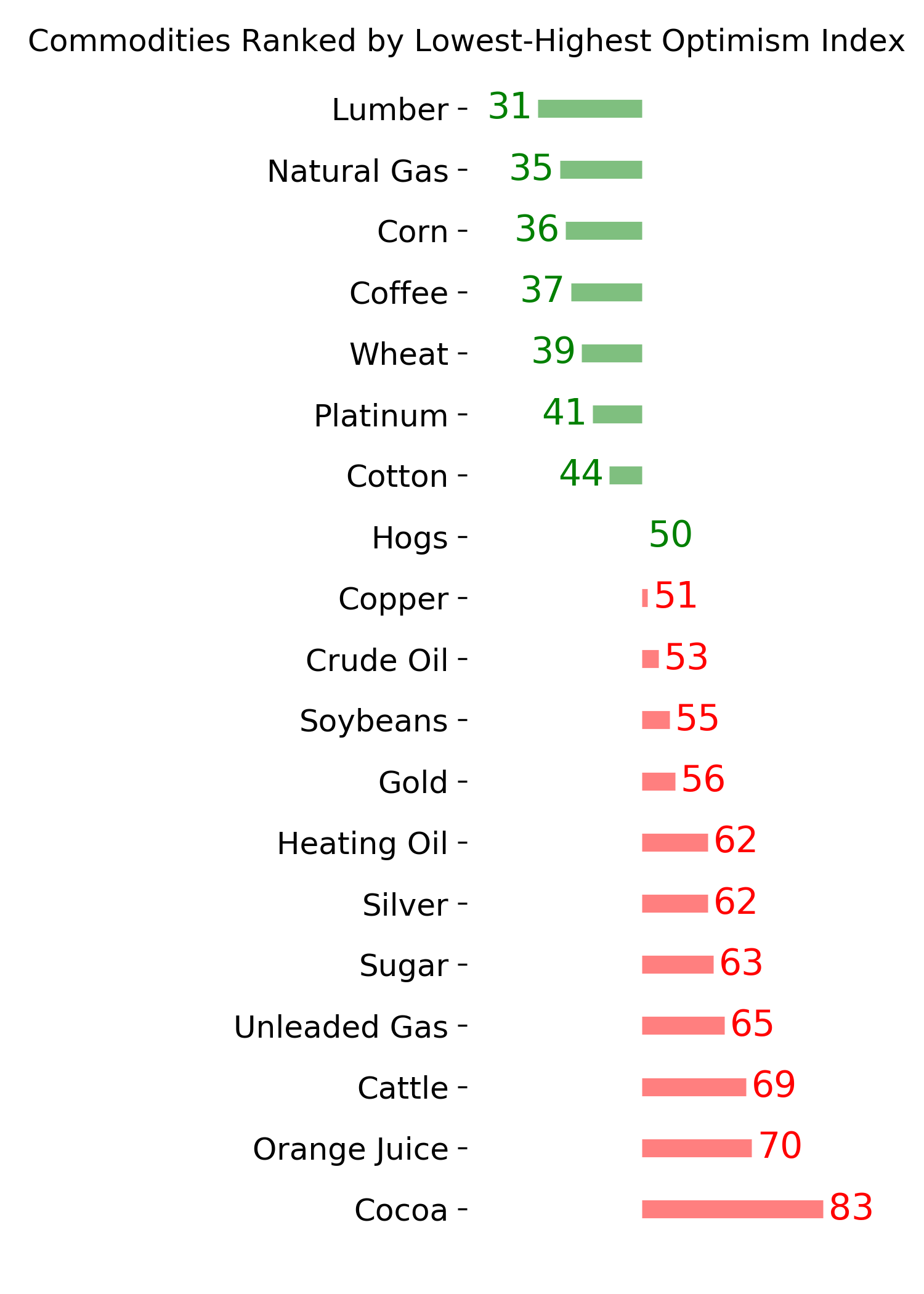
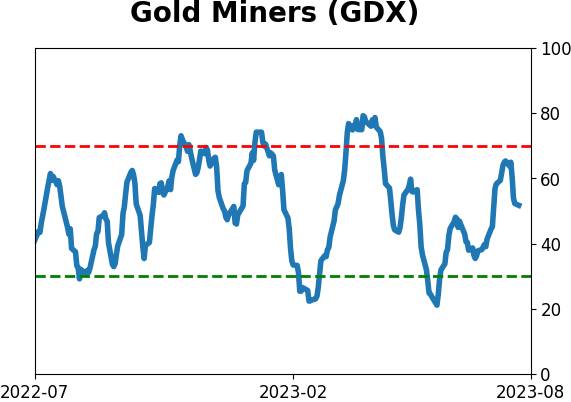
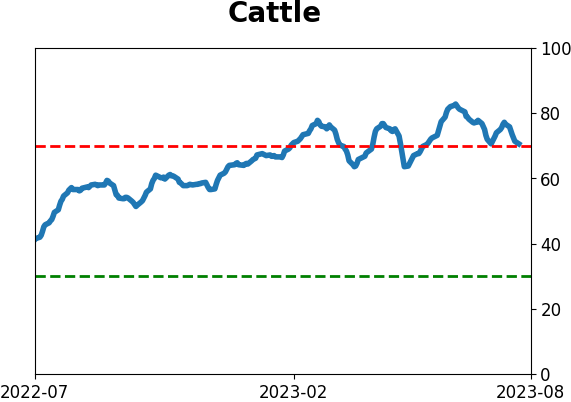
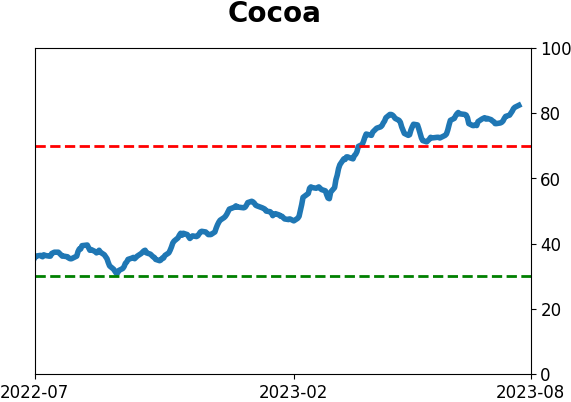
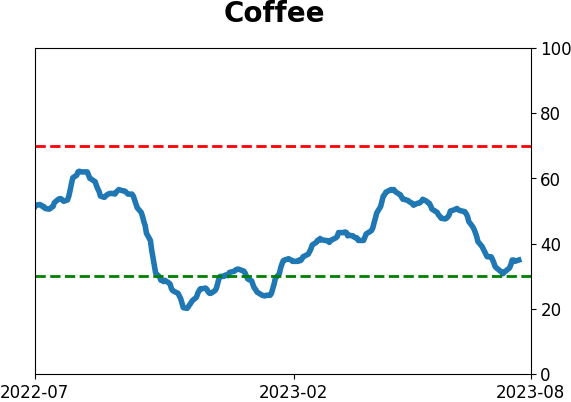
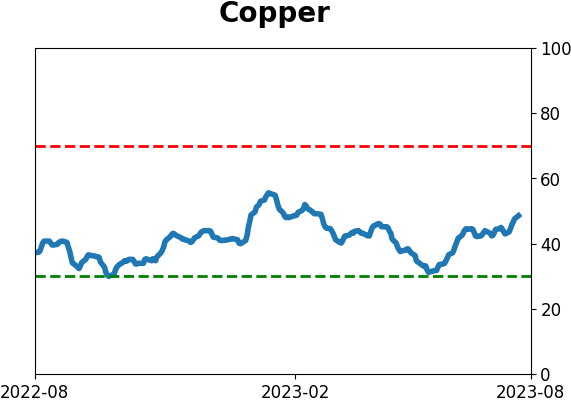
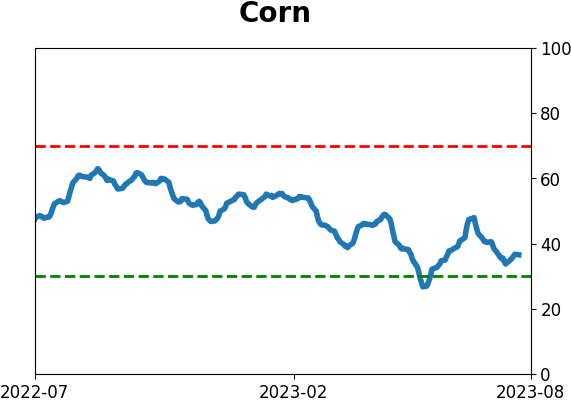
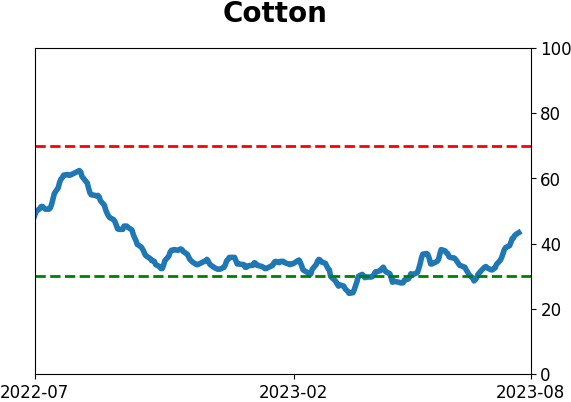
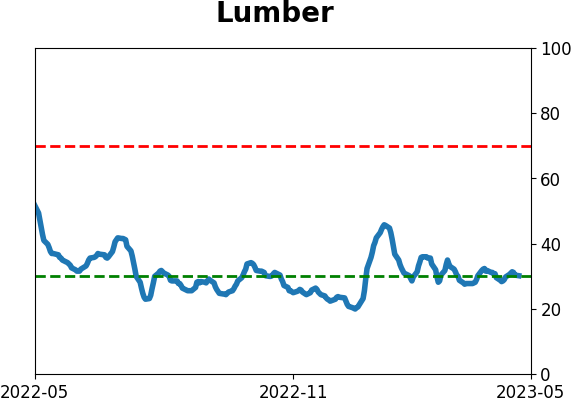
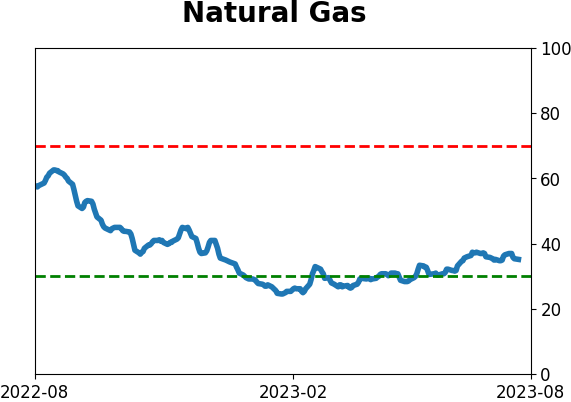
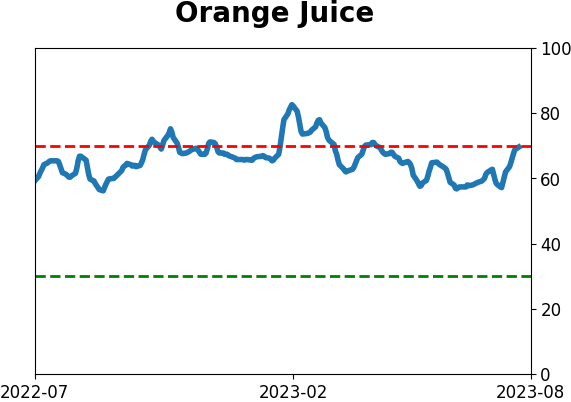
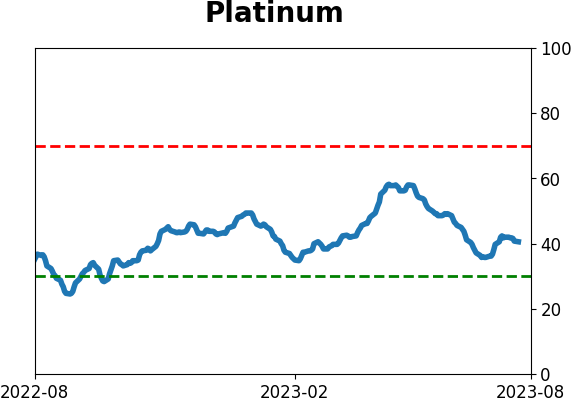
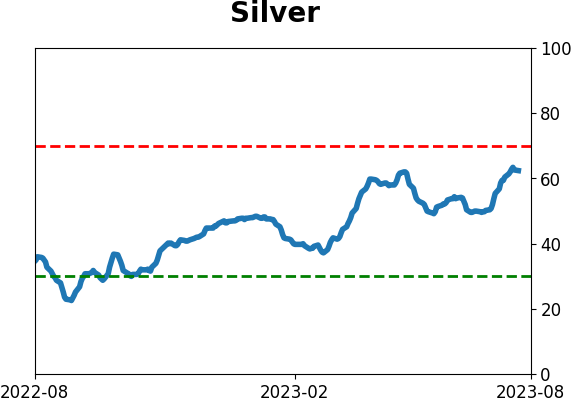
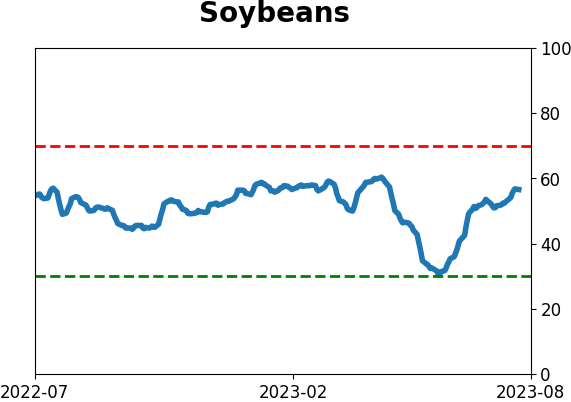
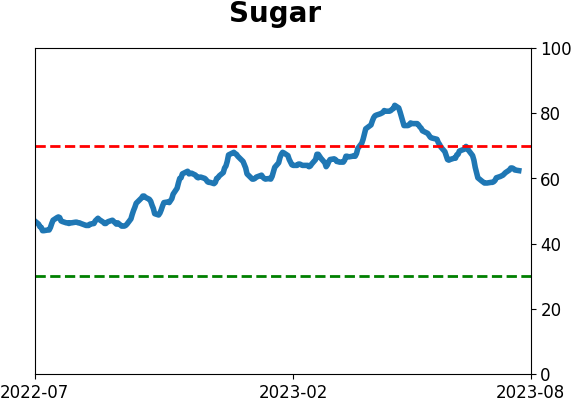
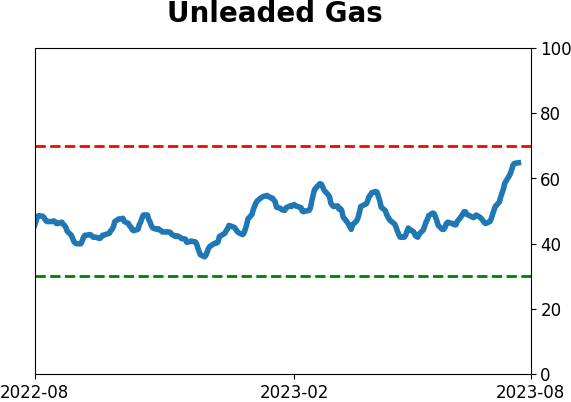
Commodity ETF's - 5-Day Moving Average
PRODUCTS
SentimenTrader
Trading Tools
Indicators & Data API
‍
Strategies & Scanner
‍
Research Reports
FREE
RESOUrCES
Simple Backtest
Calculator
Simple Seasonality
Calculator
The Kelly Criterion
Calculator
Sentiment Geo Map
‍
Public Research Reports
‍
Education
Sentiment Indicators
‍
Technical Indicators
‍
Pricing
Bundle pricing
‍
FAQ
‍
Announcements
‍
COMPANY
‍
About
‍
In the News
‍
Testimonials
‍
Client Success Stories
CONTACT
‍
General Inquiries
‍
Media Inquiries
‍
Financial Professionals Inquiries
‍
© 2026 Sundial Capital Research Inc. All rights reserved.
Setsail Marketing
TermsPrivacyAffiliate Program
Risk Disclosure: The information and tools provided are for research and analytical purposes only and are not intended as investment advice. Market analysis involves uncertainty, and outcomes may differ from expectations. Users should conduct their own due diligence and consider their individual circumstances before making any financial decisions. Past performance is not necessarily indicative of future results.

Hypothetical Performance Disclosure: Hypothetical performance results have many inherent limitations, some of which are described below. No representation is being made that any account will or is likely to achieve profits or losses similar to those shown; in fact, there are frequently sharp differences between hypothetical performance results and the actual results subsequently achieved by any particular trading program. One of the limitations of hypothetical performance results is that they are generally prepared with the benefit of hindsight. In addition, hypothetical trading does not involve financial risk, and no hypothetical trading record can completely account for the impact of financial risk of actual trading. for example, the ability to withstand losses or to adhere to a particular trading program in spite of trading losses are material points which can also adversely affect actual trading results. There are numerous other factors related to the markets in general or to the implementation of any specific trading program which cannot be fully accounted for in the preparation of hypothetical performance results and all which can adversely affect trading results.

Testimonial Disclosure: Testimonials appearing on this website may not be representative of other clients or customers and is not a guarantee of future performance or success.