Products
SentimenTrader Trading Tools
‍
Backtest Engine
My Trading Toolkit
Correlation Analysis
Seasonality
Market Prediction
Indicators & Data API
‍
Proprietary Indicators & Charts
Market Data API
Strategies & Scanner
‍
50+ Trading Strategies
Smart Stock Scanner
Smart Option Scanner
Research Reports
‍
Research Solutions
Reports Library
Free Resources
Simple Backtest Calculator
Simple Seasonality Calculator
The Kelly Criterion Calculator
Sentiment Geo Map
Public Research Reports
Education
Sentiment Indicators
Technical Indicators
Pricing
Company
About
In the News
Testimonials
Client Success Stories
Contact
Log inLoginSign up
< BACK TO ALL REPORTS

Daily Report : High beta stocks have soared relative to their staid cousins

Jason Goepfert
2023-07-26
Over the past year, High Beta stocks have soared relative to Low Volatility ones, outperforming by more than 30%. Such wide disparities between the two sectors have preceded gains in the S&P 500 over the next six to twelve months every time.
View/Print a PDF version of this Report

Headlines


High beta stocks have soared relative to their staid cousins: Over the past year, High Beta stocks have soared relative to Low Volatility ones, outperforming by more than 30%. Such wide disparities between the two sectors have preceded gains in the S&P 500 over the next six to twelve months every time.

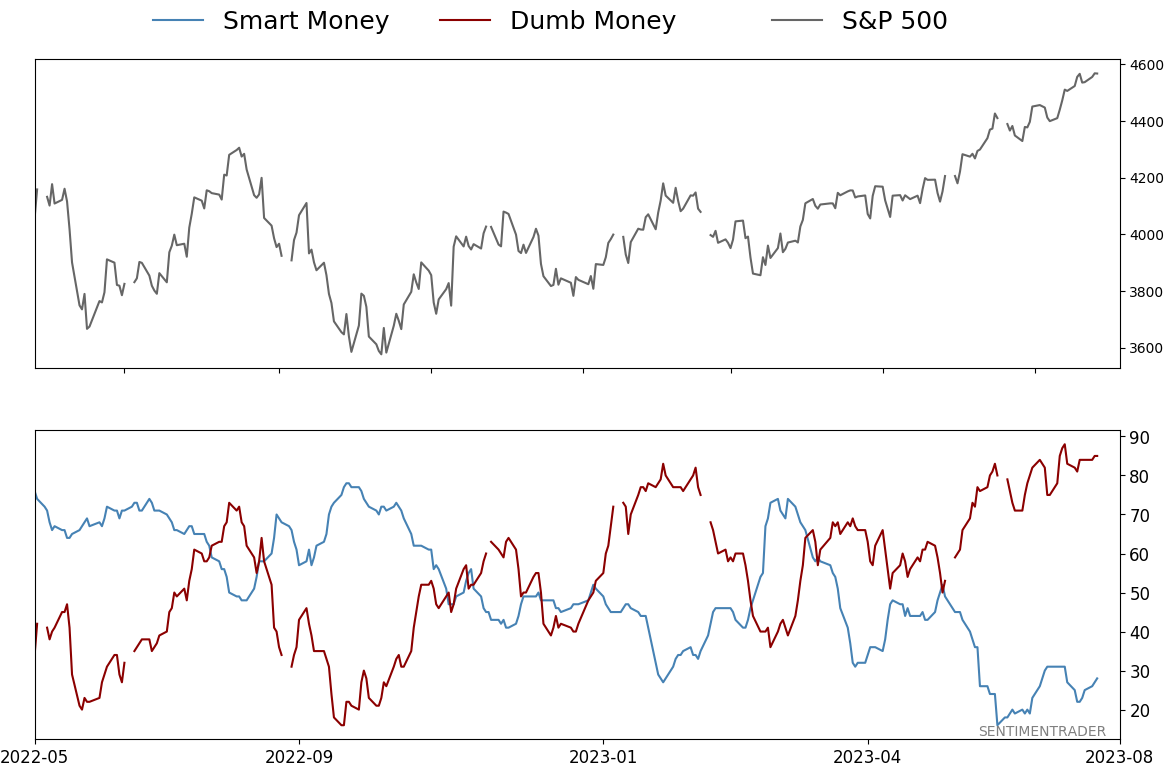
Smart / Dumb Money Confidence

Smart Money Confidence: 28% Dumb Money Confidence: 85%

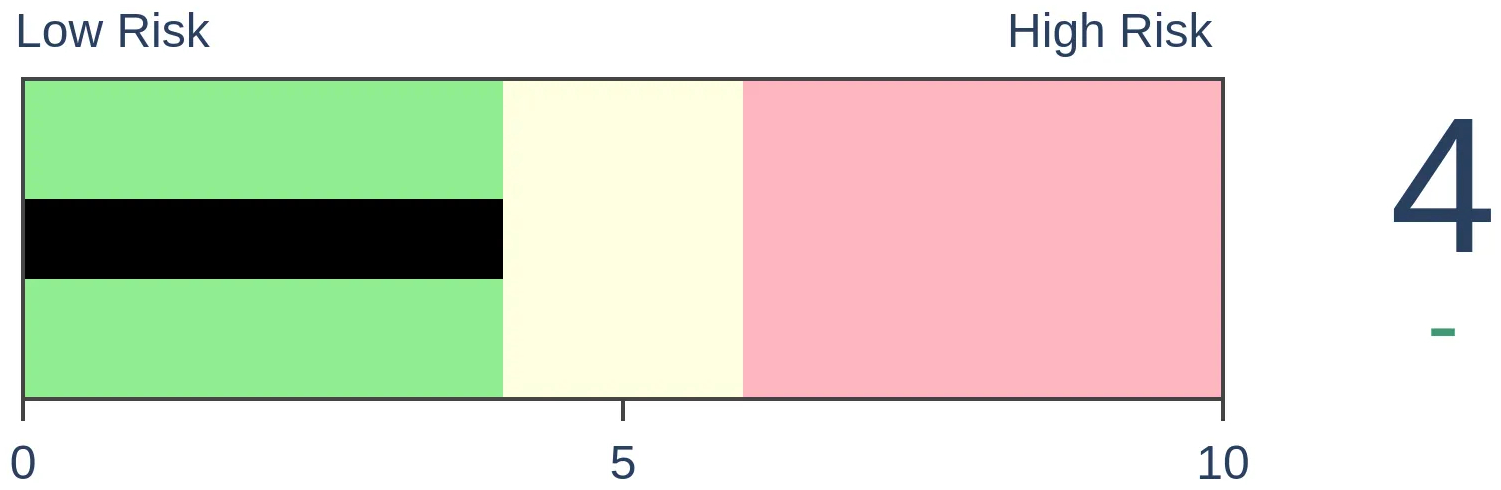
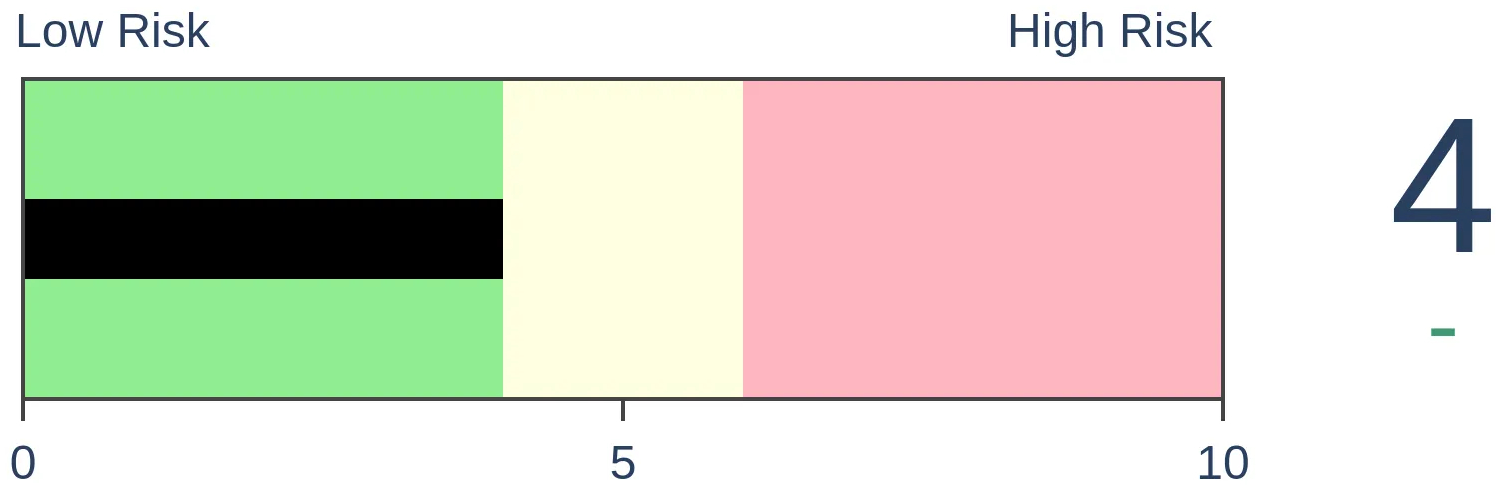
Risk Levels

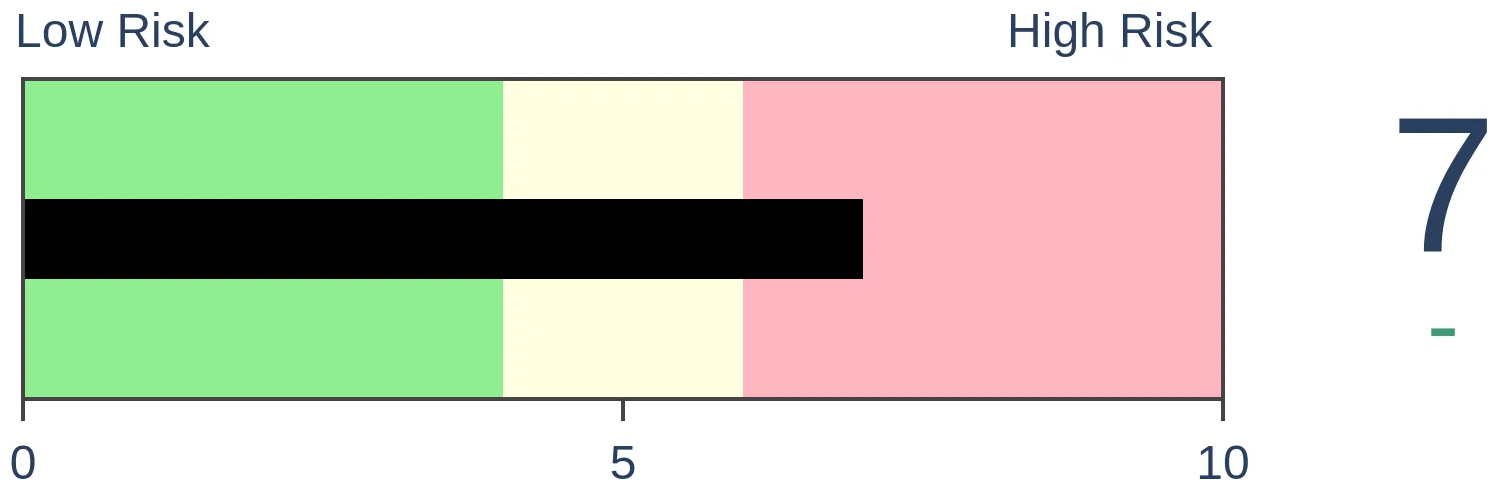
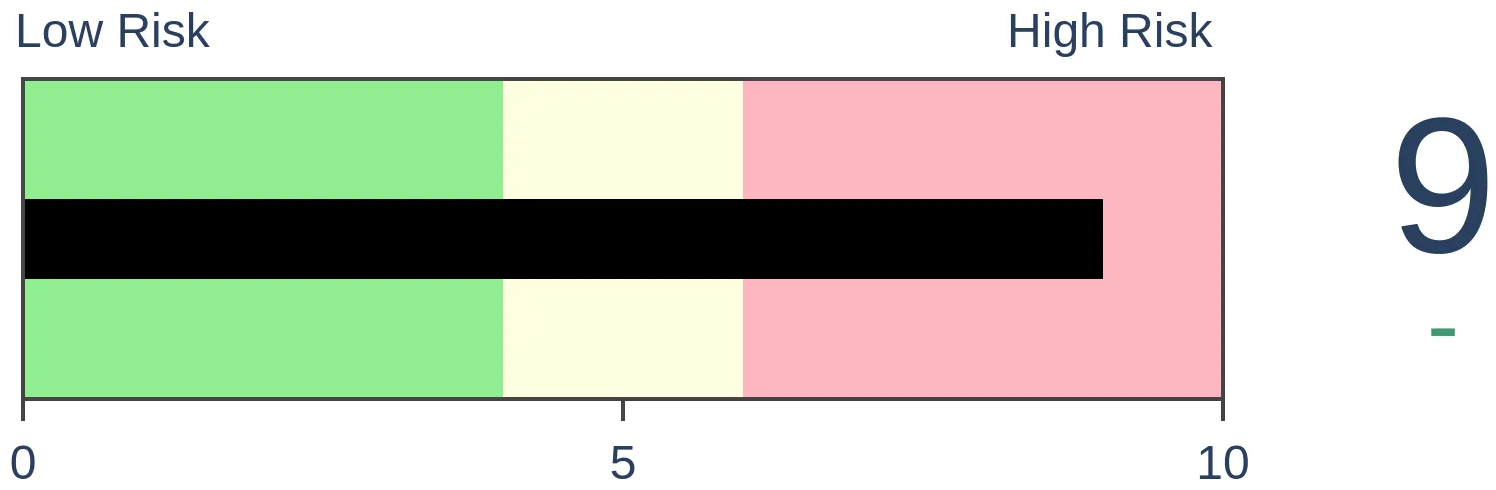
Stocks Short-Term

Stocks Medium-Term

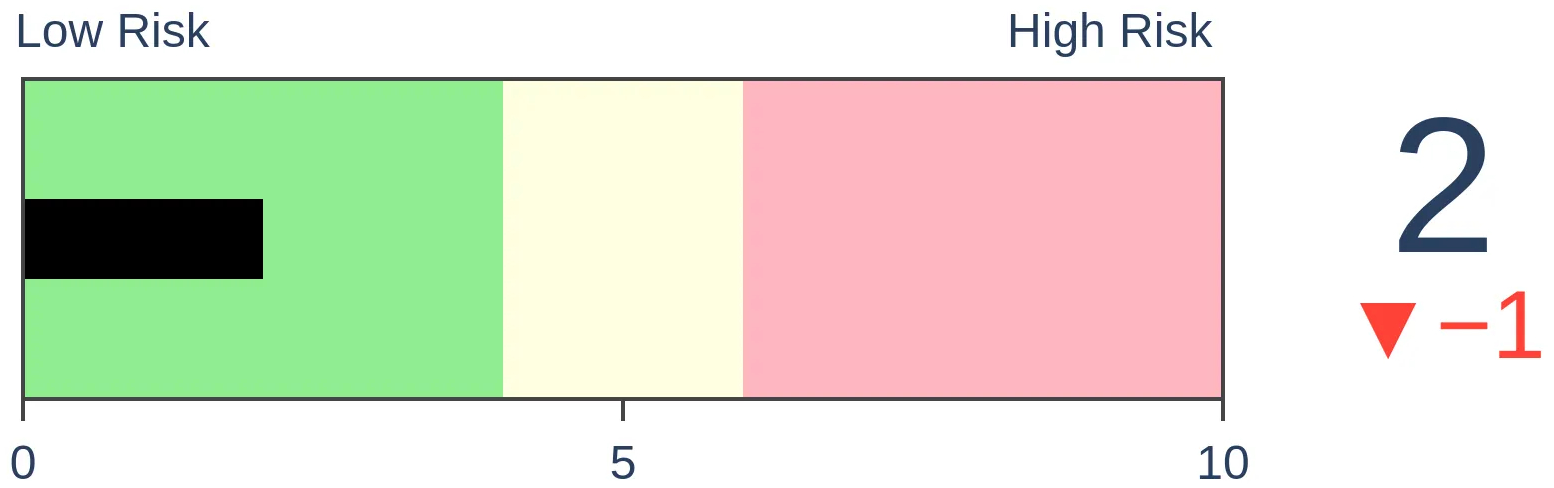
Bonds

Crude Oil

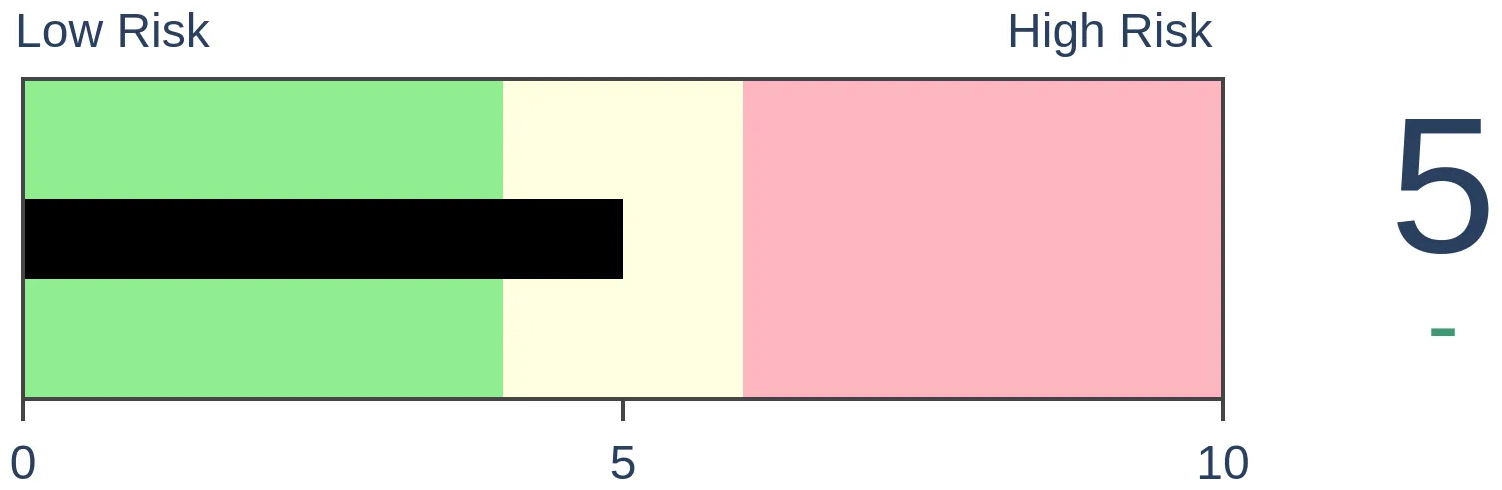
Gold

Agriculture

Research

High beta stocks have soared relative to their staid cousins

By Jason Goepfert

BOTTOM LINE
Over the past year, High Beta stocks have soared relative to Low Volatility ones, outperforming by more than 30%. Such wide disparities between the two sectors have preceded gains in the S&P 500 over the next six to twelve months every time.

FORECAST / TIMEFRAME
None

Key points:

  • High Beta stocks have outperformed Low Volatility stocks by more than 30% over the past year
  • While it's a wide spread, it has blown out much more during bear market recoveries
  • High spreads between the two factors preceded gains in the S&P 500 every time

High Beta stocks have roared ahead of their staid cousins

It's been a heckuva different year, depending on how much risk an investor has been willing to stomach. Those invested in higher-beta stocks that move more relative to the broader market have enjoyed spectacular gains. Those stuck in more staid movers are only about even.
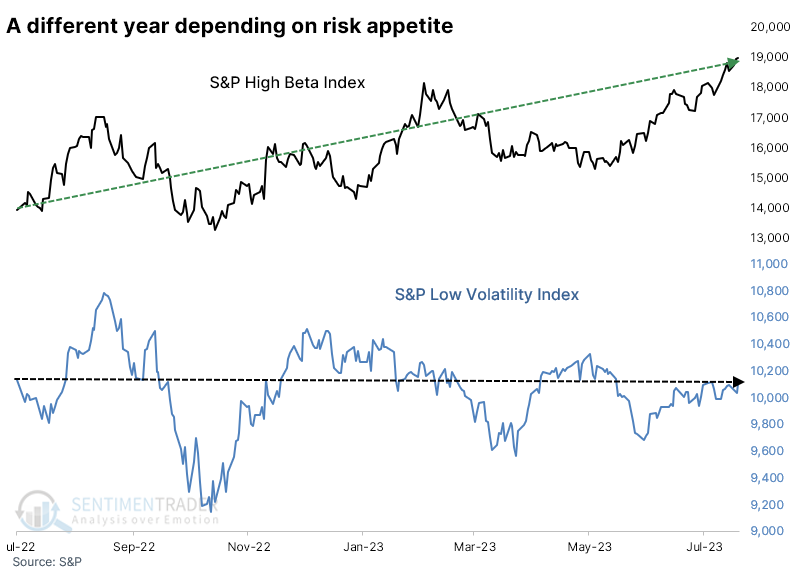
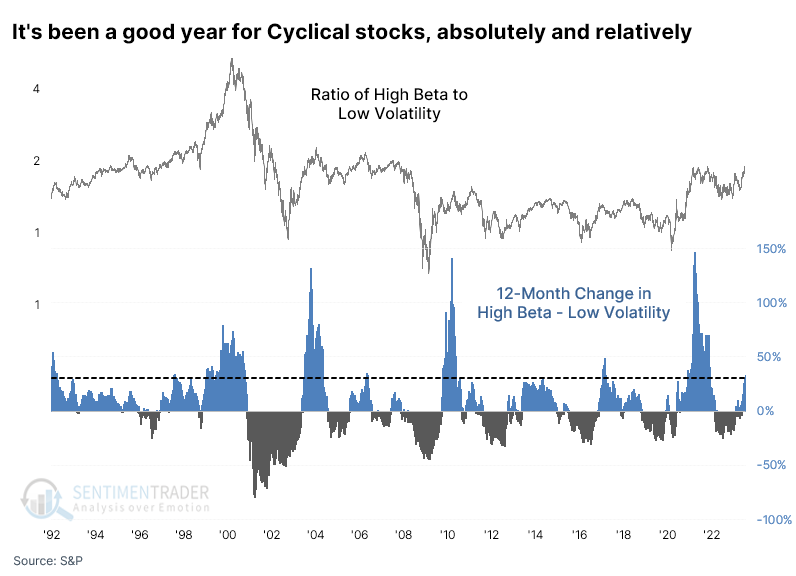
Over the past twelve months, High Beta stocks have outperformed Low Volatility ones by more than 30%. That's one of the most significant year/year spreads in more than 30 years. All the biggest spreads in performance came after protracted declines.
Big jumps in High Beta stocks led to gains for the broader market every time

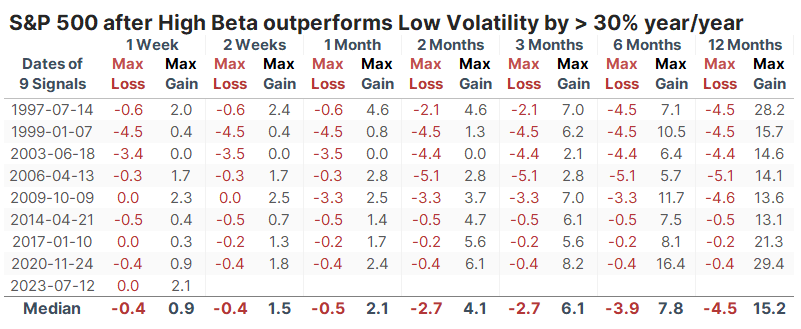
These big jumps in risk appetite were a great sign for the broader market. Over the next 6-12 months, the S&P 500 never showed a loss, with the usual caveats accompanying a tiny sample size.
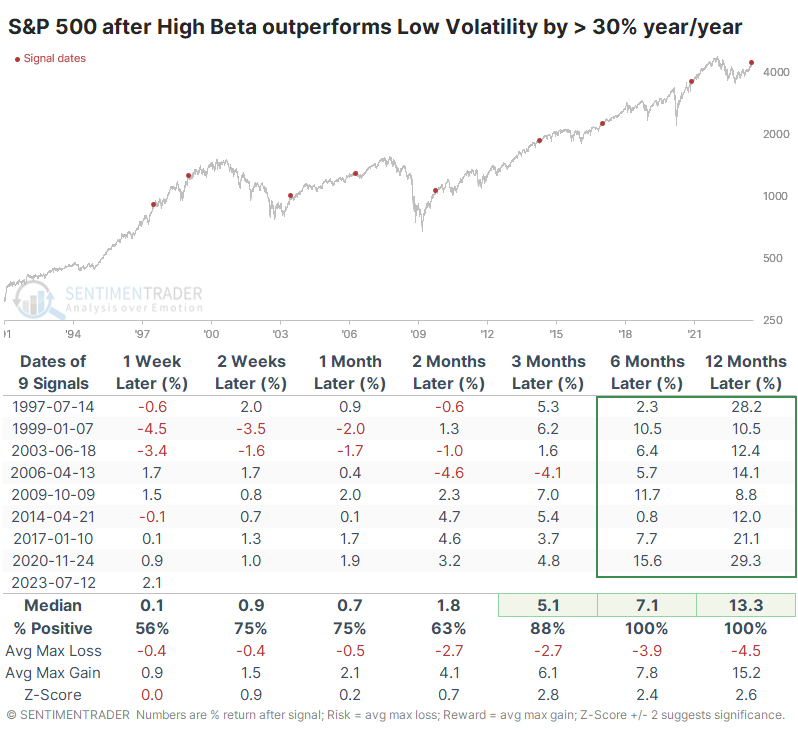
Risk was muted, with no losses of more than -5.1% at any point within the next 12 months, which is quite remarkable. At the same time, every signal enjoyed a double-digit gain at some point.
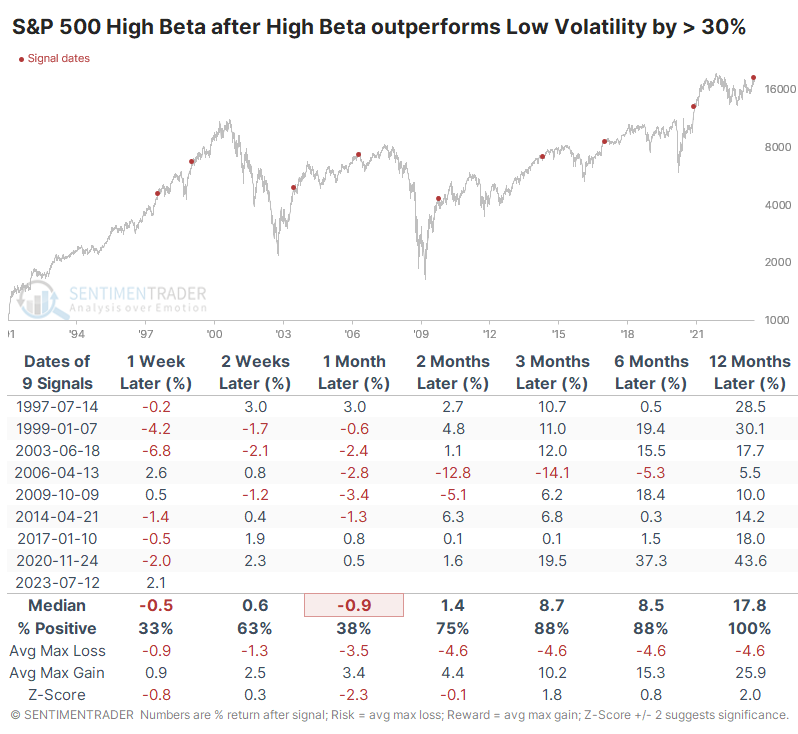
For High Beta stocks, the vast outperformance led to some shorter-term digestion but still impressive longer-term returns.
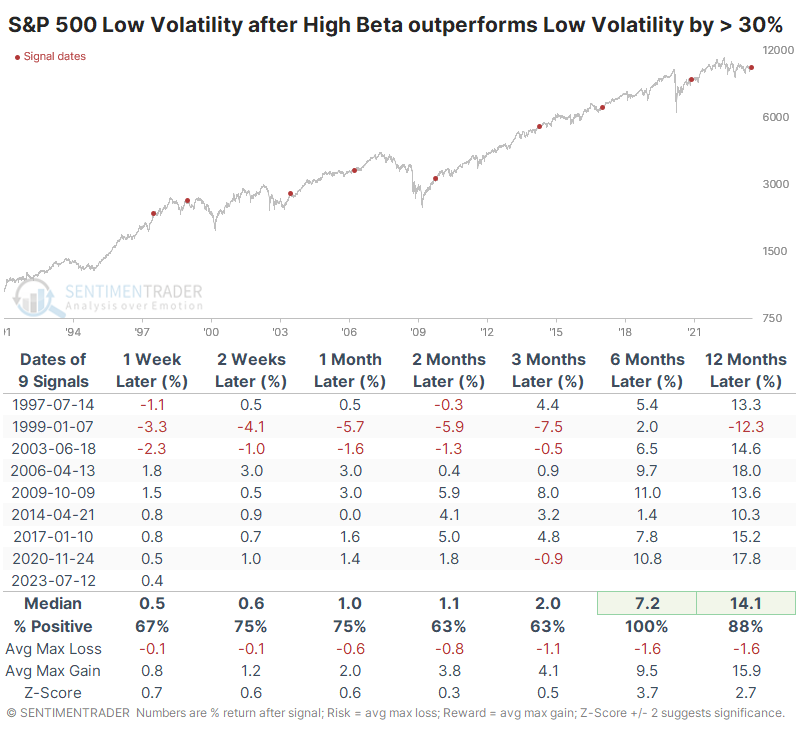
It was a relatively better sign for Low Volatility, with some evidence of mean reversion. Over the next month, High Beta stocks suffered five losses versus only two for Low Volatility. And the longer-term returns in the latter were more impressive relative to their base rate, though in the lead-up to the pricking of the internet bubble, these stocks suffered more.
What the research tells us...

When there is a big jump in riskier assets, knee-jerk contrarians always assume it's a bad sign. Sometimes it is. But when it comes after a prolonged bear market, it's the opposite.

We don't have a lot of history here, but when we look at similar performance of High Beta versus Low Volatility stocks when the former outperforms as much as it has, it has been an excellent sign for the broad market. High Beta stocks tend to be more volatile by definition, so longer-term returns in Low Volatility stocks tended to exhibit a better risk/reward ratio after behavior like we've seen over the past year.


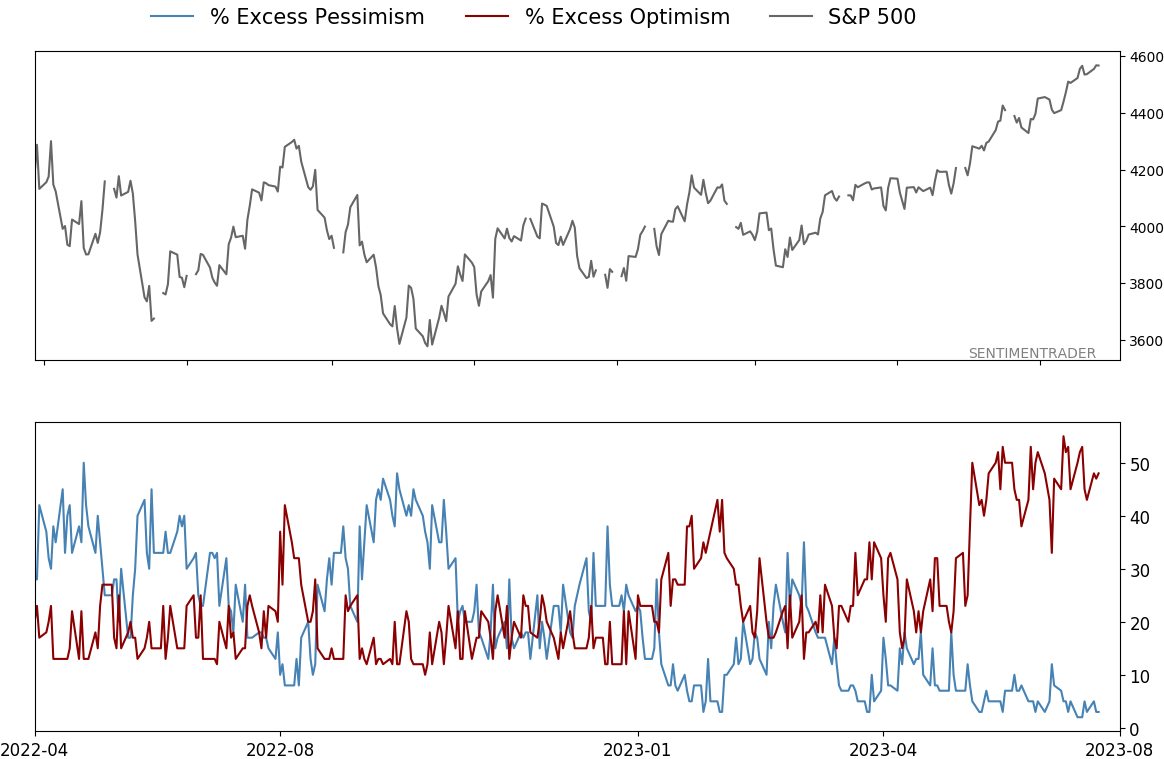
Indicators at Extremes

Click here to view on the site (% Extremes and "Excess" tabs on the dashboard).
% Showing Pessimism: 3%
Bullish for Stocks

Inverse ETF Volume
Mutual Fund Flow (no ETFs)
% Showing Optimism: 48%
Bearish for Stocks

Smart Money / Dumb Money Confidence Spread
ISE Call/Put Ratio
Smart Money Confidence
NYSE High/Low Ratio
Short-term Optimism Index (Optix)
ISE Equity Call/Put Ratio
Dumb Money Confidence
VIX
% Showing Excess Pessimism
% Showing Excess Optimism
Intermediate Term Optimism Index (Optix)
VIX Term Structure
AIM (Advisor and Investor Model)
Rydex Sector Breadth
Rydex Money Market %
Rydex Ratio
SKEW Index
Equity Put/Call Ratio De-Trended
Retail Money Market Ratio
Equity Hedging Index
Options Speculation Index
NAAIM Exposure Index
Risk Appetite Index
AAII Bull Ratio
AAII Allocation - Stocks
NYSE Available Cash
Equity / Money Market Asset Ratio
Mutual Fund Cash Level
VIX Transform

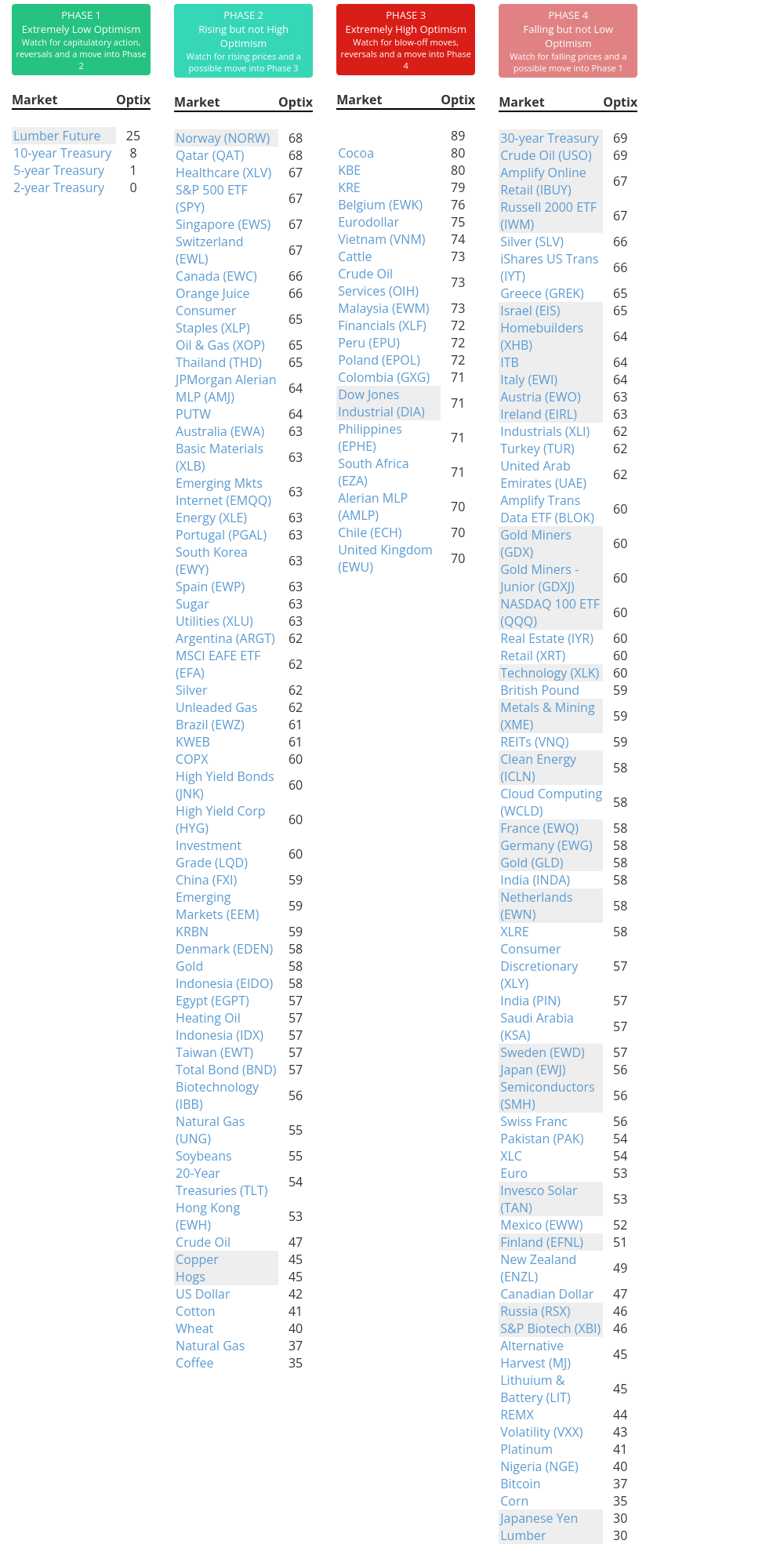
Phase Table

Click here to view the Phase Table on the site.

Ranks

Click here to view on the site (Ranks tab on the Dashboard).

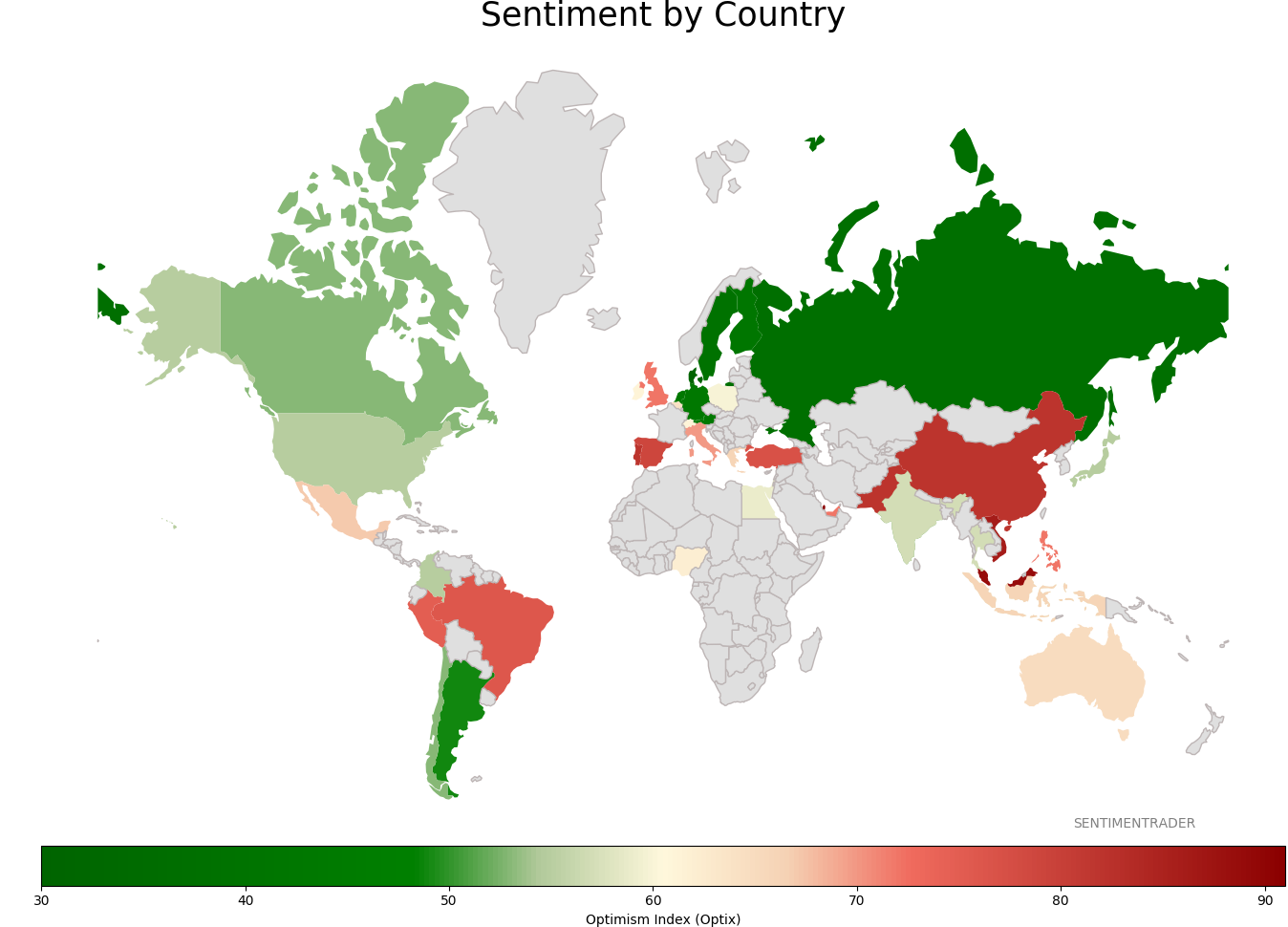
Sentiment Around The World

Click here to view on the site.

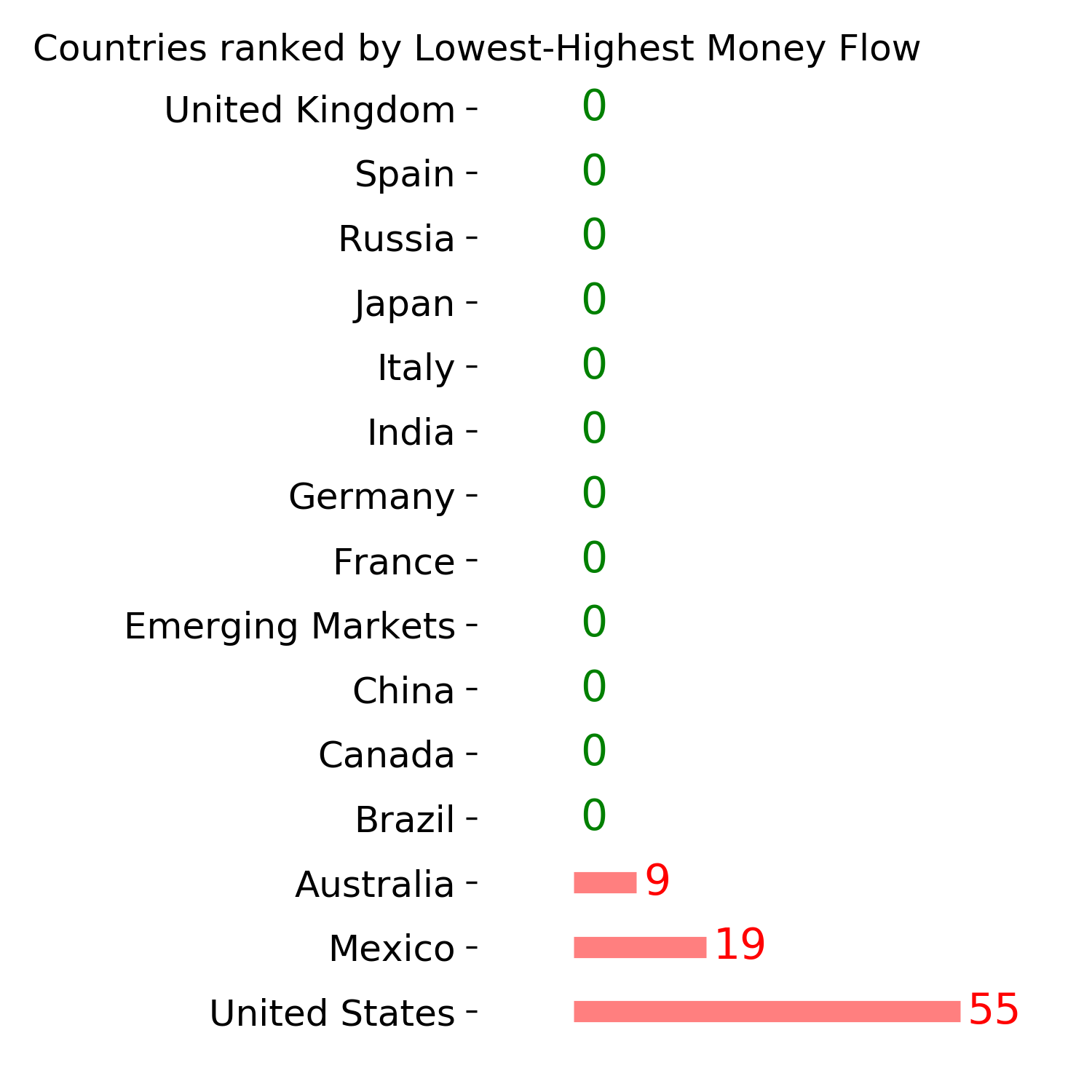
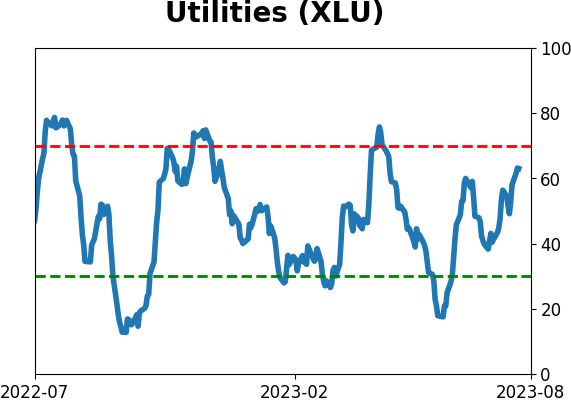
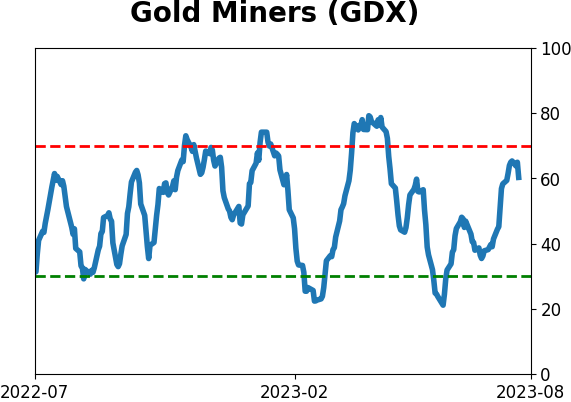
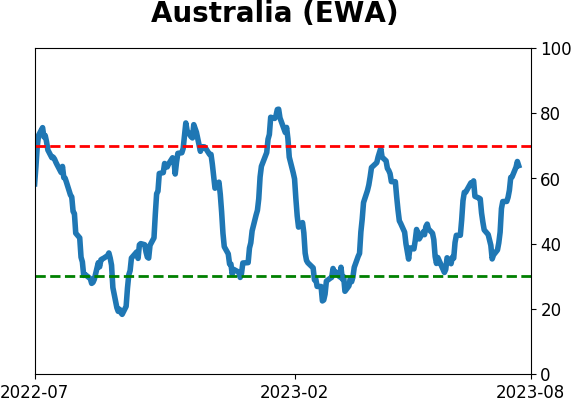
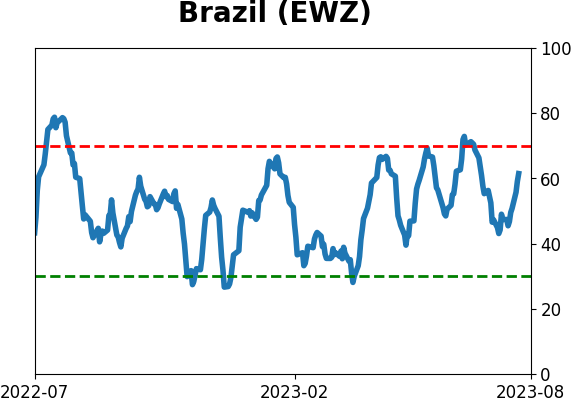
Optimism Index Thumbnails

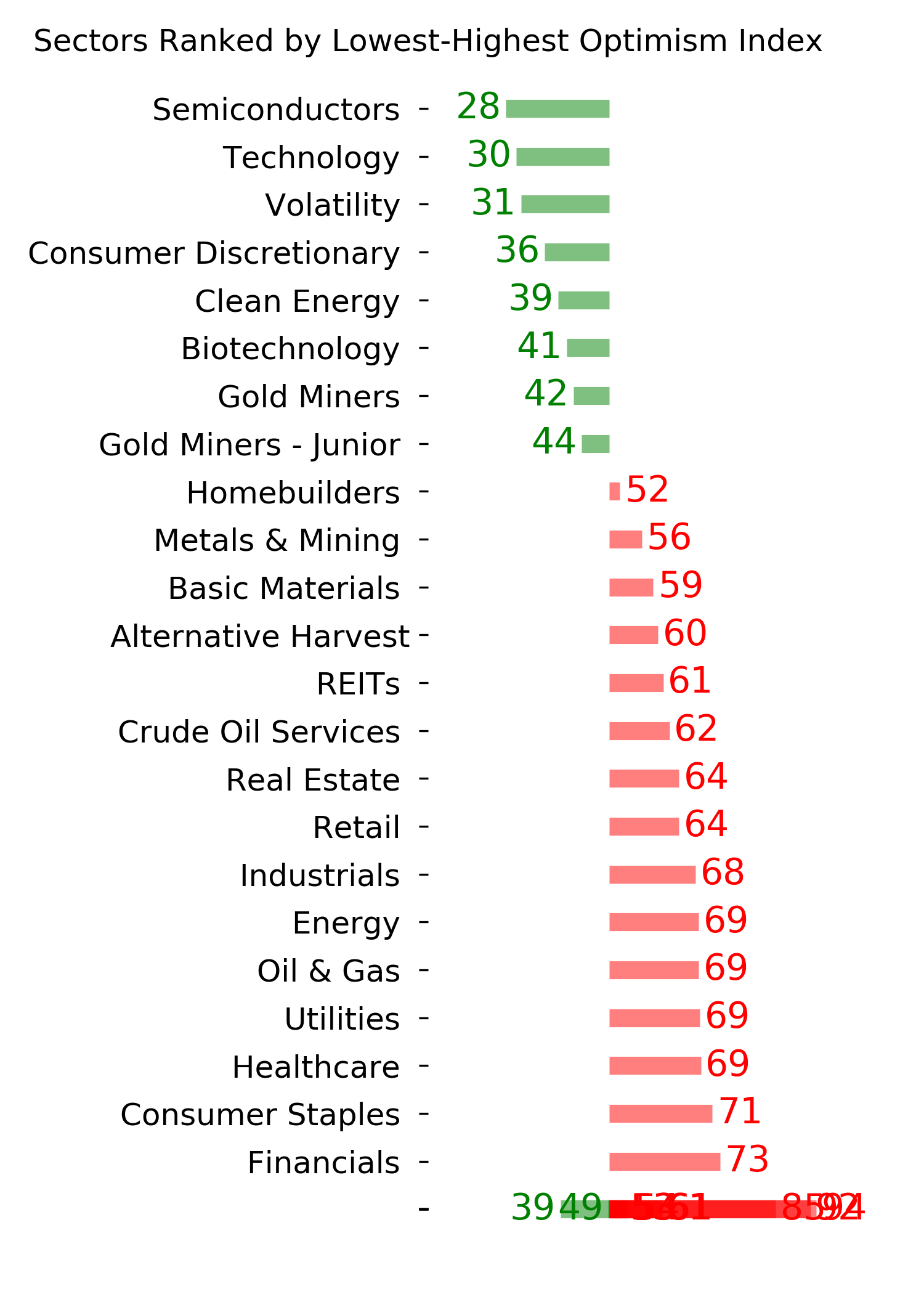
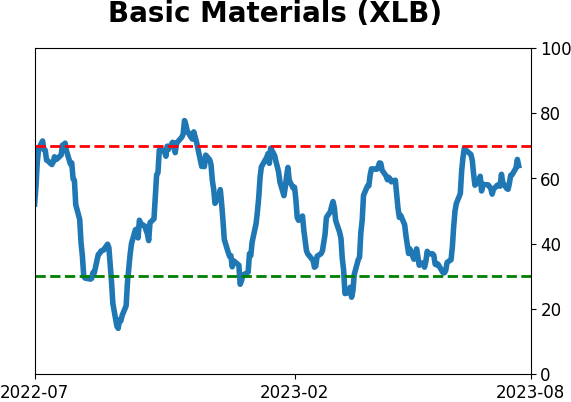
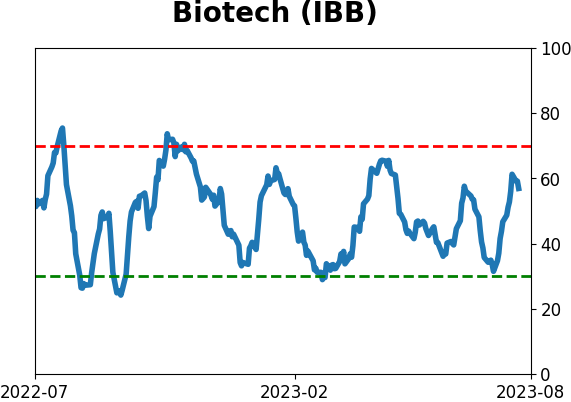
Sector ETF's - 10-Day Moving Average
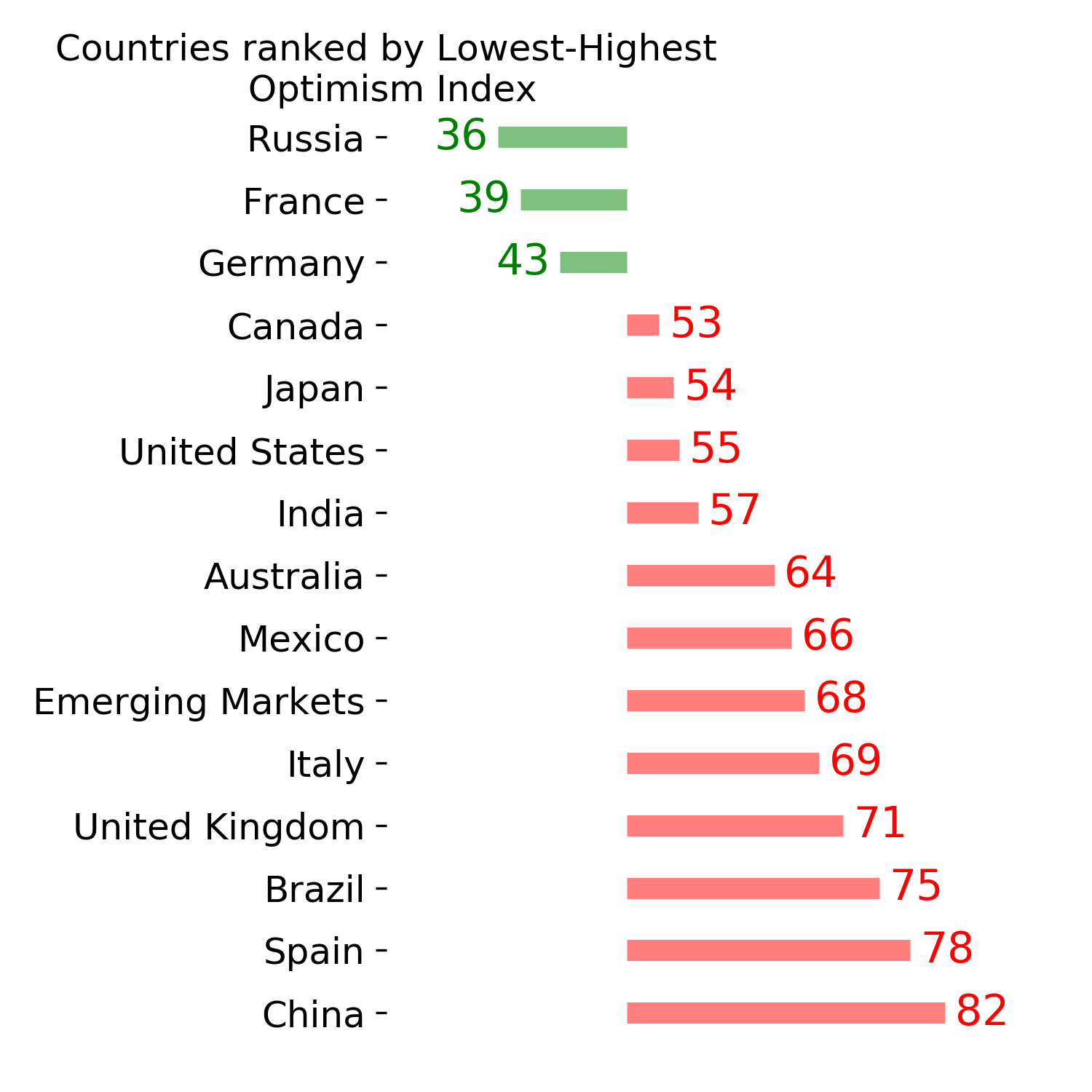
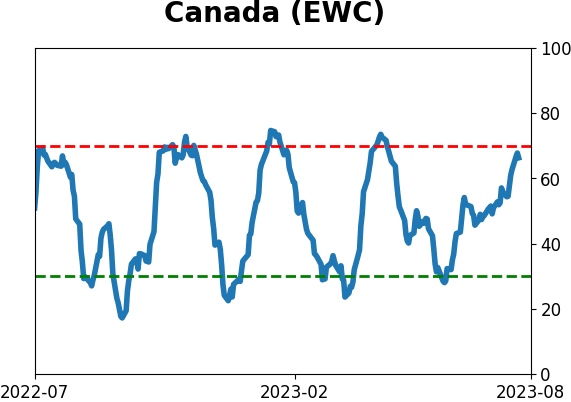
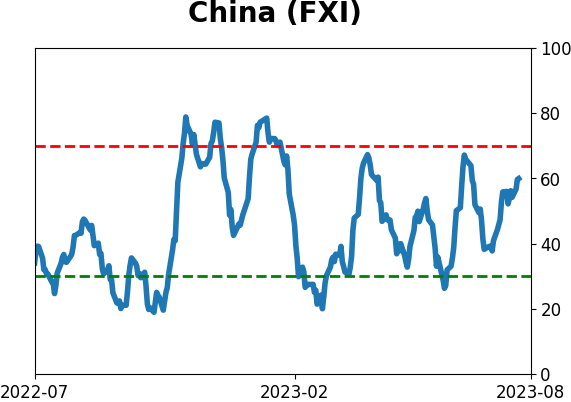
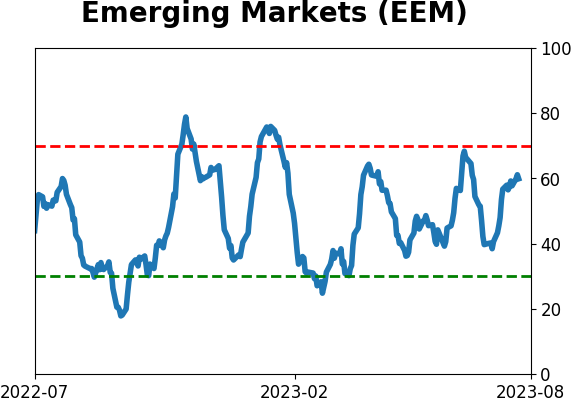
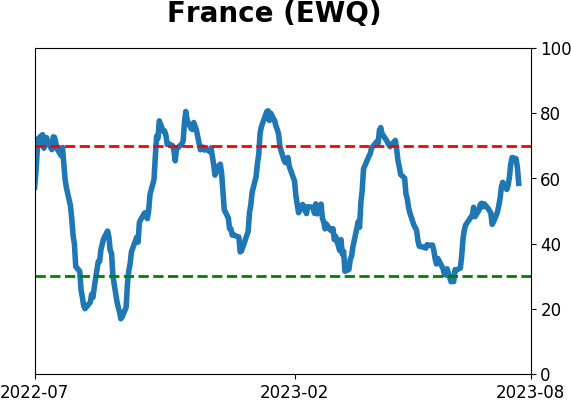
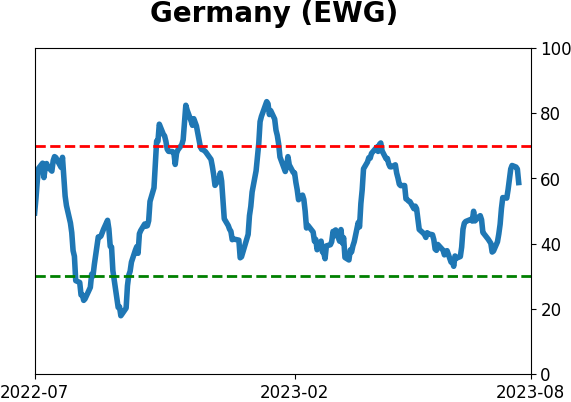
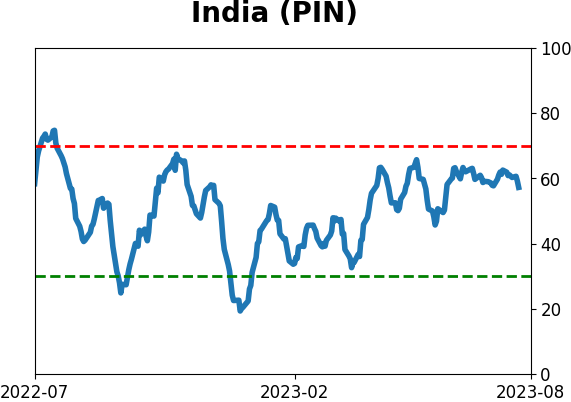
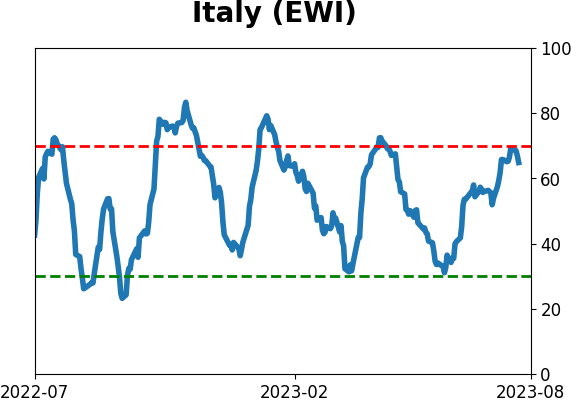
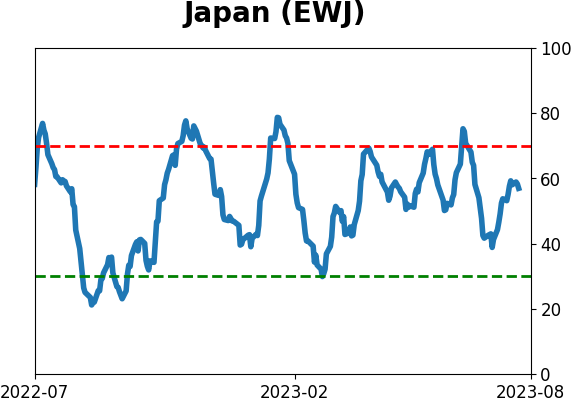
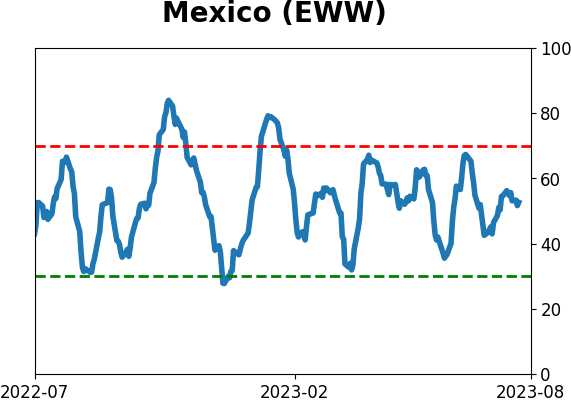
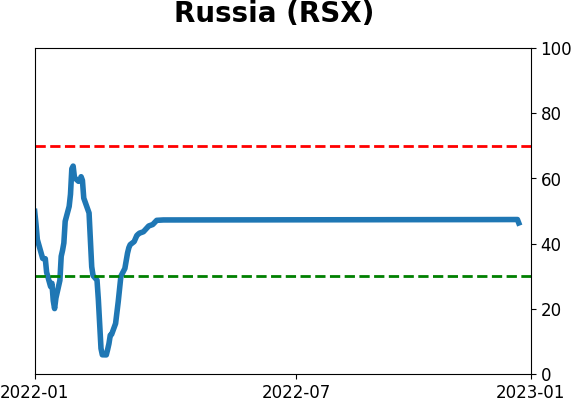
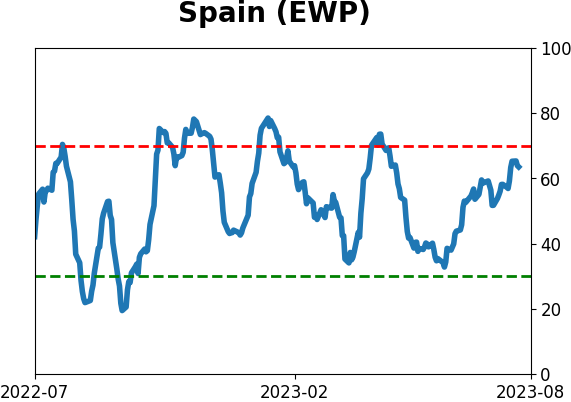
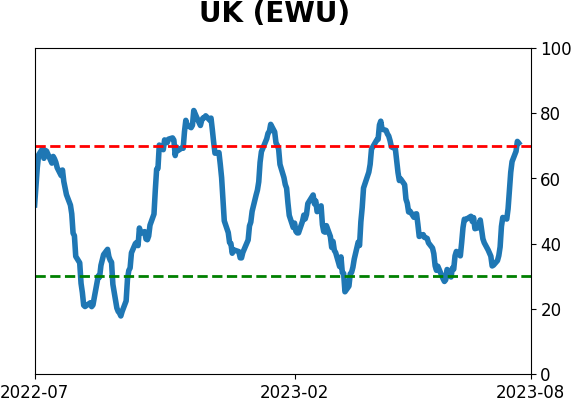
Country ETF's - 10-Day Moving Average
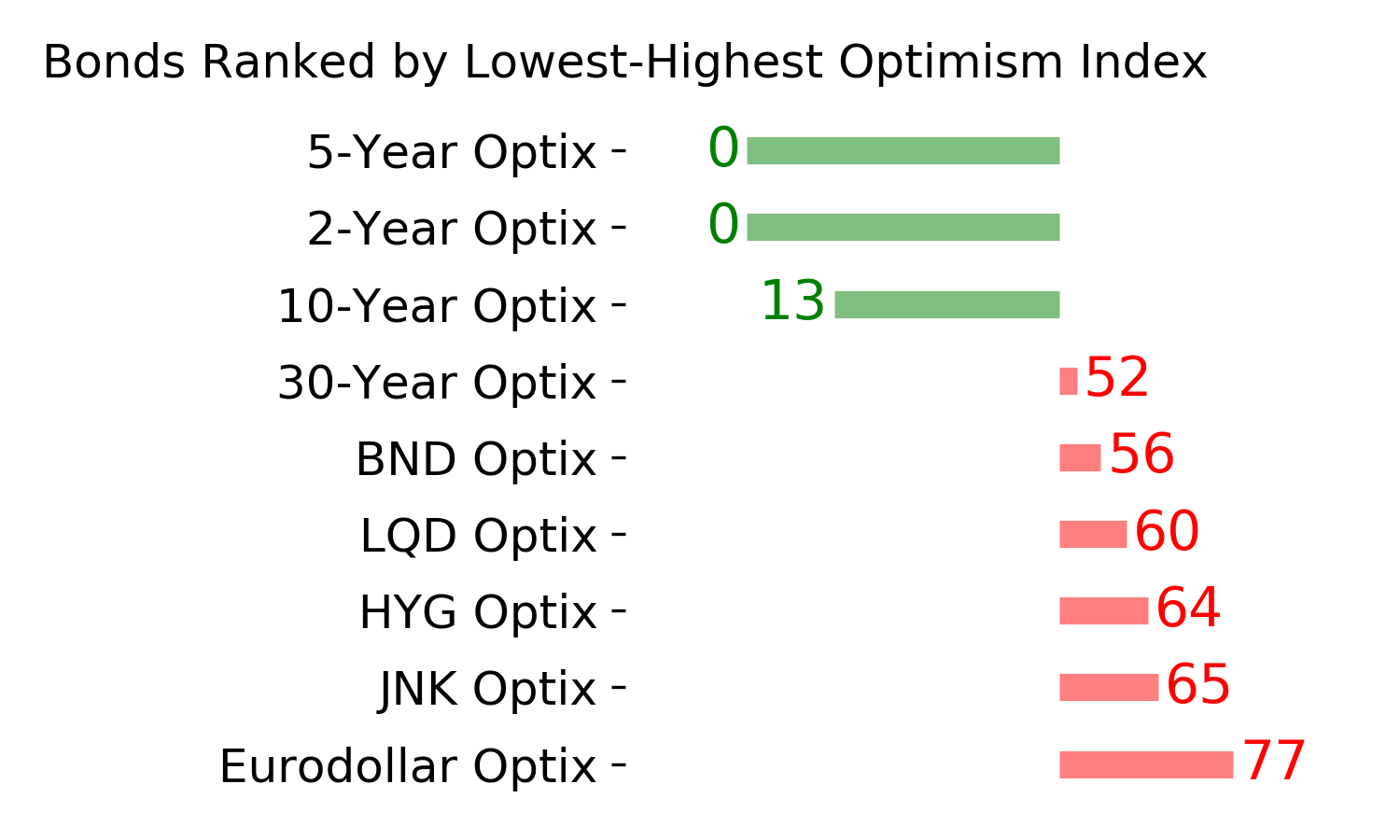
Bond ETF's - 10-Day Moving Average
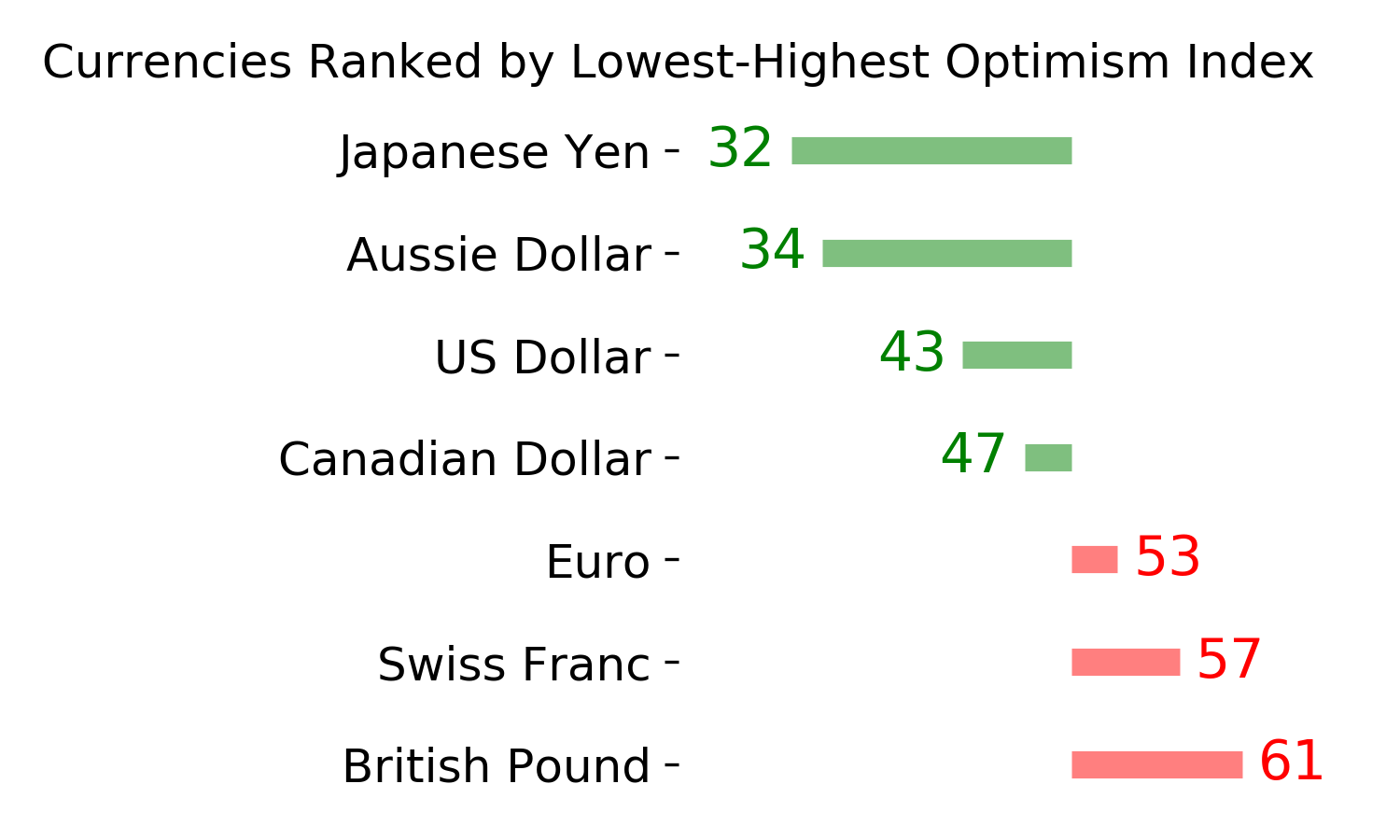
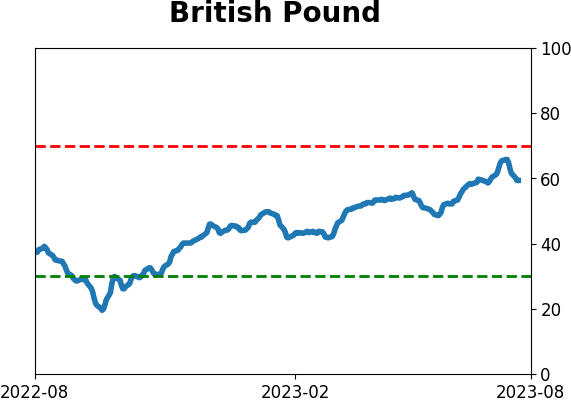
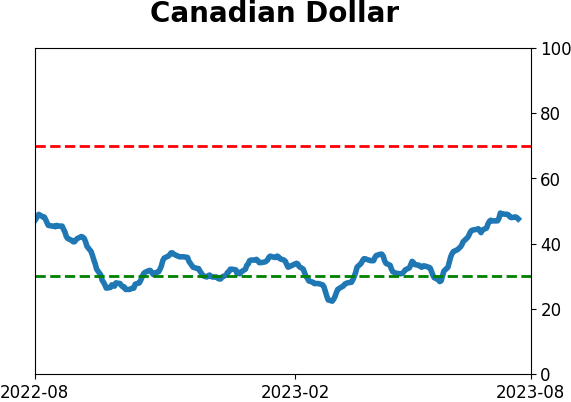
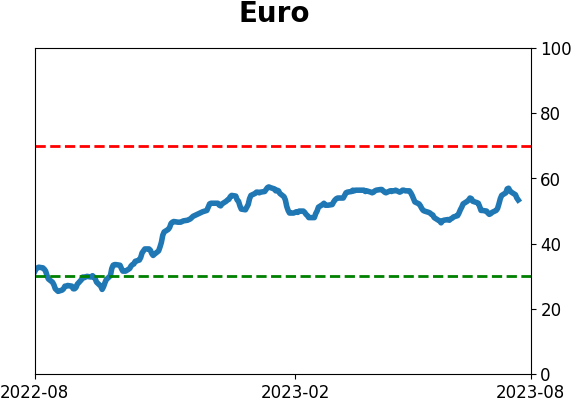
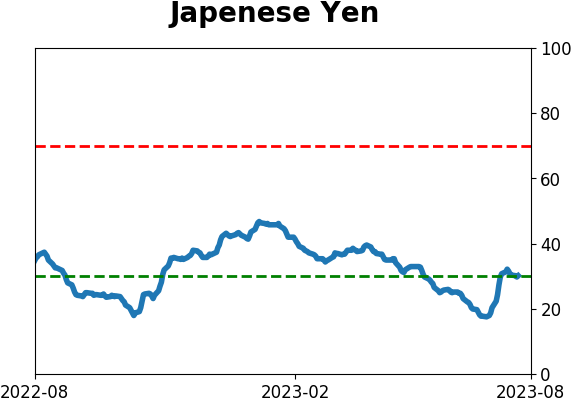
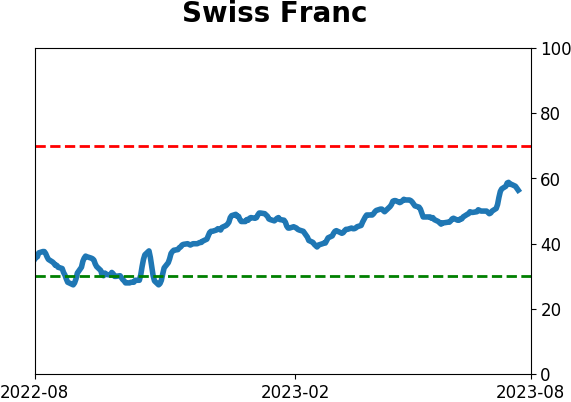
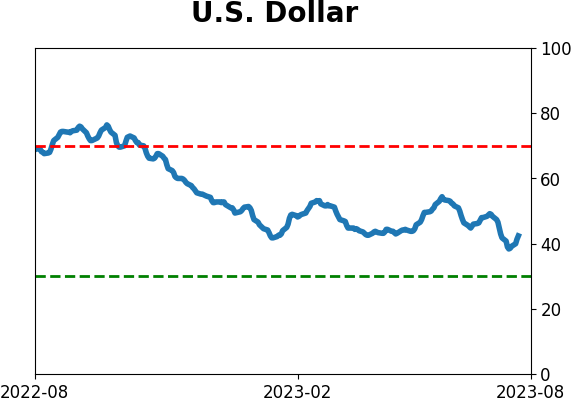
Currency ETF's - 5-Day Moving Average
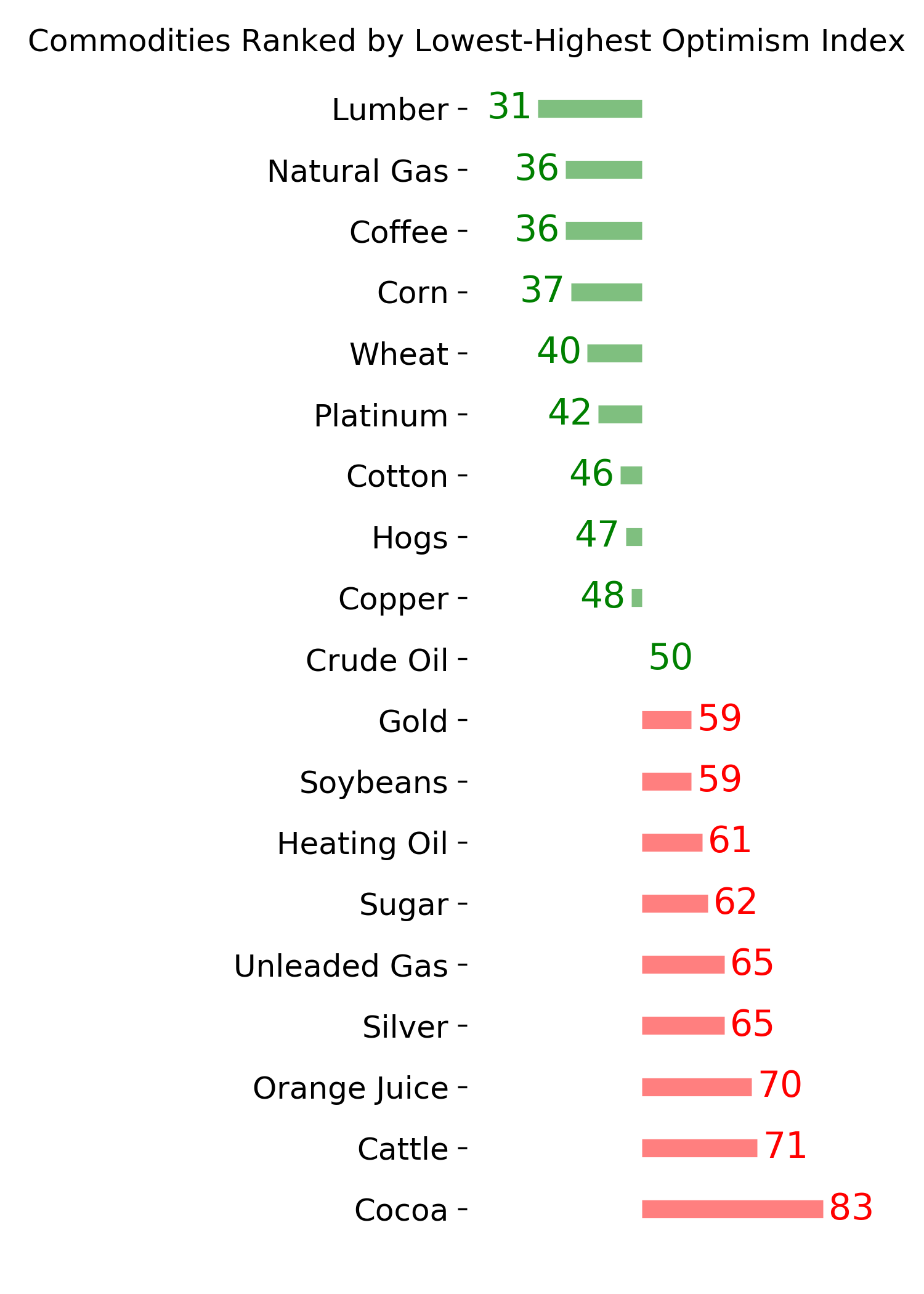
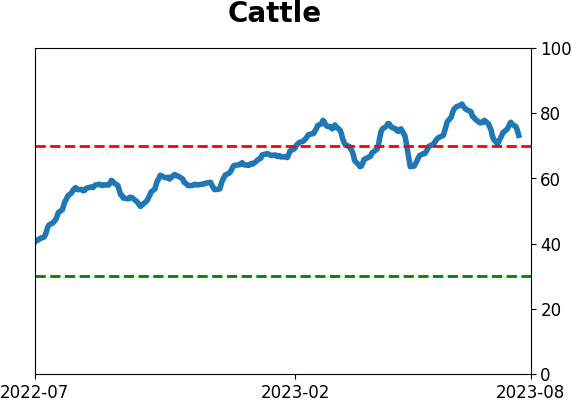
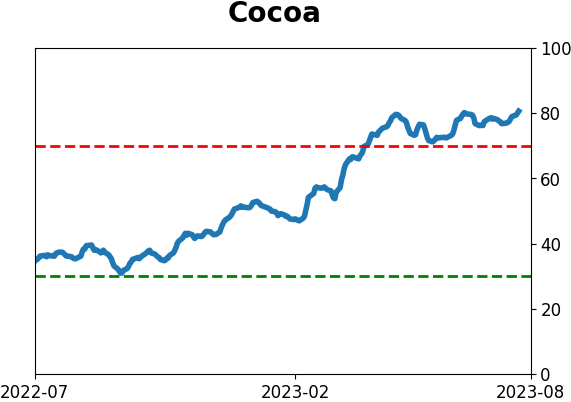
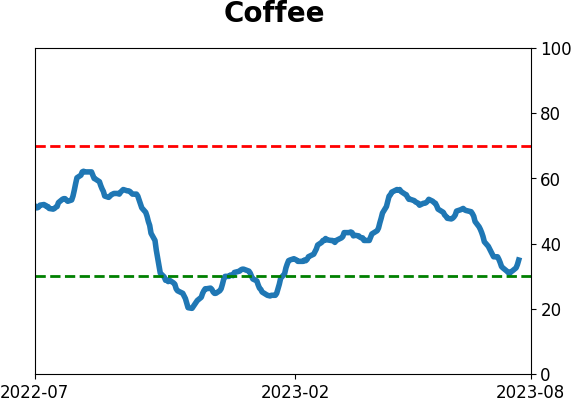
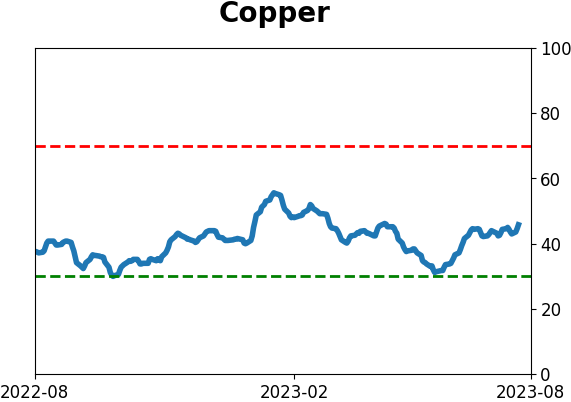
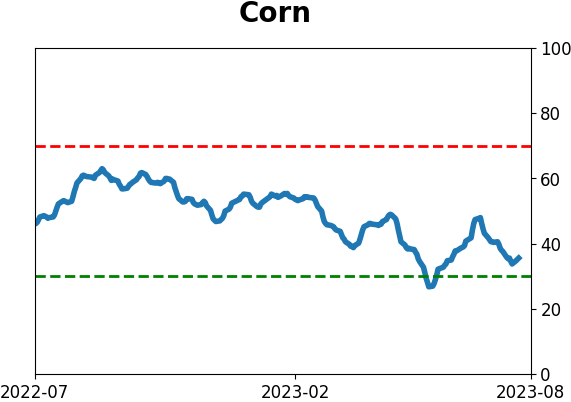
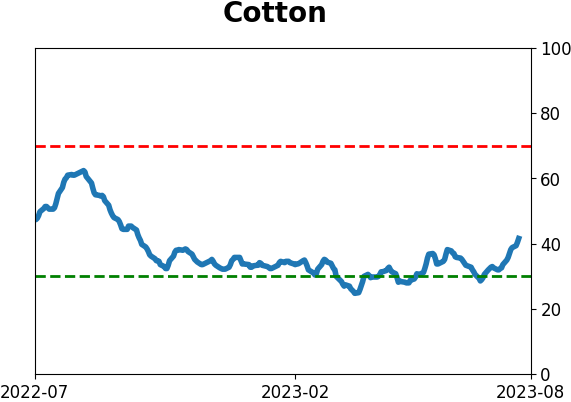
Commodity ETF's - 5-Day Moving Average
PRODUCTS
SentimenTrader
Trading Tools
Indicators & Data API
‍
Strategies & Scanner
‍
Research Reports
FREE
RESOUrCES
Simple Backtest
Calculator
Simple Seasonality
Calculator
The Kelly Criterion
Calculator
Sentiment Geo Map
‍
Public Research Reports
‍
Education
Sentiment Indicators
‍
Technical Indicators
‍
Pricing
Bundle pricing
‍
FAQ
‍
Announcements
‍
COMPANY
‍
About
‍
In the News
‍
Testimonials
‍
Client Success Stories
CONTACT
‍
General Inquiries
‍
Media Inquiries
‍
Financial Professionals Inquiries
‍
© 2026 Sundial Capital Research Inc. All rights reserved.
Setsail Marketing
TermsPrivacyAffiliate Program
Risk Disclosure: The information and tools provided are for research and analytical purposes only and are not intended as investment advice. Market analysis involves uncertainty, and outcomes may differ from expectations. Users should conduct their own due diligence and consider their individual circumstances before making any financial decisions. Past performance is not necessarily indicative of future results.

Hypothetical Performance Disclosure: Hypothetical performance results have many inherent limitations, some of which are described below. No representation is being made that any account will or is likely to achieve profits or losses similar to those shown; in fact, there are frequently sharp differences between hypothetical performance results and the actual results subsequently achieved by any particular trading program. One of the limitations of hypothetical performance results is that they are generally prepared with the benefit of hindsight. In addition, hypothetical trading does not involve financial risk, and no hypothetical trading record can completely account for the impact of financial risk of actual trading. for example, the ability to withstand losses or to adhere to a particular trading program in spite of trading losses are material points which can also adversely affect actual trading results. There are numerous other factors related to the markets in general or to the implementation of any specific trading program which cannot be fully accounted for in the preparation of hypothetical performance results and all which can adversely affect trading results.

Testimonial Disclosure: Testimonials appearing on this website may not be representative of other clients or customers and is not a guarantee of future performance or success.