Products
SentimenTrader Trading Tools
‍
Backtest Engine
My Trading Toolkit
Correlation Analysis
Seasonality
Market Prediction
Indicators & Data API
‍
Proprietary Indicators & Charts
Market Data API
Strategies & Scanner
‍
50+ Trading Strategies
Smart Stock Scanner
Smart Option Scanner
Research Reports
‍
Research Solutions
Reports Library
Free Resources
Simple Backtest Calculator
Simple Seasonality Calculator
The Kelly Criterion Calculator
Sentiment Geo Map
Public Research Reports
Education
Sentiment Indicators
Technical Indicators
Pricing
Company
About
In the News
Testimonials
Client Success Stories
Contact
Log inLoginSign up
< BACK TO ALL REPORTS

Daily Report : The growth stock resurgence and its impact on the market

Jason Goepfert
2022-06-27
Growth stocks bottomed relative to Value stocks several weeks ago, and held up even when the S&P 500 dived to fresh lows in mid-June. When Growth is leading, it has preceded modestly positive returns for stocks, but didn't necessarily mean that Growth would continue to outperform.
View/Print a PDF version of this Report

Headlines


The growth stock resurgence and its impact on the market: Growth stocks bottomed relative to Value stocks several weeks ago, and held up even when the S&P 500 dived to fresh lows in mid-June. When Growth is leading, it has preceded modestly positive returns for stocks, but didn't necessarily mean that Growth would continue to outperform.

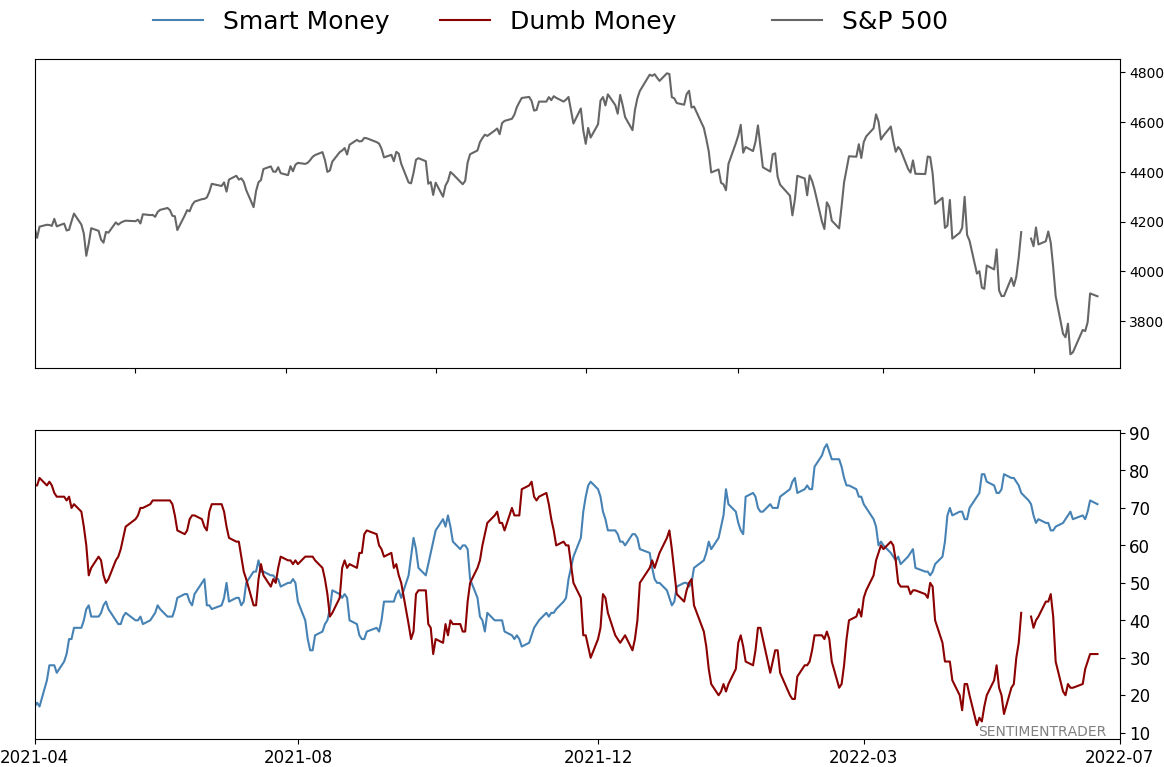
Smart / Dumb Money Confidence

Smart Money Confidence: 71% Dumb Money Confidence: 31%

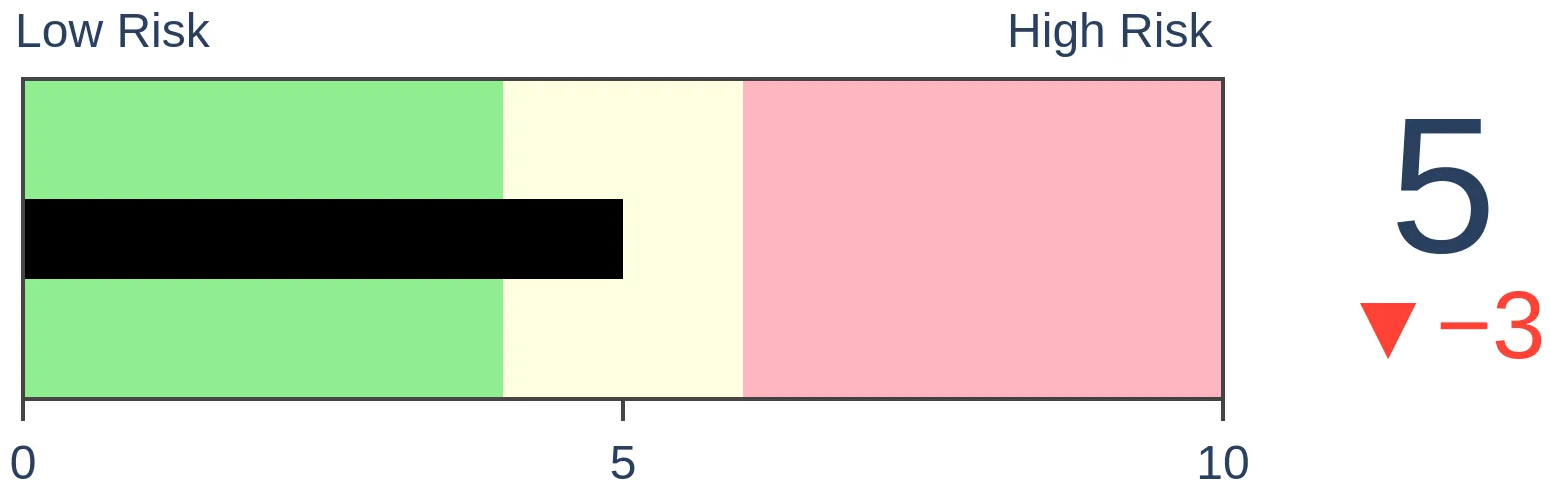
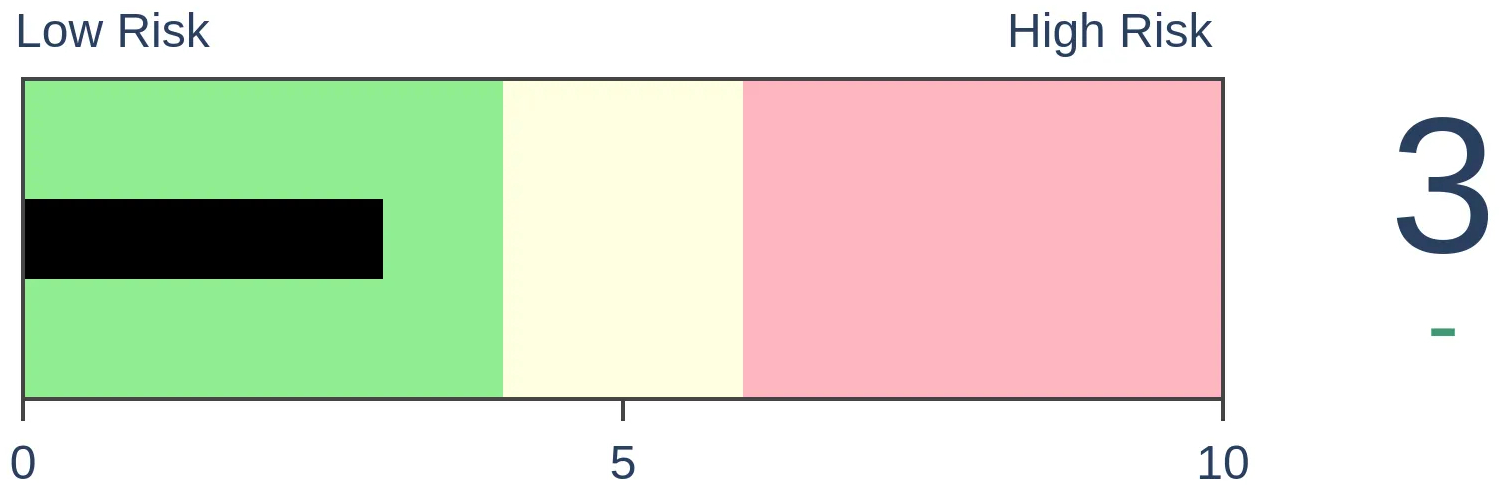
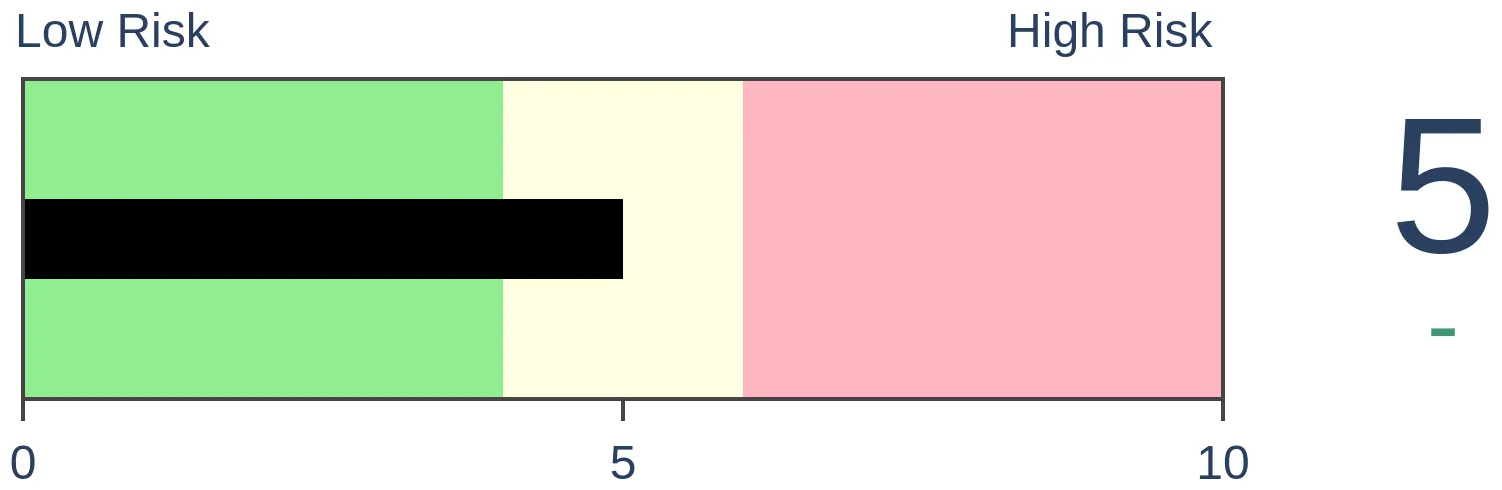
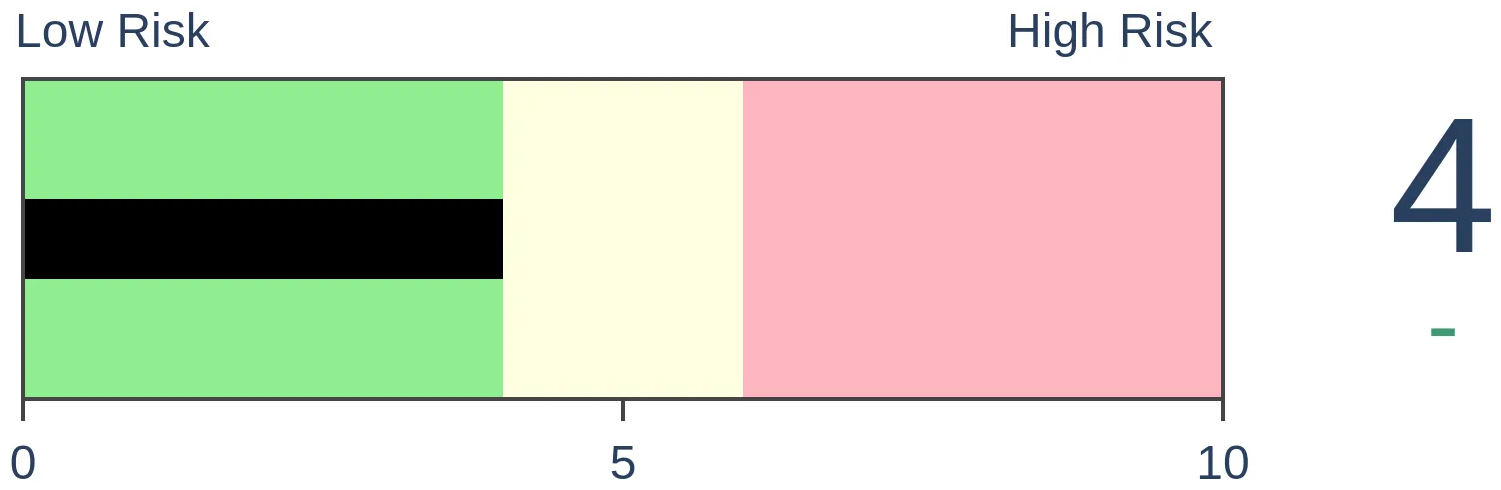
Risk Levels

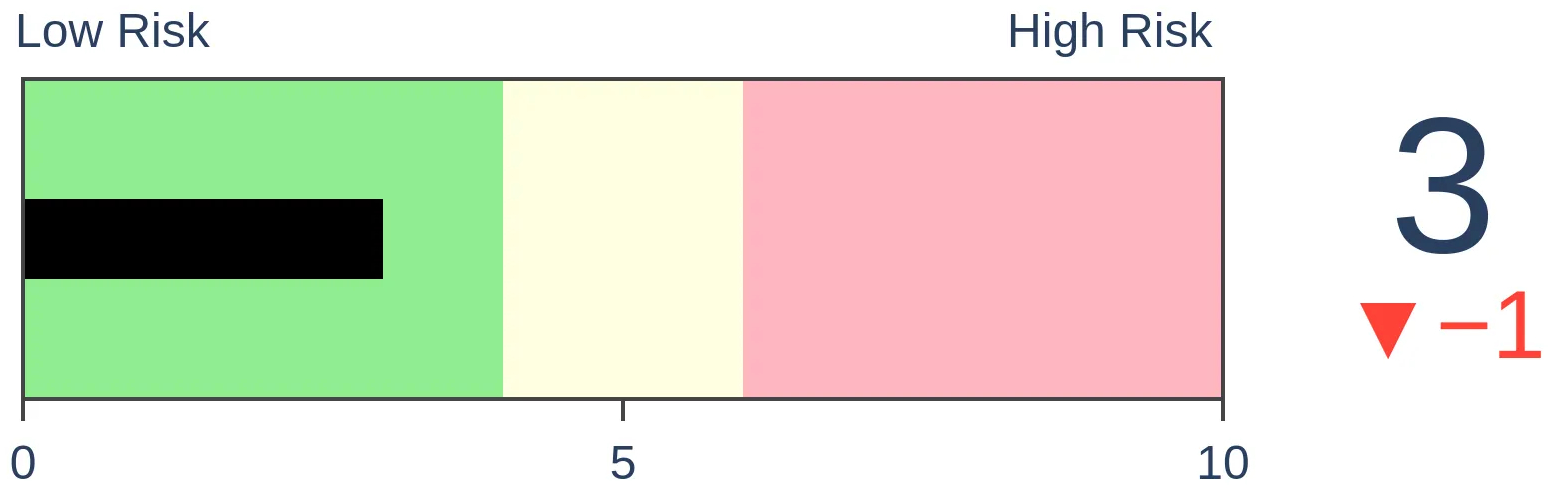
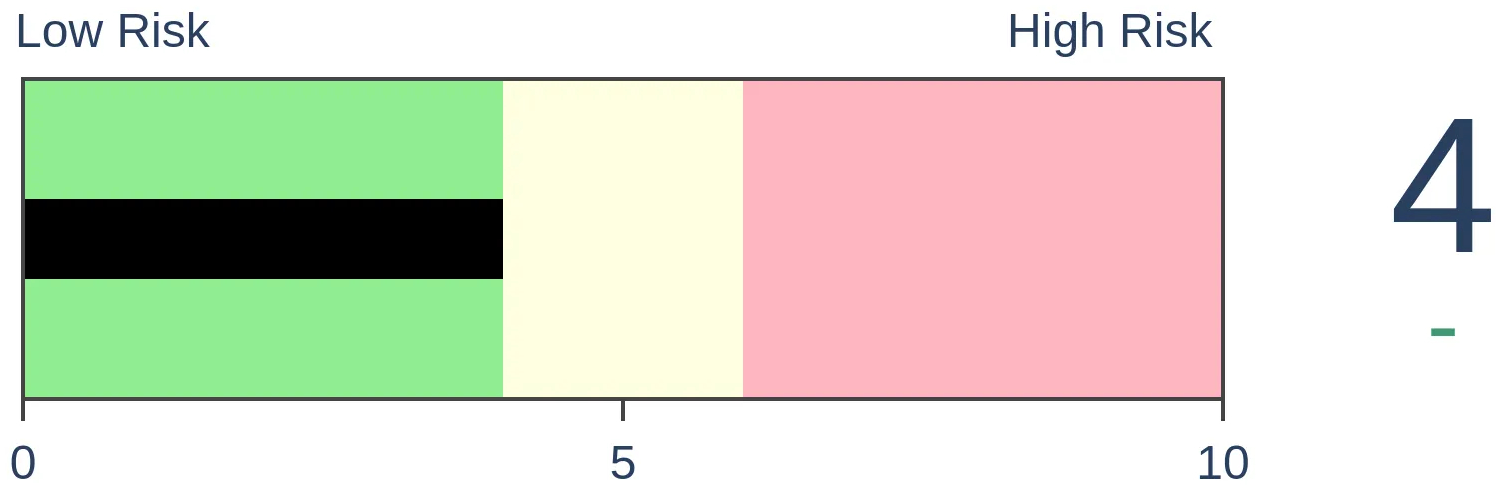
Stocks Short-Term

Stocks Medium-Term

Bonds

Crude Oil

Gold

Agriculture

Research

The growth stock resurgence and its impact on the market

By Jason Goepfert

BOTTOM LINE
Growth stocks bottomed relative to Value stocks several weeks ago, and held up even when the S&P 500 dived to fresh lows in mid-June. When Growth is leading, it has preceded modestly positive returns for stocks, but didn't necessarily mean that Growth would continue to outperform.

FORECAST / TIMEFRAME
None

Key points:

  • Growth stocks bottomed relative to Value weeks before the S&P 500 did
  • The ratio of Growth to Value just hit a 30-day high while the S&P is still well below its own high
  • These divergences led to mildly positive returns for stocks but not necessarily for Growth

A positive divergence in Growth

Growth is back. Well, kind of - it's still early days.

After falling to a 52-week low on May 24, the ratio of Growth to Value stocks shot higher and stabilized. When the S&P 500 plunged to a new low in mid-June, Growth stocks held up relative to Value. That's the first real positive divergence during this bear market.
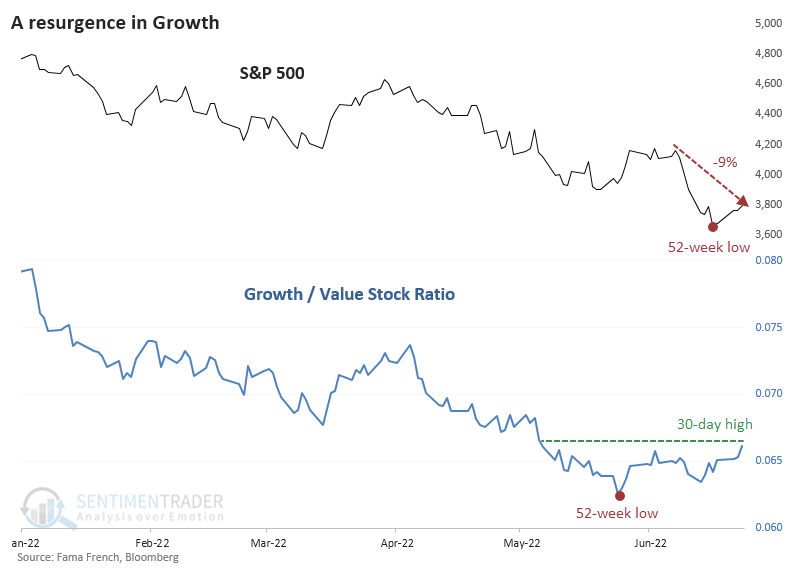
By late last week, the Growth/Value Ratio had climbed to a 30-day high, while the S&P was still more than 9% below its own high. Because of the rush to tech stocks during the pandemic, a similar divergence triggered in early March 2020, which was a horrible buy signal for the broader market.

But during "normal" market conditions, whatever those are, when the Growth/Value Ratio leads the S&P, it has mostly been a good sign. Not perfect, by any means, with a few double-digit losses.
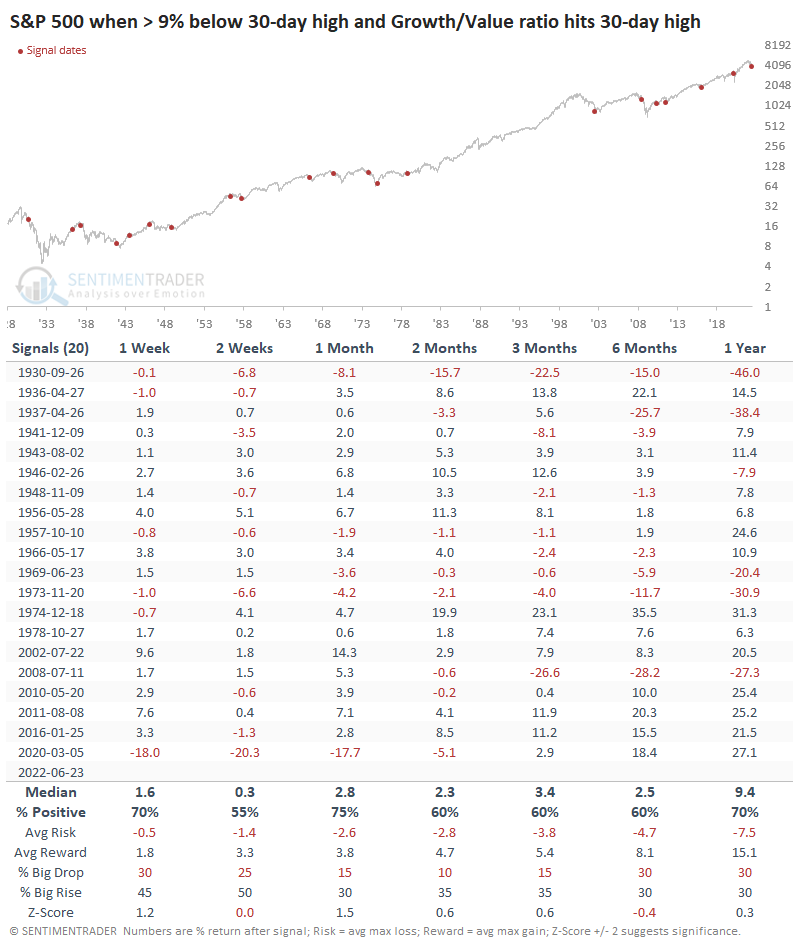
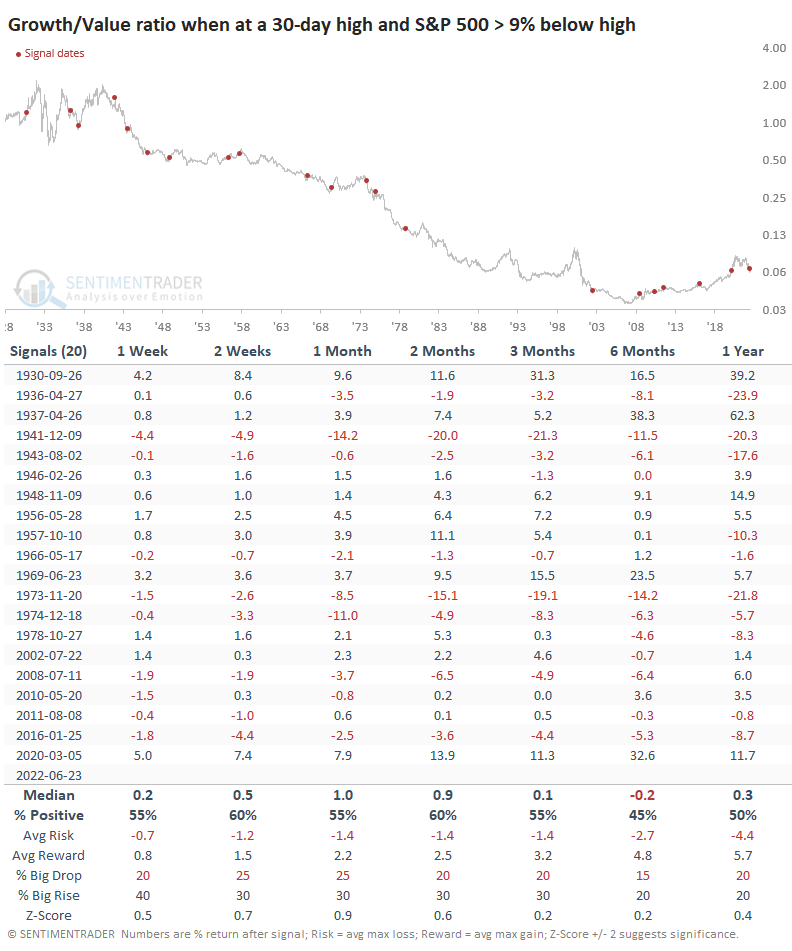
After these divergences, Growth stocks had some difficulty holding onto their lead. Over the past 50 years, Growth stocks underperformed Value during the next six months after 7 out of 9 signals.
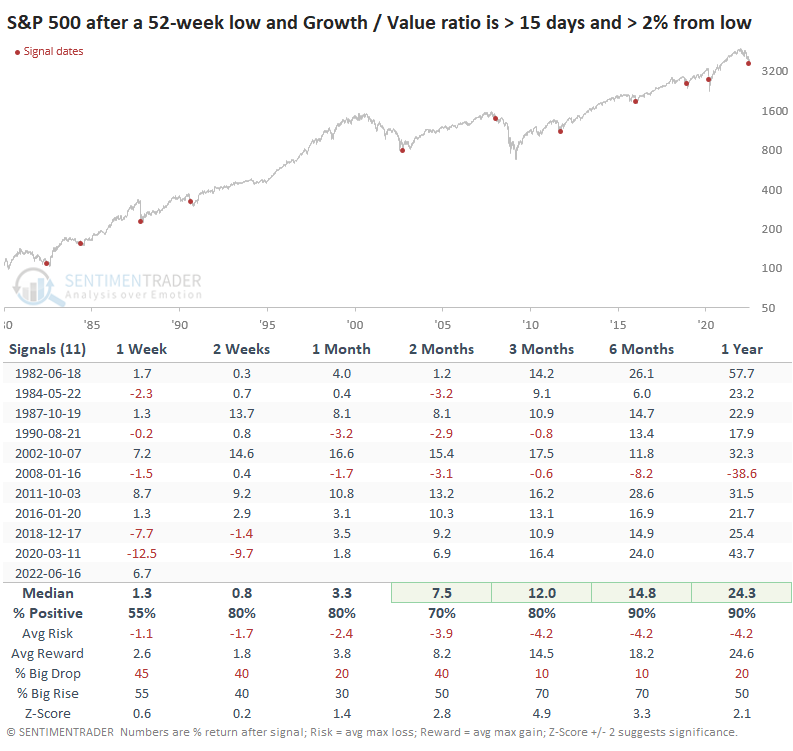
Another way to look at the divergence is by time. When the S&P set its new low on June 16, the Growth/Value Ratio was already more than three weeks away from its own low and was holding more than 2% above it.
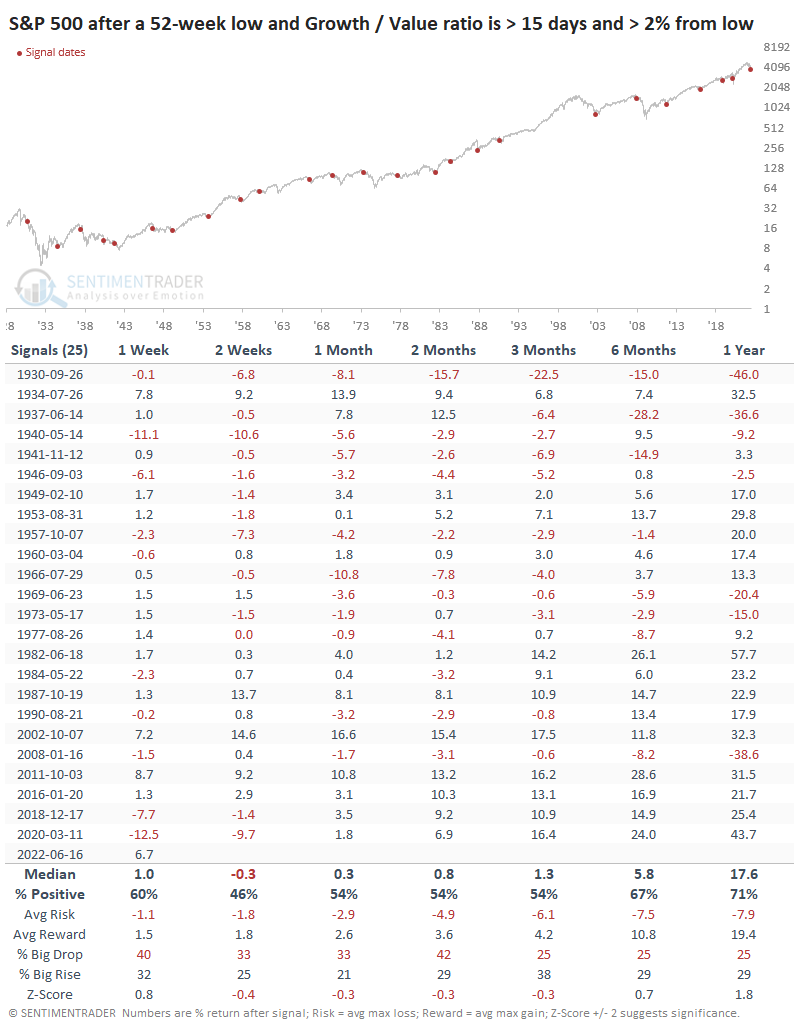
Again, this was an okay sign for stocks, but nothing special; the S&P's forward returns were about in line with random.

Most of the negative returns were before 1982, so if we focus on more recent history, then returns jumped, with only one failed signal. Of course, that requires us to believe that recent decades are more of a relevant comparison to our current market than pre-1980 conditions.
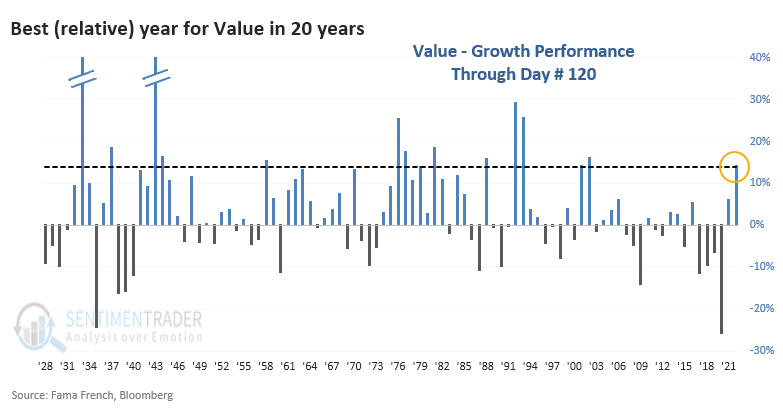
Best year in past 20 

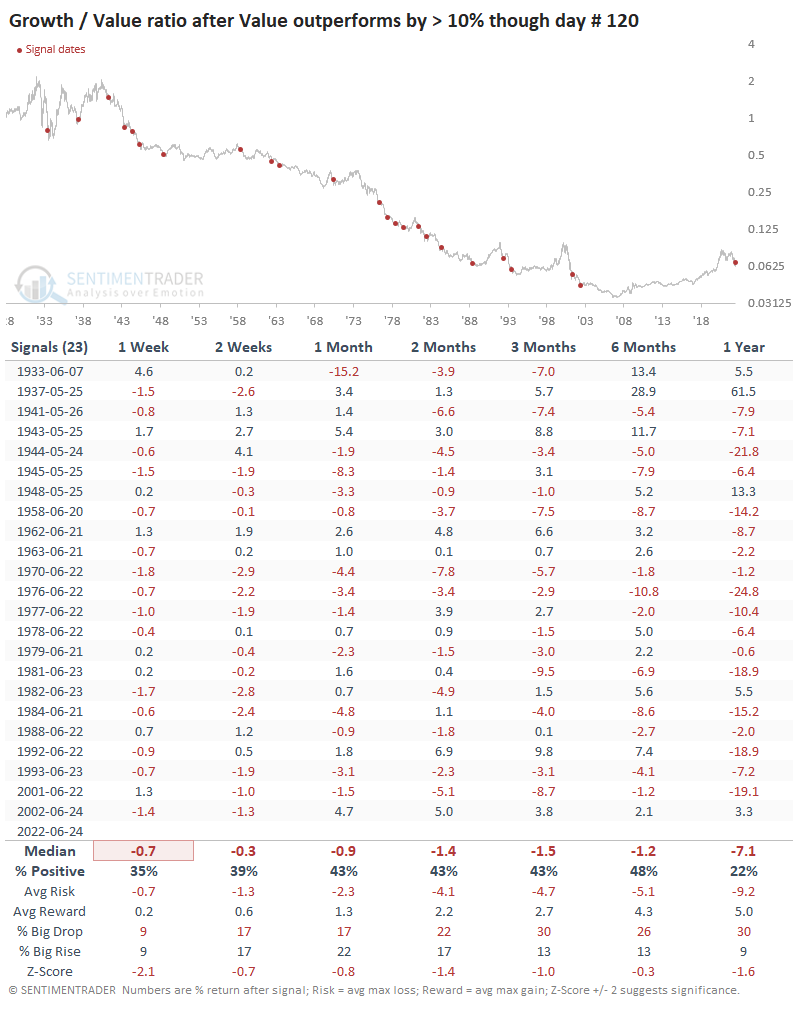
The rebound in Growth versus Value comes on the heel of what had been a massive trend toward the latter. Value outperformed Growth by well over 10% through the 120th trading day of the year, its widest outperformance since 2002.
This didn't necessarily signal much for the months ahead; through year-end and next June, returns in the S&P 500 were pretty weak.
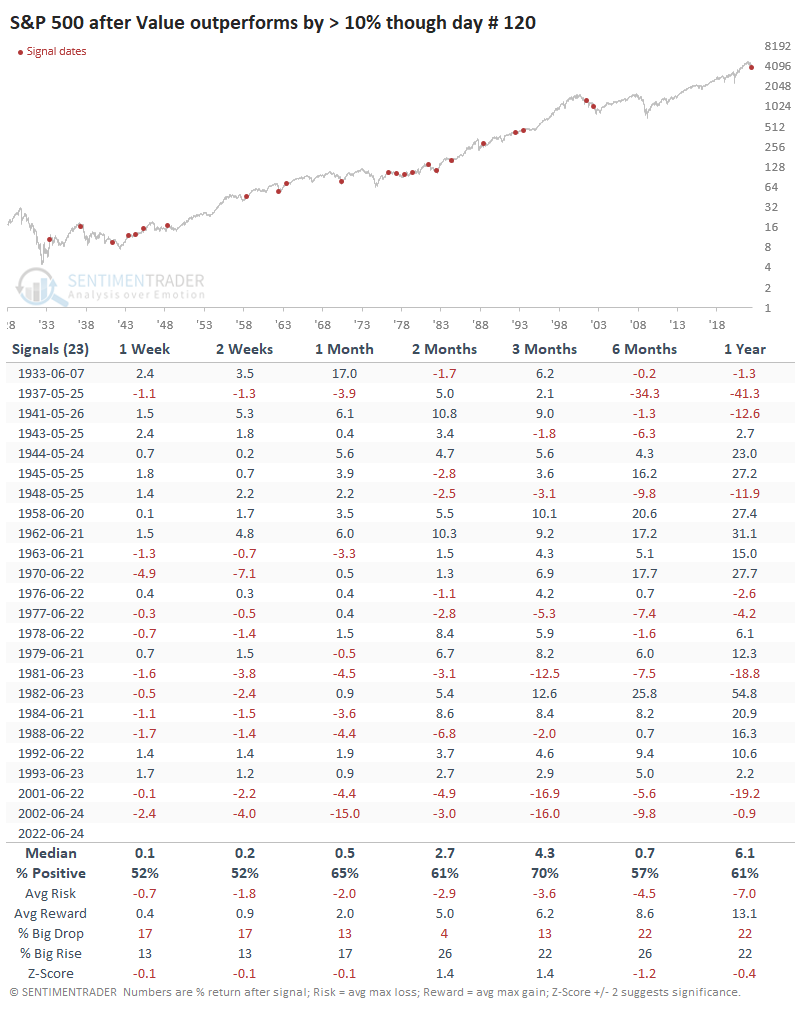
That weakness is mainly due to pre-1950 when there was Saturday trading and day #120 only went through May. Post-1950 returns improved.
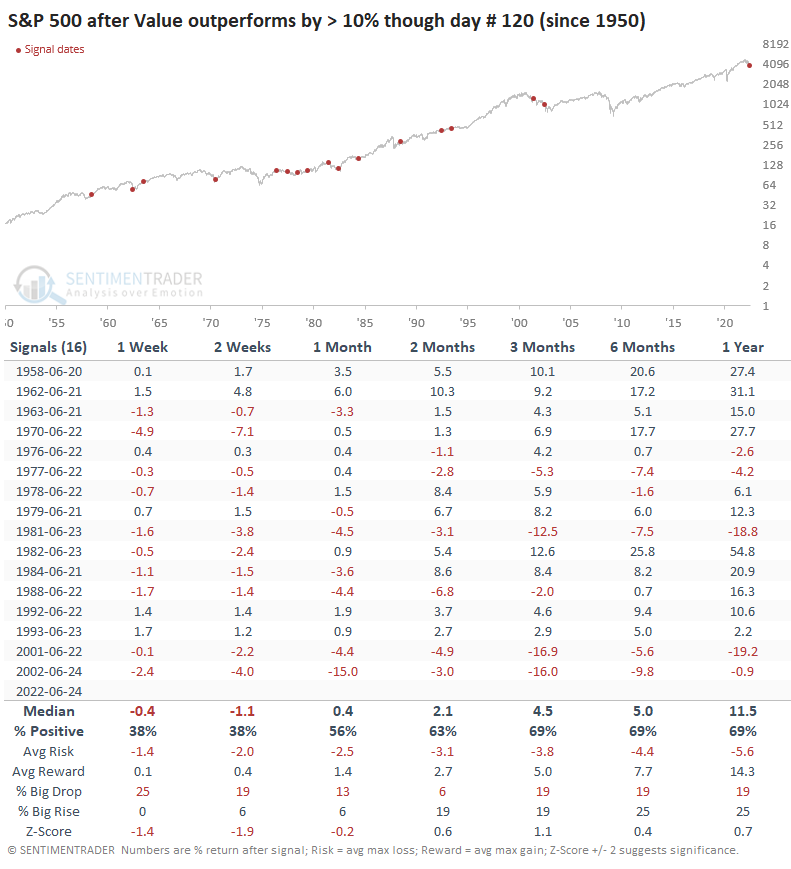
Even so, it wasn't a good sign for Growth.
What the research tells us...

Generally, when investors favor Growth stocks, it suggests optimism for the future. And stocks need investors to be optimistic about putting in buy orders and driving prices higher. There is a lot of room for them to recover - as Dean noted, recently, 100% of our Risk-On/Risk-Off indicators were in "risk-off" territory. But their recent outperformance relative to Value doesn't show compelling evidence that it will continue, or that it's necessarily a good sign for the broader market. In recent decades, it has been, so that's a modest positive. 


Indicators at Extremes

Click here to view on the site (% Extremes and "Excess" tabs on the dashboard).
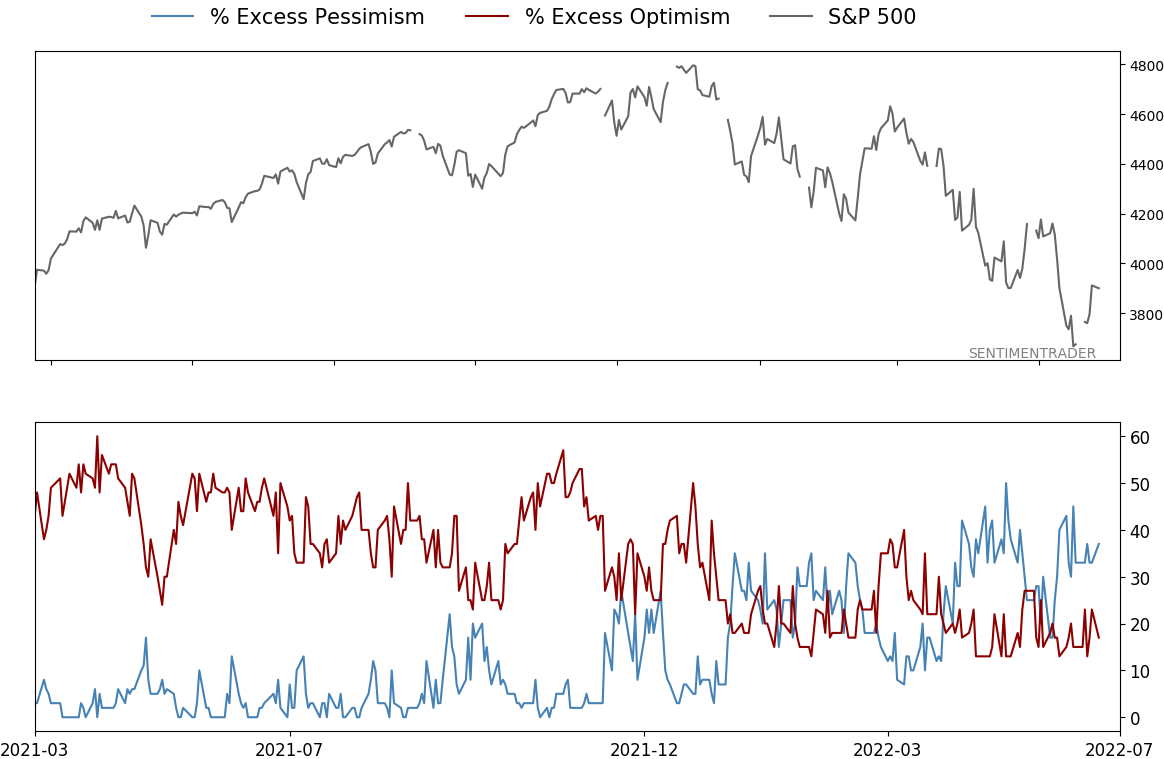
% Showing Pessimism: 37%
Bullish for Stocks

Smart Money / Dumb Money Confidence Spread
Smart Money Confidence
Inverse ETF Volume
S&P 500 Down Pressure
NYSE High/Low Ratio
VIX Term Structure
% Showing Excess Pessimism
Intermediate Term Optimism Index (Optix)
VIX
Dumb Money Confidence
Rydex Sector Breadth
Insider Buy/Sell Seasonally Adj
Equity Hedging Index
ROBO Put/Call Ratio
Equity Put/Call Ratio De-Trended
CSFB Fear Barometer
Risk Appetite Index
AAII Bull Ratio
NAAIM Exposure Index
Mutual Fund Flow (no ETFs)
Major Index Combo
AIM (Advisor and Investor Model)
% Showing Optimism: 17%
Bearish for Stocks

Rydex Money Market %
Rydex Ratio
OEX Put/Call Ratio
NYSE Available Cash
AAII Allocation - Stocks
Retail Money Market Ratio
Mutual Fund Cash Level
Equity / Money Market Asset Ratio
VIX Transform

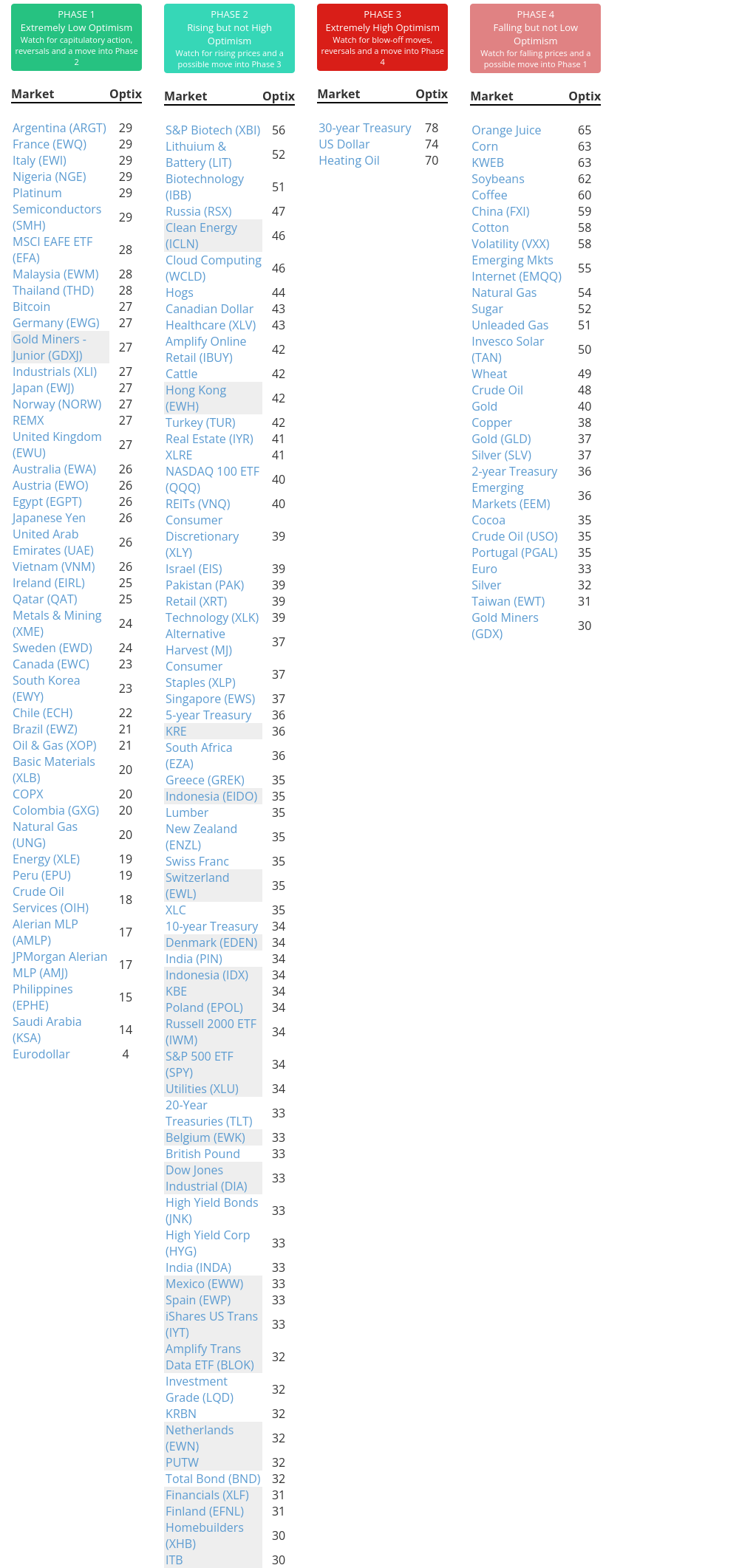
Phase Table

Click here to view the Phase Table on the site.

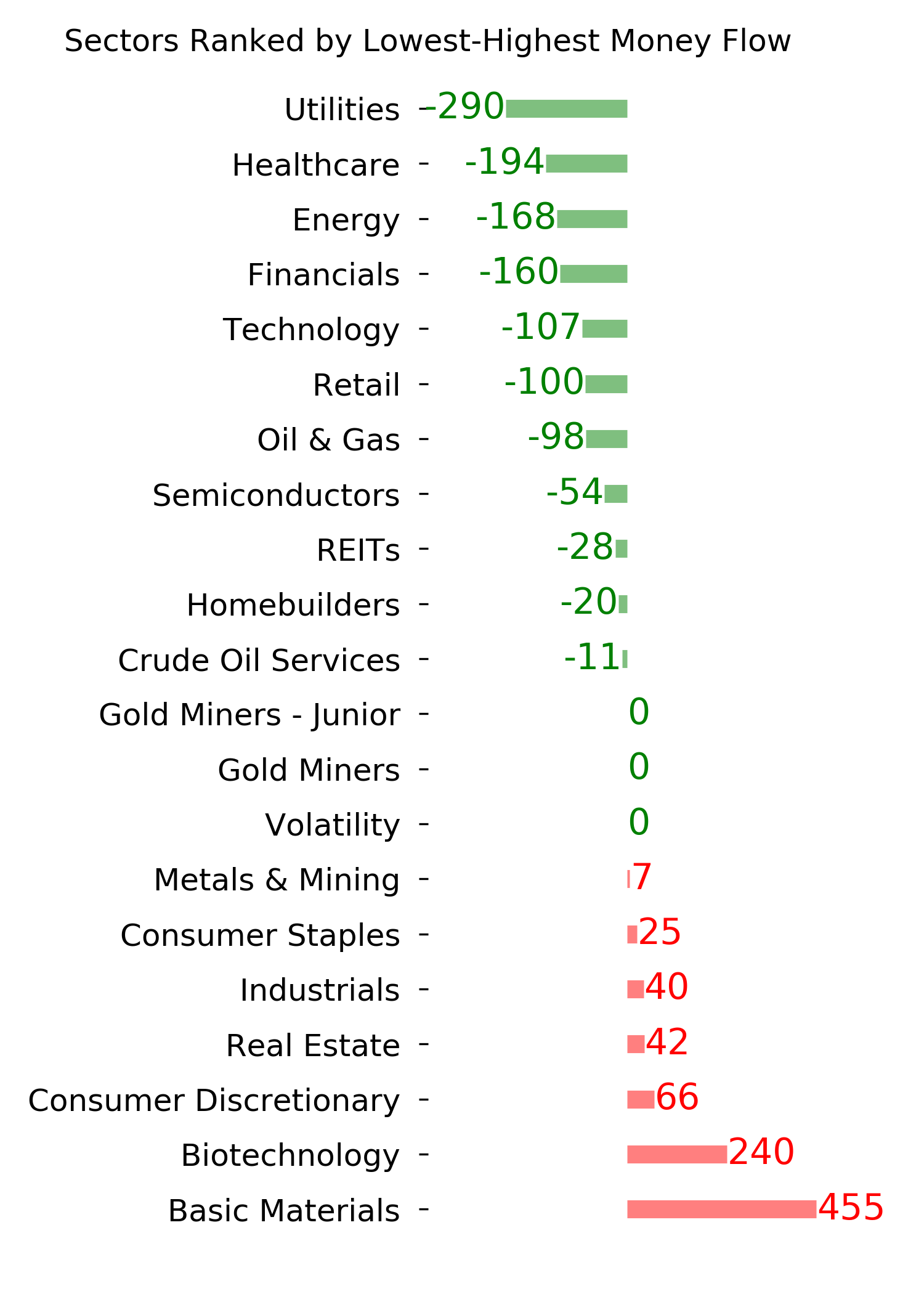
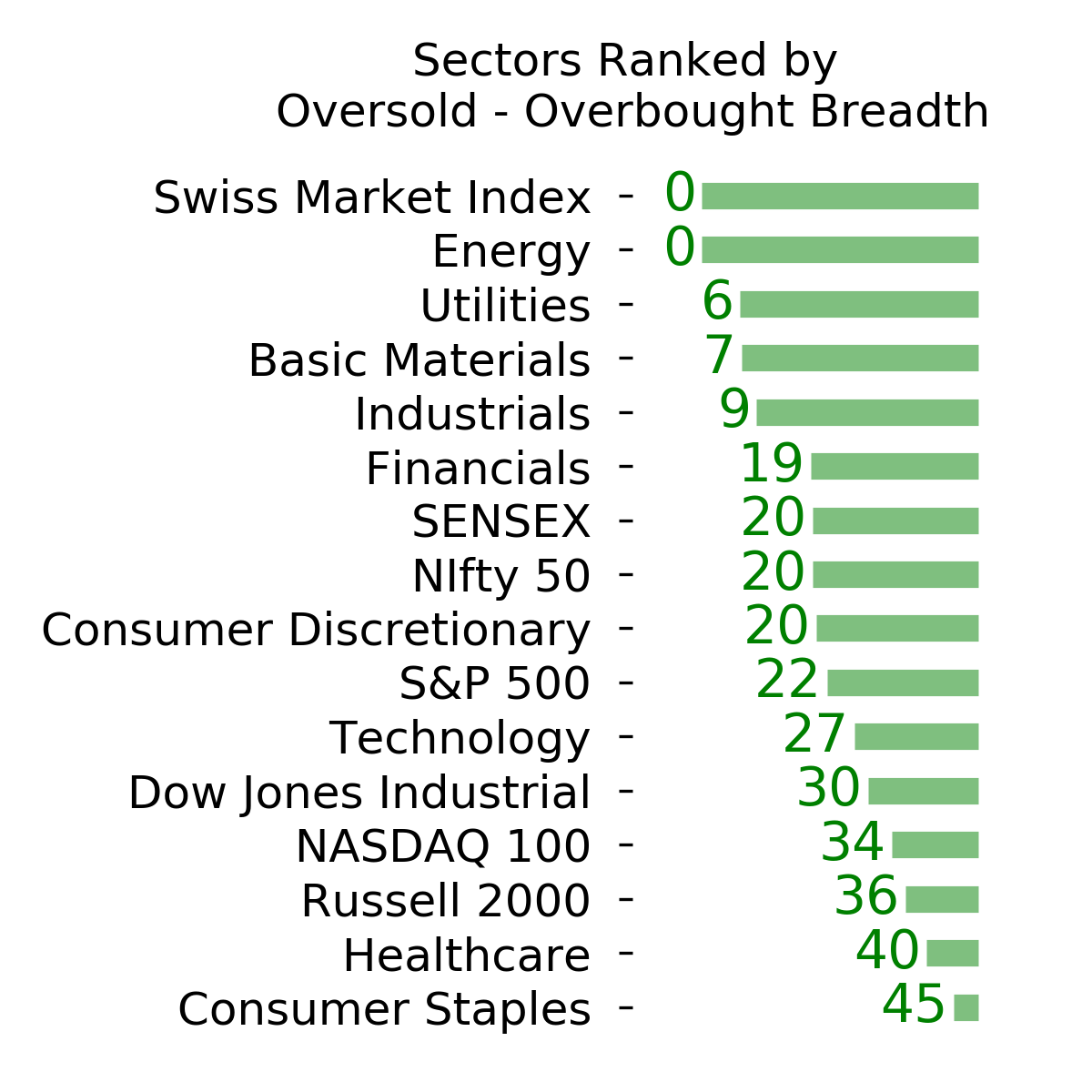
Ranks

Click here to view on the site (Ranks tab on the Dashboard).

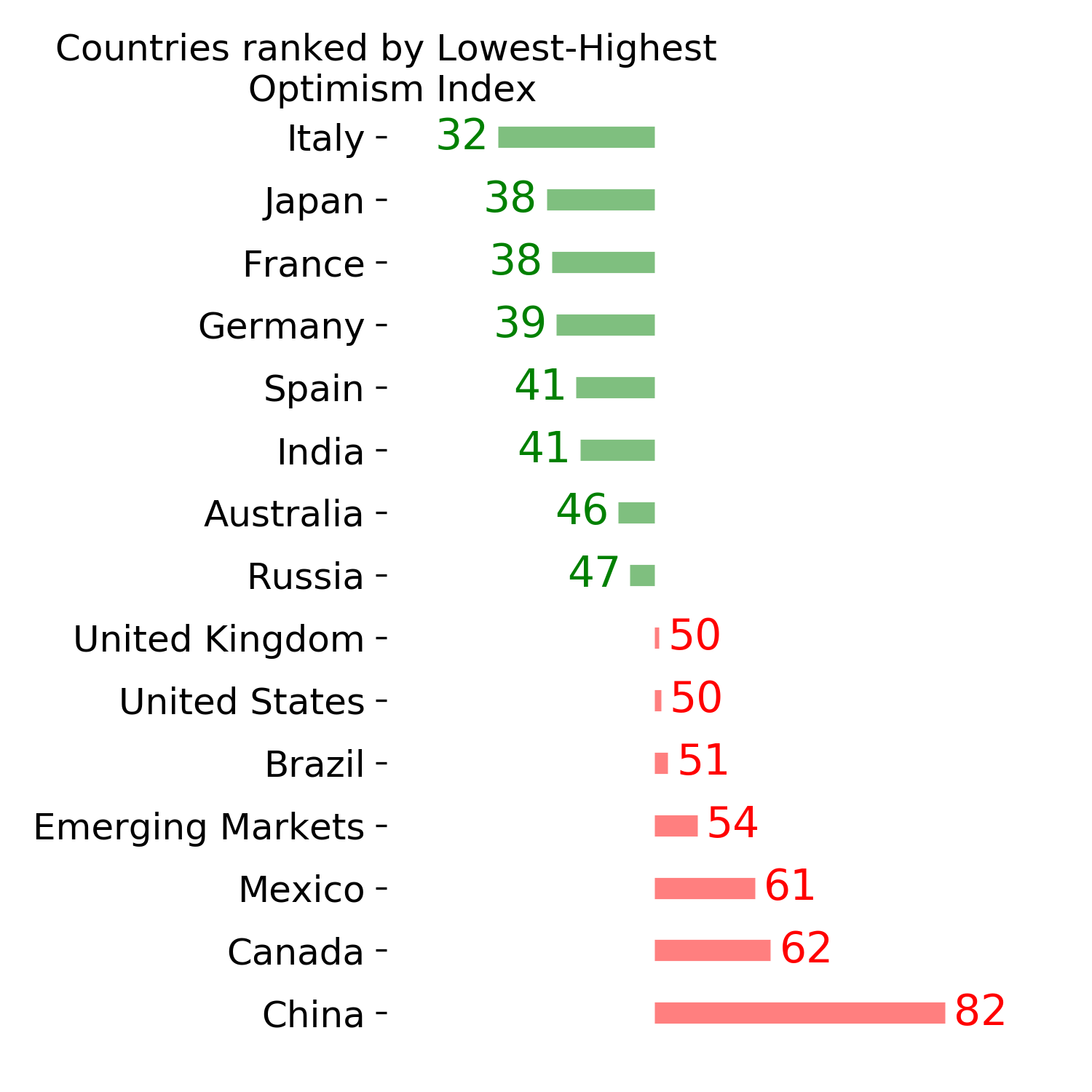
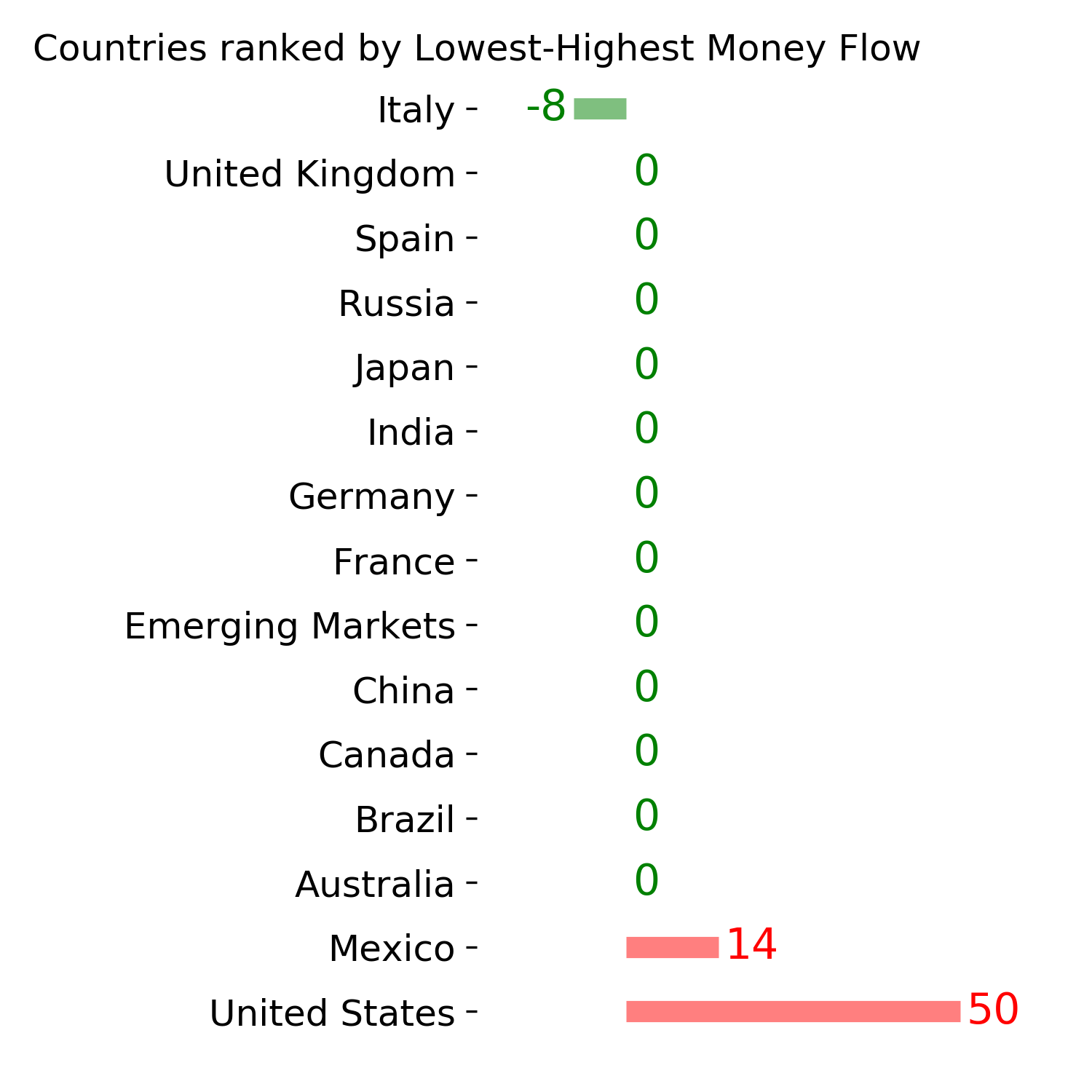
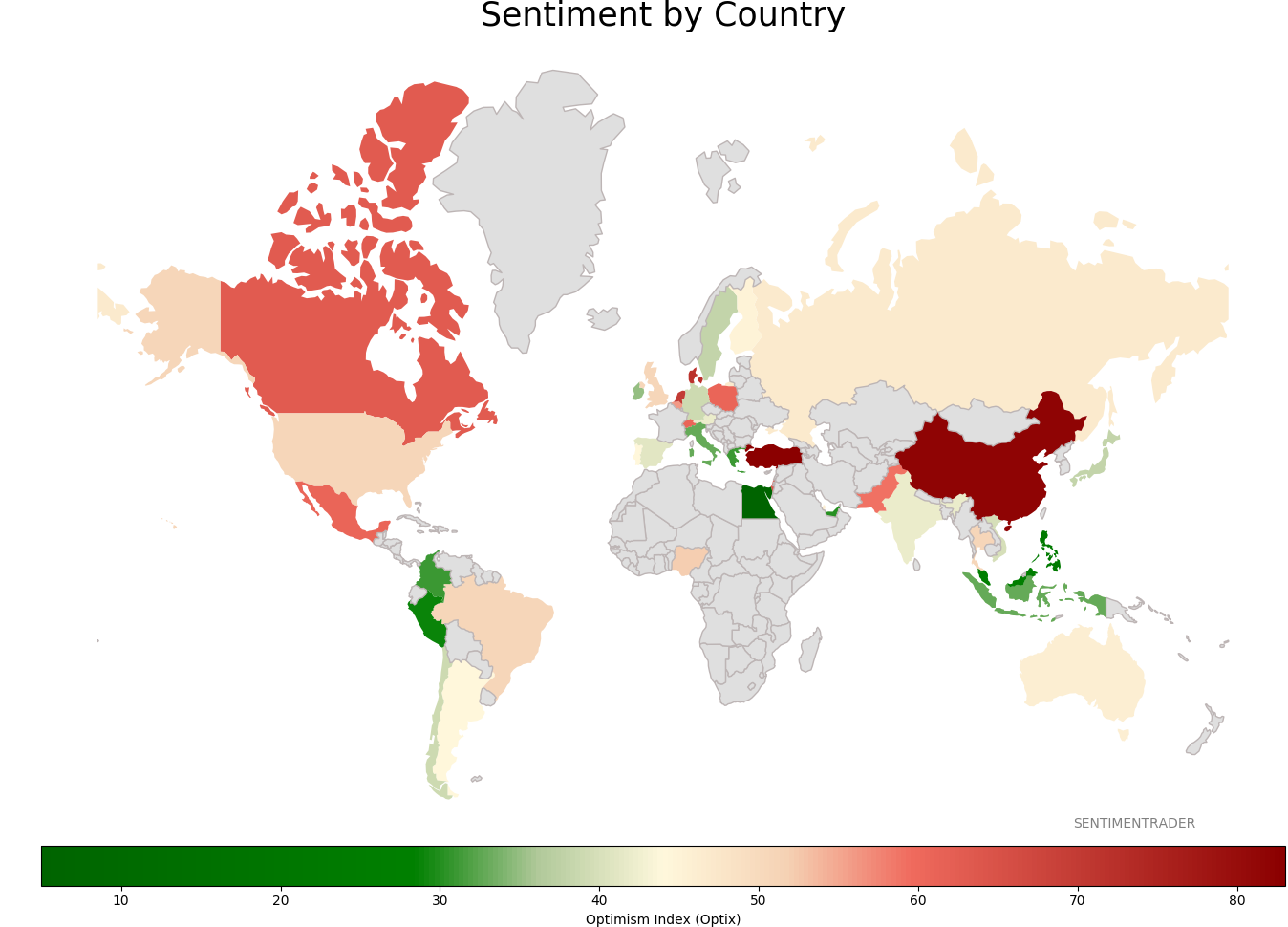
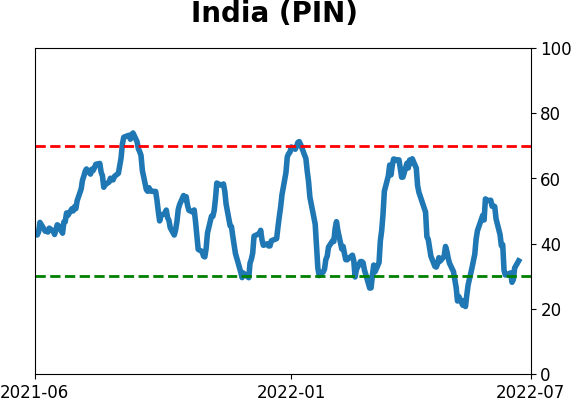
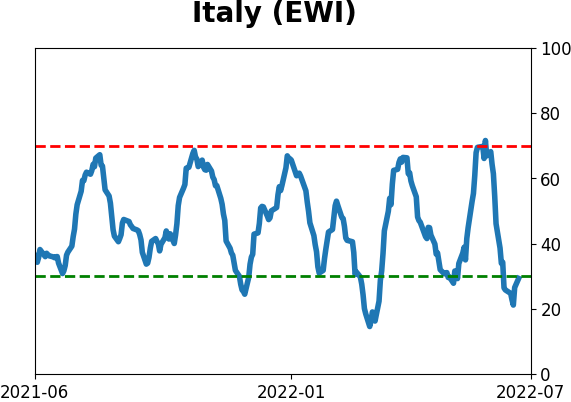
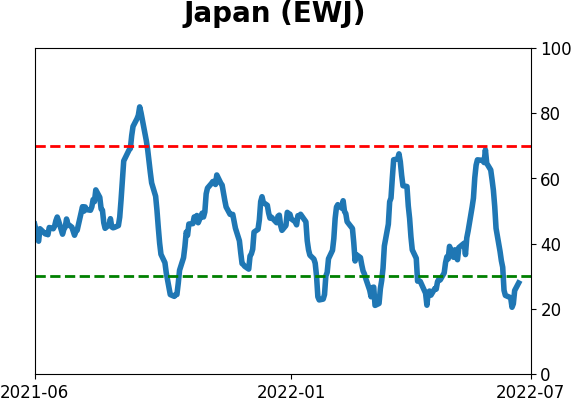
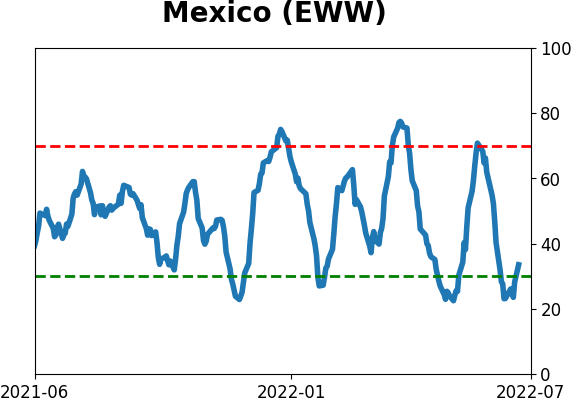
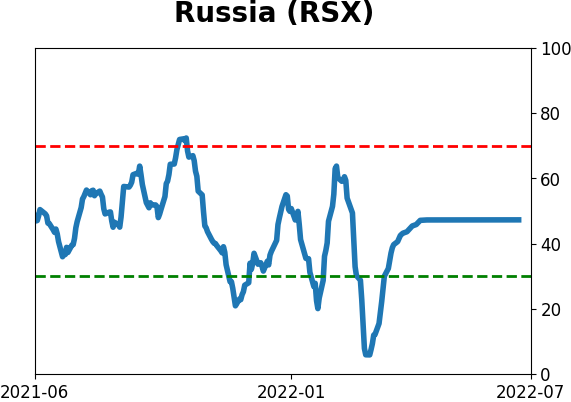
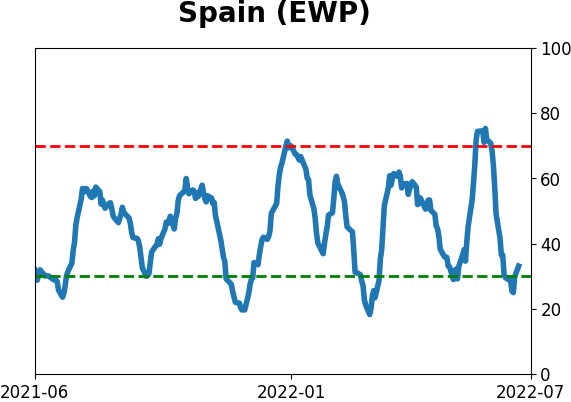
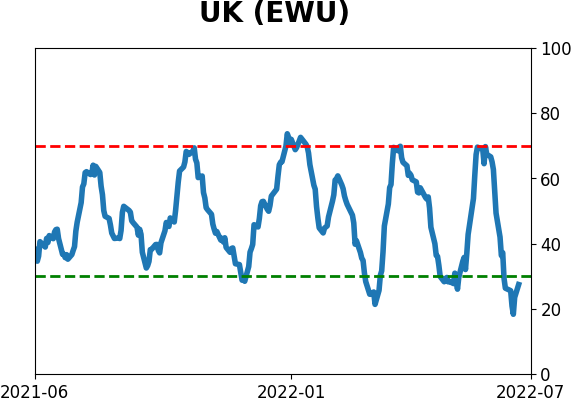
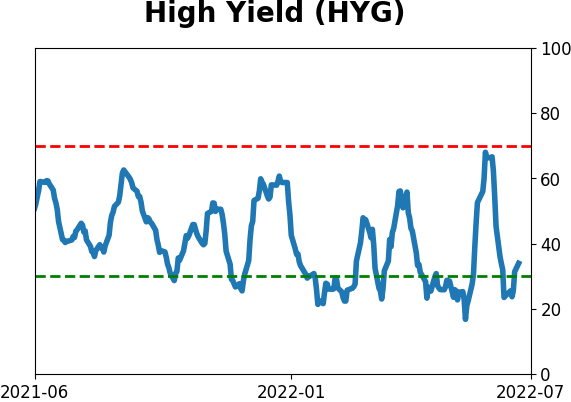
Sentiment Around The World

Click here to view on the site.

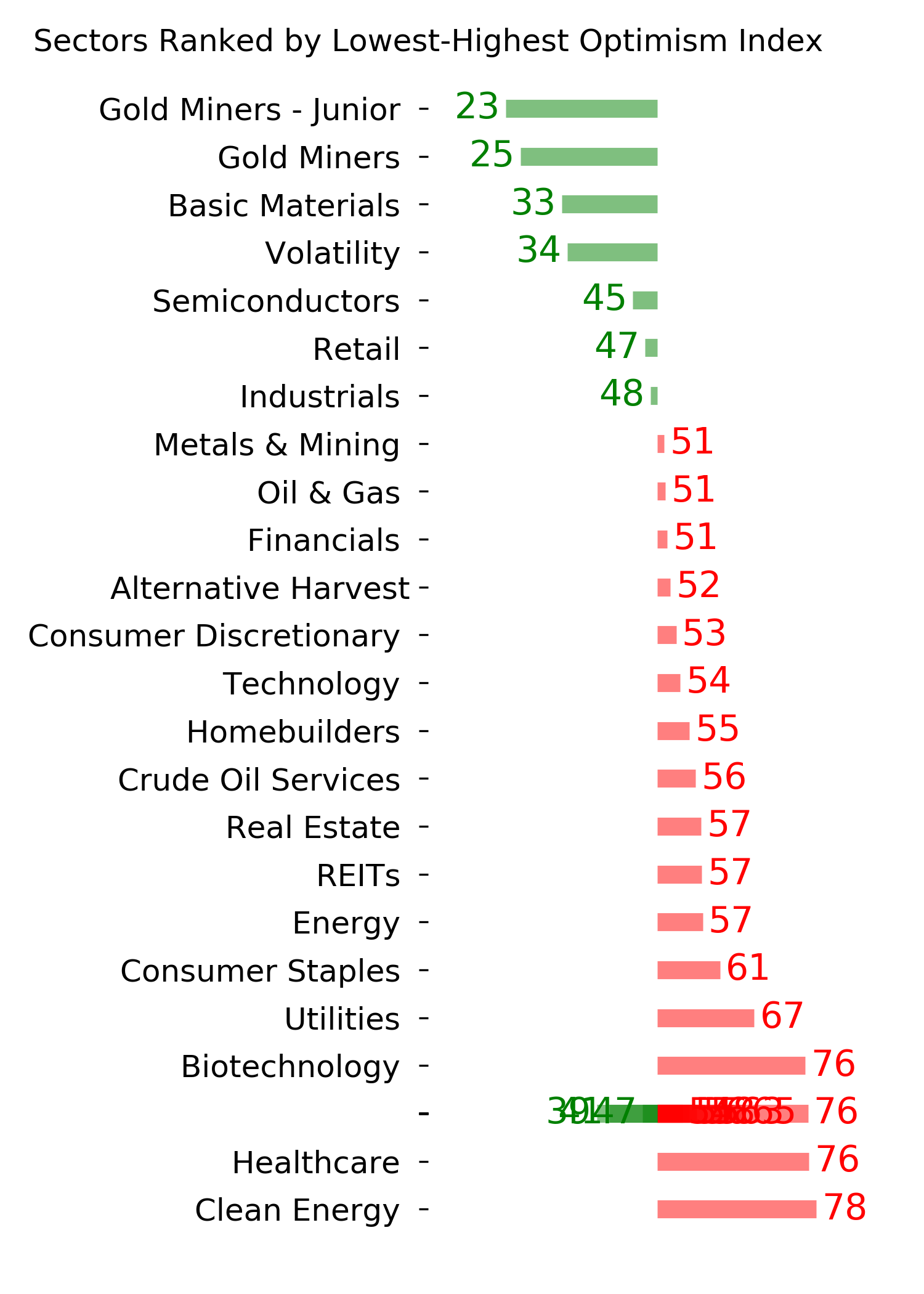
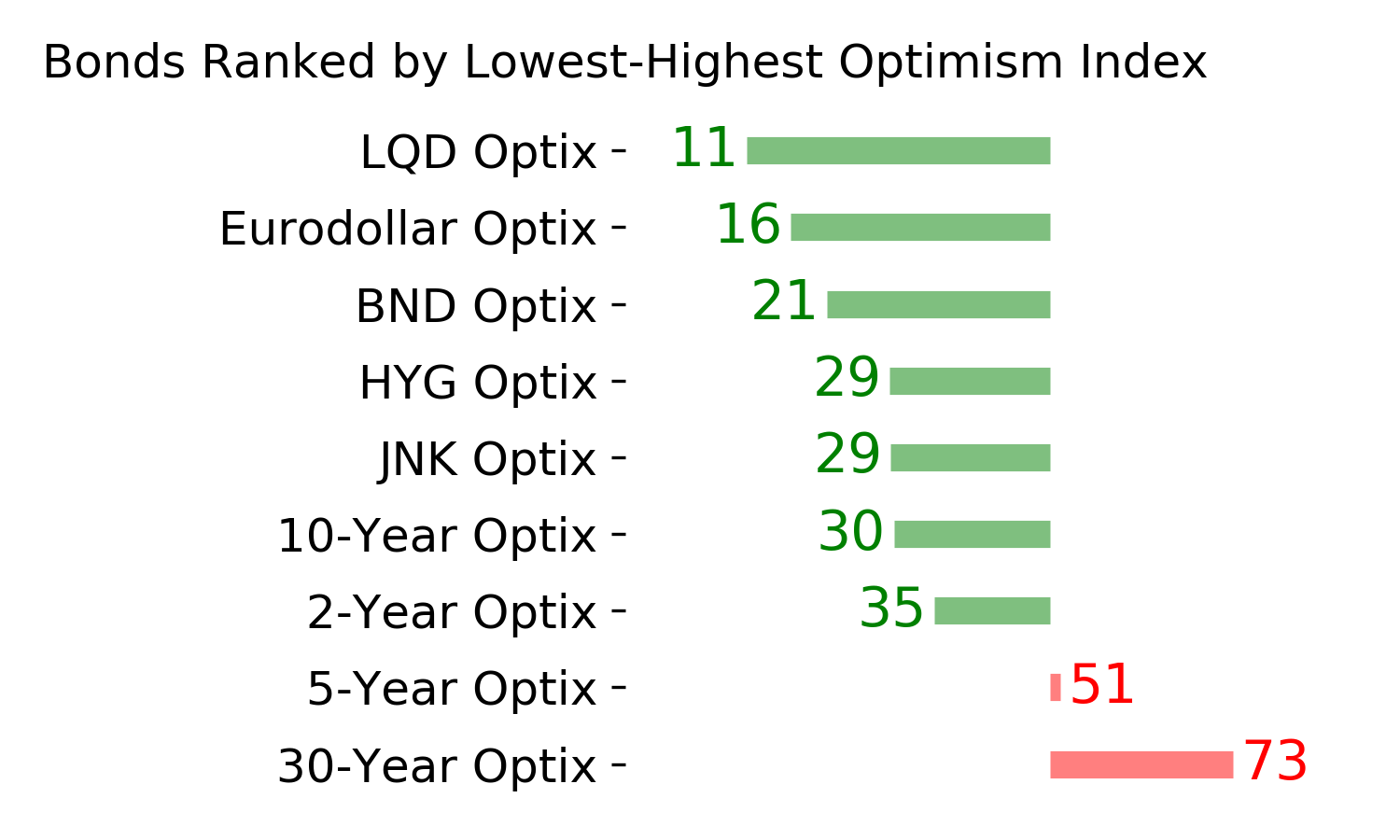
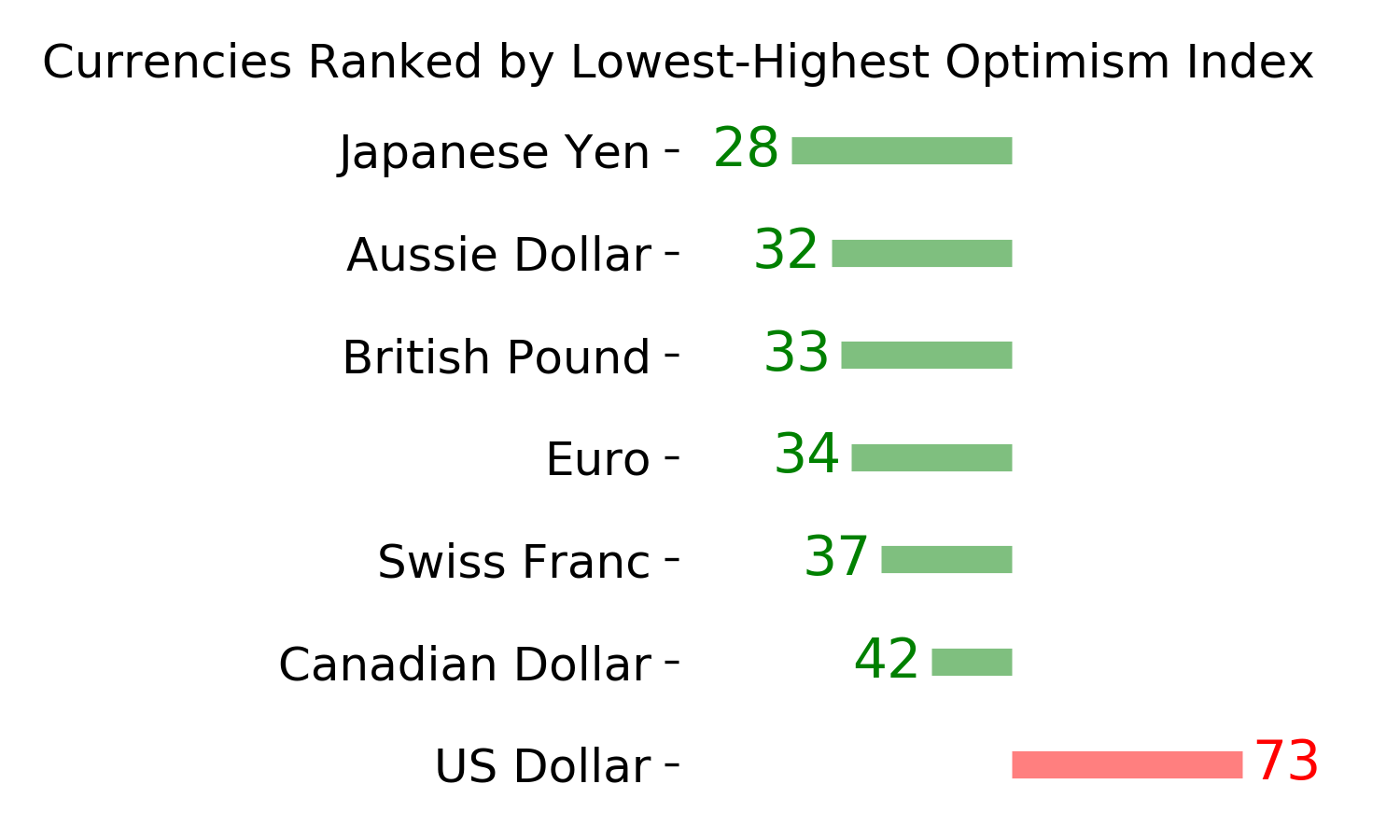
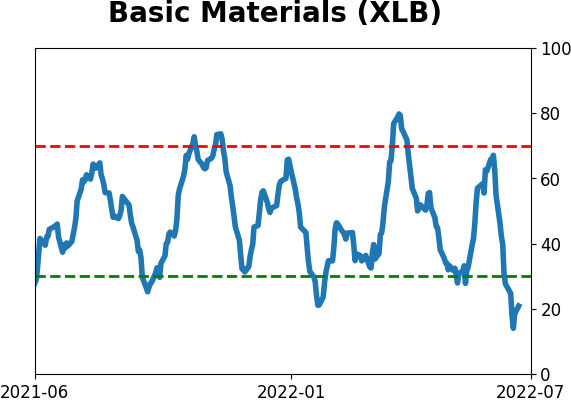
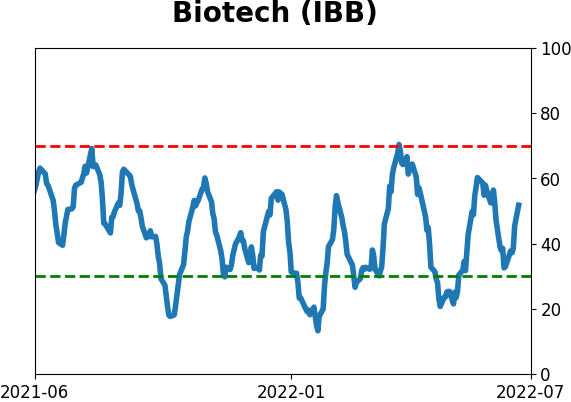
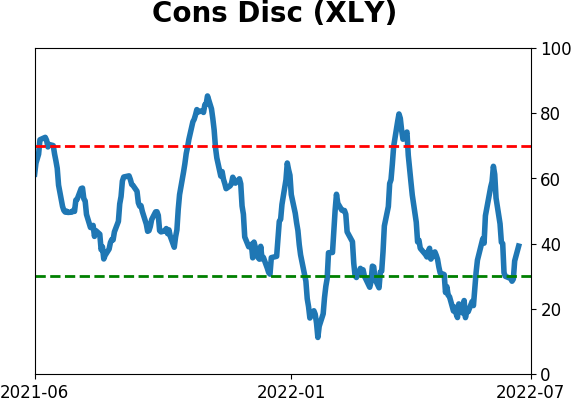
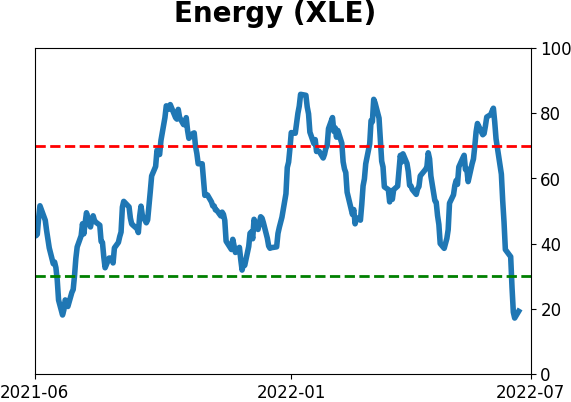
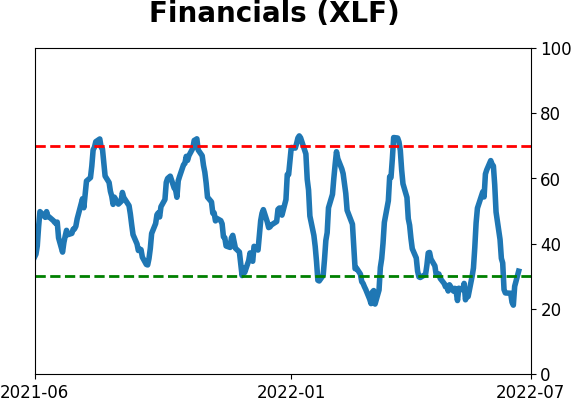
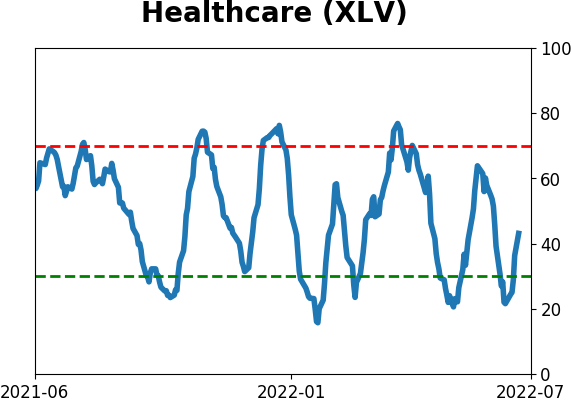
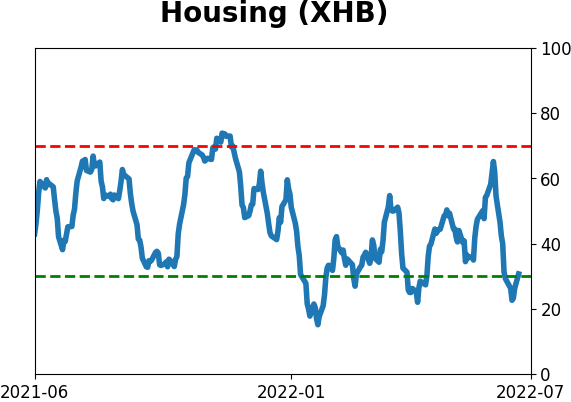
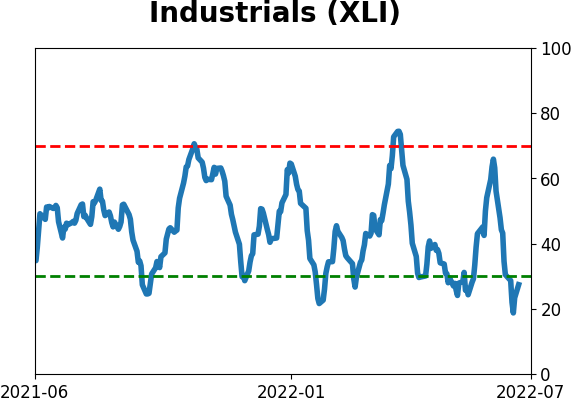
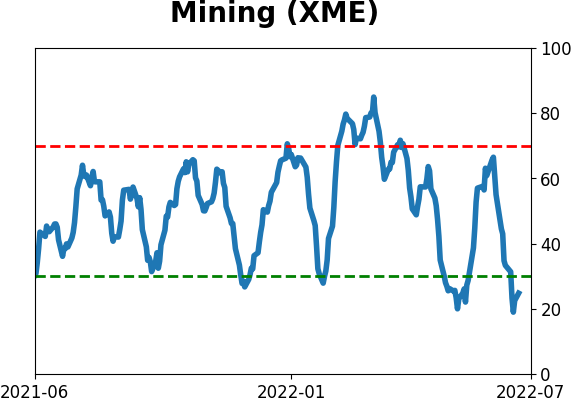
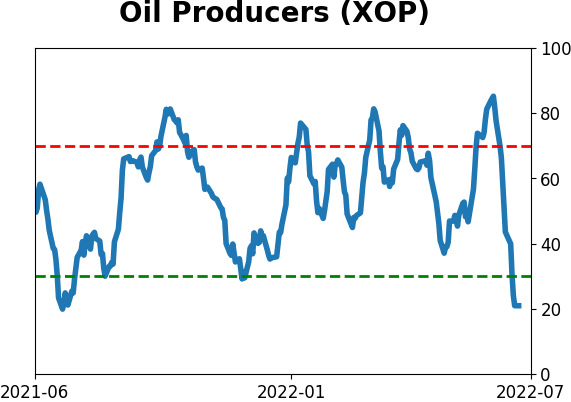
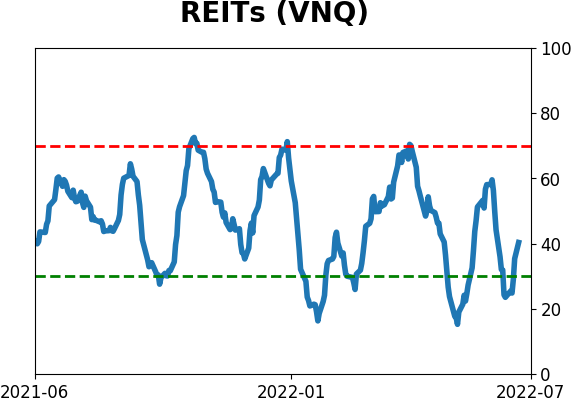
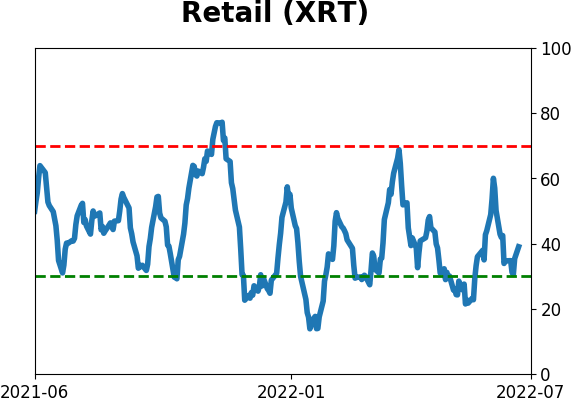
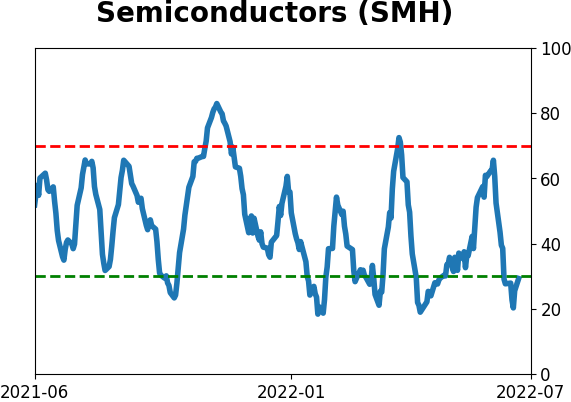
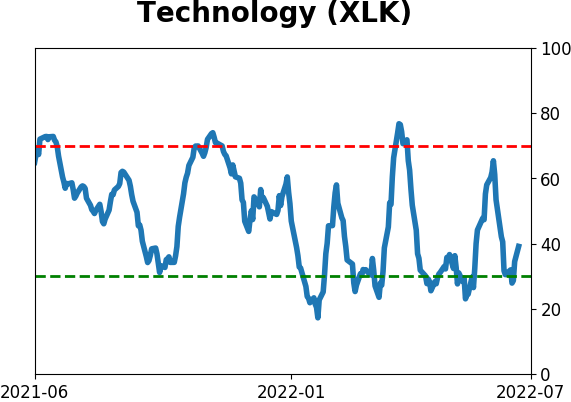
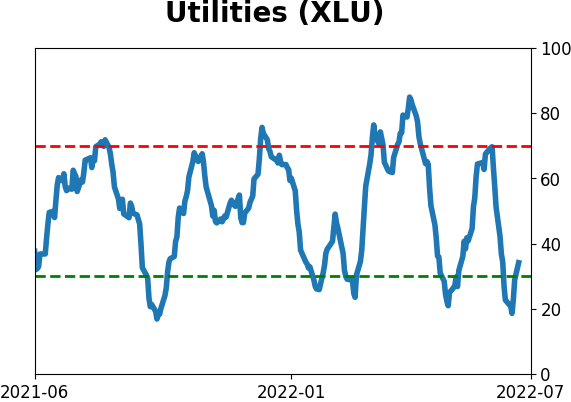
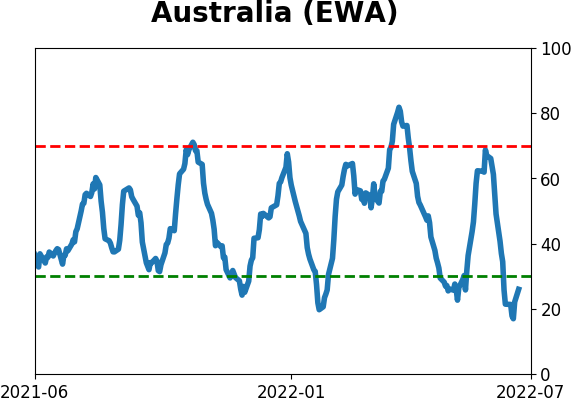
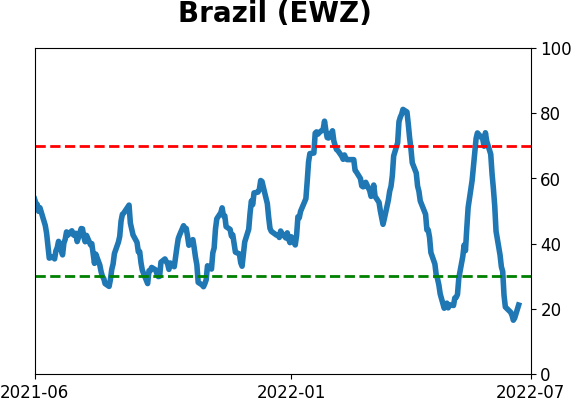
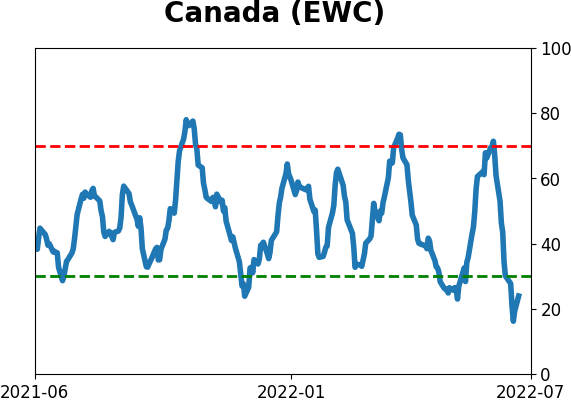
Optimism Index Thumbnails

Sector ETF's - 10-Day Moving Average
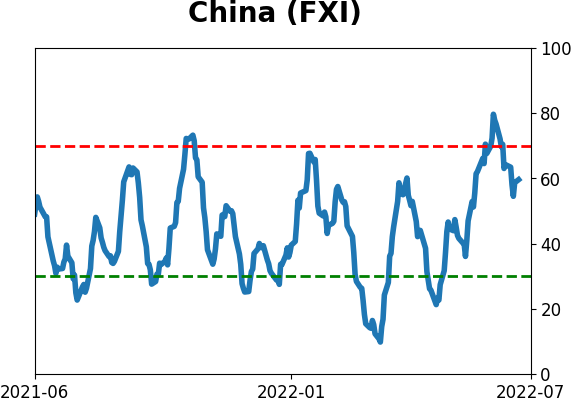
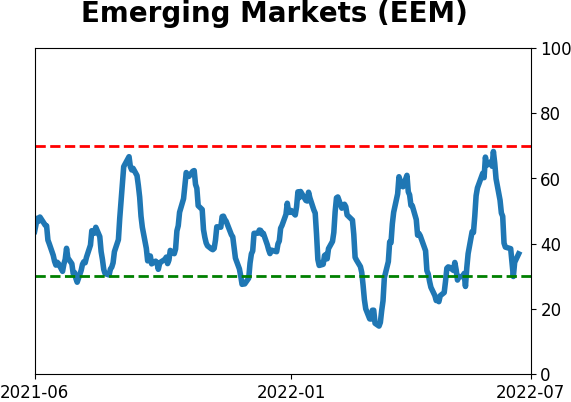
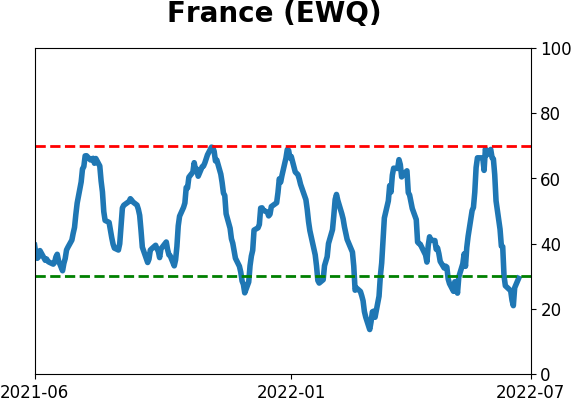
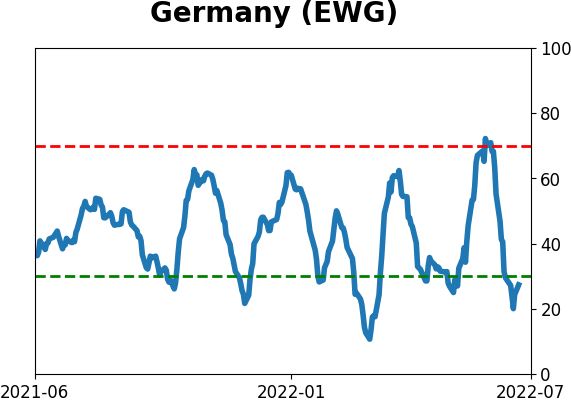
Country ETF's - 10-Day Moving Average
Bond ETF's - 10-Day Moving Average
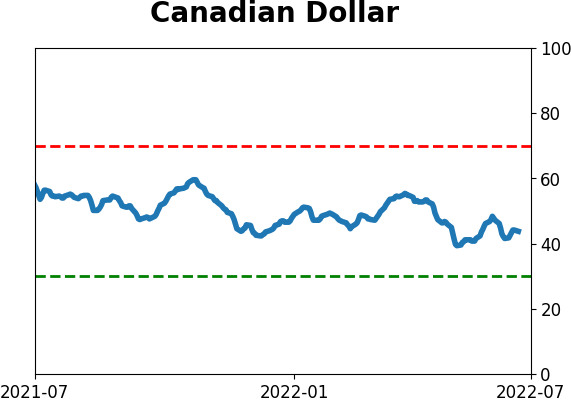
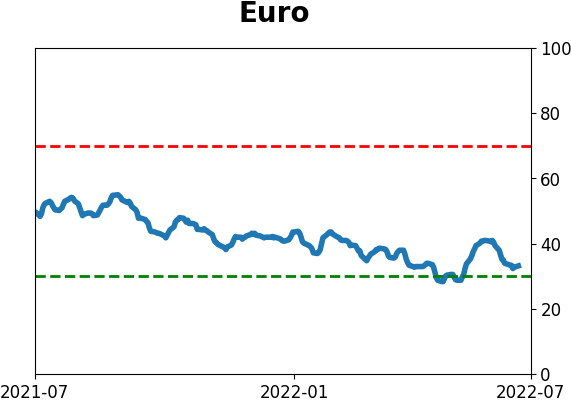
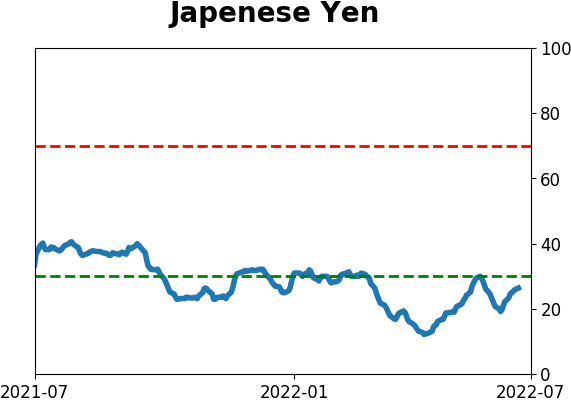
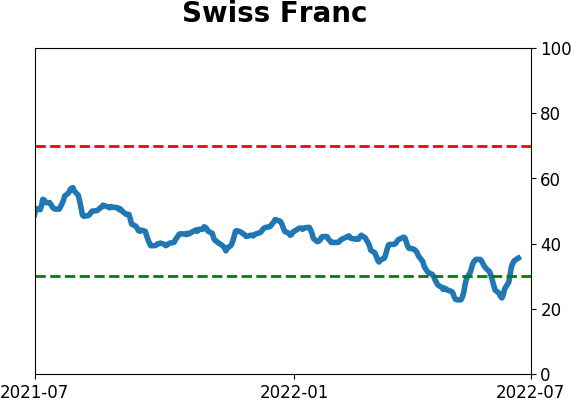
Currency ETF's - 5-Day Moving Average
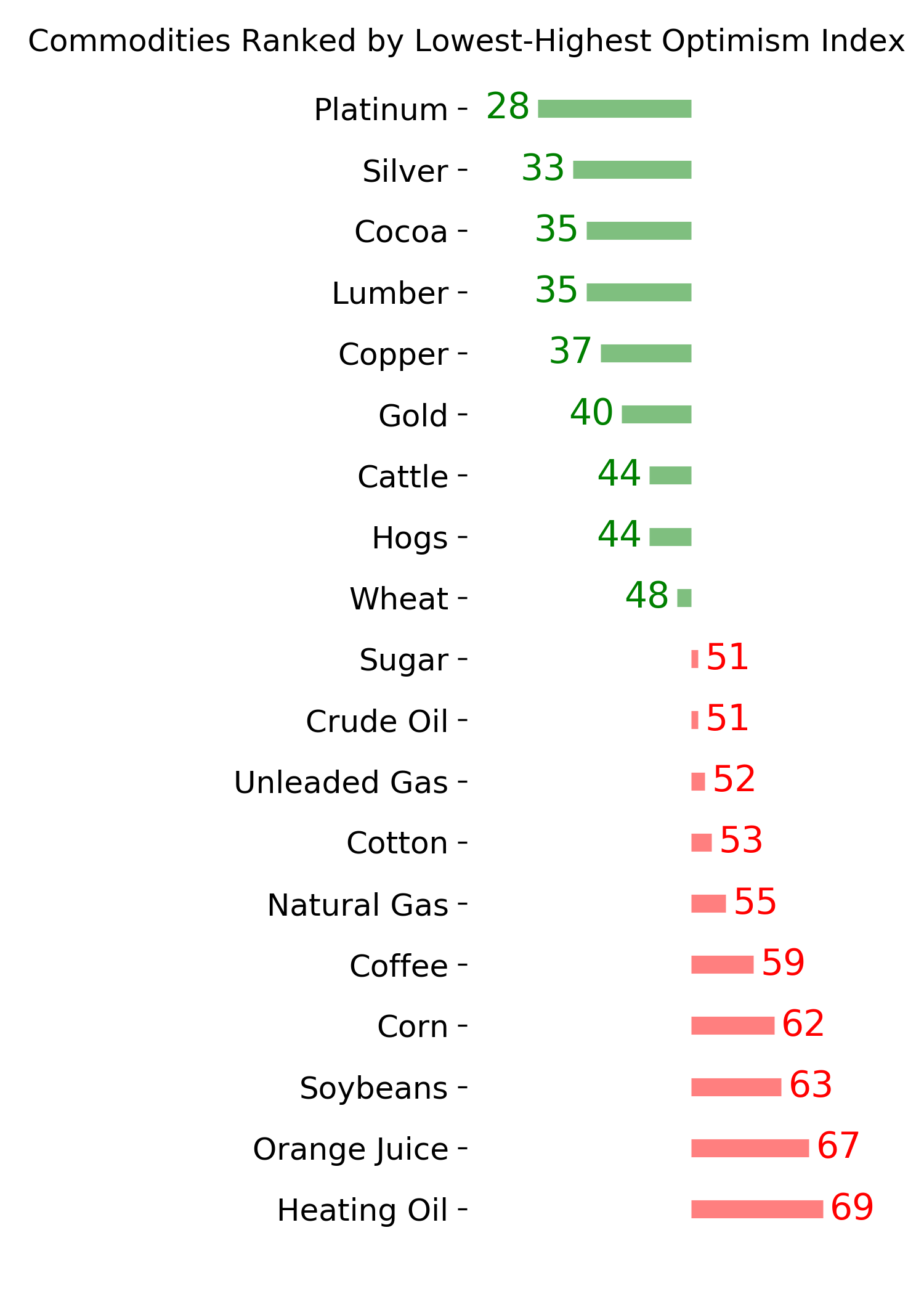
Commodity ETF's - 5-Day Moving Average
PRODUCTS
SentimenTrader
Trading Tools
Indicators & Data API
‍
Strategies & Scanner
‍
Research Reports
FREE
RESOUrCES
Simple Backtest
Calculator
Simple Seasonality
Calculator
The Kelly Criterion
Calculator
Sentiment Geo Map
‍
Public Research Reports
‍
Education
Sentiment Indicators
‍
Technical Indicators
‍
Pricing
Bundle pricing
‍
FAQ
‍
Announcements
‍
COMPANY
‍
About
‍
In the News
‍
Testimonials
‍
Client Success Stories
CONTACT
‍
General Inquiries
‍
Media Inquiries
‍
Financial Professionals Inquiries
‍
© 2026 Sundial Capital Research Inc. All rights reserved.
Setsail Marketing
TermsPrivacyAffiliate Program
Risk Disclosure: The information and tools provided are for research and analytical purposes only and are not intended as investment advice. Market analysis involves uncertainty, and outcomes may differ from expectations. Users should conduct their own due diligence and consider their individual circumstances before making any financial decisions. Past performance is not necessarily indicative of future results.

Hypothetical Performance Disclosure: Hypothetical performance results have many inherent limitations, some of which are described below. No representation is being made that any account will or is likely to achieve profits or losses similar to those shown; in fact, there are frequently sharp differences between hypothetical performance results and the actual results subsequently achieved by any particular trading program. One of the limitations of hypothetical performance results is that they are generally prepared with the benefit of hindsight. In addition, hypothetical trading does not involve financial risk, and no hypothetical trading record can completely account for the impact of financial risk of actual trading. for example, the ability to withstand losses or to adhere to a particular trading program in spite of trading losses are material points which can also adversely affect actual trading results. There are numerous other factors related to the markets in general or to the implementation of any specific trading program which cannot be fully accounted for in the preparation of hypothetical performance results and all which can adversely affect trading results.

Testimonial Disclosure: Testimonials appearing on this website may not be representative of other clients or customers and is not a guarantee of future performance or success.