Products
SentimenTrader Trading Tools
‍
Backtest Engine
My Trading Toolkit
Correlation Analysis
Seasonality
Market Prediction
Indicators & Data API
‍
Proprietary Indicators & Charts
Market Data API
Strategies & Scanner
‍
50+ Trading Strategies
Smart Stock Scanner
Smart Option Scanner
Research Reports
‍
Research Solutions
Reports Library
Free Resources
Simple Backtest Calculator
Simple Seasonality Calculator
The Kelly Criterion Calculator
Sentiment Geo Map
Public Research Reports
Education
Sentiment Indicators
Technical Indicators
Pricing
Company
About
In the News
Testimonials
Client Success Stories
Contact
Log inLoginSign up
< BACK TO ALL REPORTS

Daily Report : A breakout in breadth

Jason Goepfert
2023-06-20
One of the broadest measures of breadth, the Cumulative Advance/Decline Line for the S&P 500, has reached a new all-time high, leading the index itself. New highs in the line have tended to precede minimal drawdowns and selling pressure, and when the line leads the index, the index tends to follow.
View/Print a PDF version of this Report

Headlines


A breakout in breadth: One of the broadest measures of breadth, the Cumulative Advance/Decline Line for the S&P 500, has reached a new all-time high, leading the index itself. New highs in the line have tended to precede minimal drawdowns and selling pressure, and when the line leads the index, the index tends to follow.

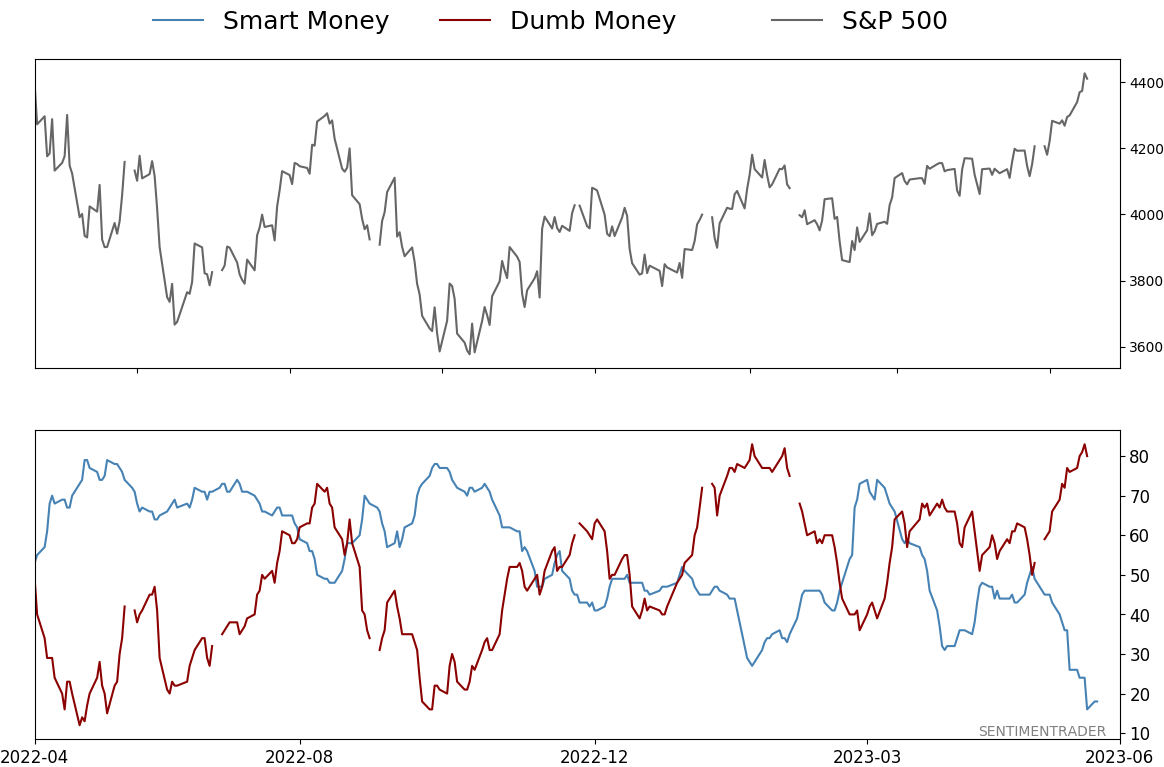
Smart / Dumb Money Confidence

Smart Money Confidence: 18% Dumb Money Confidence: 80%

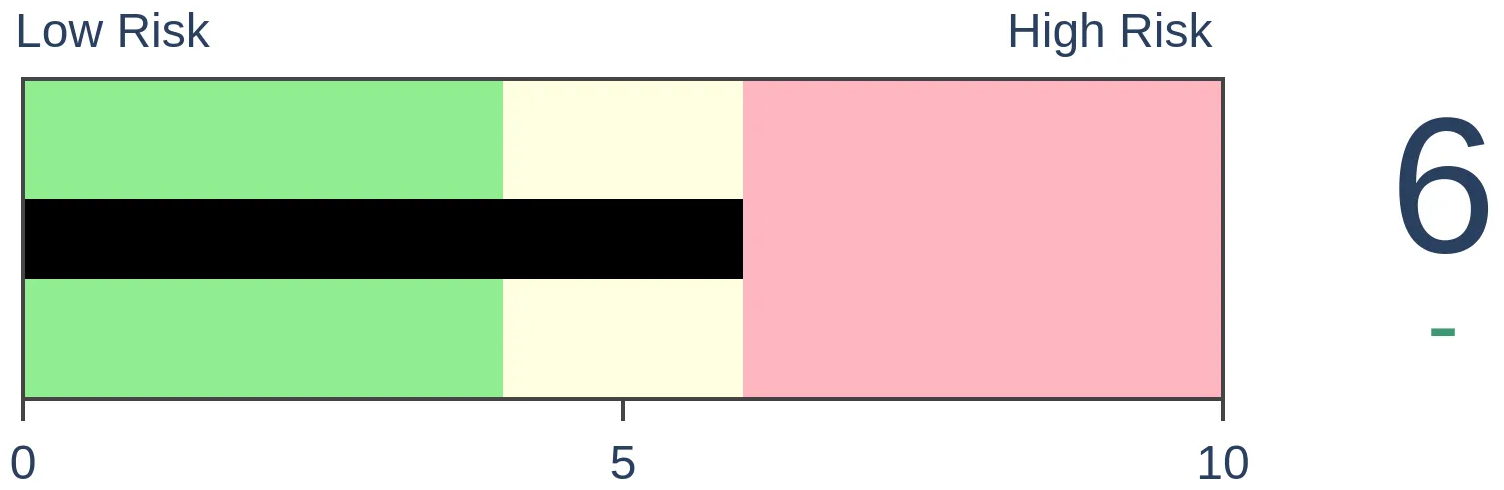
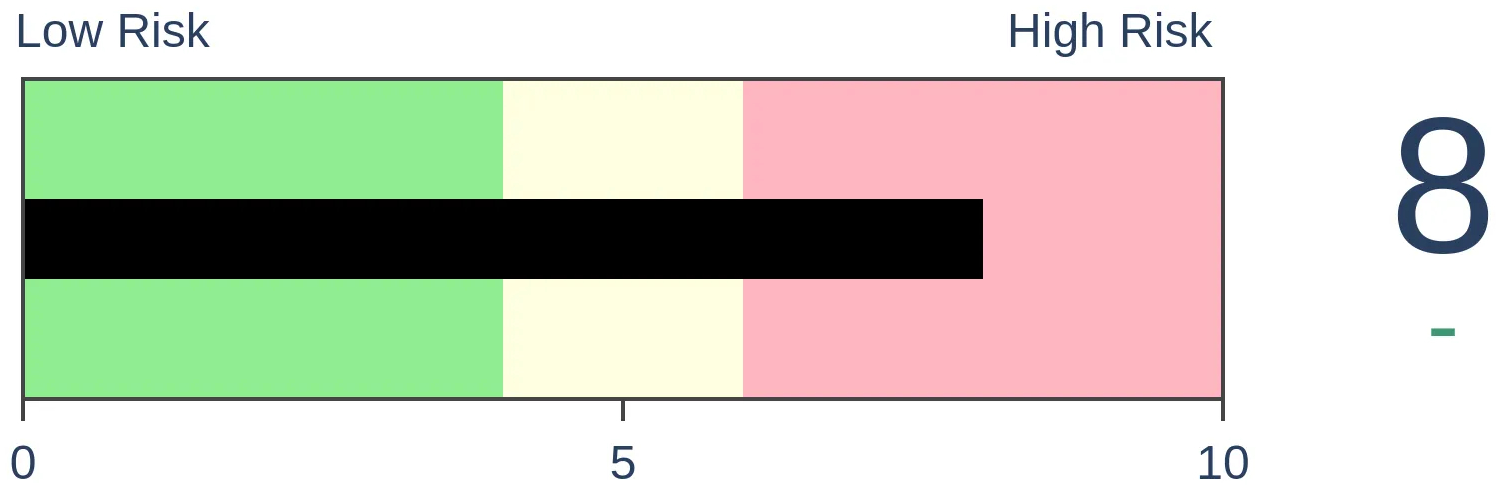
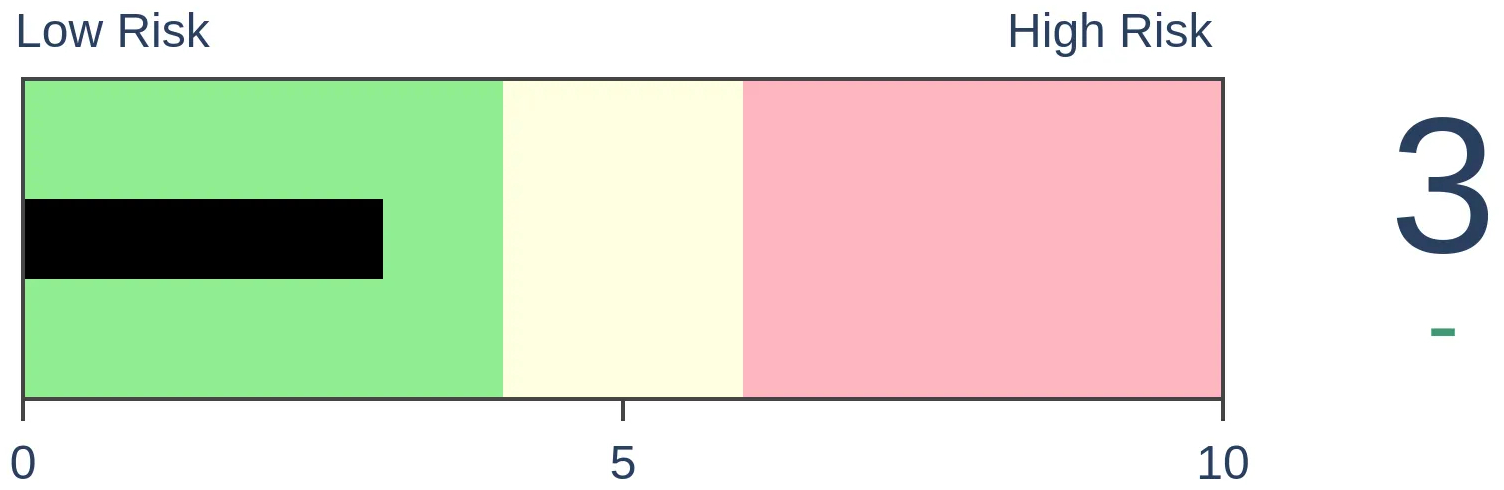
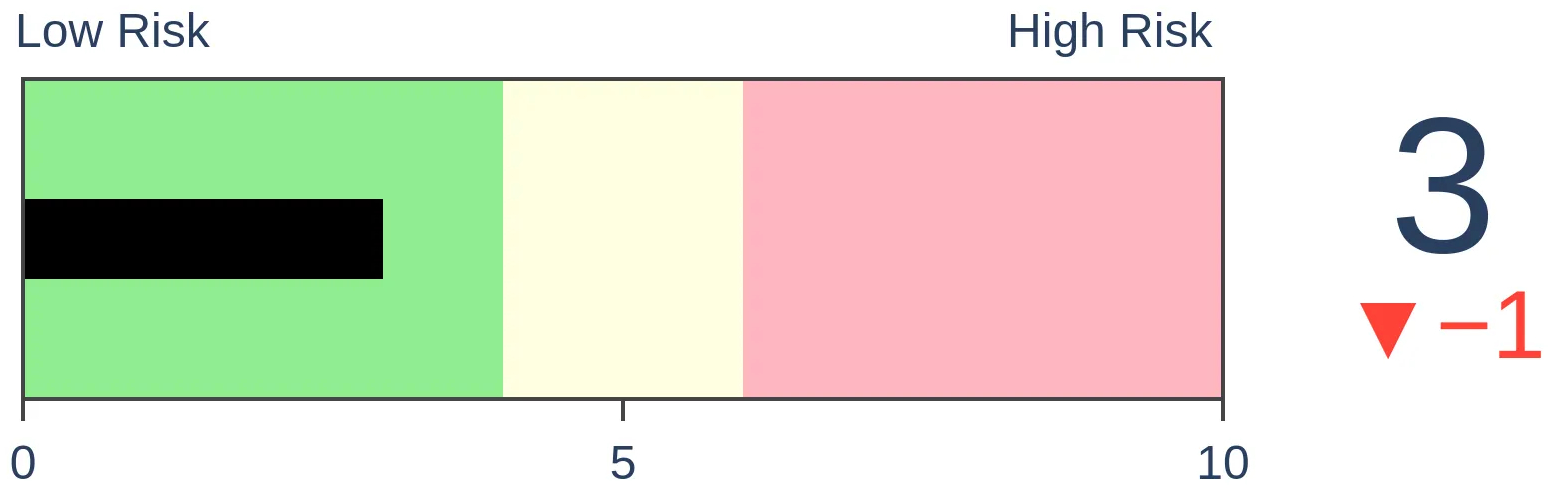
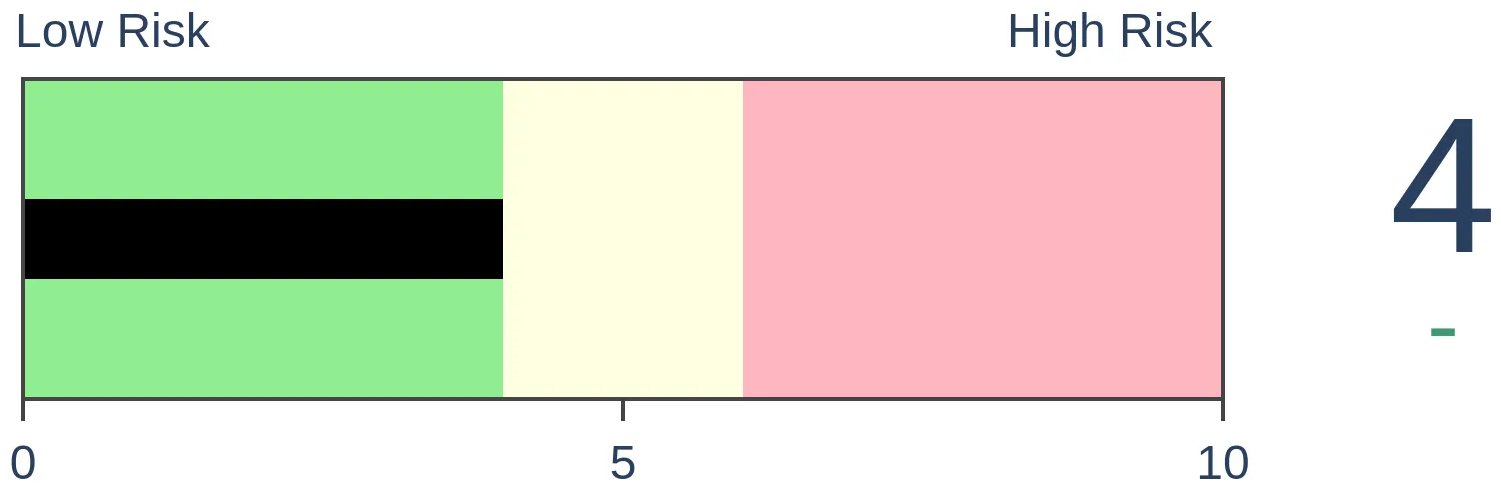
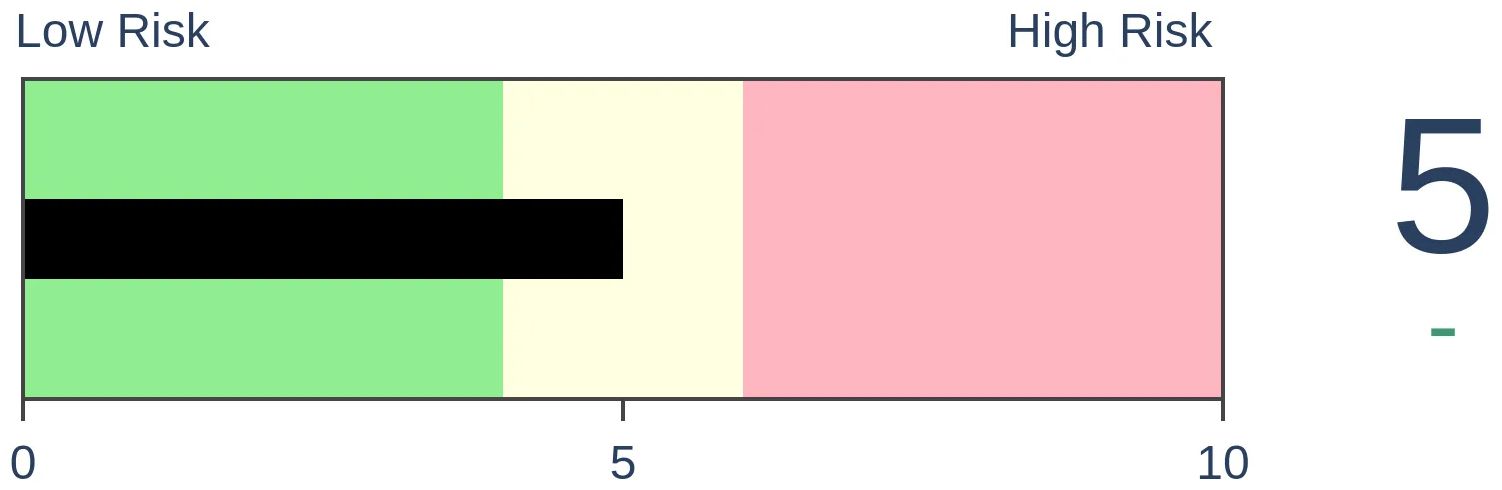
Risk Levels

Stocks Short-Term

Stocks Medium-Term

Bonds

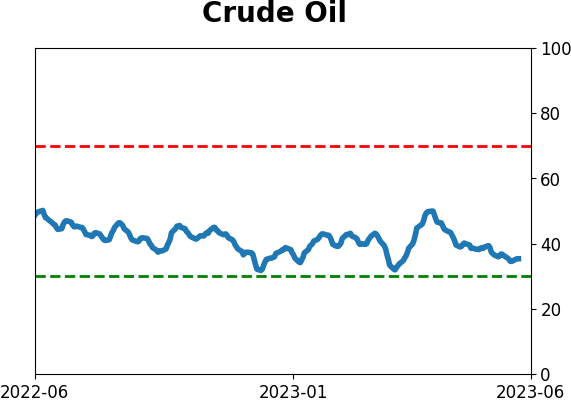
Crude Oil

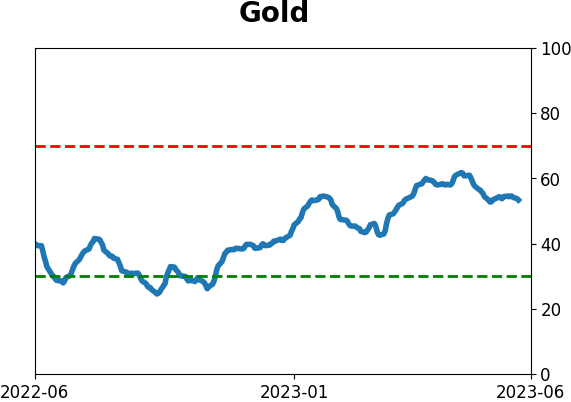
Gold

Agriculture

Research

A breakout in breadth

By Jason Goepfert

BOTTOM LINE
One of the broadest measures of breadth, the Cumulative Advance/Decline Line for the S&P 500, has reached a new all-time high, leading the index itself. New highs in the line have tended to precede minimal drawdowns and selling pressure, and when the line leads the index, the index tends to follow.

FORECAST / TIMEFRAME
None

Key points:

  • The S&P 500's Cumulative Advance/Decline Line has reached a fresh all-time high
  • New highs in the A/D Line have a strong record of preceding minimal drawdowns in the index
  • When the line leads the index to new highs, the index tends to follow

The S&P's broadest breadth measure has reached an all-time high

Since last October, we've spent a lot of time outlining the various breadth thrusts in sectors, industries, and across broad indexes. The lasting push has finally been enough to trigger a new all-time high in the S&P 500's Cumulative Advance/Decline Line.
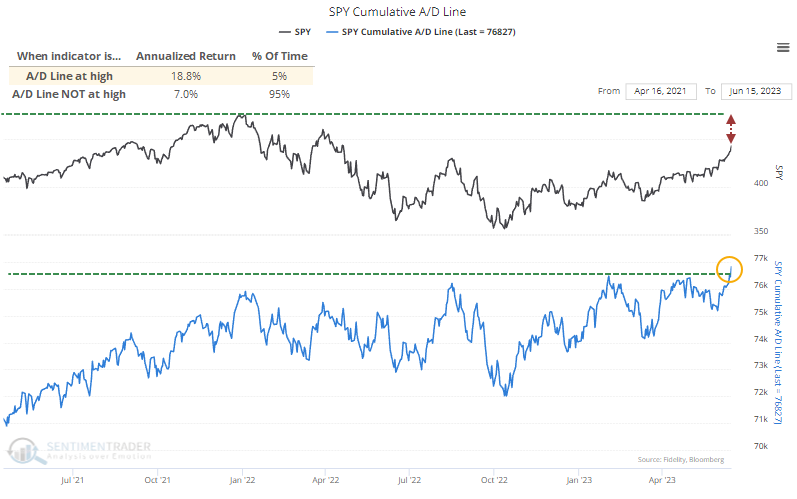
We can see from the chart that when the A/D Line scores a new high, the S&P's annualized return since 1928 has been +18.8%. That's well above those days when the line is not at a new high.

The chart below shows the S&P 500's returns after the A/D Line reaches a new high for the first time in at least 200 sessions. As we've seen before, the most notable aspect of these breakouts tends to be low drawdowns in the future. Out of 23 signals, only 3 witnessed a decline of more than -10% at any point within the next six months.
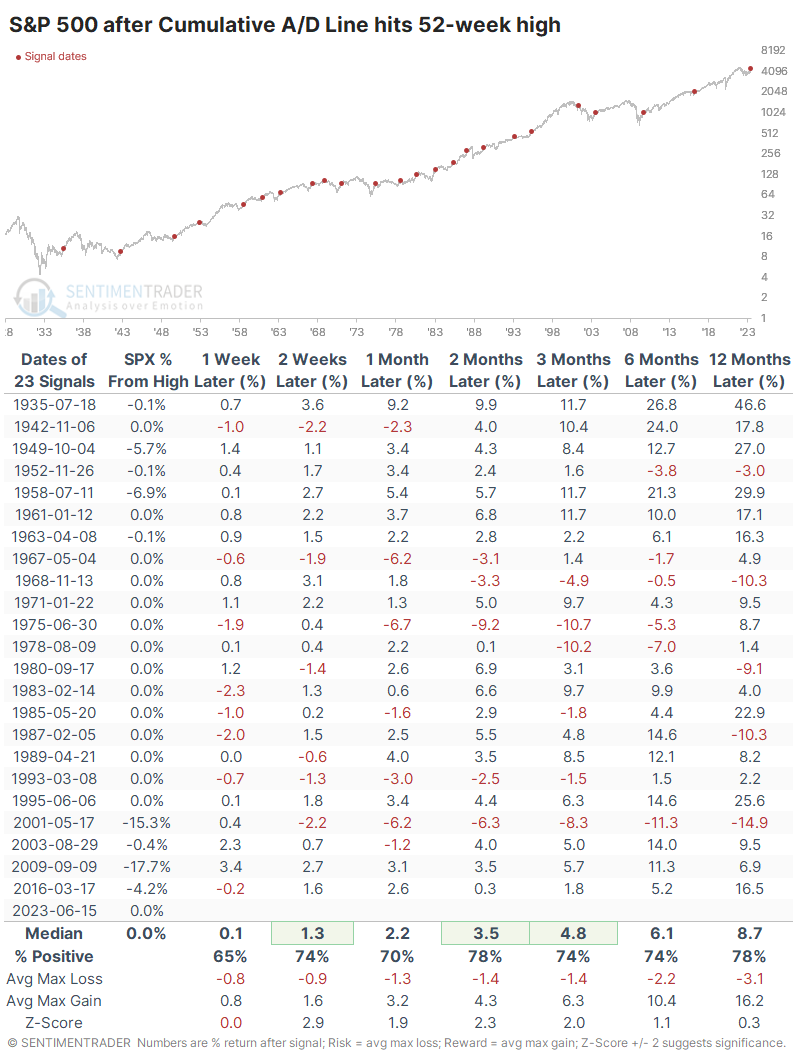
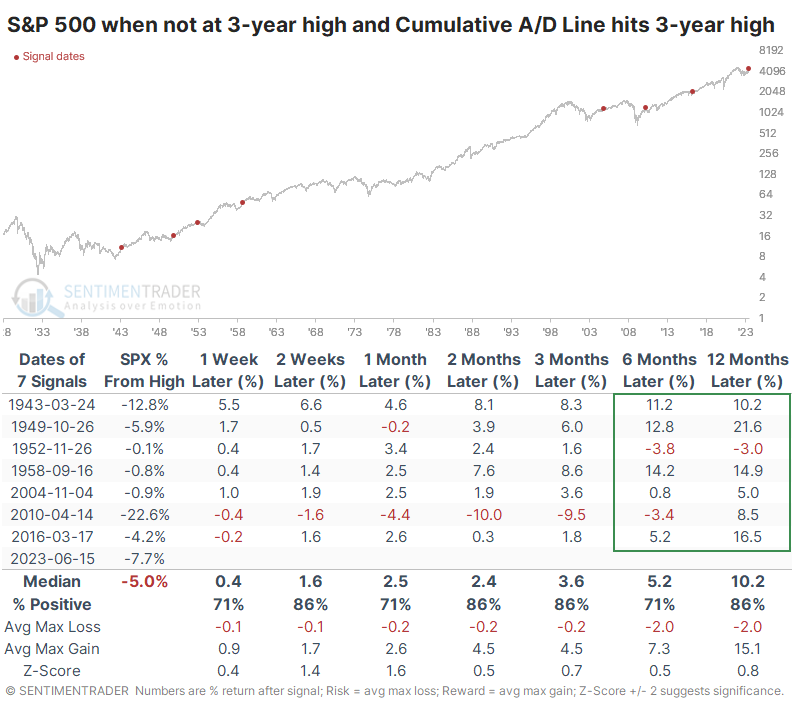
Not only did the A/D Line reach a fresh 52-week high, but it's also a multi-year high. That necessarily means a smaller sample size, but the S&P's consistency improved over the medium- to long-term after these rarer occurrences. The only signal that suffered a more than -10% drawdown within the next six months was in 2010, which quickly reversed as the S&P soared to new highs.
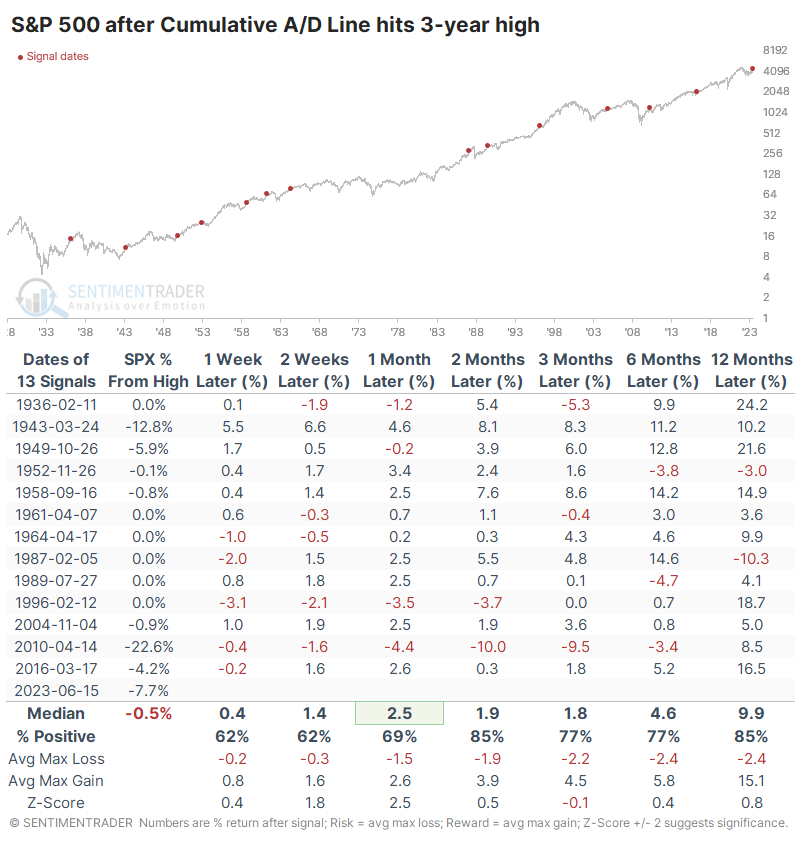
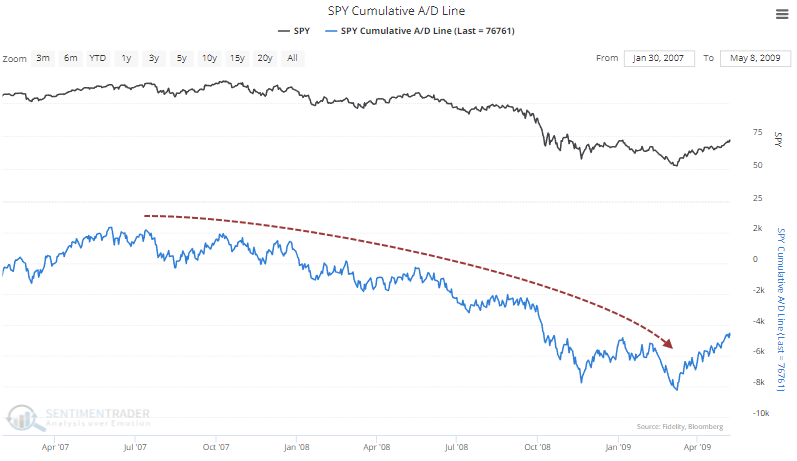
Investors are always worried about the last bear market, and for what that's worth, the A/D Line never reached a 3-year high at any point during the most fearsome protracted bear markets. In 2008, it was a steady drop lower throughout the entire thing.
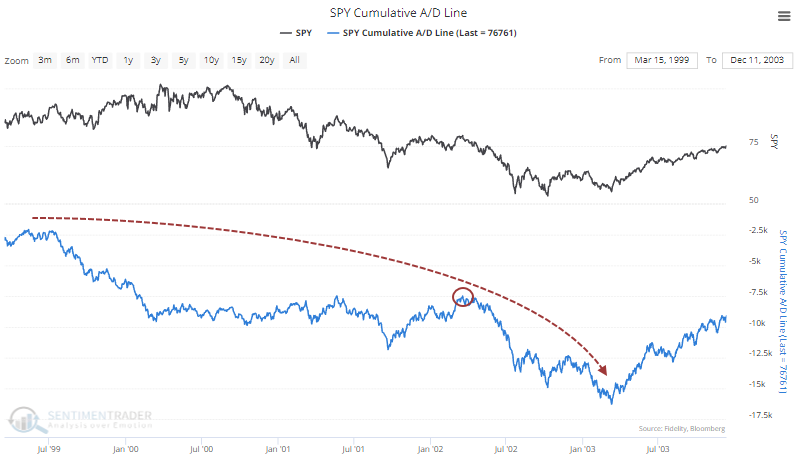
In 2001-02, it was similar, though there was a day - literally a single session - when the A/D Line made a 2-year high (but not a 3-year high) in March 2002.
Even more rare is that the A/D Line has scored a multi-year high while the S&P itself is still well below its own high. If we filter the table above to only include those signals when the line was leading the index, forward returns were quite good, with the most significant exception again being in 2010.
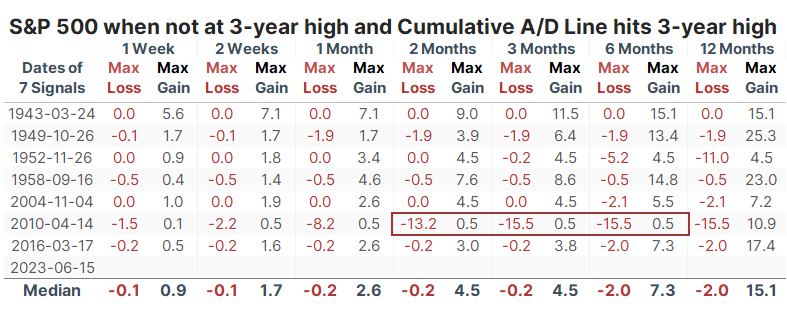
The table of maximum gains and losses over each time frame shows how limited any losses tended to be. Again, only 2010 sticks out.
What the research tells us...

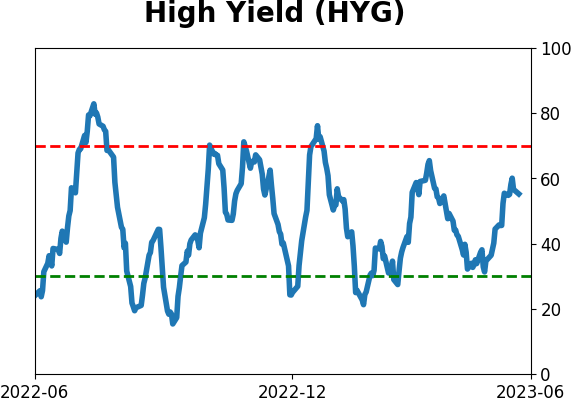
The biggest factor for a bullish outlook over the past eight months has been the notable eagerness of buyers to gobble up a broad array of stocks and even high-yield bonds at times. The thrusts have had an impressive historical track record, and several types have been triggered since October. The persistent nature of the buying interest has been enough to push one of the broadest measures of breadth to an all-time high. While any indicator can fail, this one has a strong track record of preceding minimal drawdowns for stocks over at least the next six months.


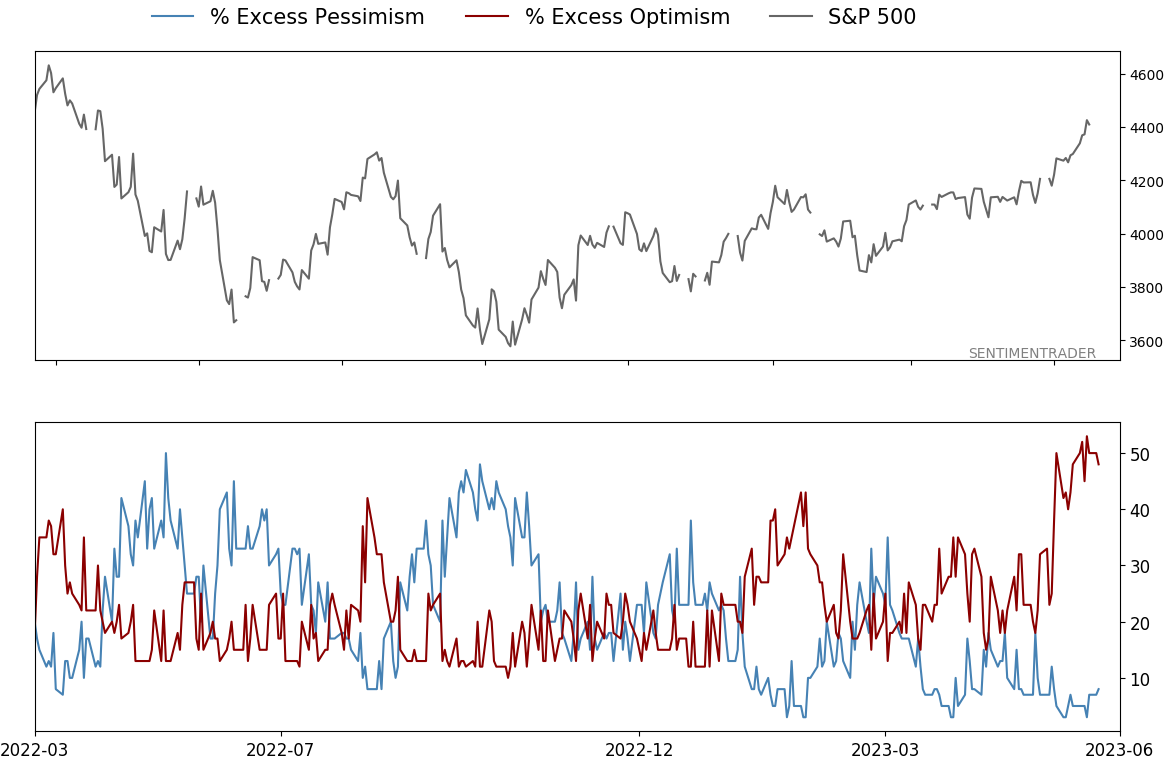
Indicators at Extremes

Click here to view on the site (% Extremes and "Excess" tabs on the dashboard).
% Showing Pessimism: 8%
Bullish for Stocks

Inverse ETF Volume
S&P 500 Down Pressure
NYSE Up Volume Ratio
Rydex Bearish Flow
Mutual Fund Flow (no ETFs)
% Showing Optimism: 48%
Bearish for Stocks

Smart Money / Dumb Money Confidence Spread
Smart Money Confidence
NYSE High/Low Ratio
Short-term Optimism Index (Optix)
Dumb Money Confidence
% Showing Excess Optimism
Intermediate Term Optimism Index (Optix)
VIX
VIX Term Structure
Rydex Money Market %
Rydex Ratio
SKEW Index
Equity Hedging Index
Equity Put/Call Ratio
OEX Put/Call Ratio
Equity Put/Call Ratio De-Trended
Options Speculation Index
OEX Open Interest Ratio
Risk Appetite Index
NAAIM Exposure Index
AAII Bull Ratio
AIM (Advisor and Investor Model)
Retail Money Market Ratio
AAII Allocation - Stocks
NYSE Available Cash
Equity / Money Market Asset Ratio
Mutual Fund Cash Level
VIX Transform

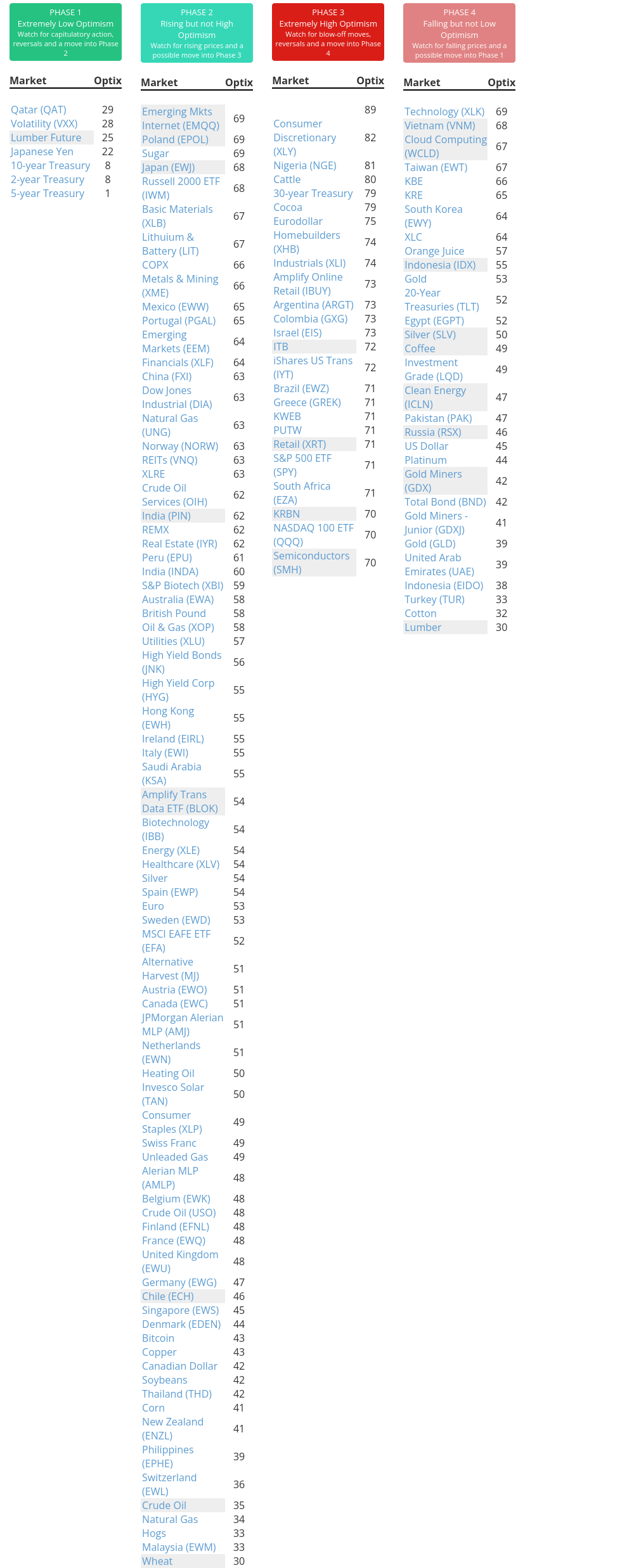
Phase Table

Click here to view the Phase Table on the site.

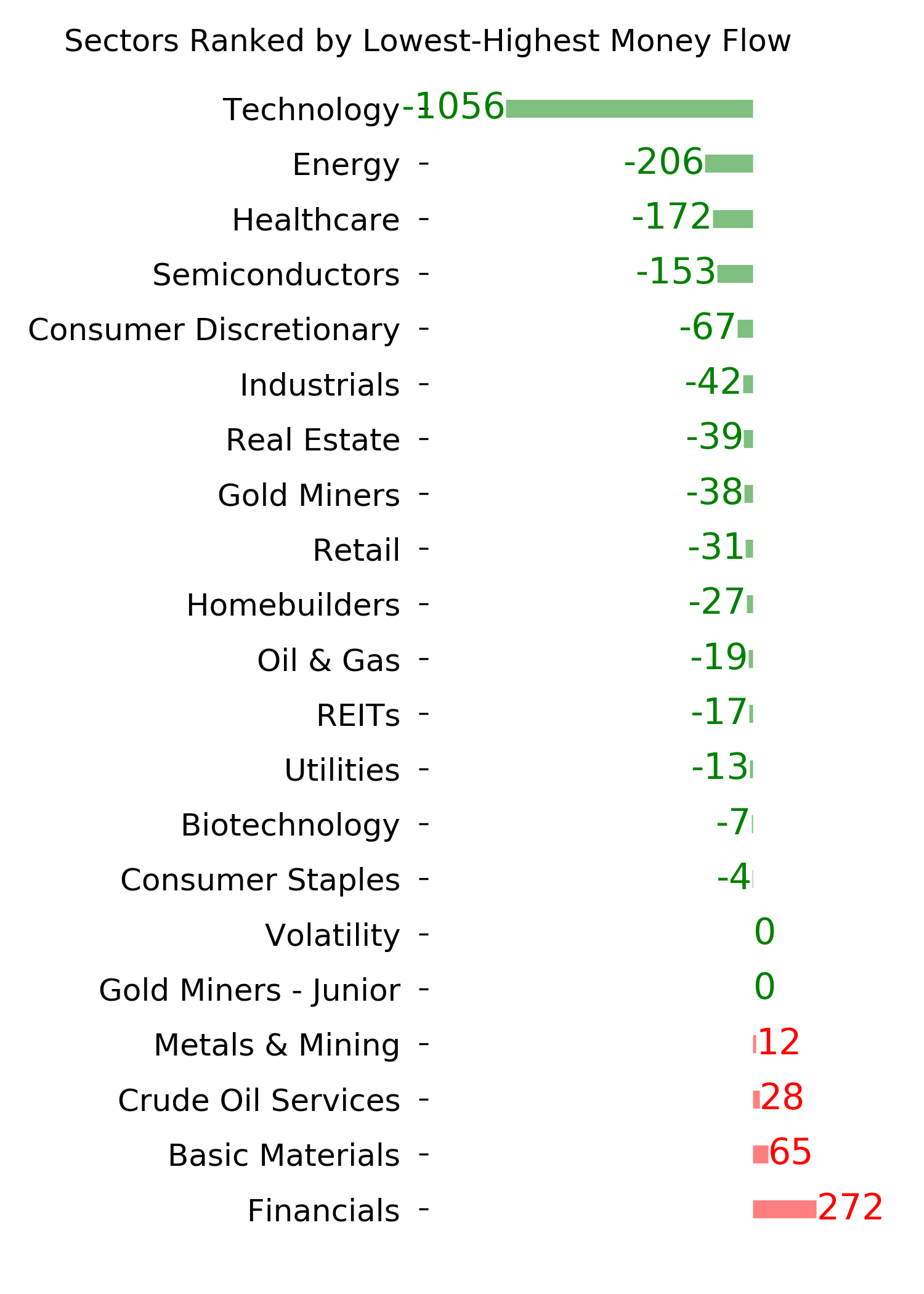
Ranks

Click here to view on the site (Ranks tab on the Dashboard).

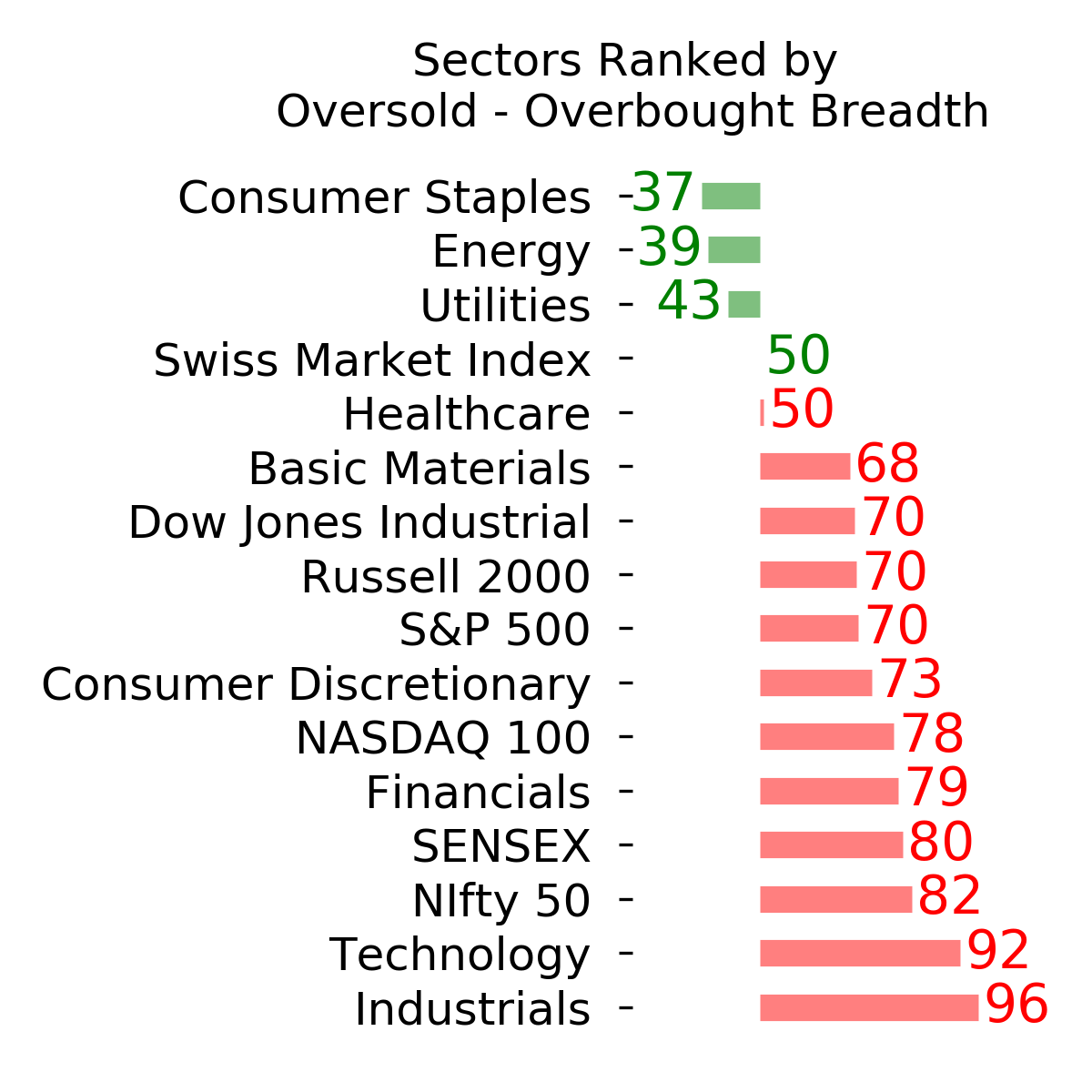
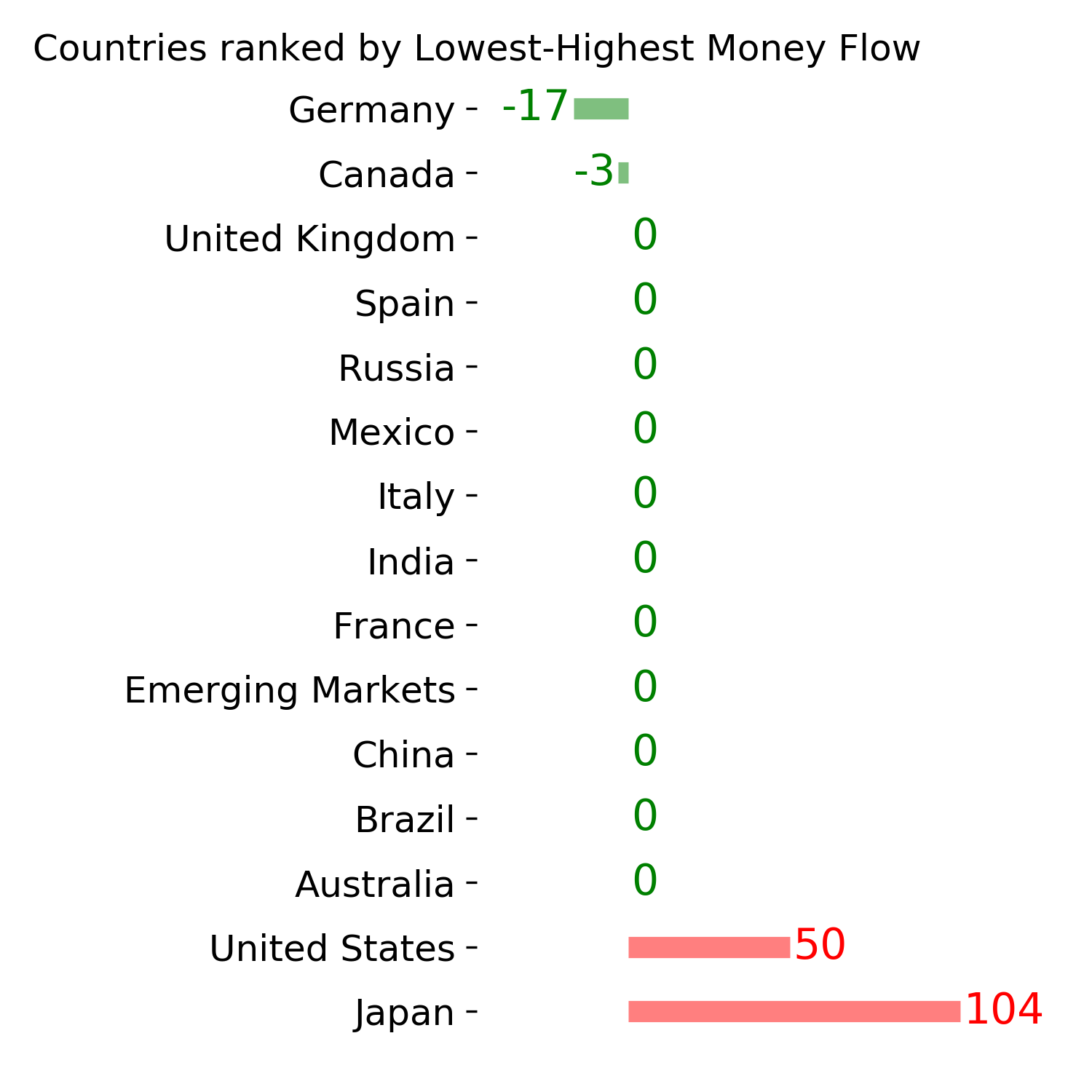
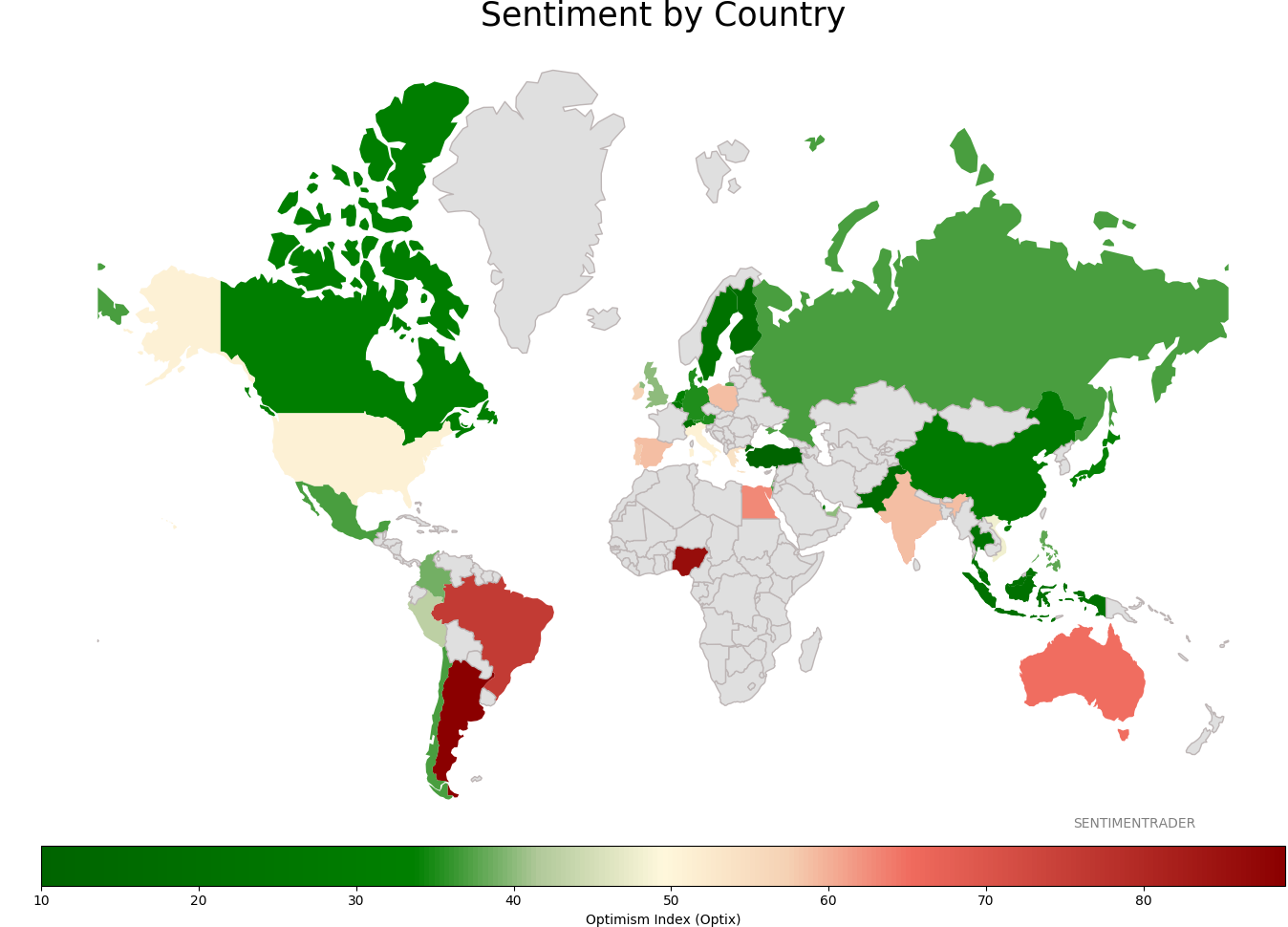
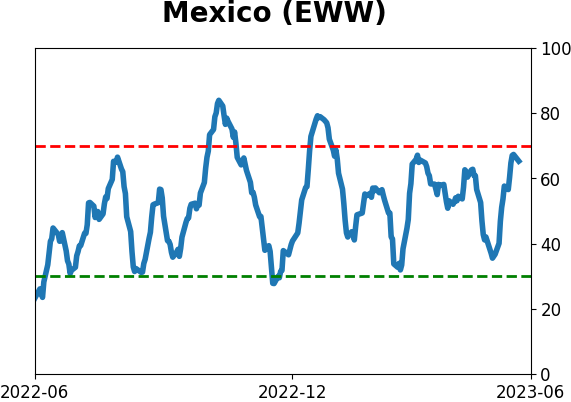
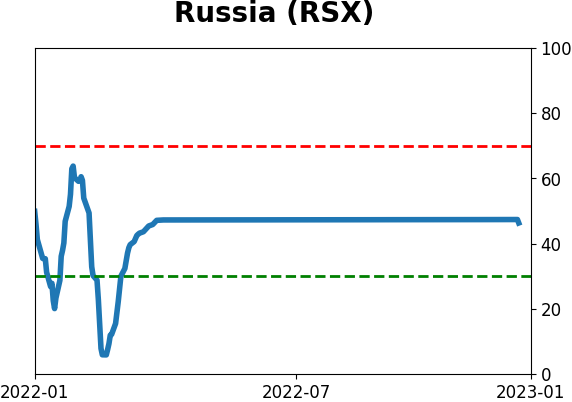
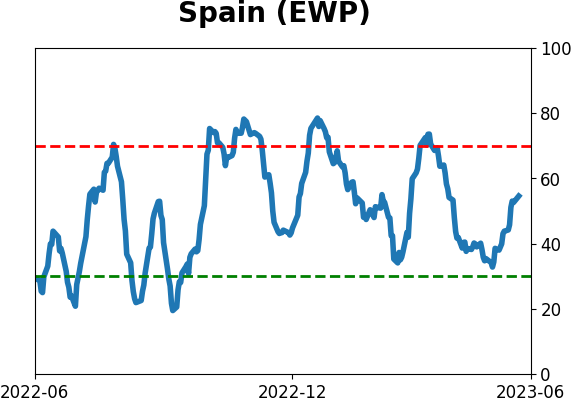
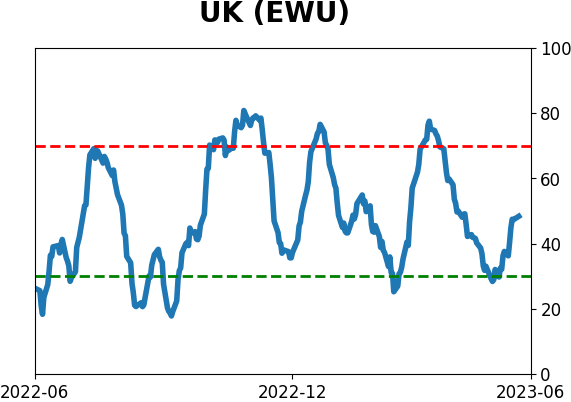
Sentiment Around The World

Click here to view on the site.

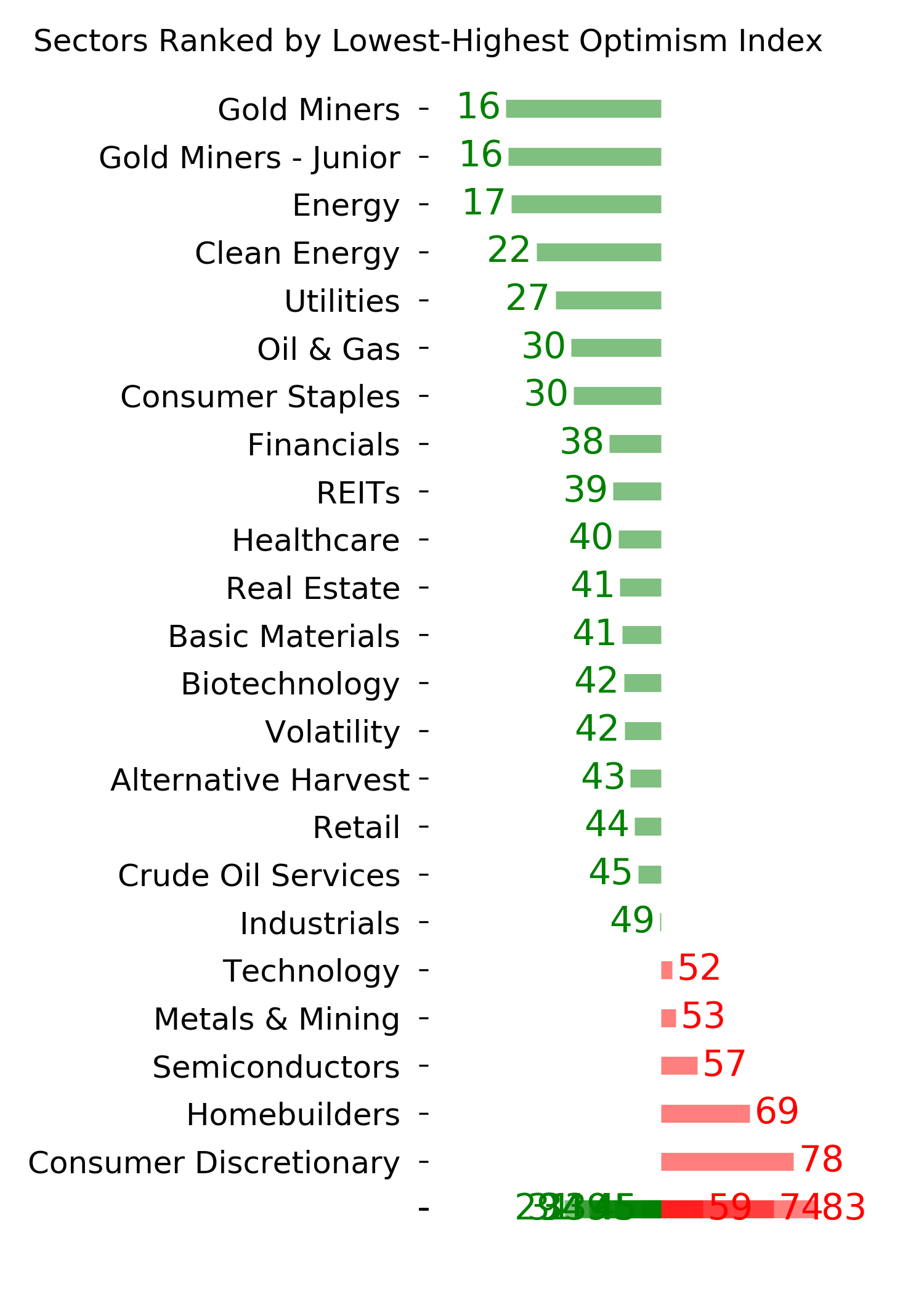
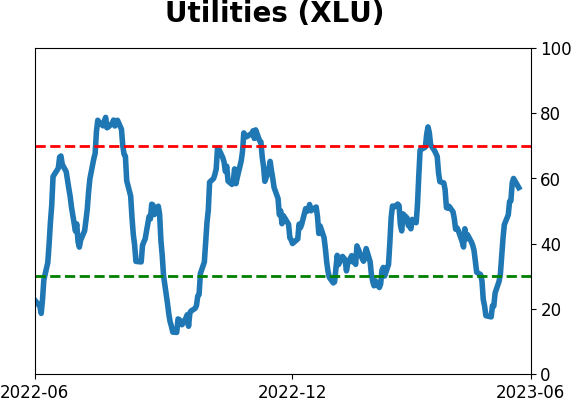
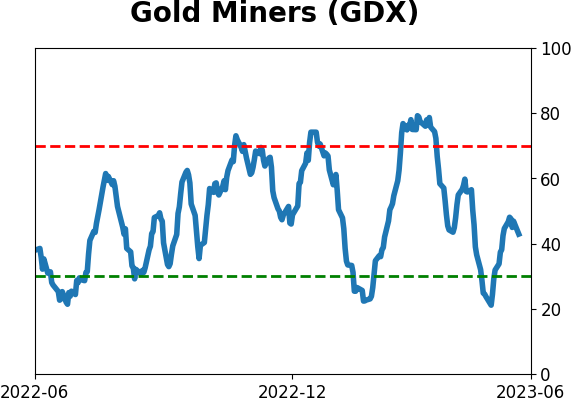
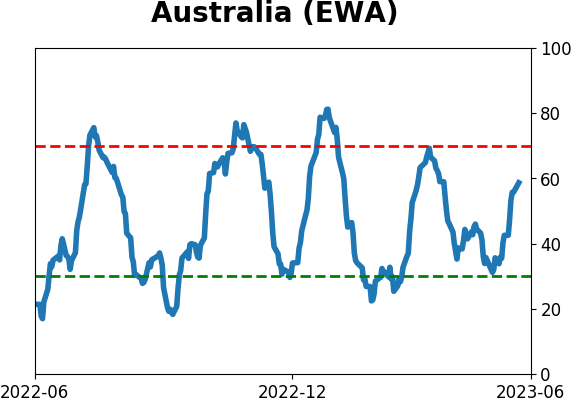
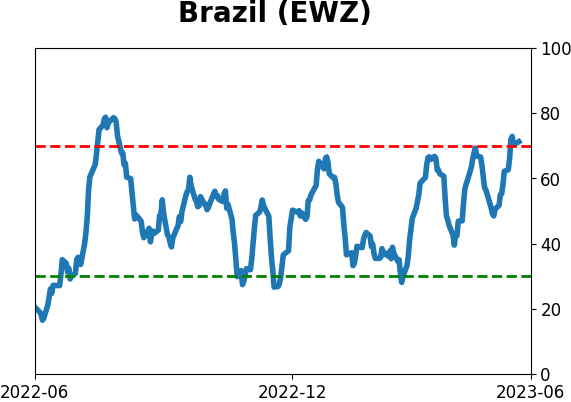
Optimism Index Thumbnails

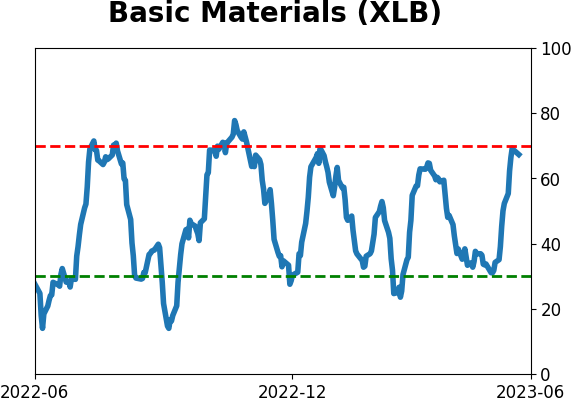
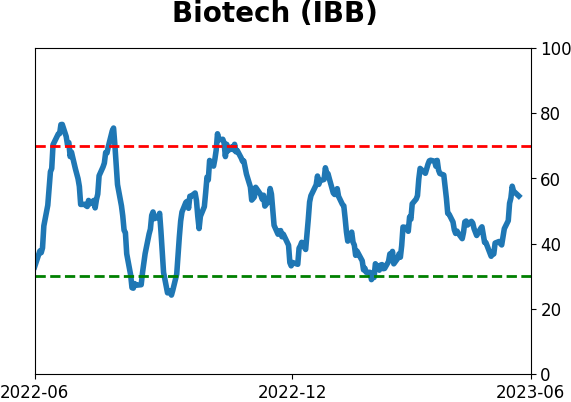
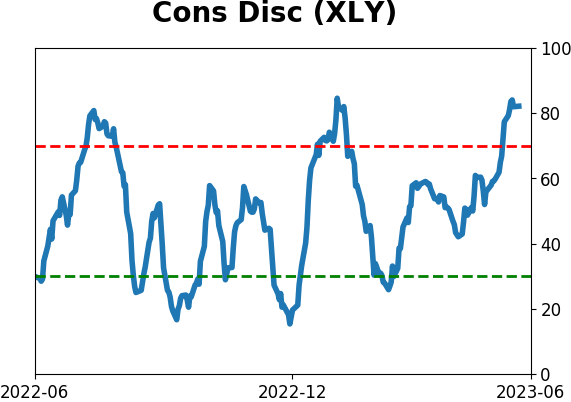
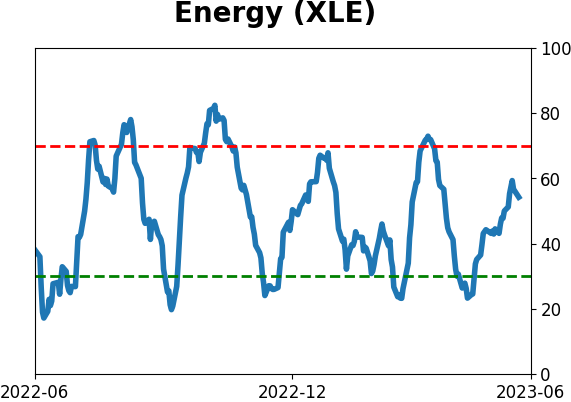
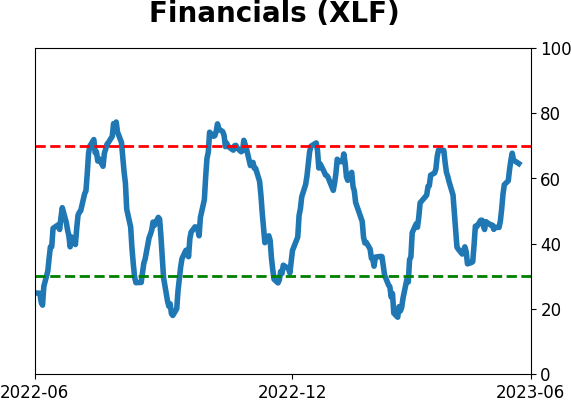
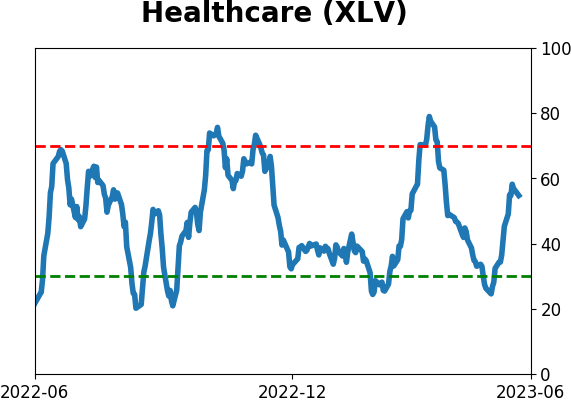
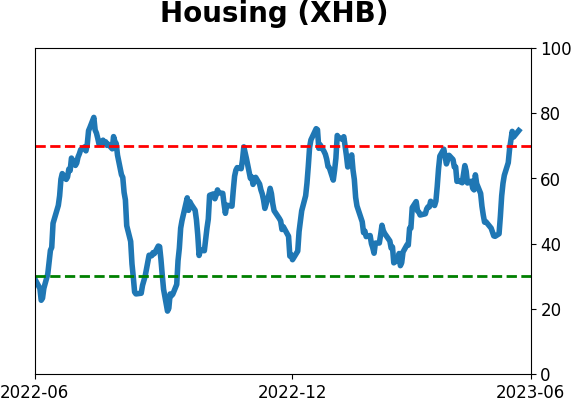
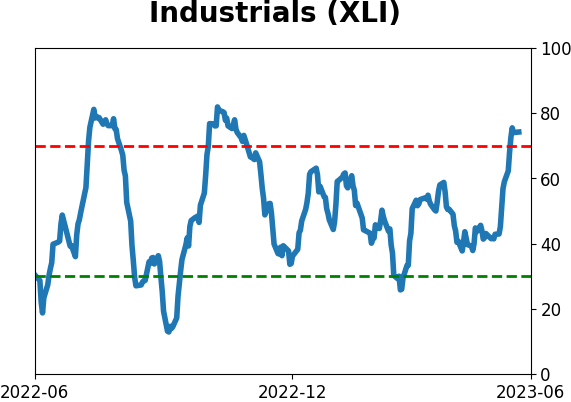
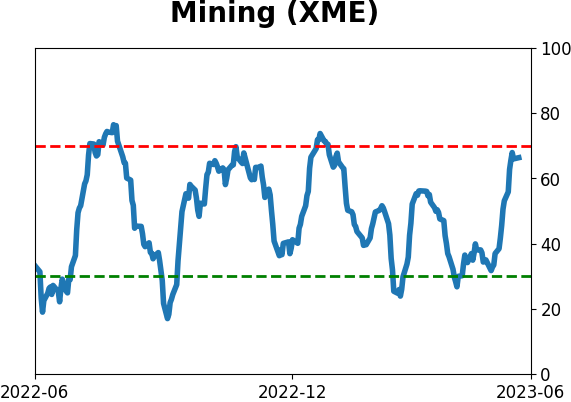
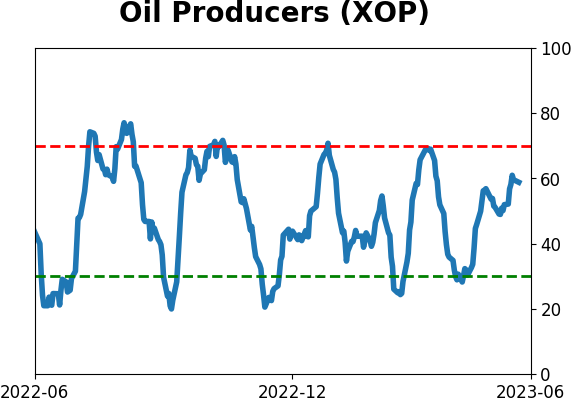
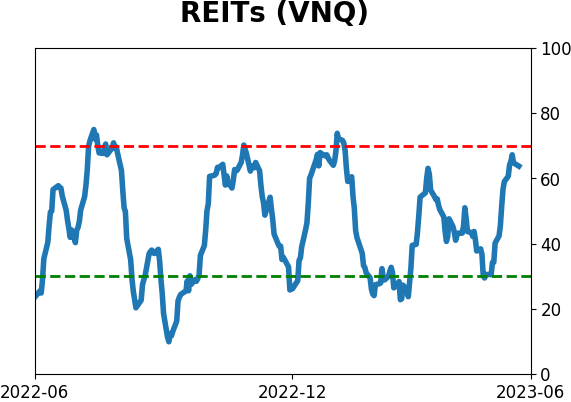
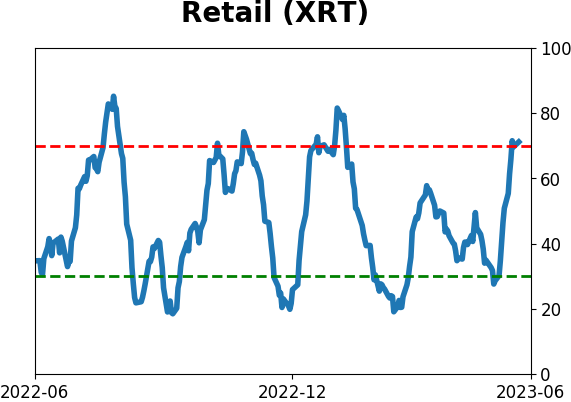
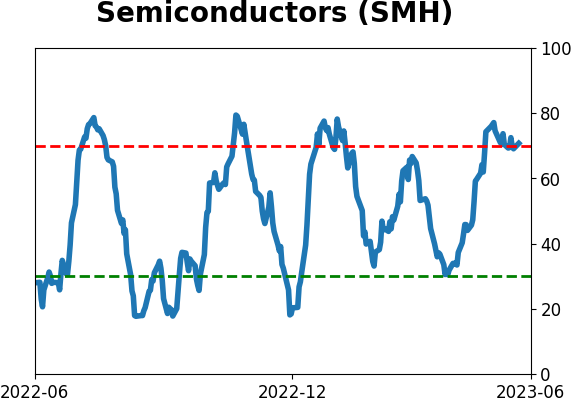
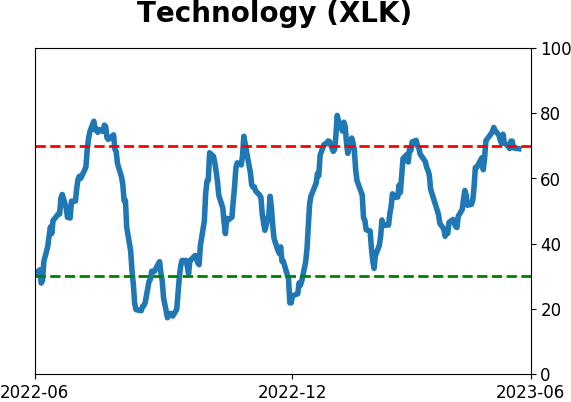
Sector ETF's - 10-Day Moving Average
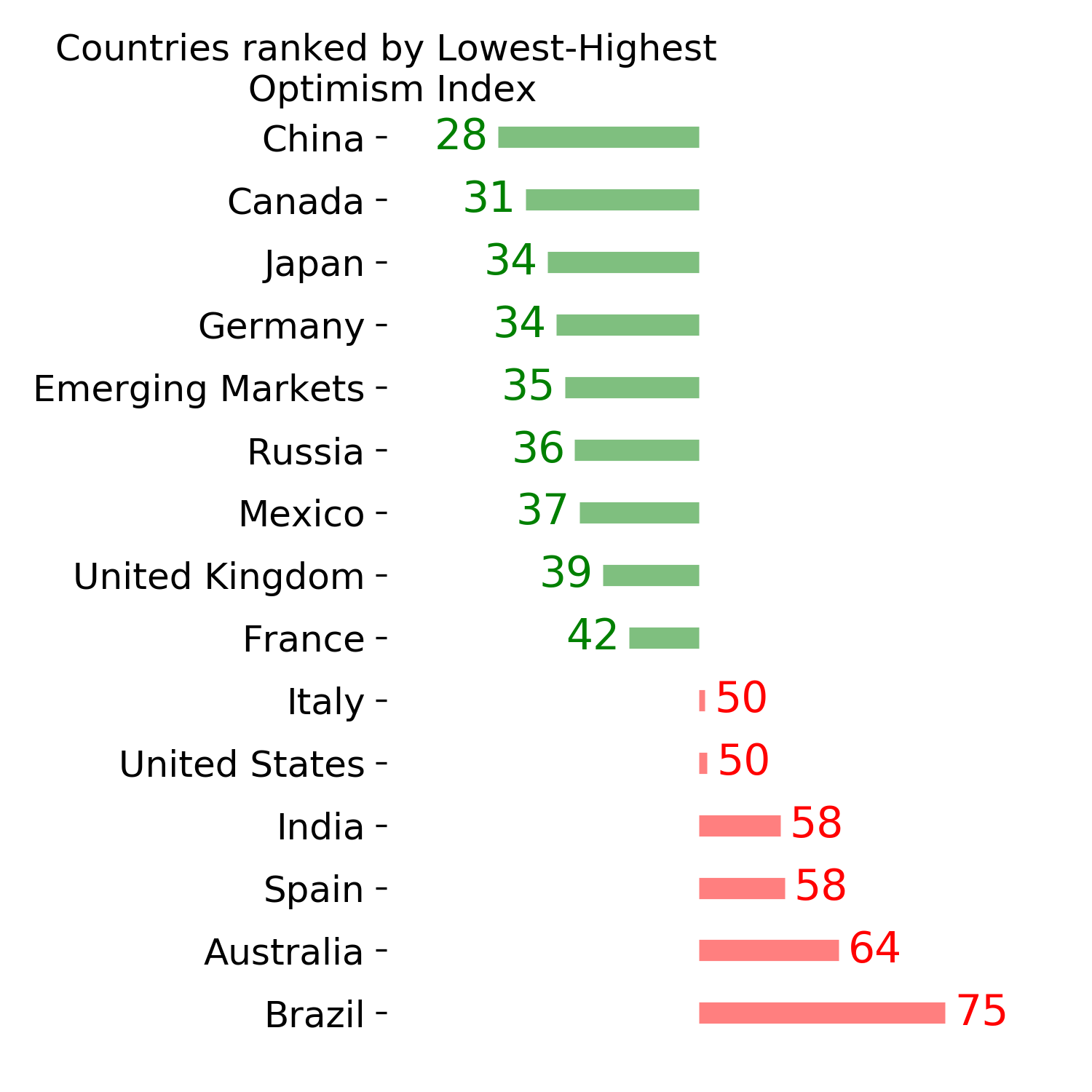
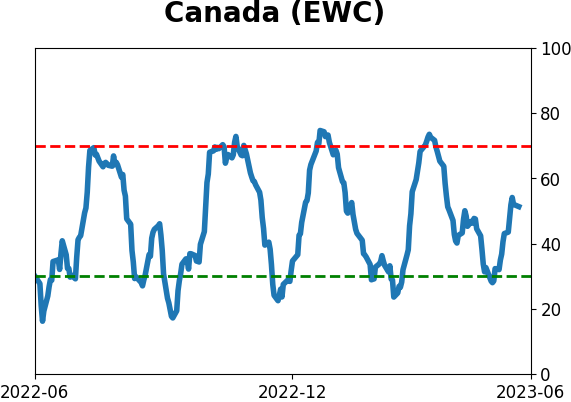
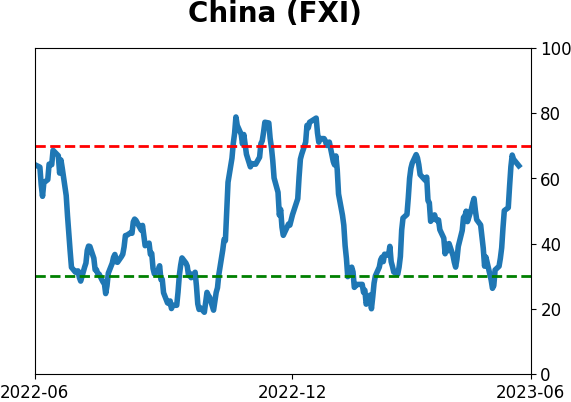
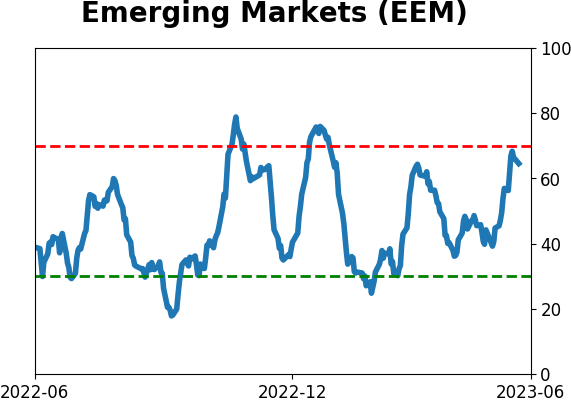
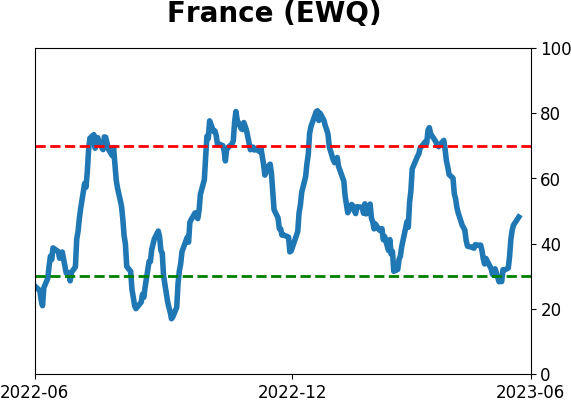
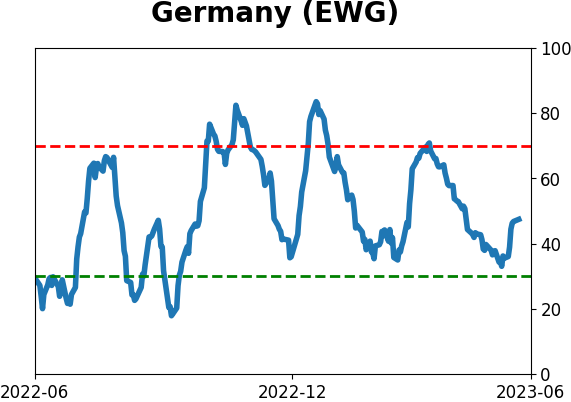
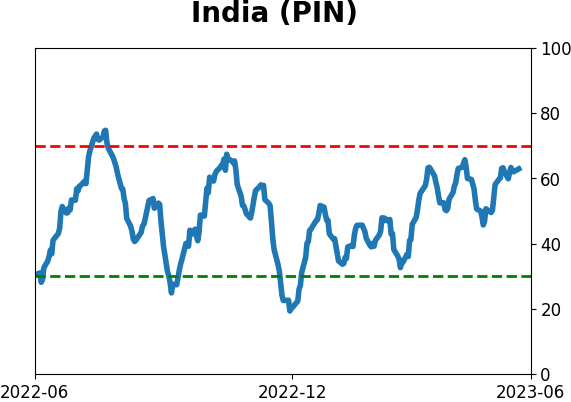
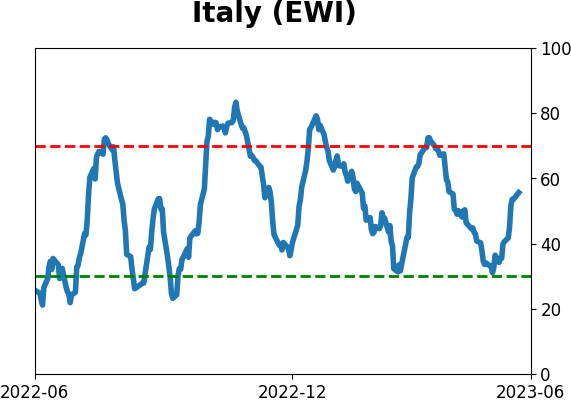
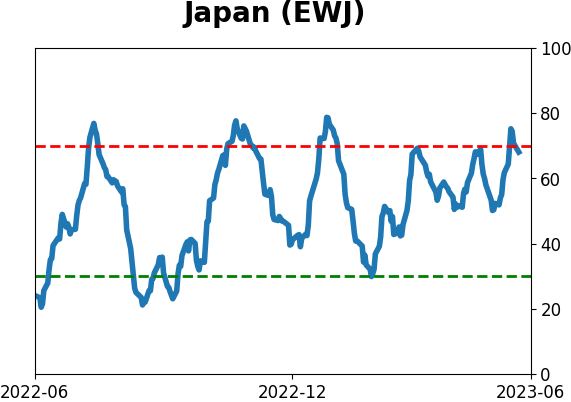
Country ETF's - 10-Day Moving Average
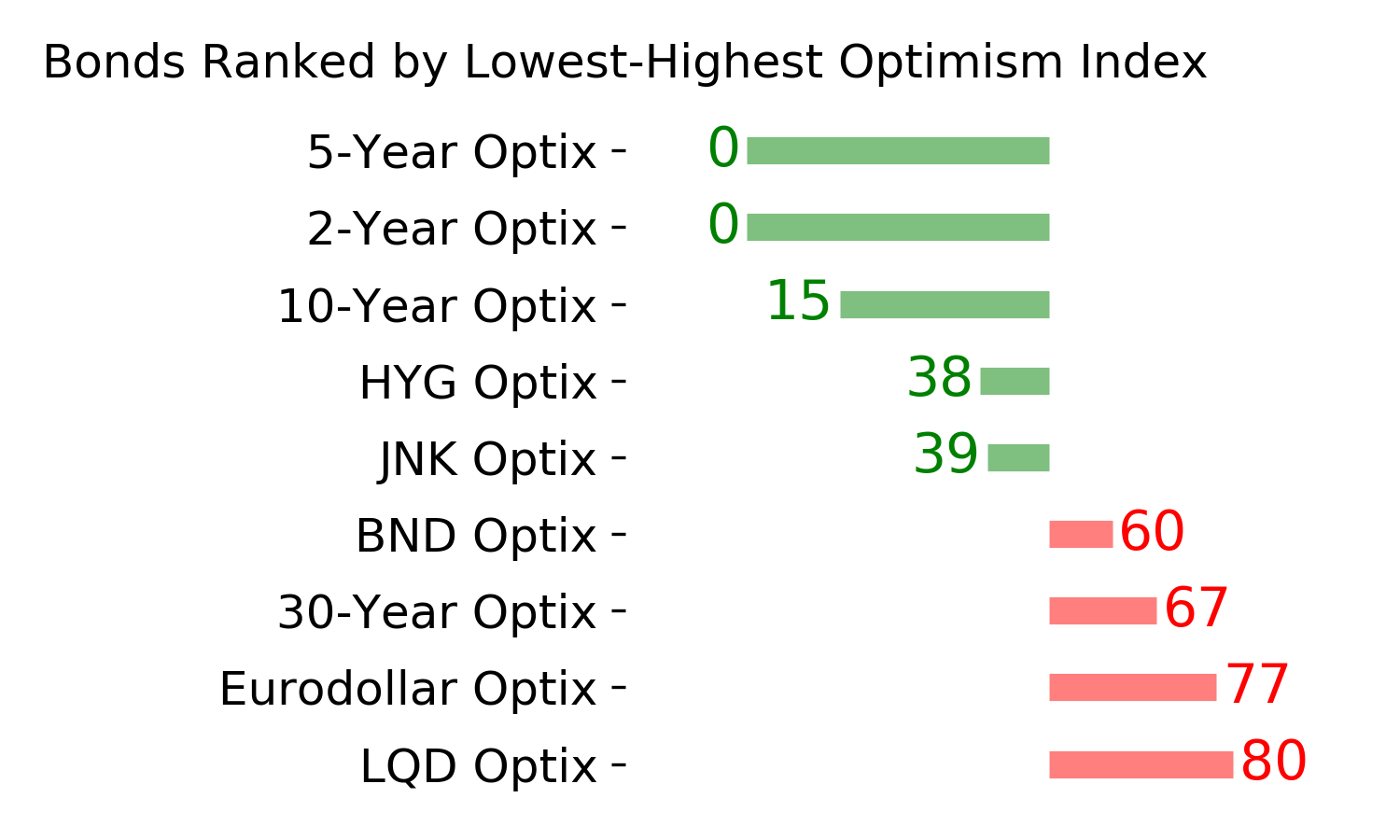
Bond ETF's - 10-Day Moving Average
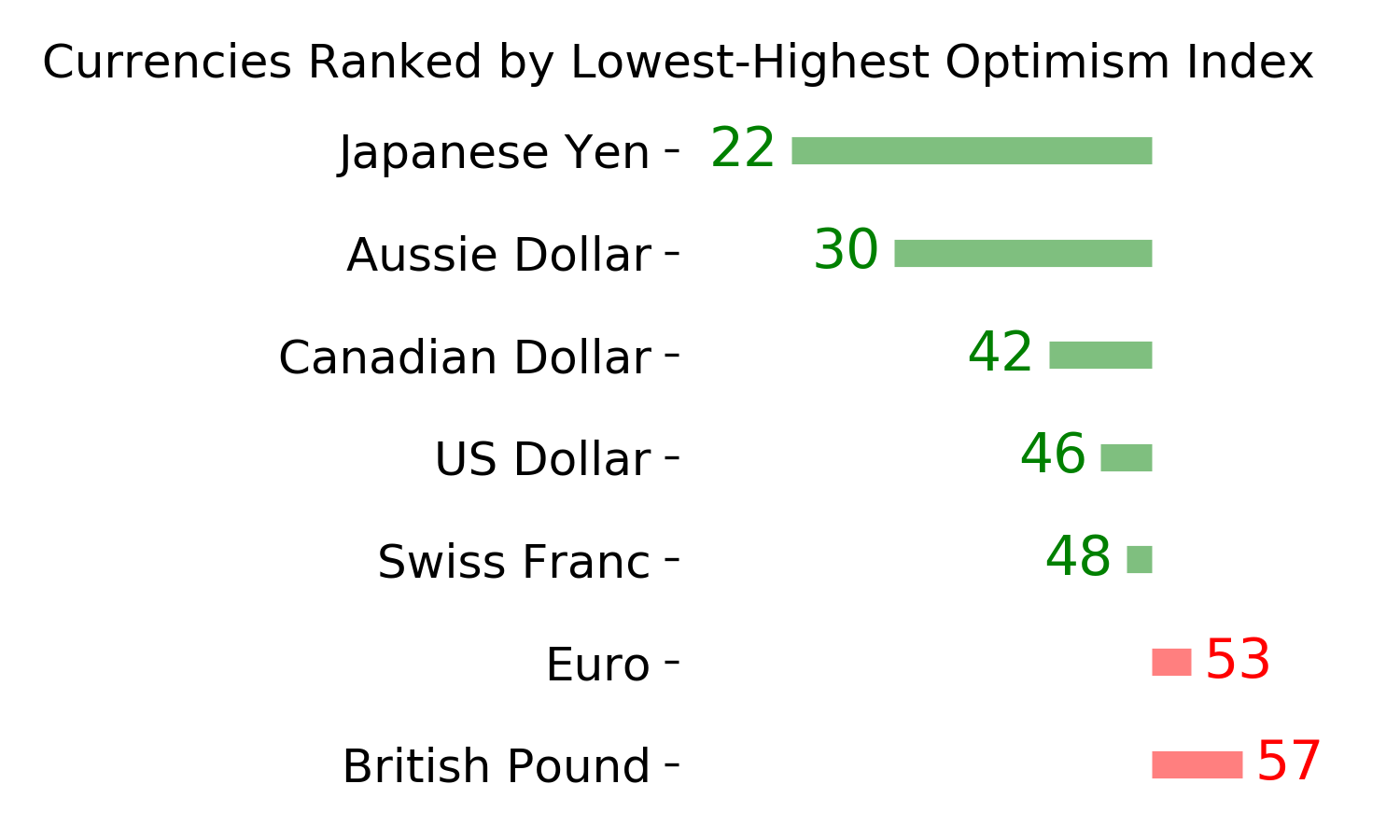
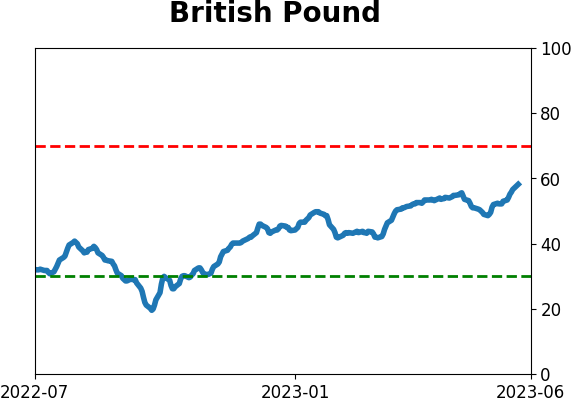
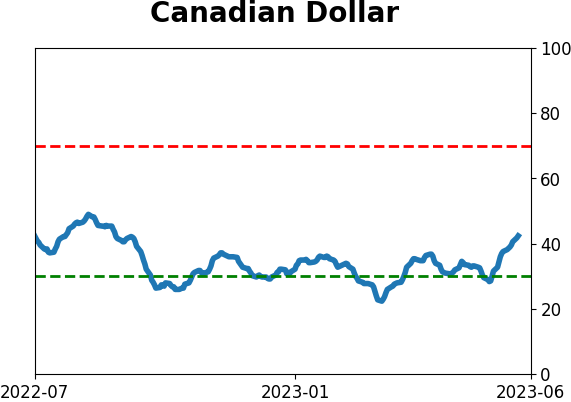
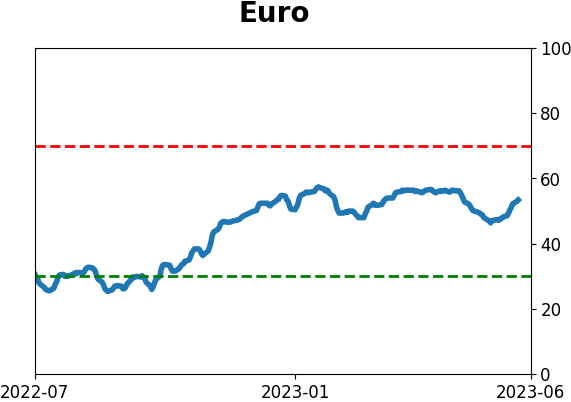
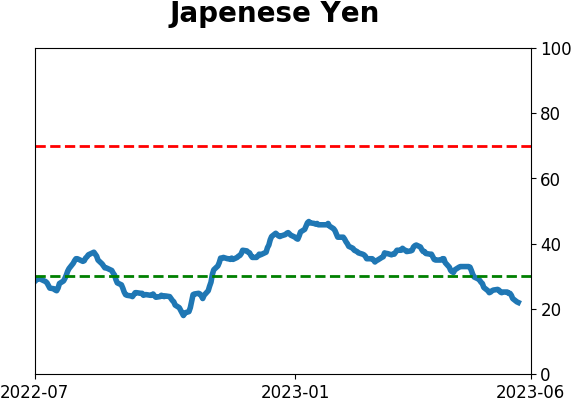
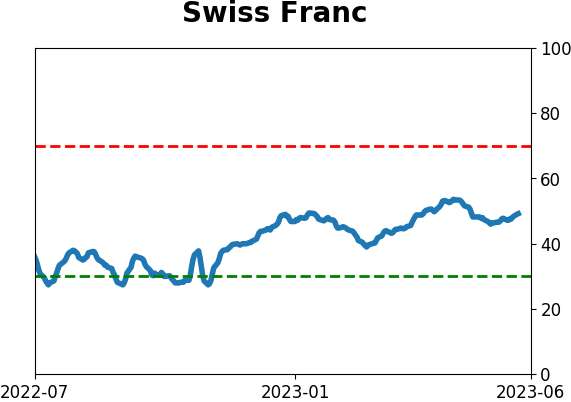
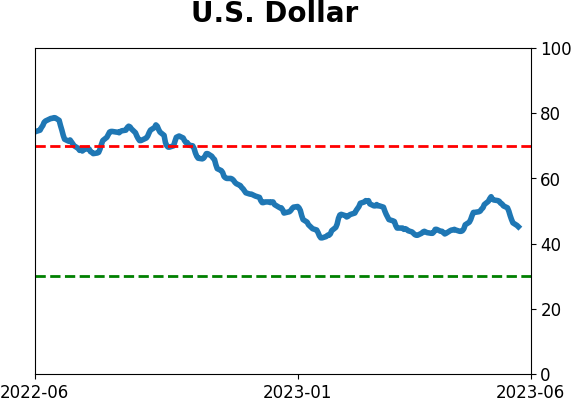
Currency ETF's - 5-Day Moving Average
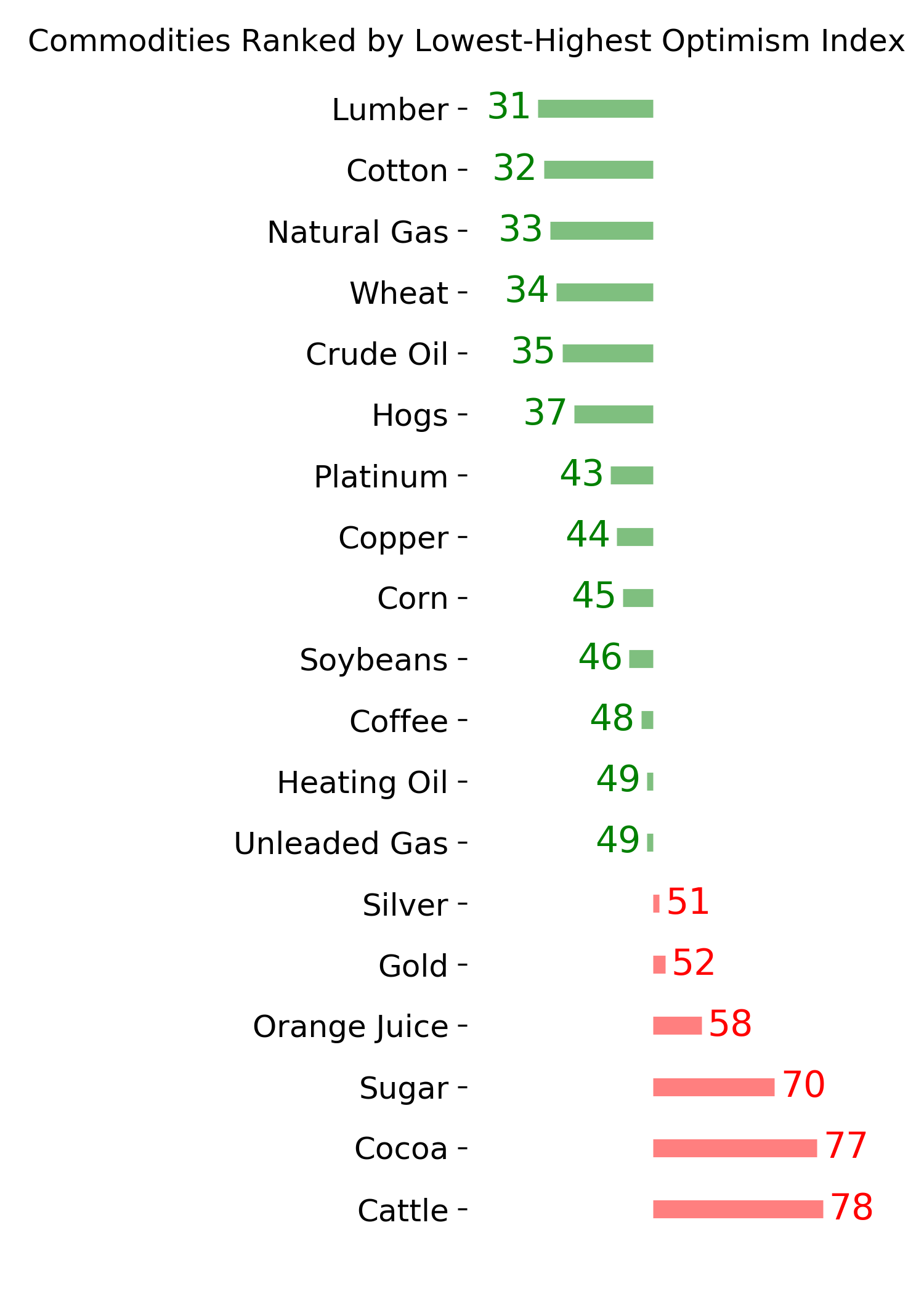
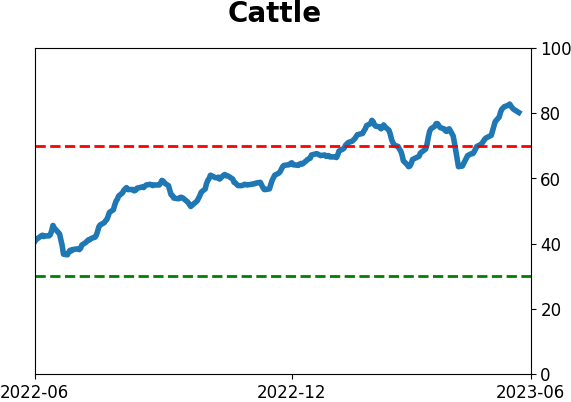
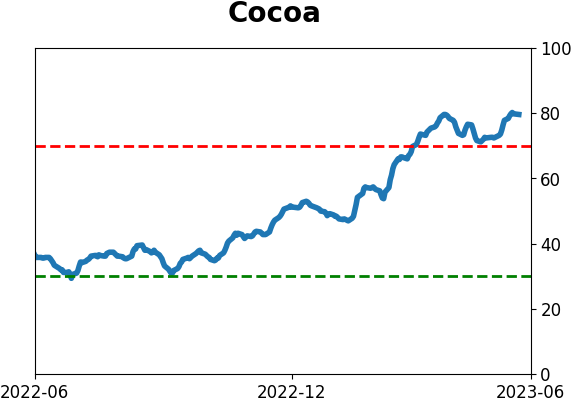
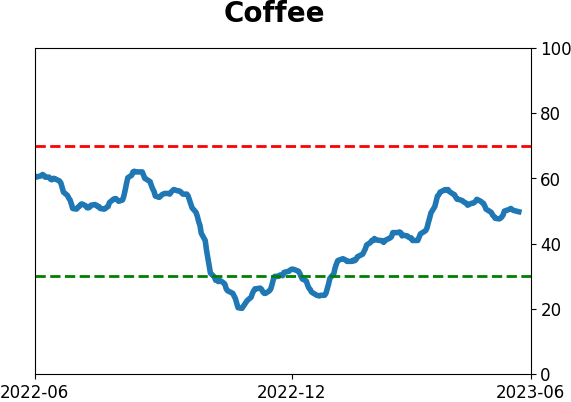
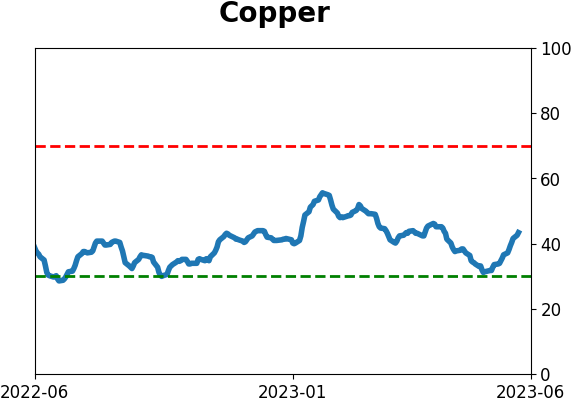
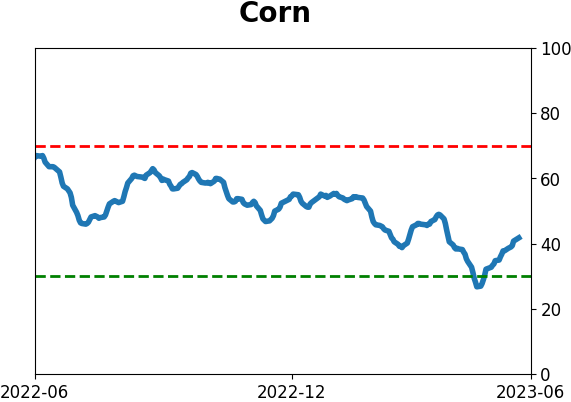
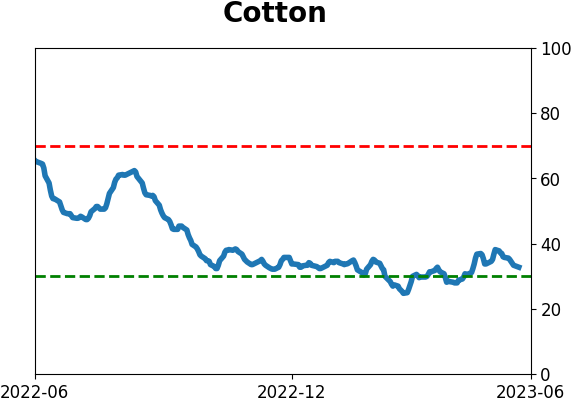
Commodity ETF's - 5-Day Moving Average
PRODUCTS
SentimenTrader
Trading Tools
Indicators & Data API
‍
Strategies & Scanner
‍
Research Reports
FREE
RESOUrCES
Simple Backtest
Calculator
Simple Seasonality
Calculator
The Kelly Criterion
Calculator
Sentiment Geo Map
‍
Public Research Reports
‍
Education
Sentiment Indicators
‍
Technical Indicators
‍
Pricing
Bundle pricing
‍
FAQ
‍
Announcements
‍
COMPANY
‍
About
‍
In the News
‍
Testimonials
‍
Client Success Stories
CONTACT
‍
General Inquiries
‍
Media Inquiries
‍
Financial Professionals Inquiries
‍
© 2026 Sundial Capital Research Inc. All rights reserved.
Setsail Marketing
TermsPrivacyAffiliate Program
Risk Disclosure: The information and tools provided are for research and analytical purposes only and are not intended as investment advice. Market analysis involves uncertainty, and outcomes may differ from expectations. Users should conduct their own due diligence and consider their individual circumstances before making any financial decisions. Past performance is not necessarily indicative of future results.

Hypothetical Performance Disclosure: Hypothetical performance results have many inherent limitations, some of which are described below. No representation is being made that any account will or is likely to achieve profits or losses similar to those shown; in fact, there are frequently sharp differences between hypothetical performance results and the actual results subsequently achieved by any particular trading program. One of the limitations of hypothetical performance results is that they are generally prepared with the benefit of hindsight. In addition, hypothetical trading does not involve financial risk, and no hypothetical trading record can completely account for the impact of financial risk of actual trading. for example, the ability to withstand losses or to adhere to a particular trading program in spite of trading losses are material points which can also adversely affect actual trading results. There are numerous other factors related to the markets in general or to the implementation of any specific trading program which cannot be fully accounted for in the preparation of hypothetical performance results and all which can adversely affect trading results.

Testimonial Disclosure: Testimonials appearing on this website may not be representative of other clients or customers and is not a guarantee of future performance or success.