Headlines
|
|
The Big Money isn't betting on a bull market:
The latest Barron's survey of large money managers shows that the Big Money is the 2nd most pessimistic about stocks in the history of the survey. Other indicators also show that large traders in the futures and options markets are showing great hesitation about embracing the rally.
|
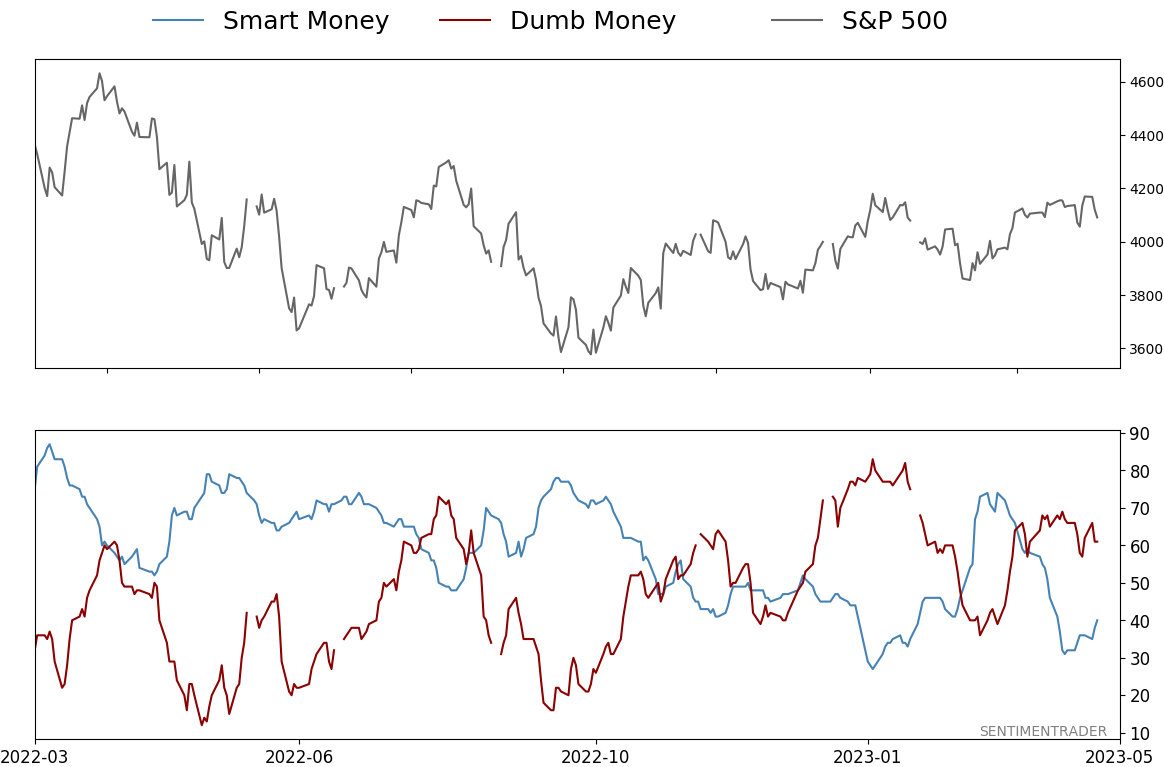
Smart / Dumb Money Confidence
|
Smart Money Confidence: 40%
Dumb Money Confidence: 61%
|
|
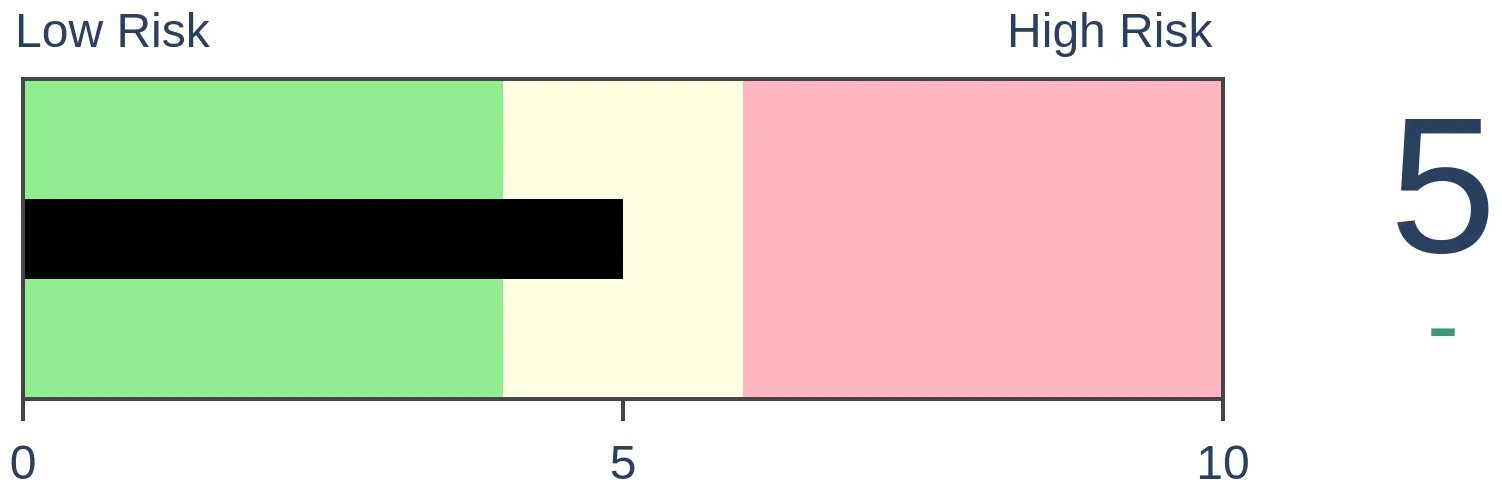
Risk Levels
Stocks Short-Term
|
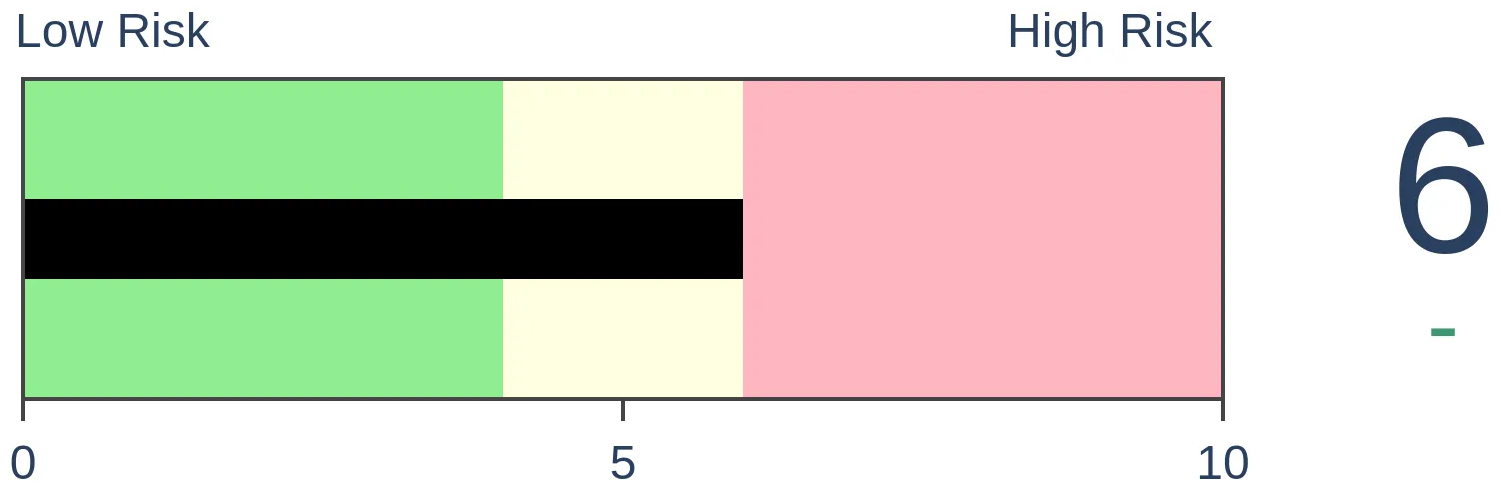
Stocks Medium-Term
|
|
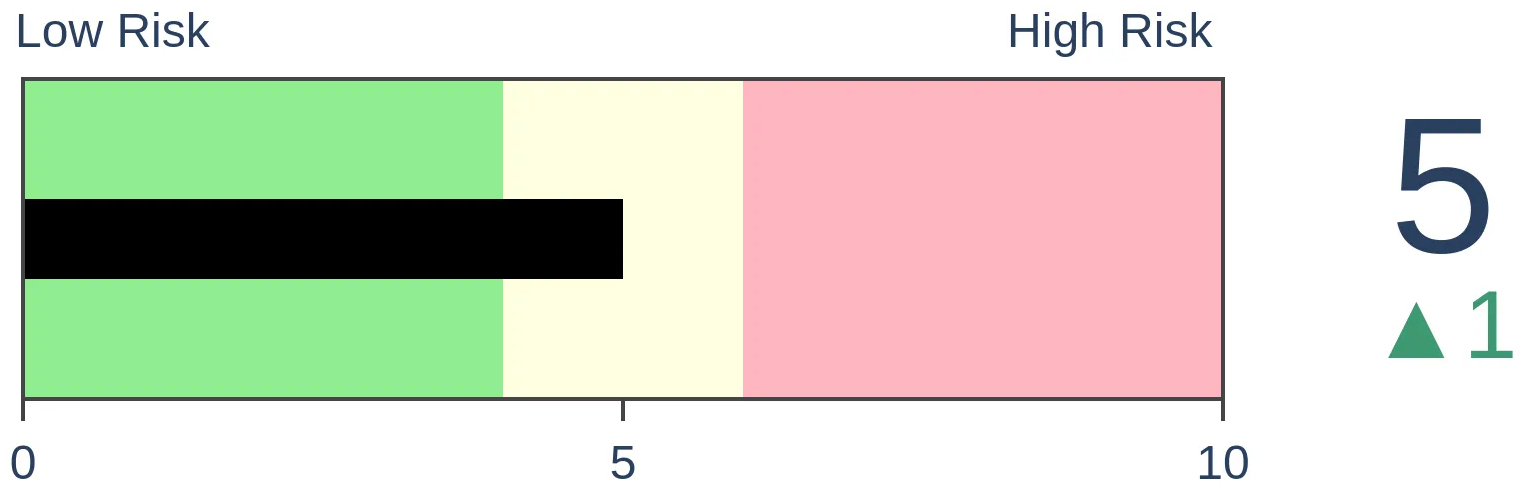
Bonds
|
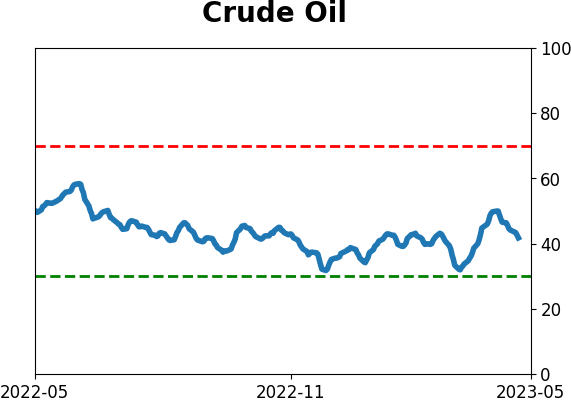
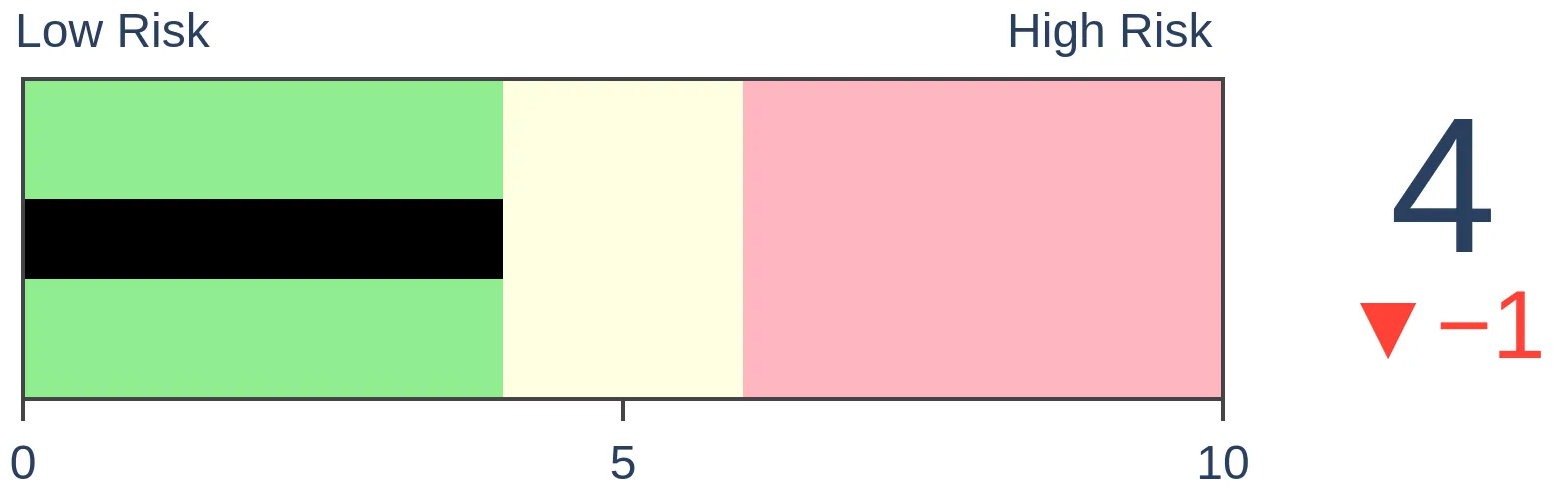
Crude Oil
|
|
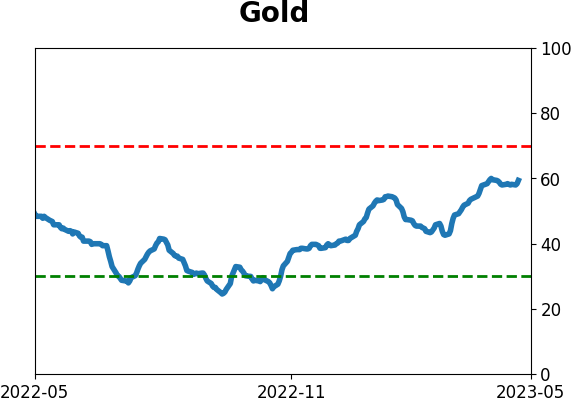
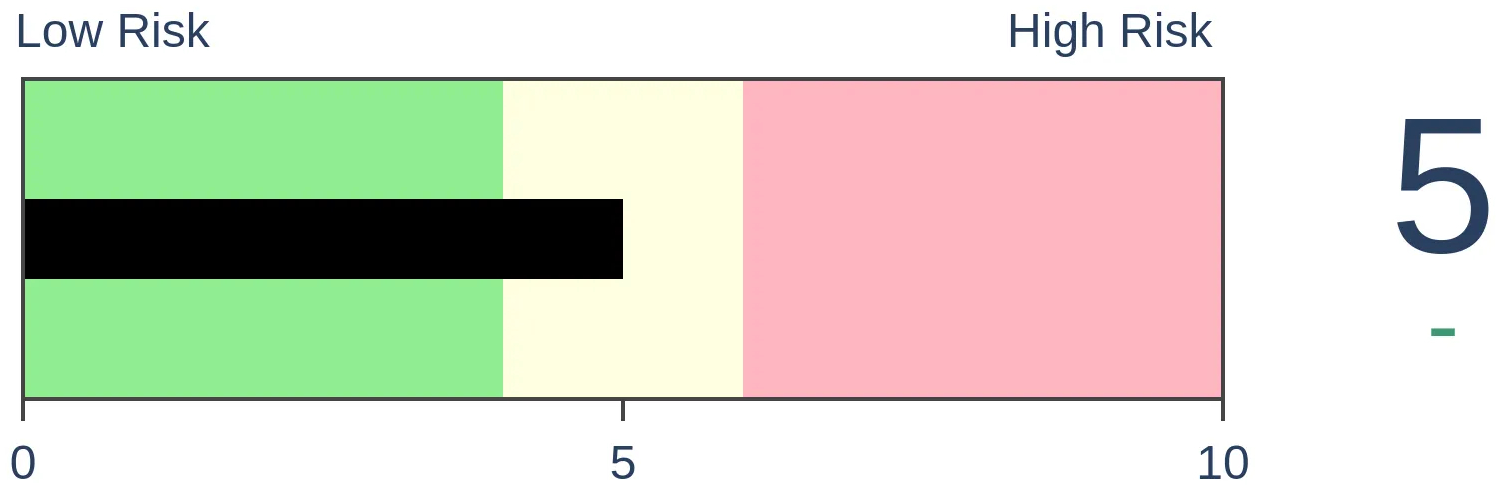
Gold
|
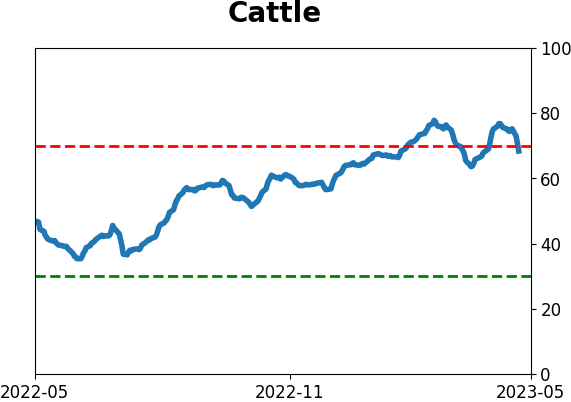
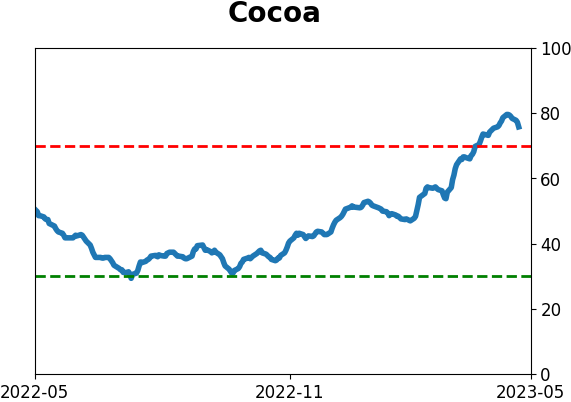
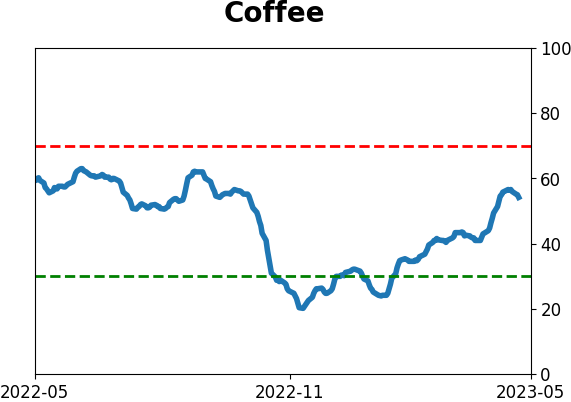
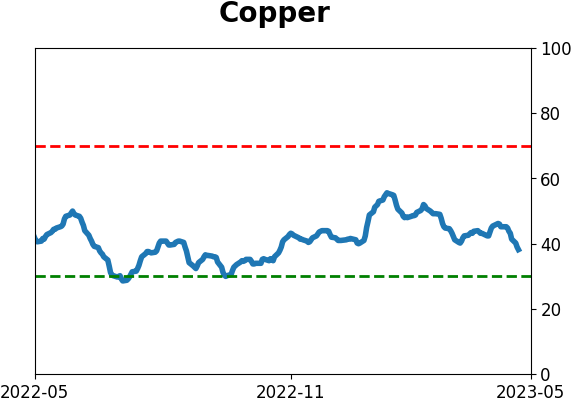
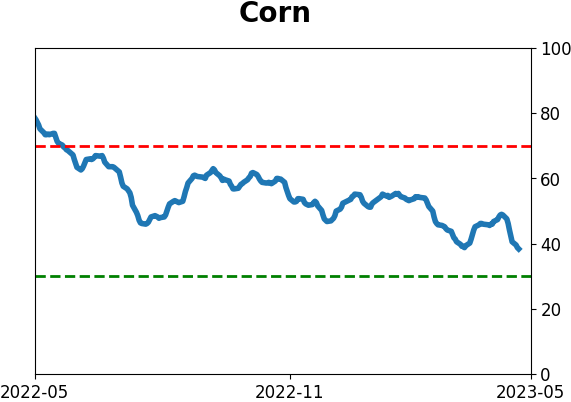
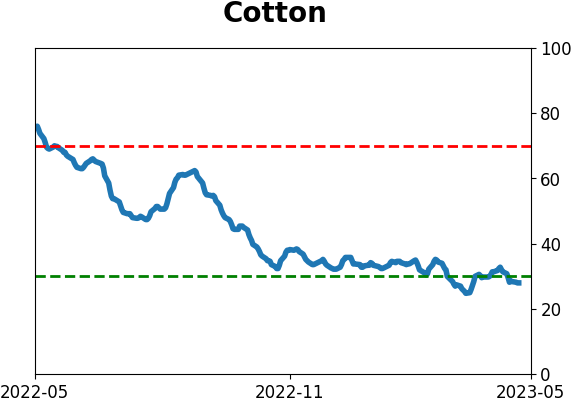
Agriculture
|
|
Research
By Jason Goepfert
BOTTOM LINE
The latest Barron's survey of large money managers shows that the Big Money is the 2nd most pessimistic about stocks in the history of the survey. Other indicators also show that large traders in the futures and options markets are showing great hesitation about embracing the rally.
FORECAST / TIMEFRAME
None
|
Key points:
- The Barron's survey of Big Money shows the 2nd-lowest net bullish sentiment in its history
- Stocks tend to show above-average performance after large money managers are pessimistic
- Other indicators also show that large traders are showing great hesitation about the rally
The Big Money isn't buying the rally
Twice each year, we usually update the sentiment among some of the largest money managers in the world. For more than 20 years, Barron's has been polling these managers to get their takes on markets. And lately, they have not had much conviction toward stocks.
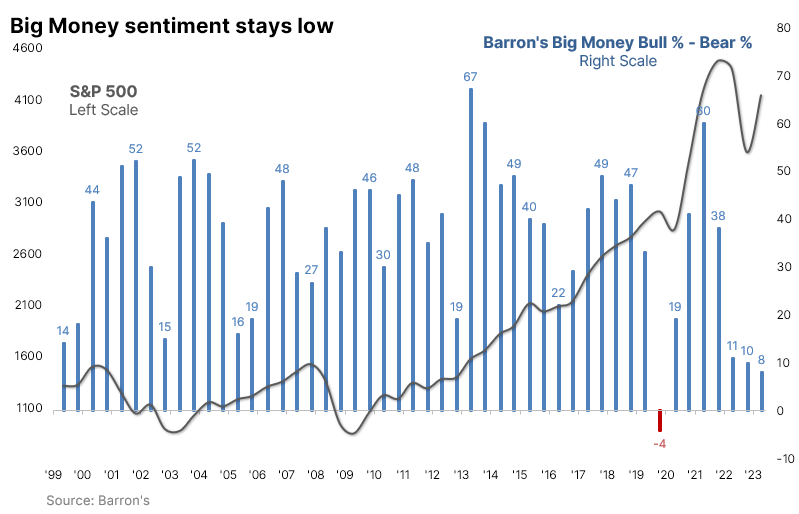
No wonder trading is somnolent, and investors lack conviction. Their consternation comes across clearly in Barron's latest Big Money poll, and was evident in conversations with many respondents. Only 36% of the professional investors we surveyed in the past month describe themselves as bullish on the outlook for stocks over the next 12 months. The same percentage say they are neutral, while the remaining respondents, 28%, put themselves in the bearish camp.
Only 8% more managers consider themselves bullish than bearish. That's the 2nd-lowest spread in the history of the survey. The only time sentiment was lower was in the October 2019 survey, after which the S&P 500 surged for a few months before falling into the pandemic panic.
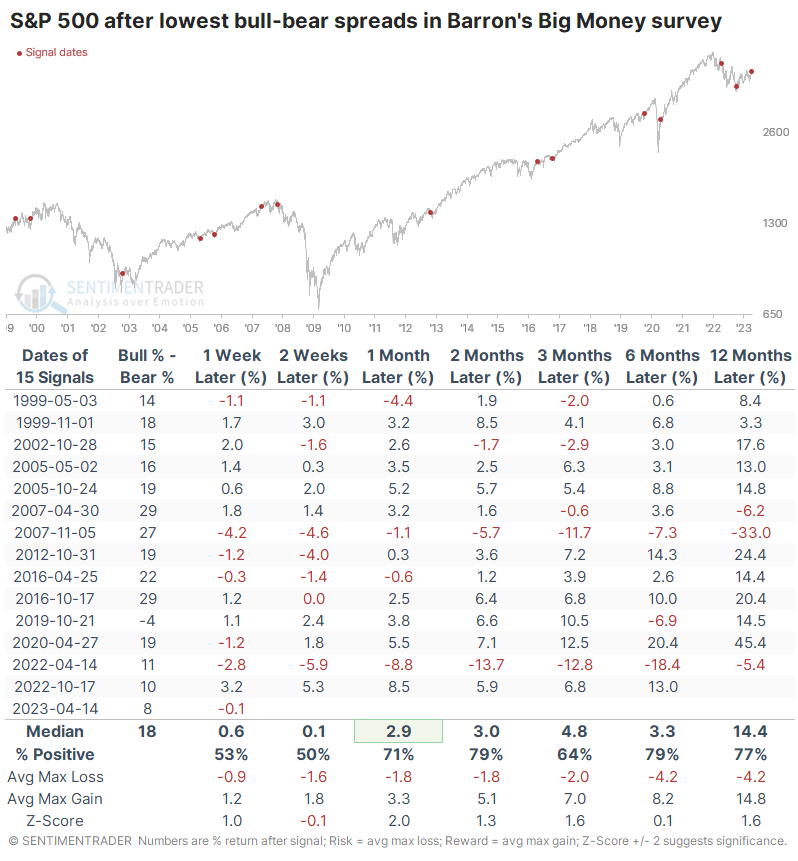
The table below shows returns in the S&P 500 after the lowest spreads between bulls and bears in the Big Money survey. Because the poll is conducted consistently in the spring and fall, some returns are due to seasonality.
Overall, there was a moderate bullish tilt to the S&P's forward returns after pessimistic sentiment from this group. Over the next two months, the index rallied after 12 out of 15 signals, though two losses were significant. Across almost all time frames, the S&P's returns were above a random return, with a healthy ratio of maximum gains to maximum losses.
Other measures also suggest large trader hesitancy
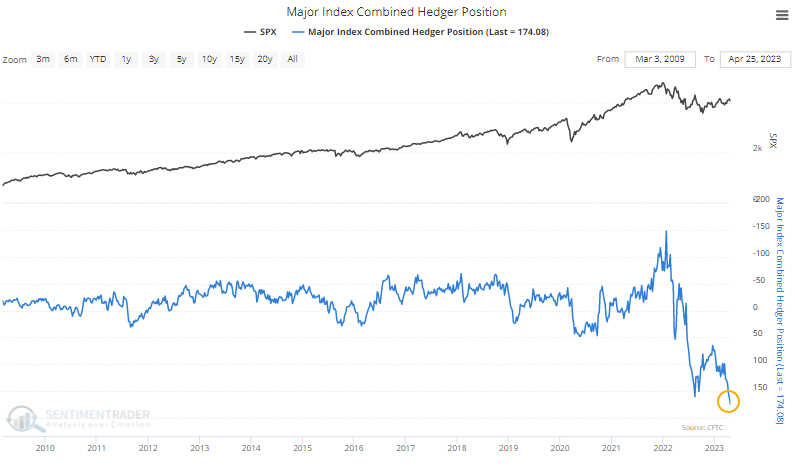
The Barron's survey confirms some other indicators that large investors aren't too keen on stocks. Commercial hedgers hold about $174 billion worth of major equity index contracts in the futures market. Large speculators are on the opposite side of most of those positions, meaning they're net short a record amount.
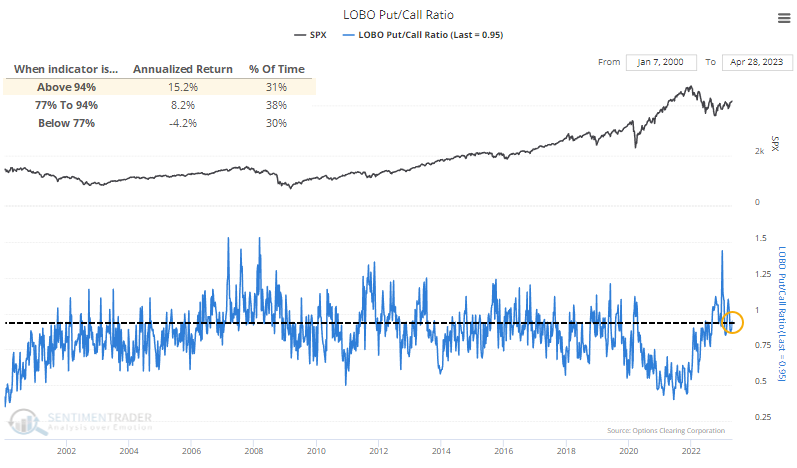
In the options market, across all U.S. exchanges, large traders continue to focus heavily on buying put options to open. The LOBO Put/Call Ratio (Large-Only Buy-to-Open) has ticked up again and remains in the upper 30% of all readings since 2000. This is due to them continually spending nearly 30% of their volume buying put options to open on equities and ETFs.
The S&P 500's annualized return when the ratio is above 0.94 is over +15%, drastically outperforming weeks when the ratio is lower.
What the research tells us...
There is a natural tendency to assume that "big money" necessarily means "smart money." There is little doubt that the investors controlling much of this money are some of the most sophisticated and knowledgeable in the world. Still, in the aggregate, they often show the same tendencies as retail investors. It may be to a lesser extent, but they still tend to be their most exposed to markets near peaks and the least exposed near troughs. These folks may be seeing around the corner and have positioned themselves well for the looming resumption of the bear market. However, based on their historical record, it's not a great bet.
Indicators at Extremes
Phase Table
Ranks
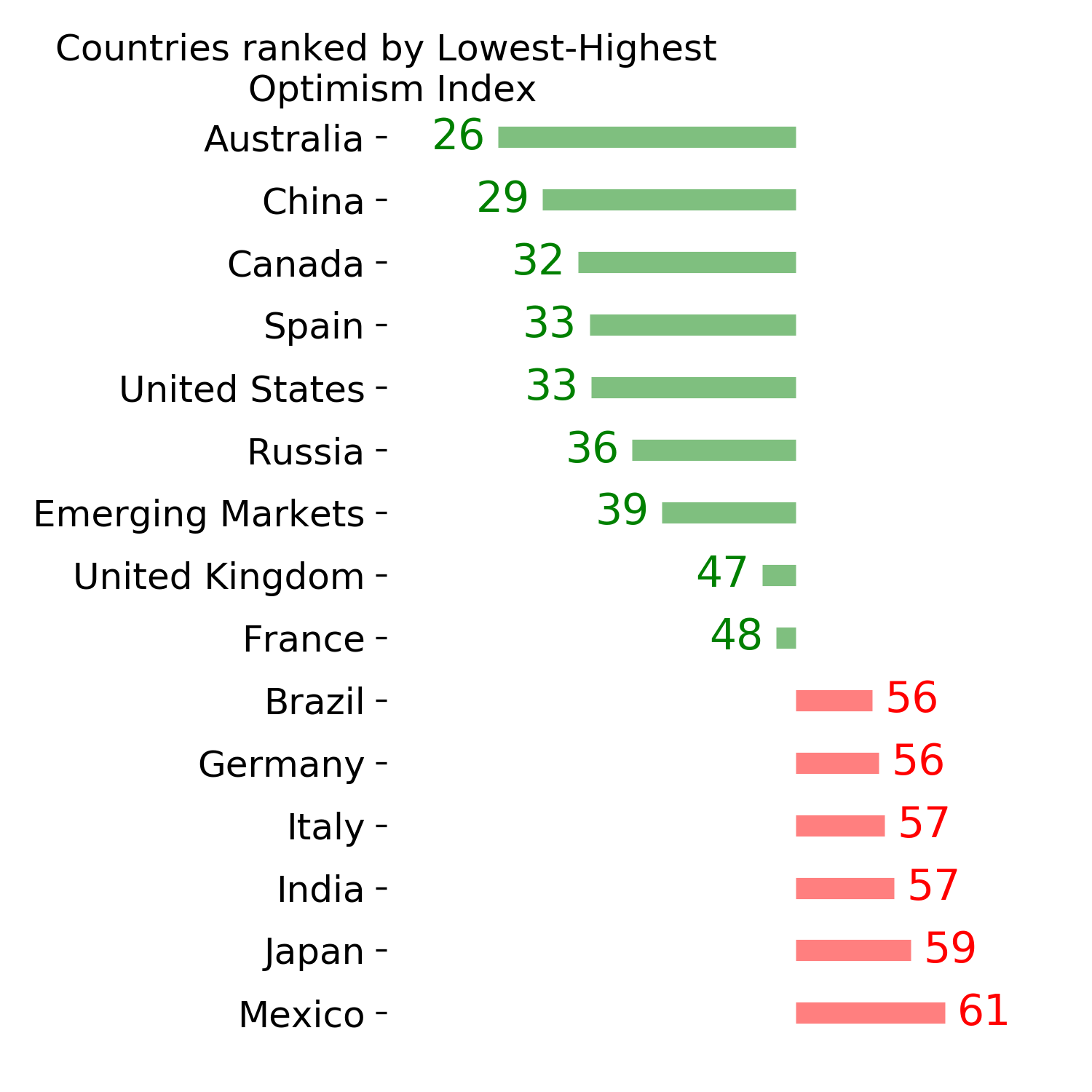
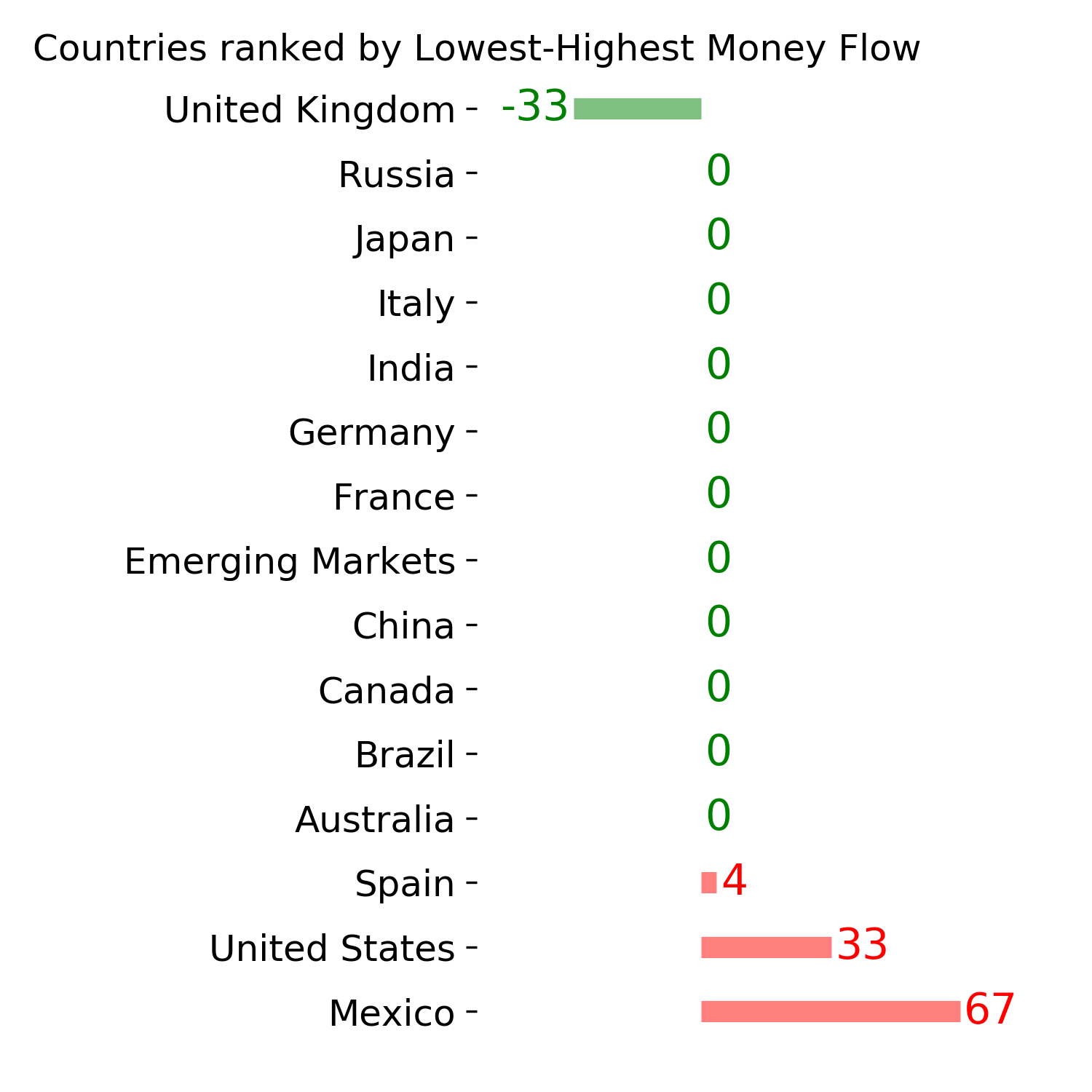
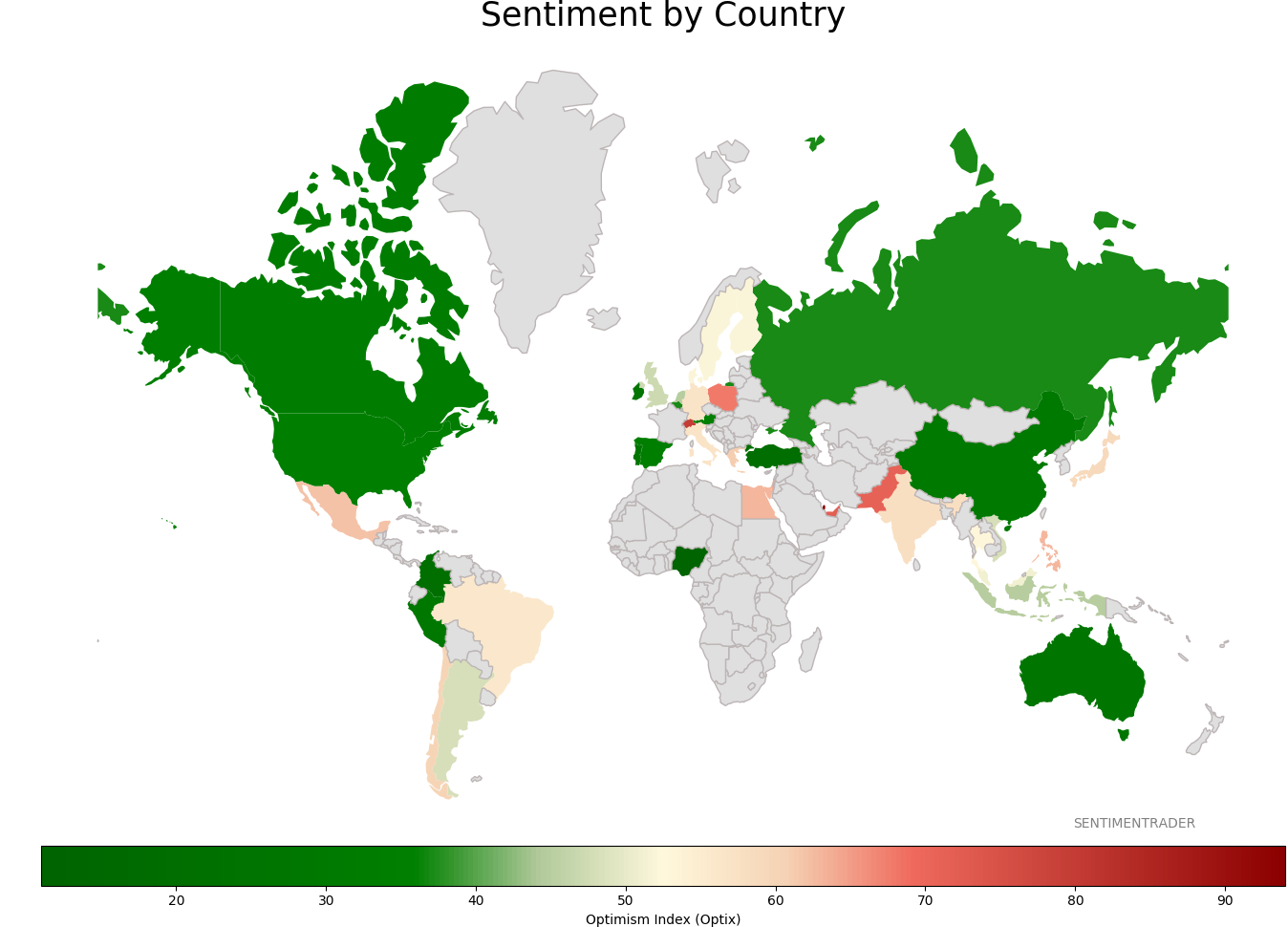
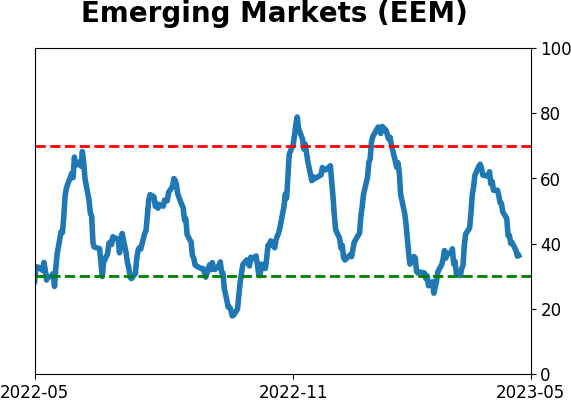
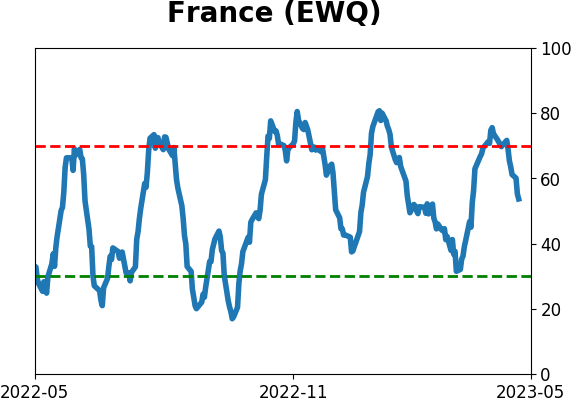
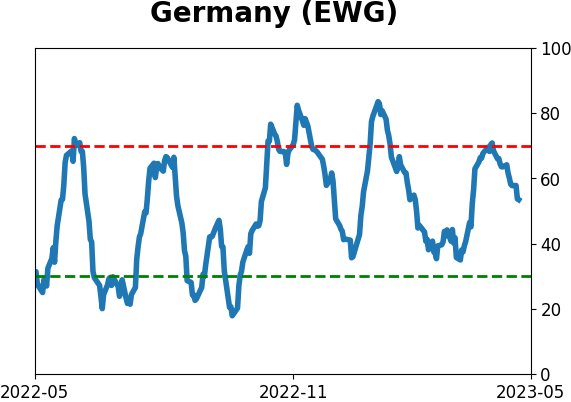
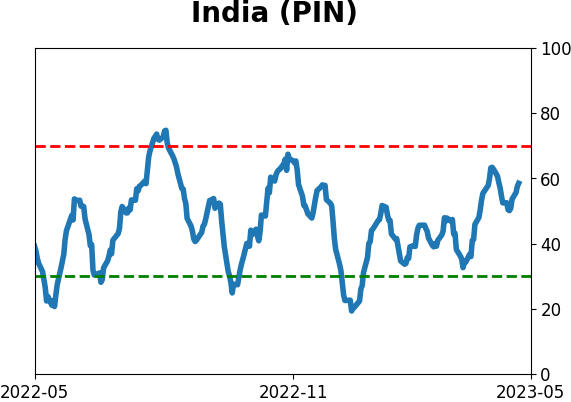
Sentiment Around The World
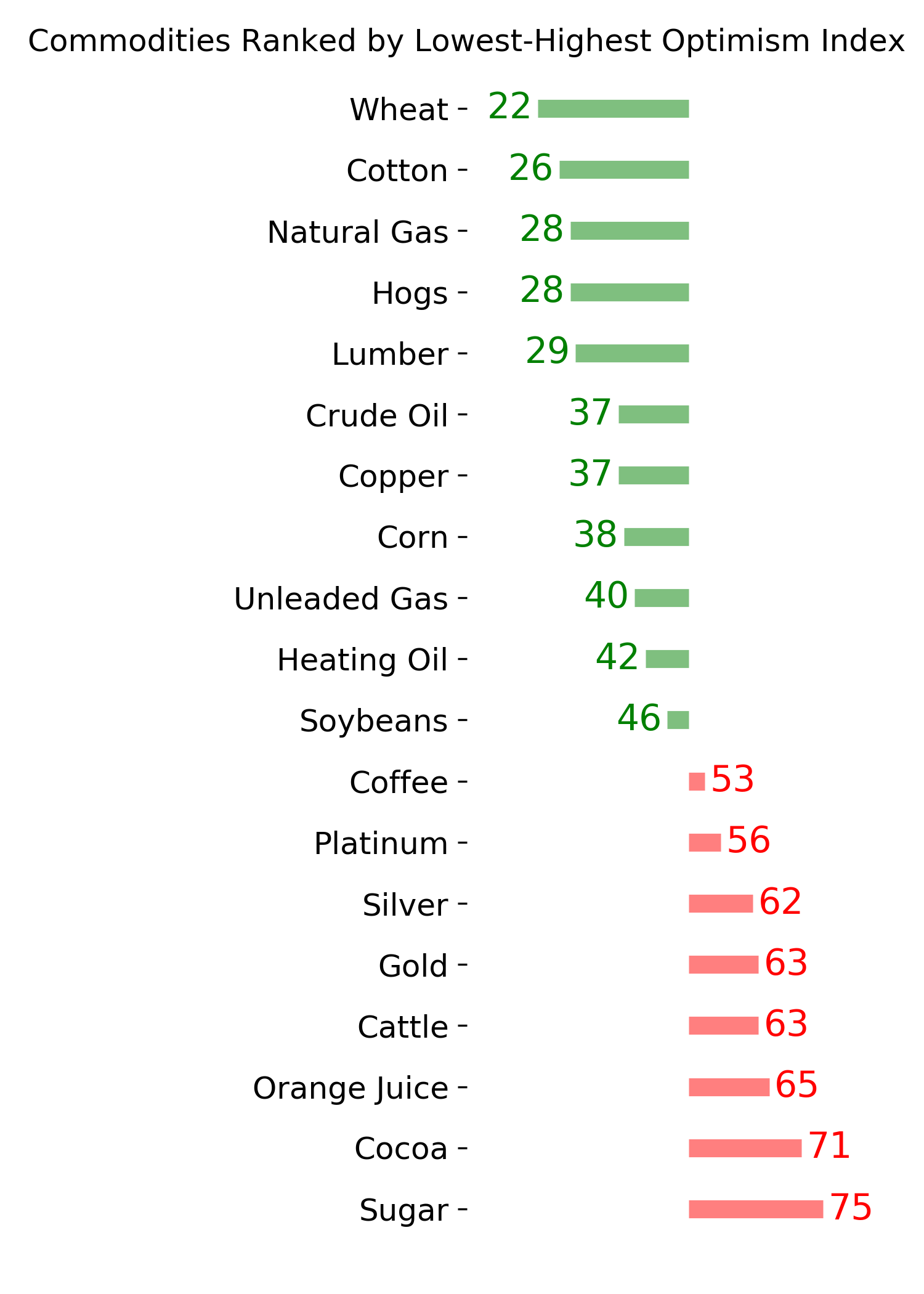
Optimism Index Thumbnails
|
Sector ETF's - 10-Day Moving Average
|
|
|
Country ETF's - 10-Day Moving Average
|
|
|
Bond ETF's - 10-Day Moving Average
|
|
|
Currency ETF's - 5-Day Moving Average
|
|
|
Commodity ETF's - 5-Day Moving Average
|
|