Headlines
|
|
What to do when things go right - the SLV edition:
Silver has followed gold and soared in recent days. An earlier example options trade is showing a nice profit. What to do now? Cash out? Let it ride? Or something else? Decisions, decisions...
|
Smart / Dumb Money Confidence
|
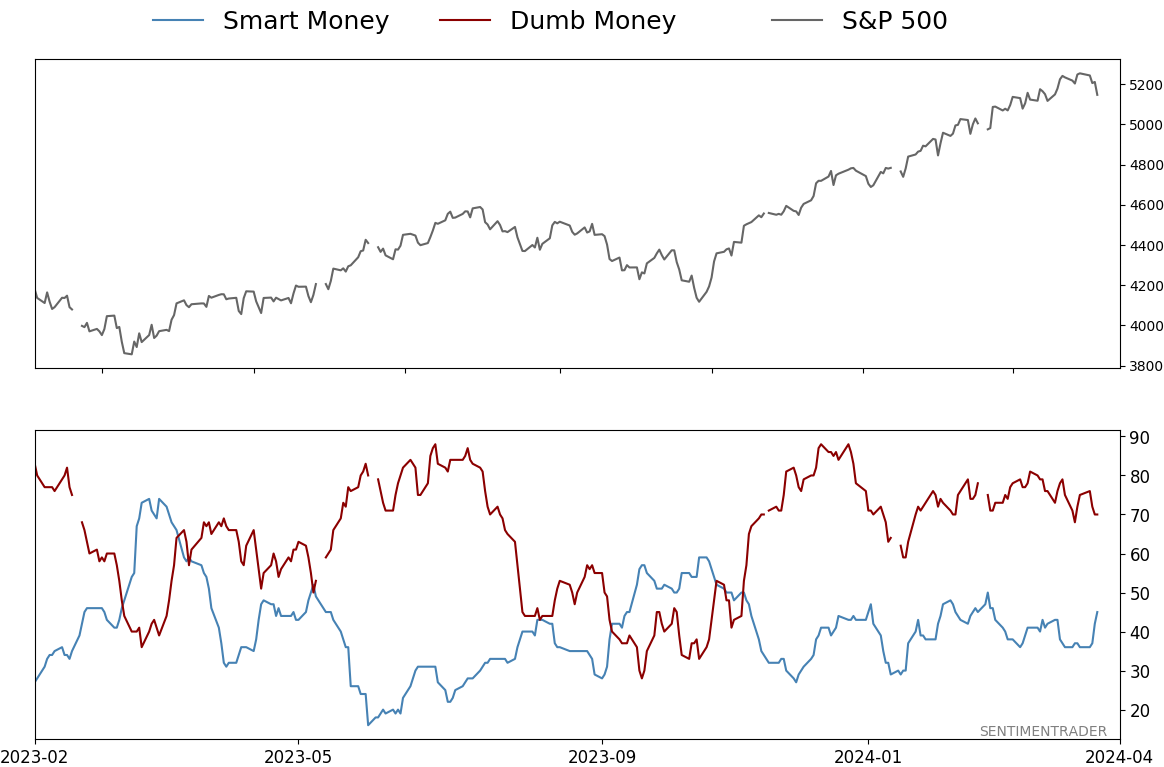
Smart Money Confidence: 45%
Dumb Money Confidence: 70%
|
|
Risk Levels
Stocks Short-Term
|
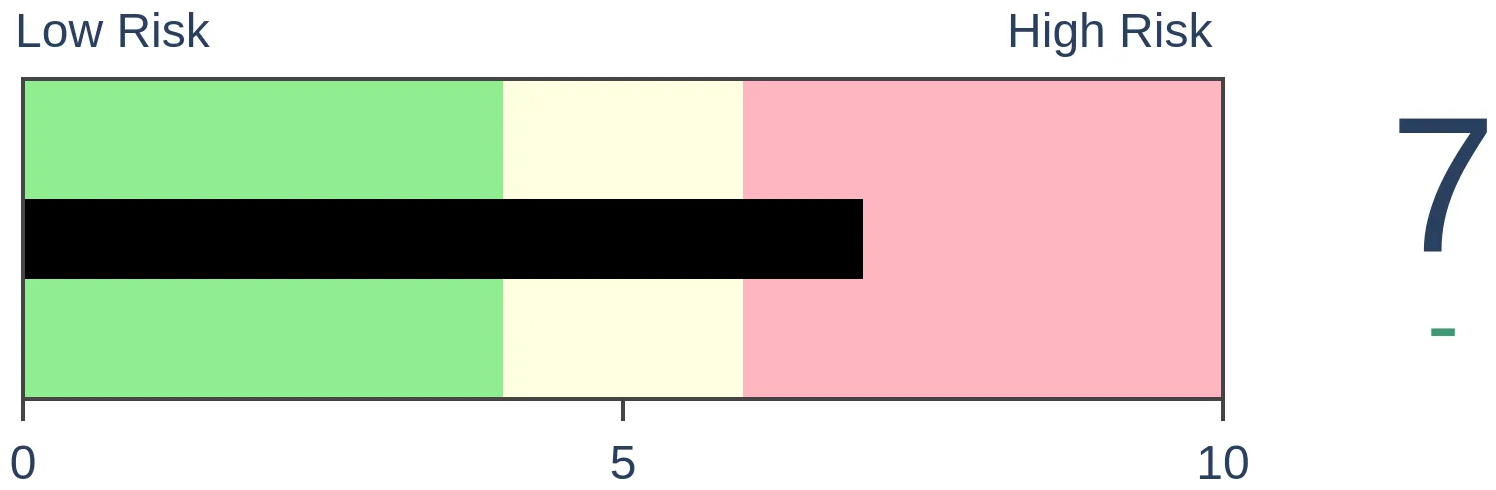
Stocks Medium-Term
|
|
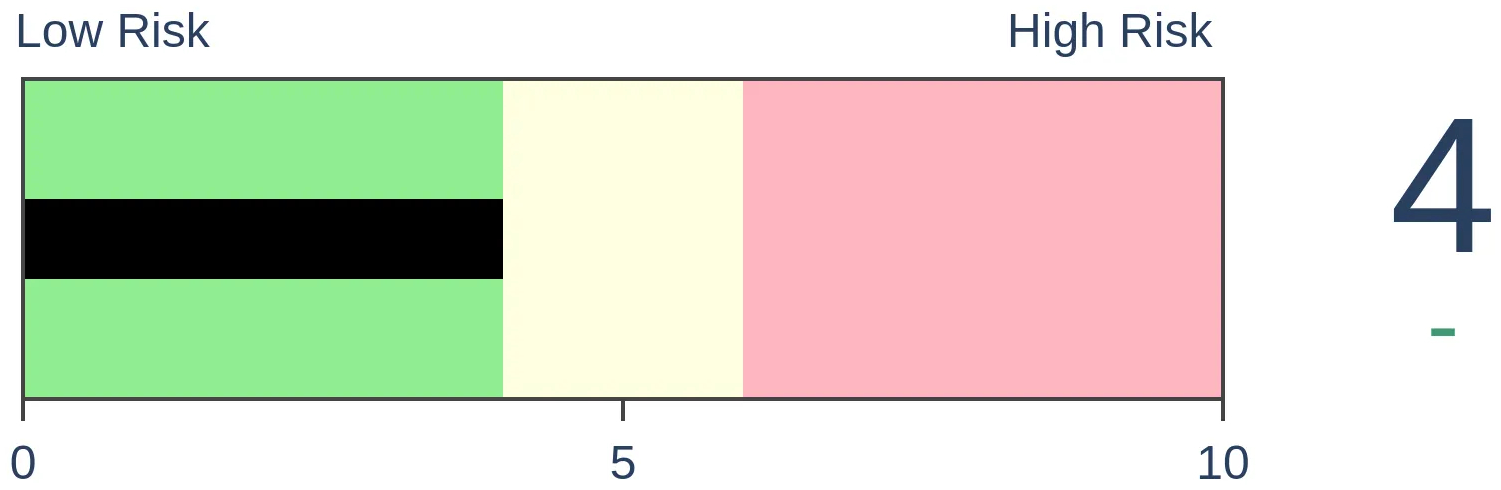
Bonds
|
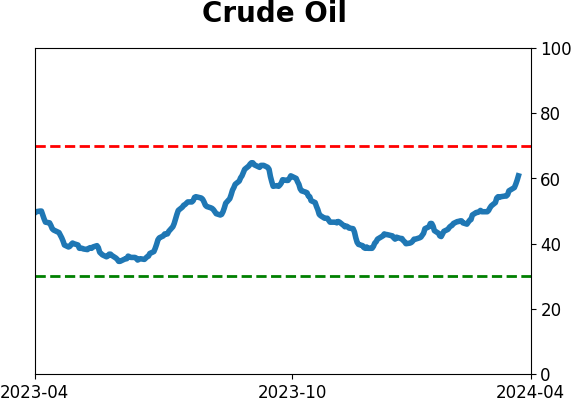
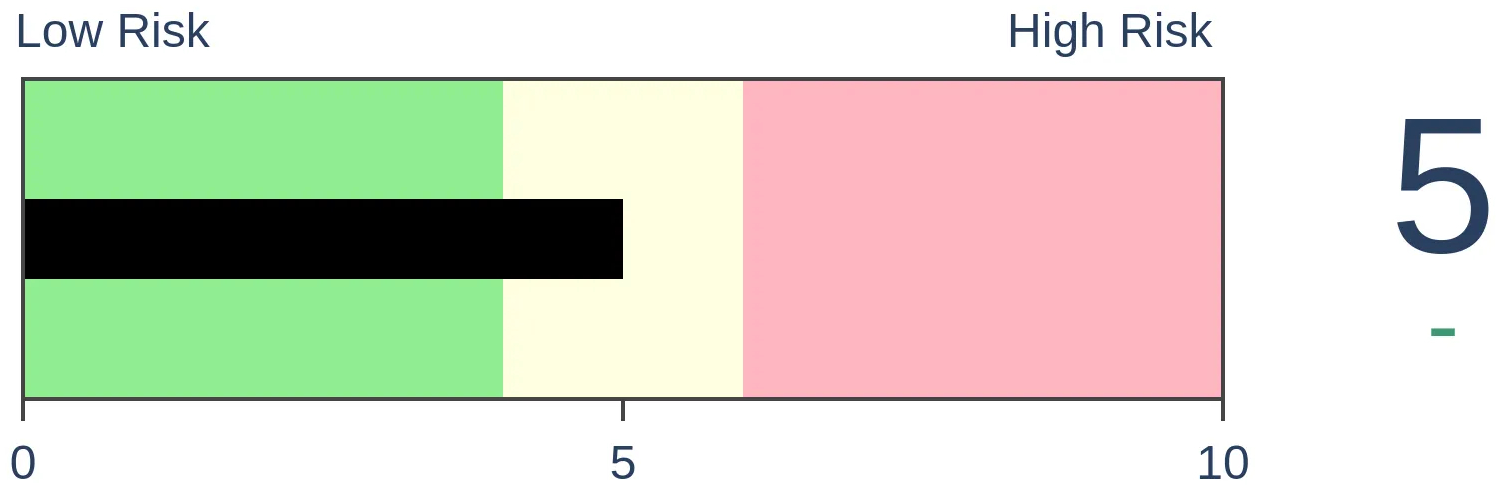
Crude Oil
|
|
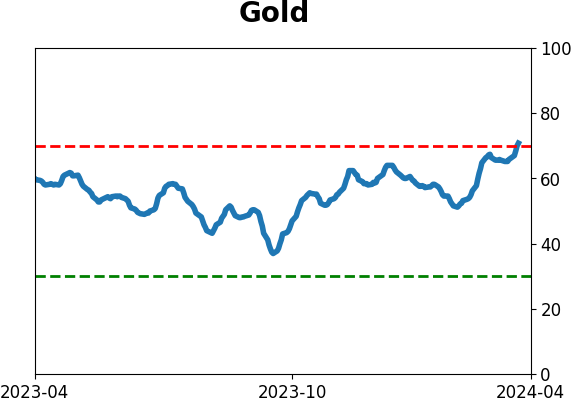
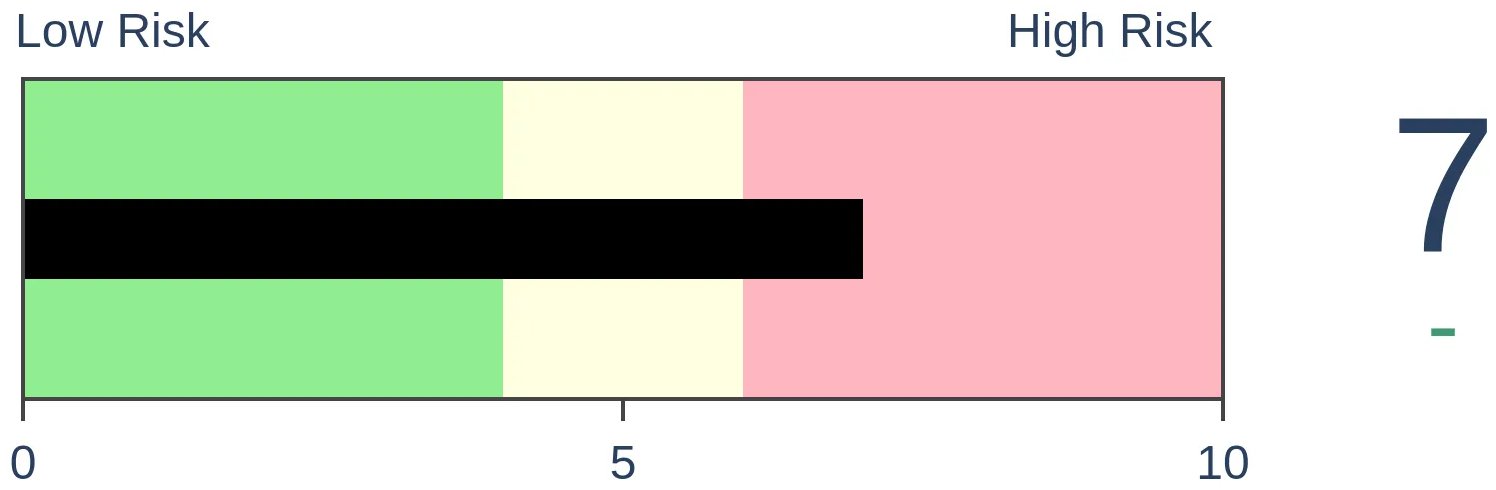
Gold
|
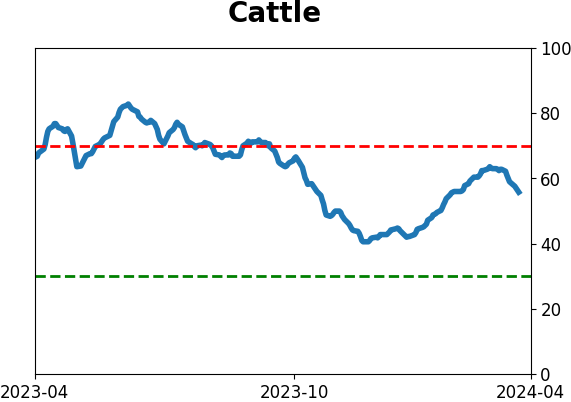
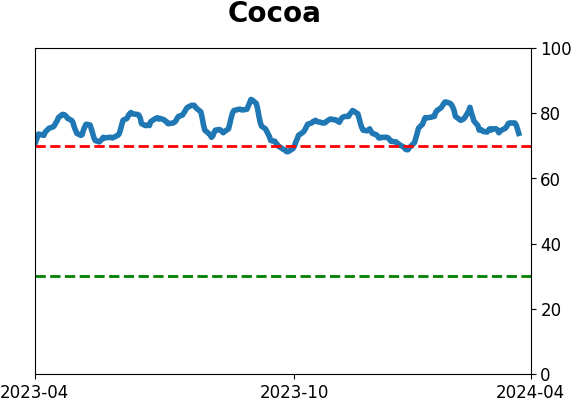
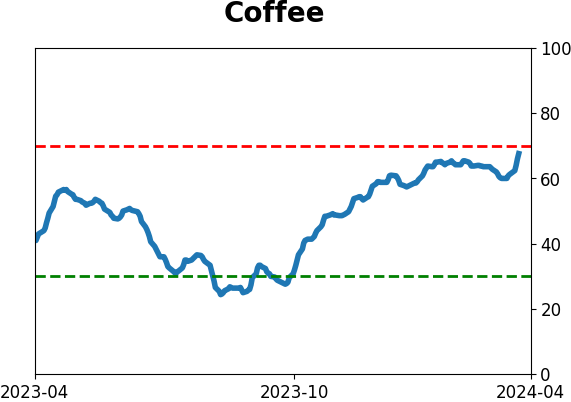
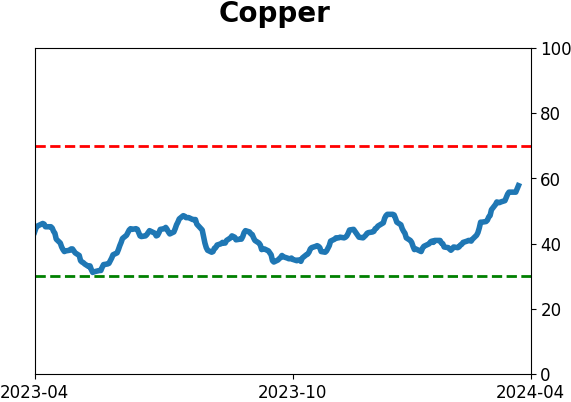
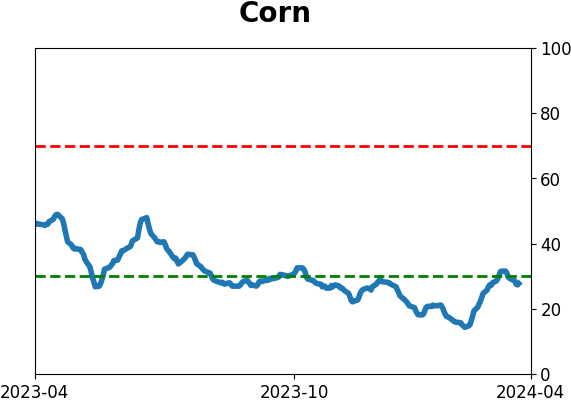
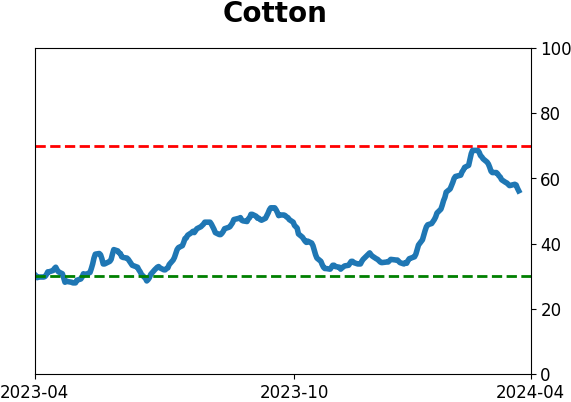
Agriculture
|
|
Research
By Jay Kaeppel
BOTTOM LINE
Silver has followed gold and soared in recent days. An earlier example options trade is showing a nice profit. What to do now? Cash out? Let it ride? Or something else? Decisions, decisions...
FORECAST / TIMEFRAME
None
|
Key points
- The iShares Silver Trust (ticker SLV) has soared in recent days
- An example trade from early March shows an open profit
- The text below discusses some choices - and the critical tradeoffs - that a trader might make now
Silver soars, example strangle shows a gain (now what?)
In this article dated 2024-03-07, one of the example option trades highlighted was a "strangle" dated 2024-03-06 using options on ticker SLV. The trade was intended as cheap speculation that "something" significant would happen to the price of Silver - i.e., it would break out decisively in one direction or the other. The good news is that SLV has moved decisively higher, and the example strangle is sitting with a decent open profit.
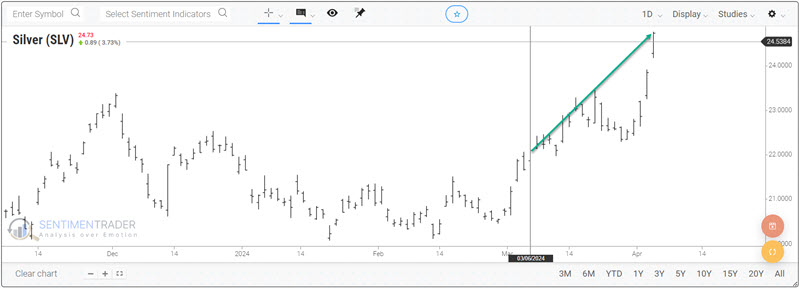
The bad news is that Silver still faces a fair amount of potentially daunting overhead resistance.
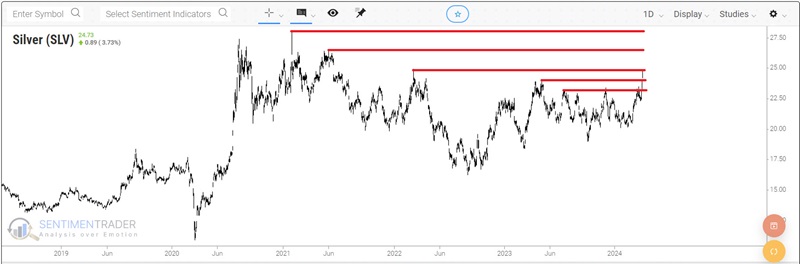
At this point, a trader holding the SLV 20-25 strangle must decide whether to take a profit, let it ride, or adjust the original trade. There are pros and cons to be considered for each.
An updated look at the SLV 20-25 strangle
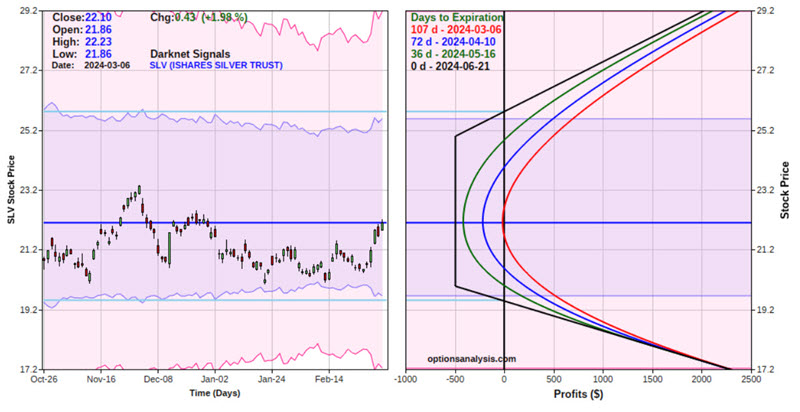
The figures below (courtesy of Optionsanalysis.com) display the original status of the SLV Jun21 20-25 strangle, which involved buying 6 of the Jun21 SLV 25 calls and 10 of the Jun21 SLV 20 puts for a cost of $494.
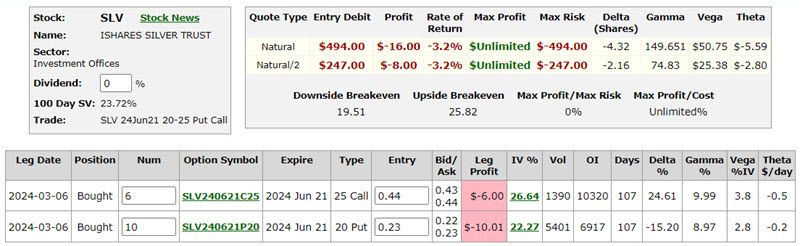
The figures below display the status of this position at the close on 2024-04-03 after SLV rallied from $22.10 a share to $24.72.
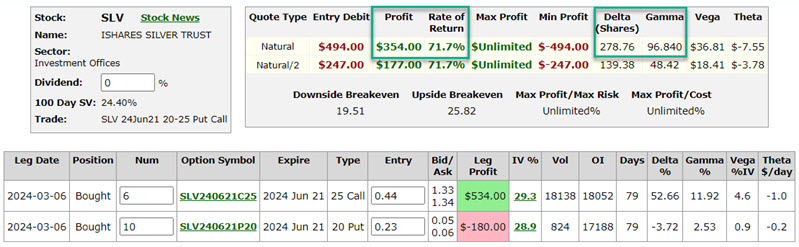
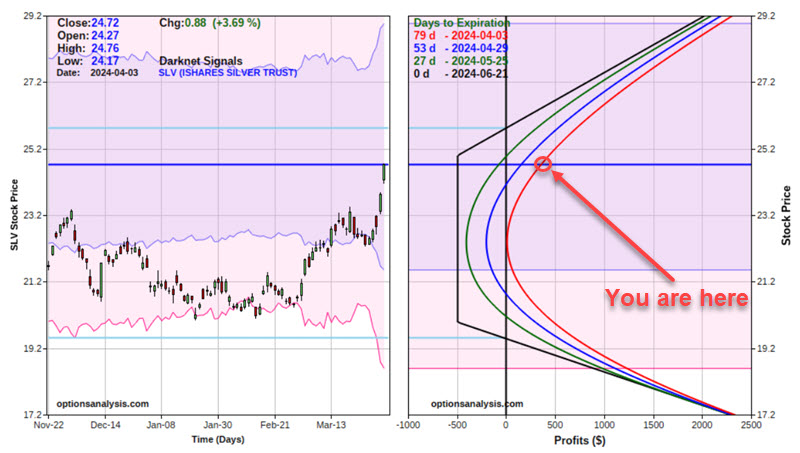
This illustrates the potential benefit of leverage involved in options trading. A roughly 12% move in the price of SLV has generated an open profit of almost 72% using options on SLV. At this point, the trade shows an open profit of 71.7%, and several choices are on the table. Several choices are detailed below. The critical thing to note is that there are no right or wrong answers, only answers that make sense for an individual trader.
Choice #1: Cash out
The original trade was simply a bet that Silver would break out of a narrowing price range. It was not necessarily a bet that Silver would soar to the moon or plummet significantly. At this point, the breakout has occurred, a significant percentage profit is available, and a trader who was merely betting on a breakout can justifiably exit the trade, book a nice profit, and move on to the next trade.
Choice #2: Let it ride
Gold has broken out to a new all-time high. Silver tends to follow gold and then often plays "catch up" and even outperforms gold at times. The current open position has a "delta" of 279 and a "gamma" of 96.84. The delta value means that for every one-point gain in the price of SLV, the option position will gain roughly another $279. Likewise, the gamma value tells us the position will earn an additional 97 deltas for each one-point gain for SLV.
The bottom line is that profit potential is significant IF SLV continues to rise. For a trader aiming to bet on a continued strong rally in SLV, rolling the dice and holding in might make sense. The tradeoff is that if SLV falters and reverses quickly, any profits can disappear quickly, and the trade can still turn back into a loss.
Choice #3: Adjust the trade
A third possibility is to exit or adjust the original trade and attempt to lock in a profit while allowing for further upside potential. The reality is there are essentially a limitless number of potential adjustments. The one detailed below is merely an example.
For our example, we will completely exit the original Jun21 20-25 strangle trade and establish a new Jun21 30-35 bull call spread to lock in profit but still leave the potential for some further upside.
The legs of the original trade were:
- Buy 6 SLV Jun21 25 calls @ $0.44
- Buy 10 SLV Jun21 20 puts @ $0.23
The legs of the adjustment now are:
- Sell 6 SLV Jun21 25 calls @ $1.33 (exit original position Leg #1)
- Sell 10 SLV Jun21 20 puts @ $0.05 (exit original position Leg #2)
- Buy 10 SLV Jun21 30 calls @ $0.35 (enter bull call spread Leg #1)
- Sell 10 SLV Jun21 35 calls @ $0.13 (enter bull call spread Leg #2)
The particulars for the full trade after adjustments appear below.
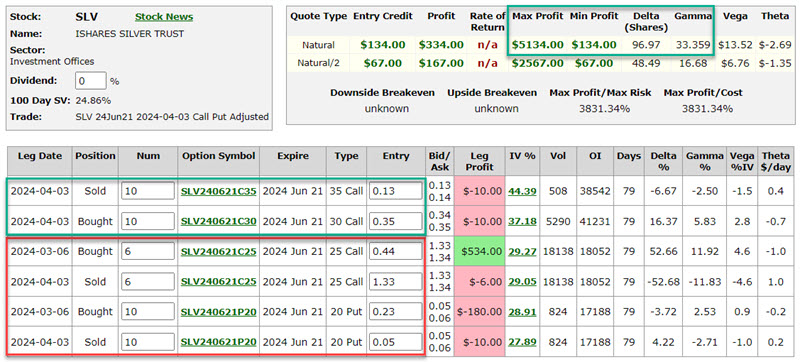
The risk curves (i.e., the expected $ P/L at a given price for SLV shares as of four dates leading up to option expiration) appear below.
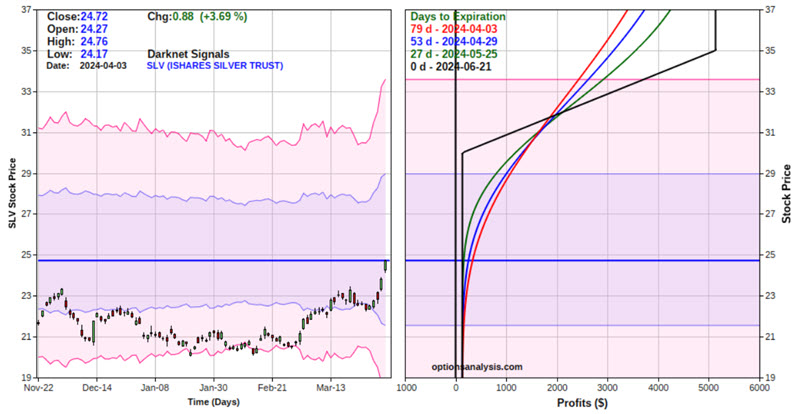
You can see the tradeoff associated with this adjustment in the chart above:
- If SLV fails to rally, the existing open profit will decline
- However, the worst case is a profit of $134 (in other words, a trader is now playing with "house money" betting on a continued rally in SLV)
- The maximum profit potential is $5,134 (though note that this level of profit would only be achieved if we held this position until expiration and SLV was at $35 a share or higher at that time
- Also, note that the delta of 96.97 and gamma of 33.36 indicate that this adjusted position has significantly less upside potential than the original trade
Note again that the example adjustment above is only one of many possibilities. To maximize profitability at a lower level, a trader might consider the 25-30 bull call spread instead of the 30-35 bull call spread above. Conversely, a trader who thinks that SLV might run out of gas and reverse sharply could have bought some put options to profit from that scenario instead.
What the research tells us…
Everything in option trading is a tradeoff. There are no "best trades"; only trades with tradeoffs that the trader finds most acceptable. The information above is about making well-thought-out choices and living with the consequences. A trader who cashes out now could quickly end up "kicking themselves" if SLV continues to soar. The trader who "lets it ride" could regret their decision if SLV reverses sharply lower quickly and the open profit turns into a loss. Finally, a trader who makes the example adjustment above could lament the additional money they might have made if they had "let it ride" and SLV soared.
Indicators at Extremes
Phase Table
Ranks
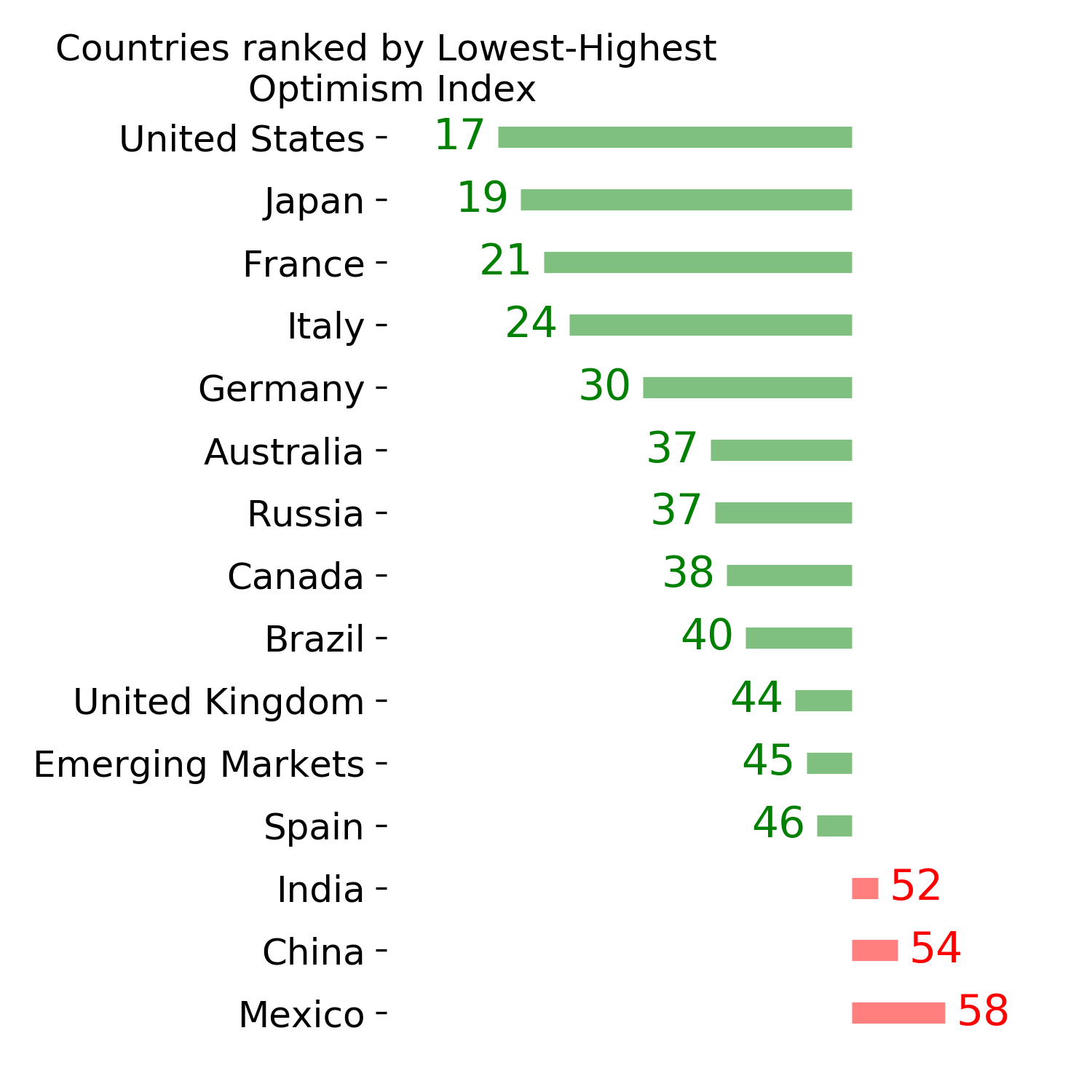
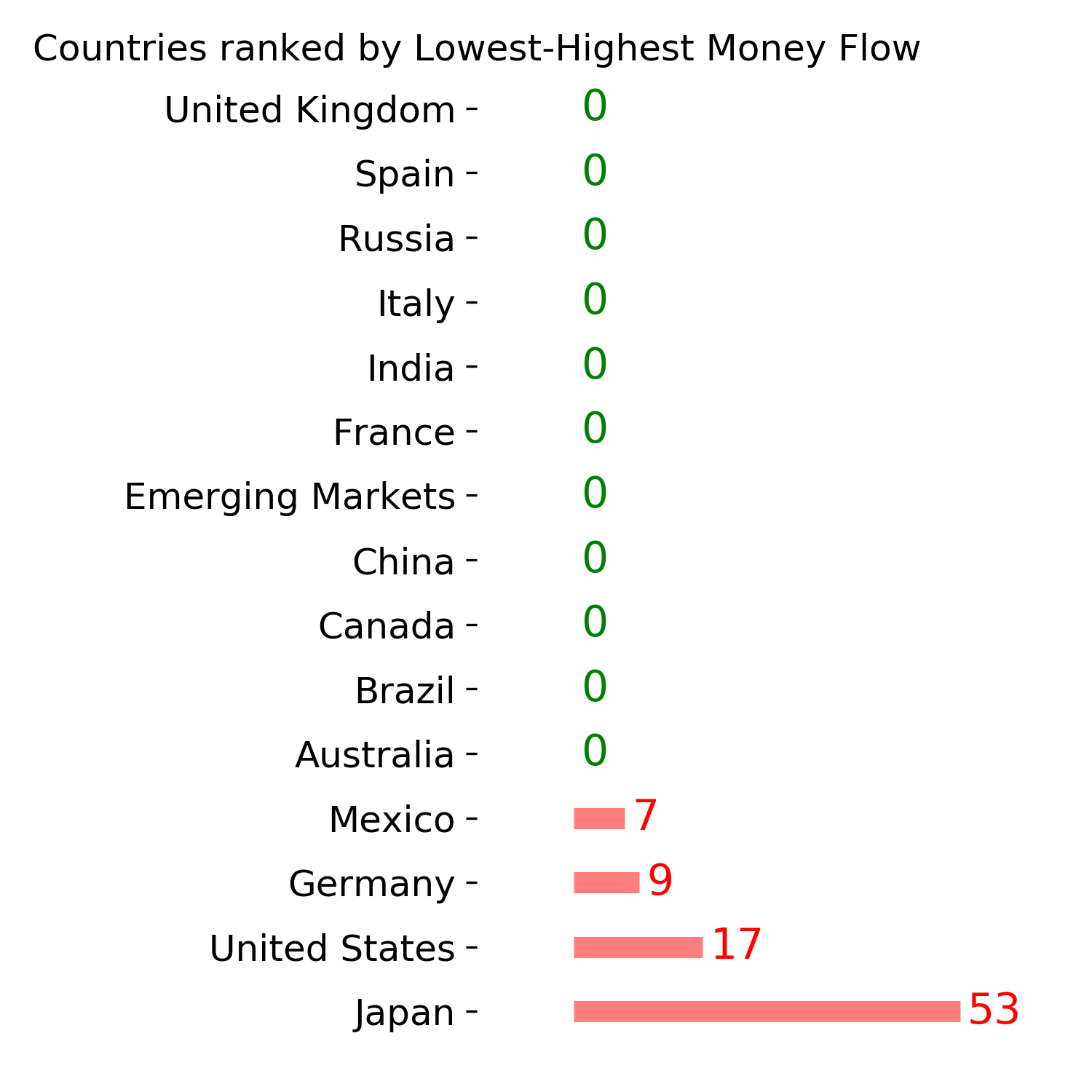
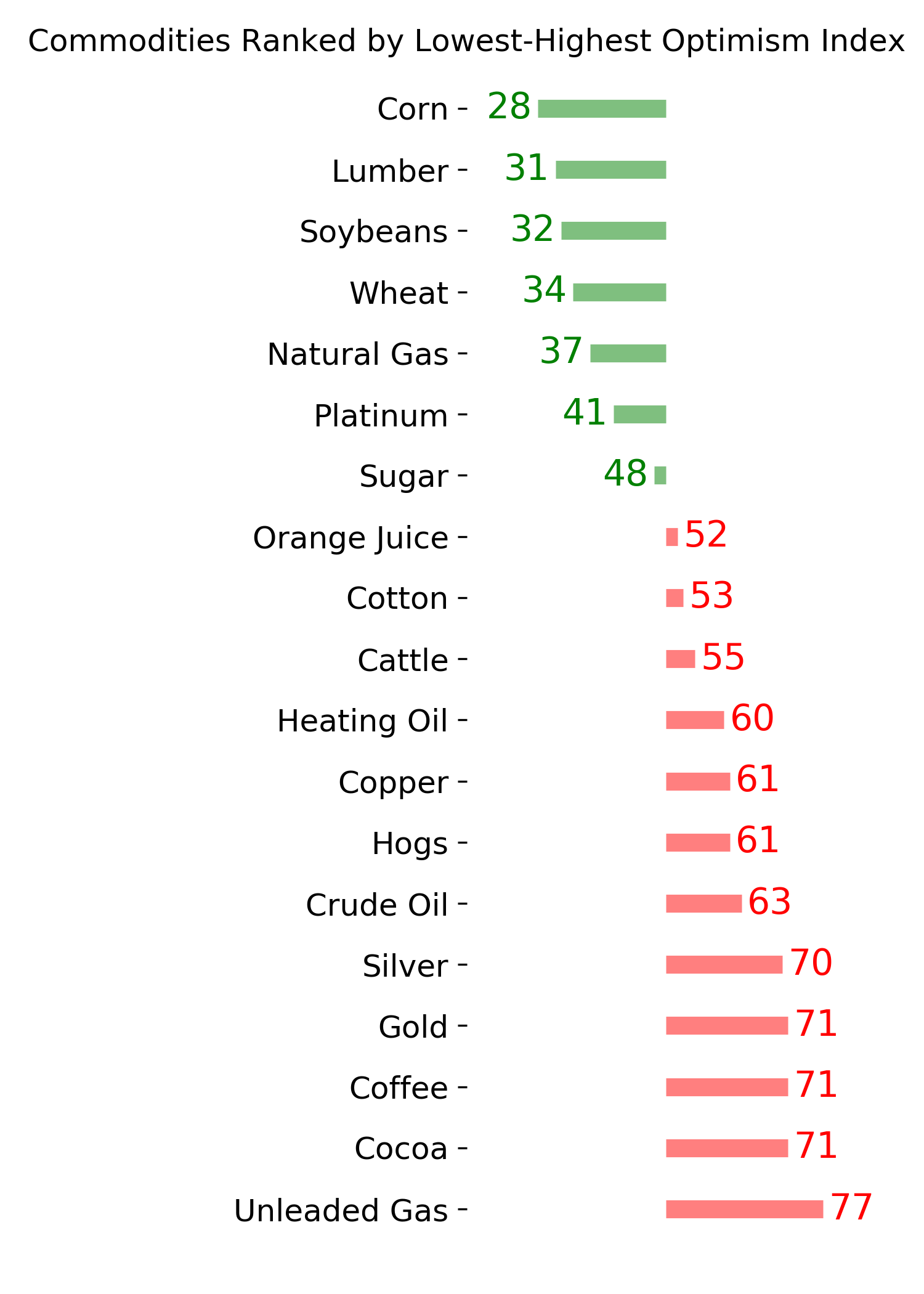
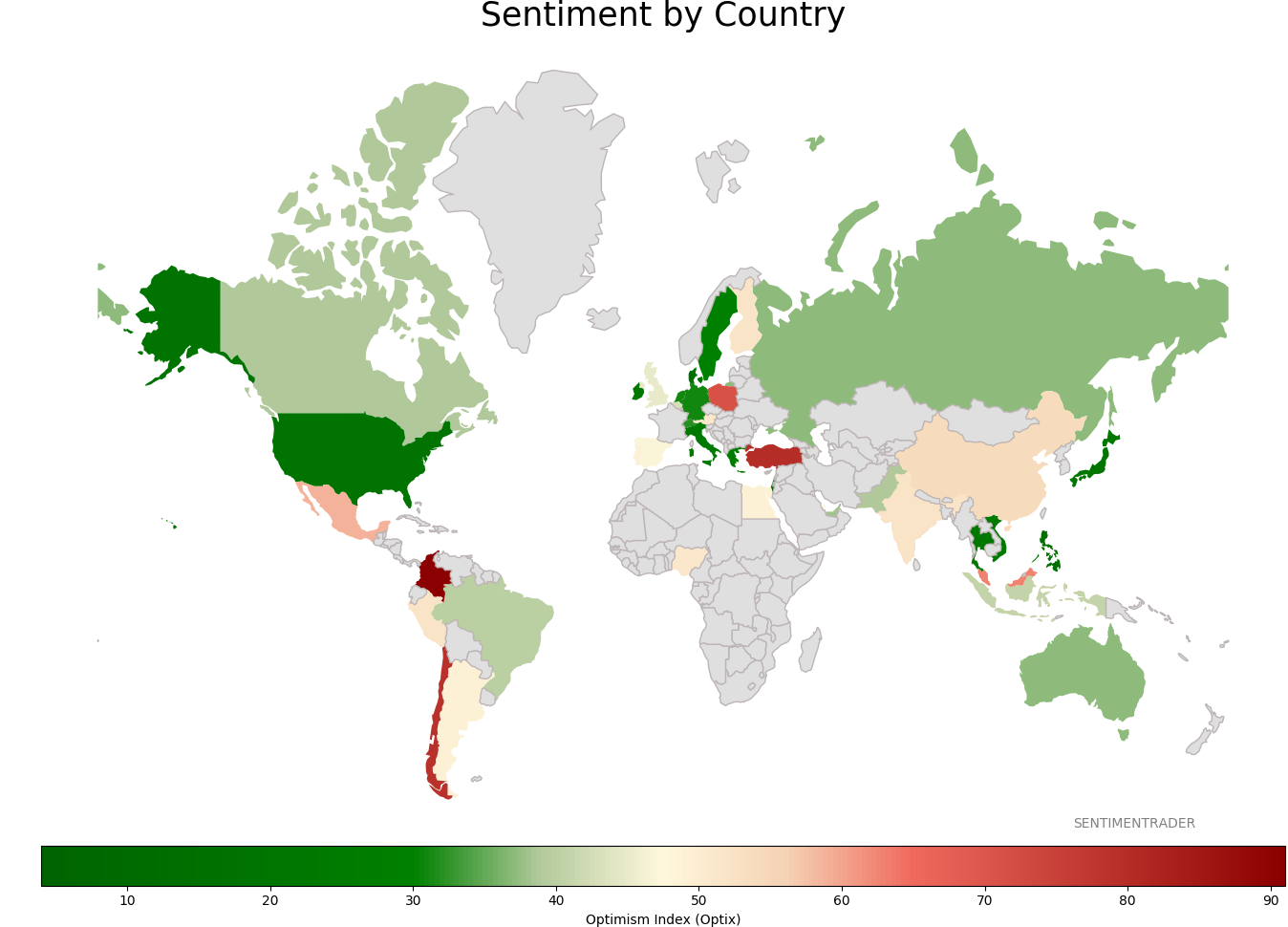
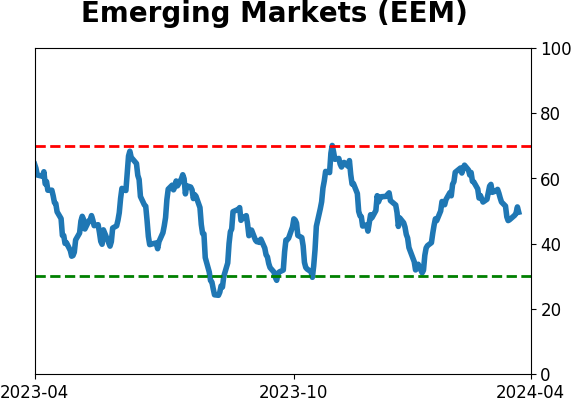
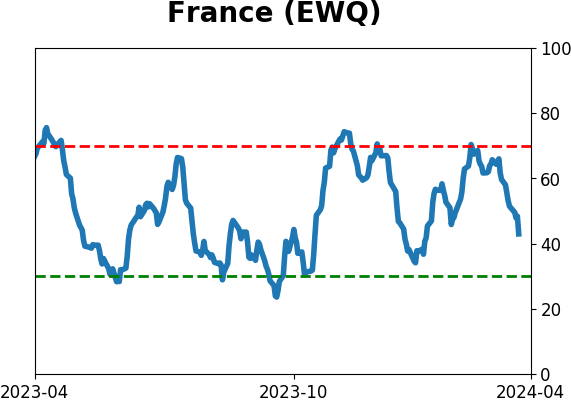
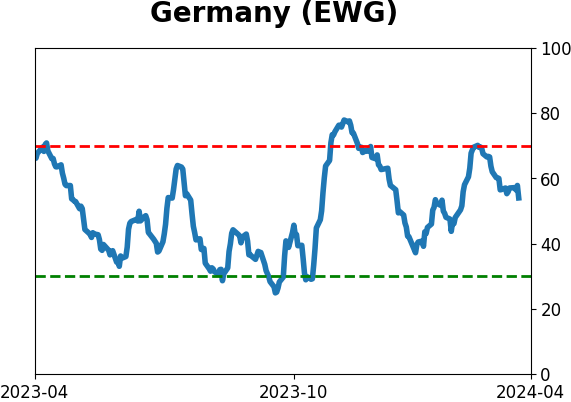
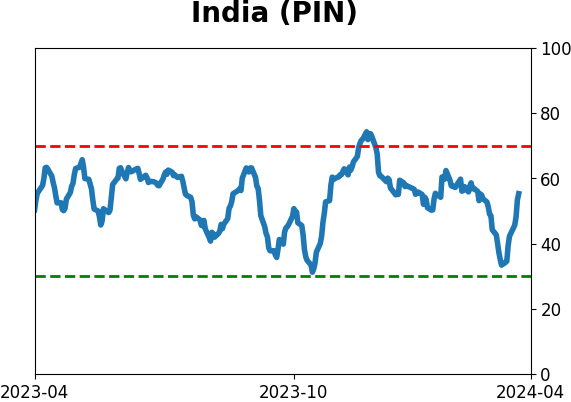
Sentiment Around The World
Optimism Index Thumbnails
|
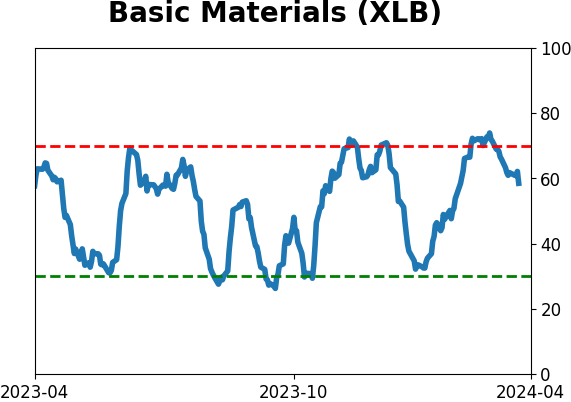
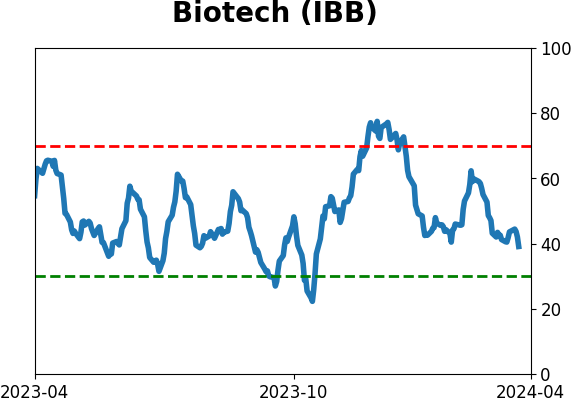
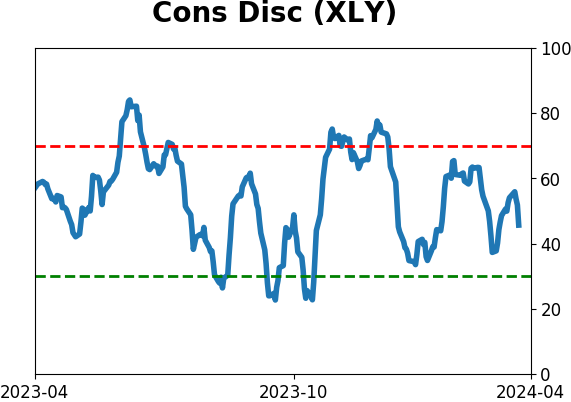
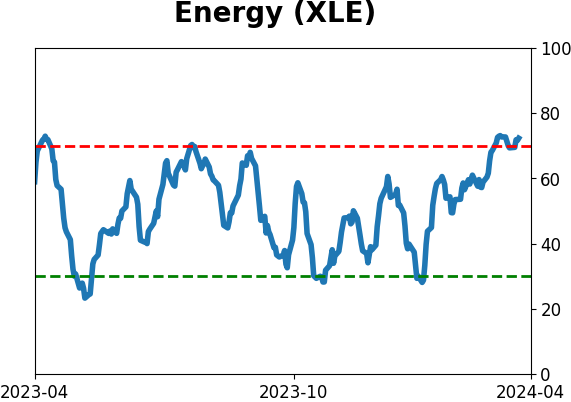
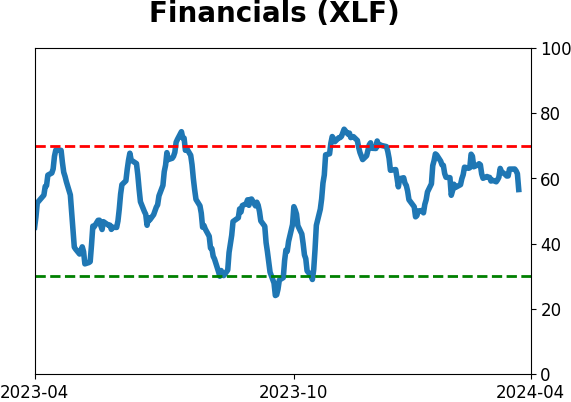
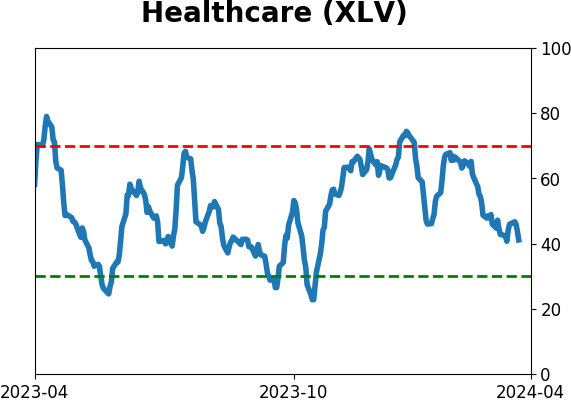
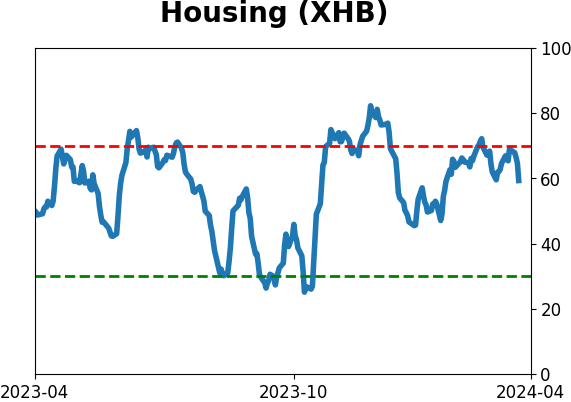
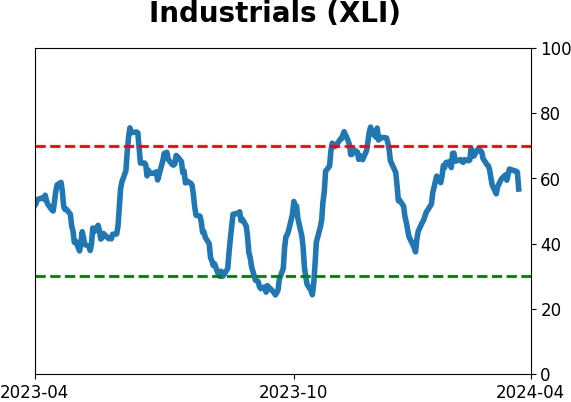
Sector ETF's - 10-Day Moving Average
|
|
|
Country ETF's - 10-Day Moving Average
|
|
|
Bond ETF's - 10-Day Moving Average
|
|
|
Currency ETF's - 5-Day Moving Average
|
|
|
Commodity ETF's - 5-Day Moving Average
|
|