Products
SentimenTrader Trading Tools
‍
Backtest Engine
My Trading Toolkit
Correlation Analysis
Seasonality
Market Prediction
Indicators & Data API
‍
Proprietary Indicators & Charts
Market Data API
Strategies & Scanner
‍
50+ Trading Strategies
Smart Stock Scanner
Smart Option Scanner
Research Reports
‍
Research Solutions
Reports Library
Free Resources
Simple Backtest Calculator
Simple Seasonality Calculator
The Kelly Criterion Calculator
Sentiment Geo Map
Public Research Reports
Education
Sentiment Indicators
Technical Indicators
Pricing
Company
About
In the News
Testimonials
Client Success Stories
Contact
Log inLoginSign up
< BACK TO ALL REPORTS

Daily Report : Upside volatility has skyrocketed

Jason Goepfert
2024-04-02
Over the past 100 days, stocks have been magnificently well. The uptrend has seemed quiet and persistent. But that hides the fact that volatility on up days has been significantly higher than that on down days, to a historic degree. While that suggests investor exuberance, similar behavior has not preceded consistent declines.
View/Print a PDF version of this Report

Headlines


Upside volatility has skyrocketed: Over the past 100 days, stocks have been magnificently well. The uptrend has seemed quiet and persistent. But that hides the fact that volatility on up days has been significantly higher than that on down days, to a historic degree. While that suggests investor exuberance, similar behavior has not preceded consistent declines.

Smart / Dumb Money Confidence

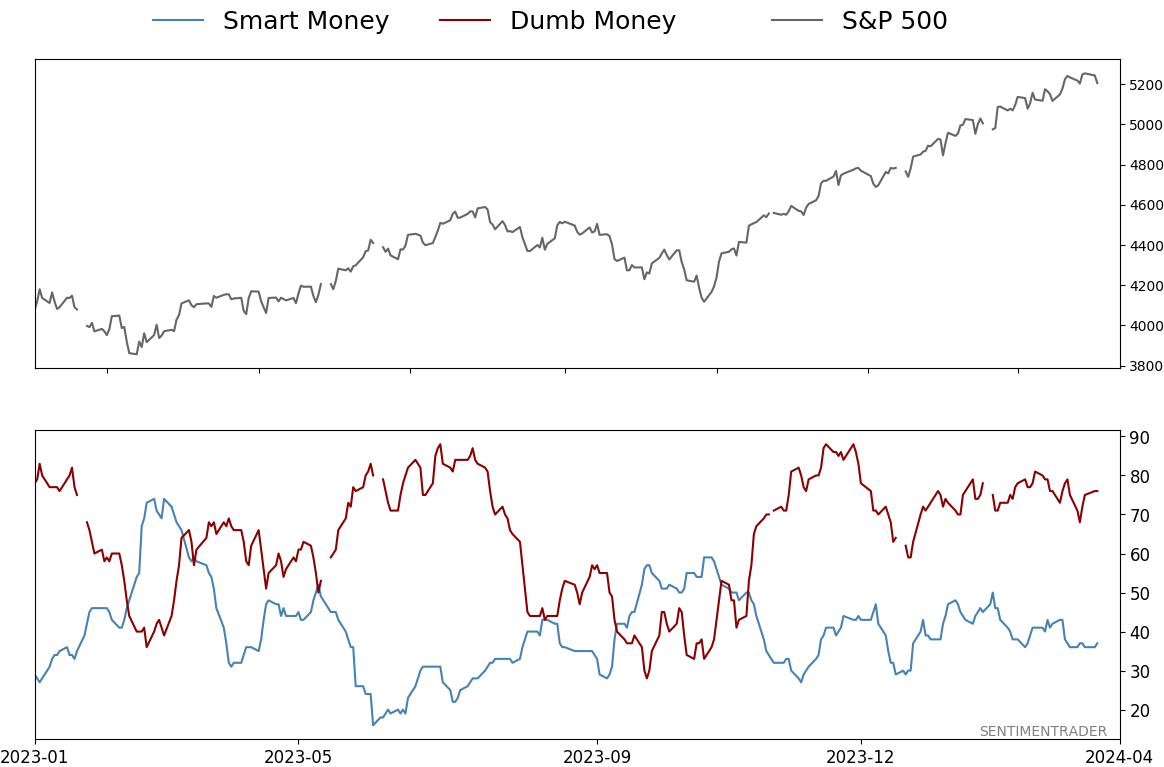
Smart Money Confidence: 37% Dumb Money Confidence: 76%

Risk Levels

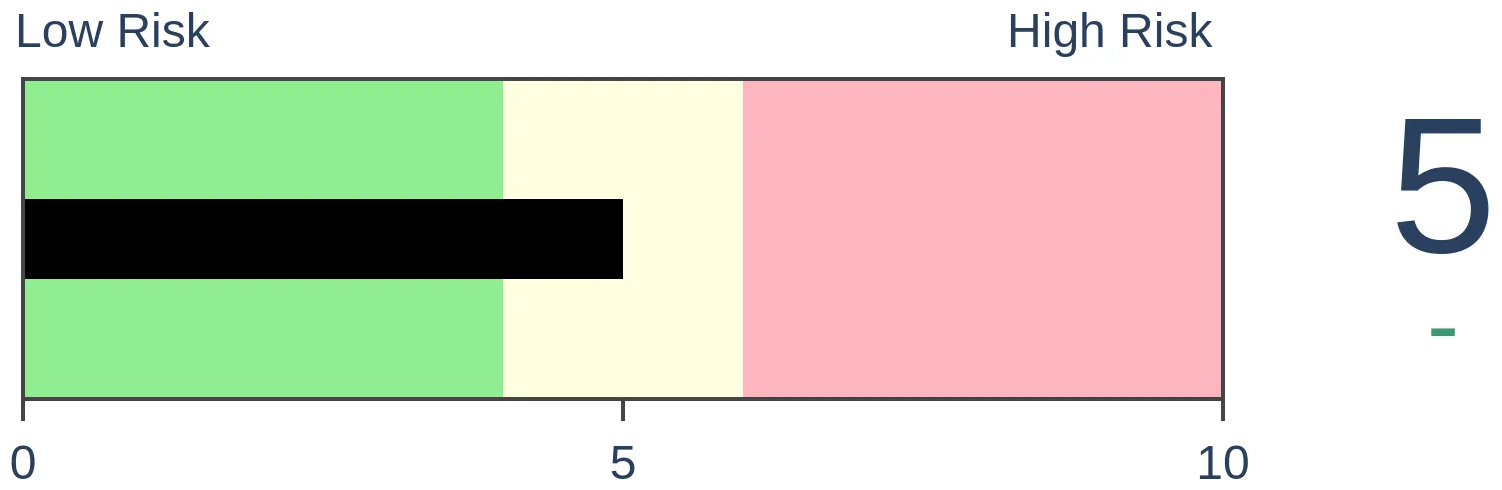
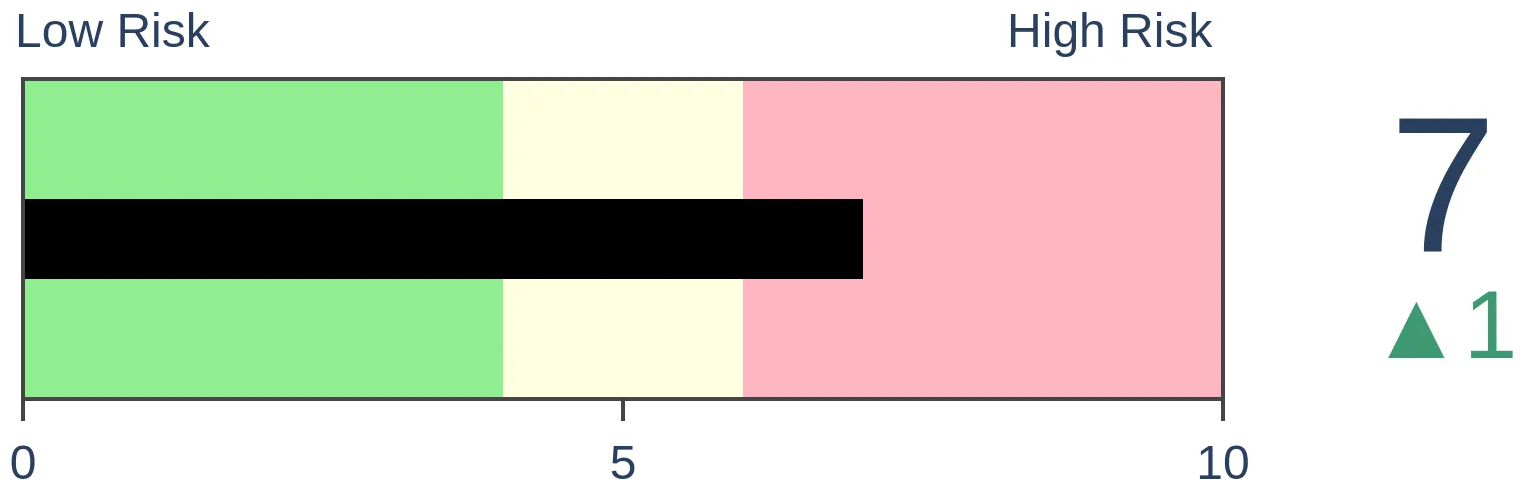
Stocks Short-Term

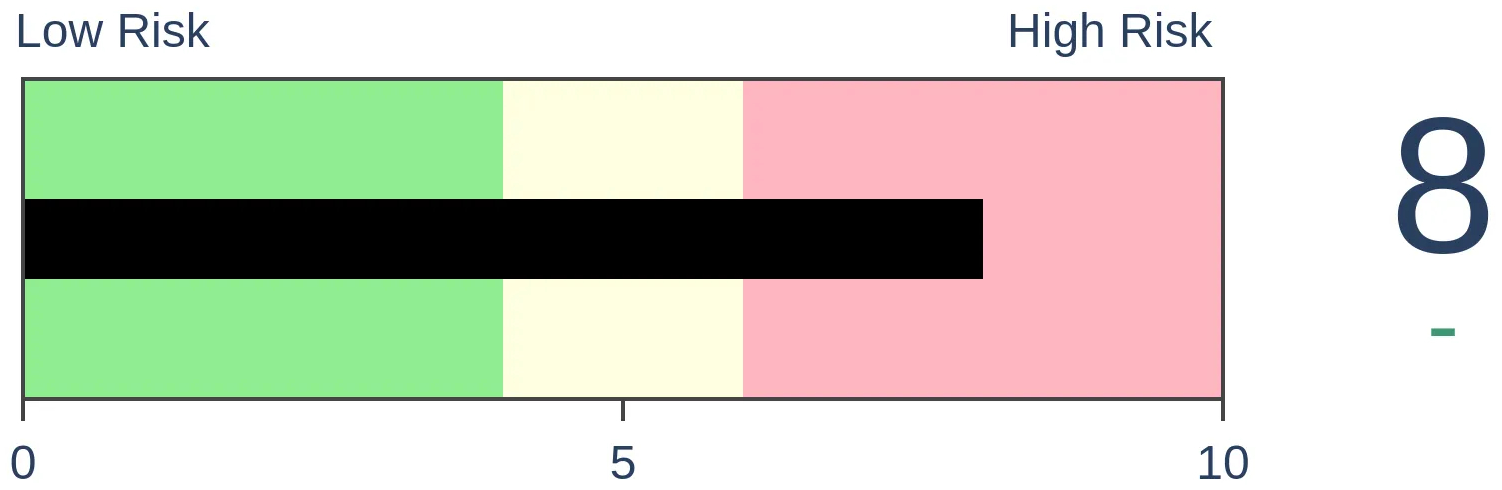
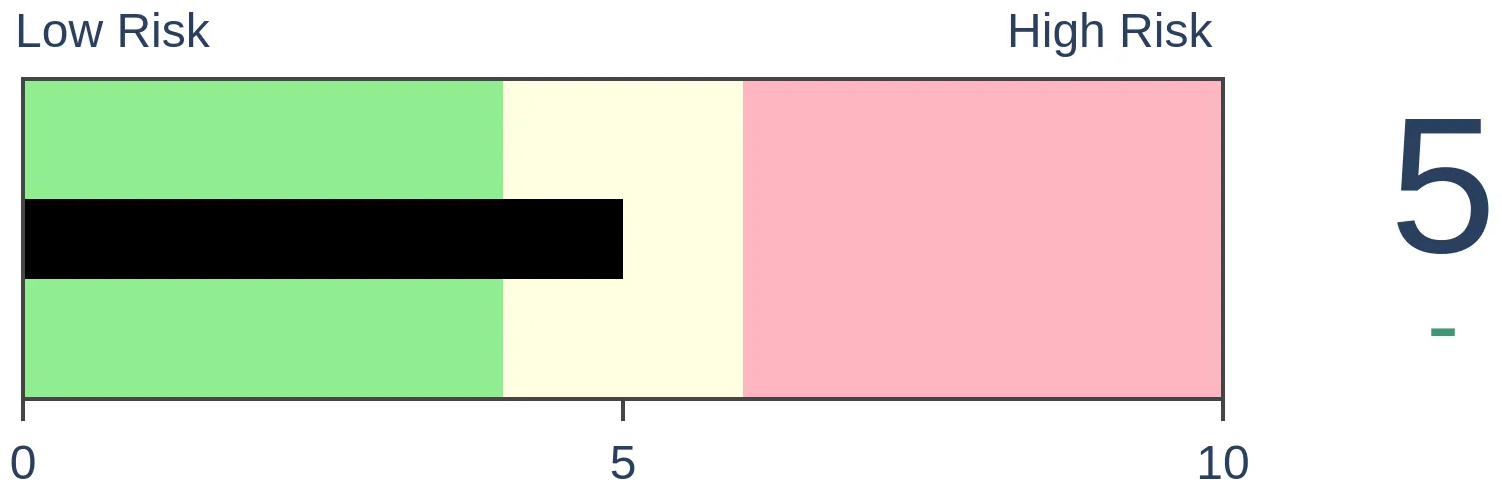
Stocks Medium-Term

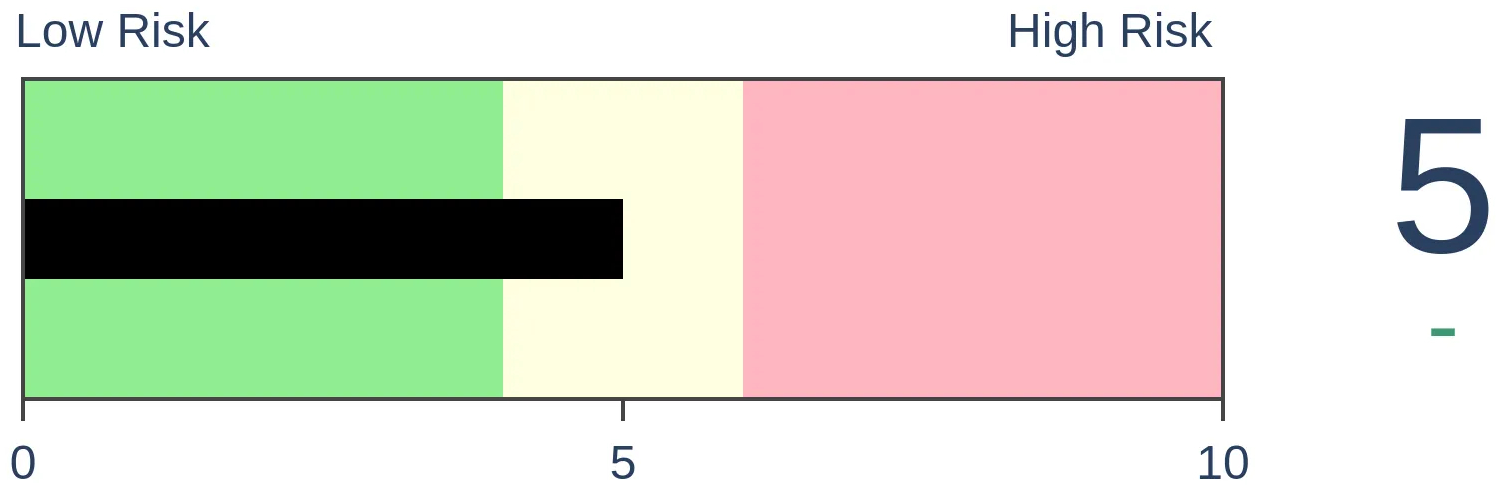
Bonds

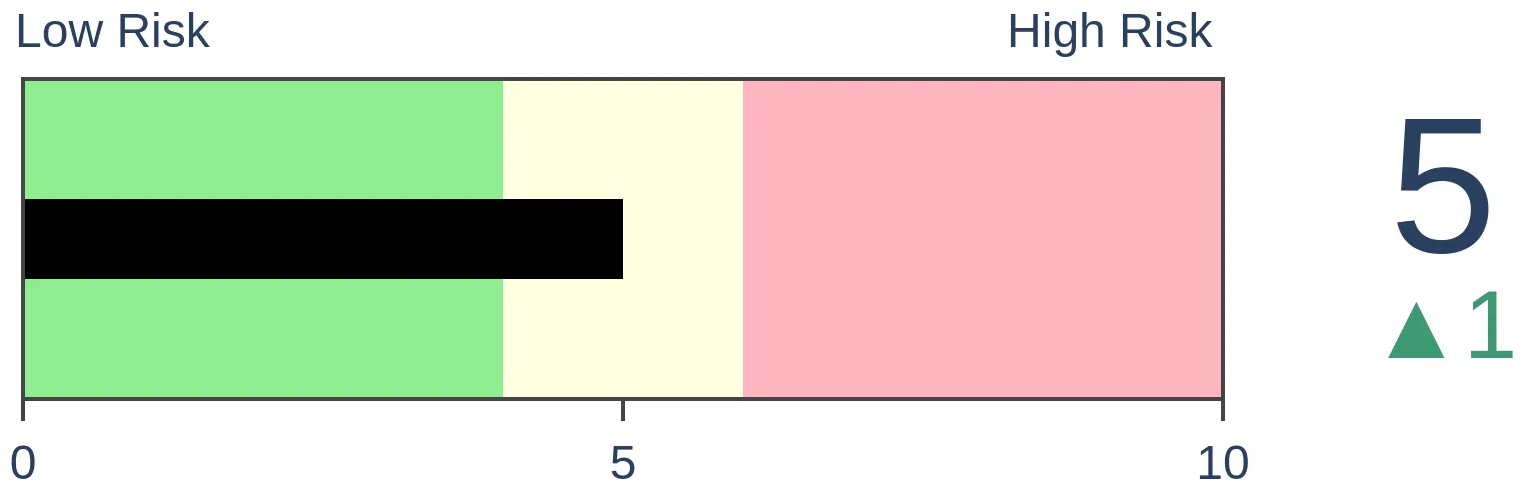
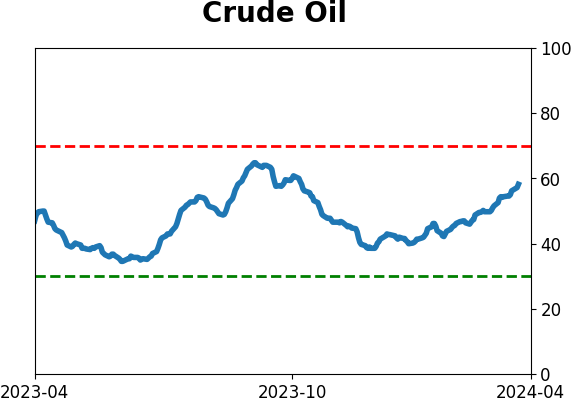
Crude Oil

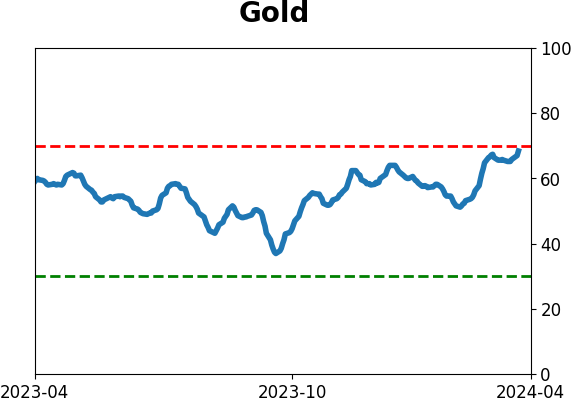
Gold

Agriculture

Research

Upside volatility has skyrocketed

By Jason Goepfert

BOTTOM LINE
Over the past 100 days, stocks have been magnificently well. The uptrend has seemed quiet and persistent. But that hides the fact that volatility on up days has been significantly higher than that on down days, to a historic degree. While that suggests investor exuberance, similar behavior has not preceded consistent declines.

FORECAST / TIMEFRAME
None

Key points:

  • The S&P 500's moves have been relatively quiet, but that hides an unusual underlying dynamic
  • Price action has been significantly more volatile on up days than on down days, to a historic degree
  • While that might suggest exuberance, it has not preceded consistent declines in stocks

High volatility, but mostly on up days

Stocks enjoyed a tremendous push during the first hundred days off the October 2023 bottom. While the rally was relatively calm, it hides an unusual twist - volatility on positive days has been significantly higher than on negative days.

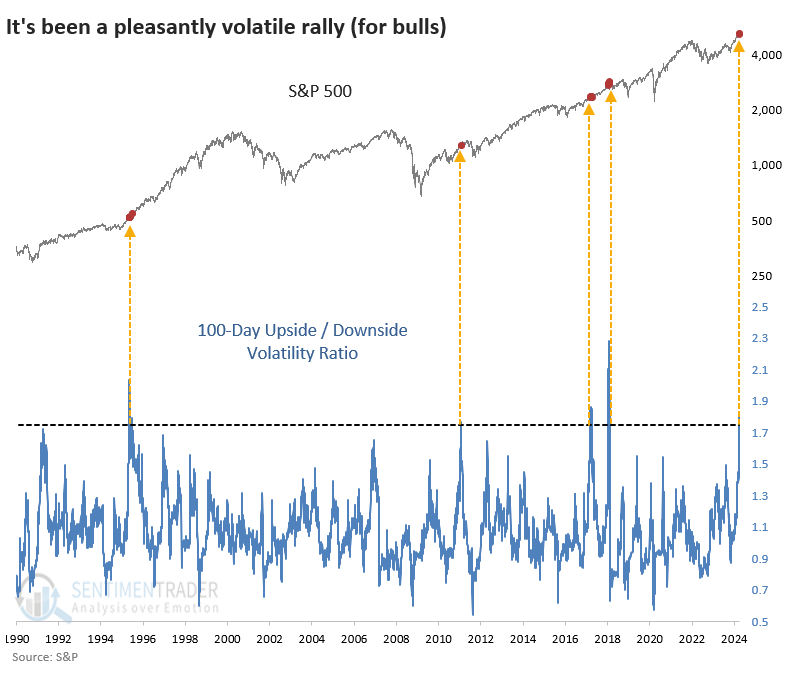
In the past hundred days, the S&P averaged a gain of +0.61% on its positive days and -0.42% on its negative days. Also, the positive days have been more volatile than the negative ones. The chart below shows the ratio between volatility on up and down days. We can see that it's at one of the highest levels in decades and triggered right before peaks in 2011 and 2018, but also in the early stages of rallies in 1995 and 2017.
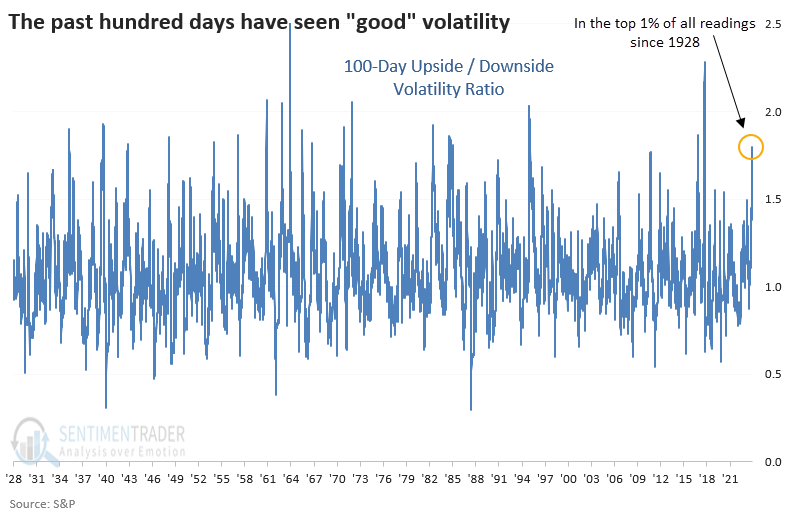
Taking a much longer view, the chart below shows that the current ratio is in the top 1% of all days since 1928, so it is genuinely extreme.
No consistent downside to upside volatility

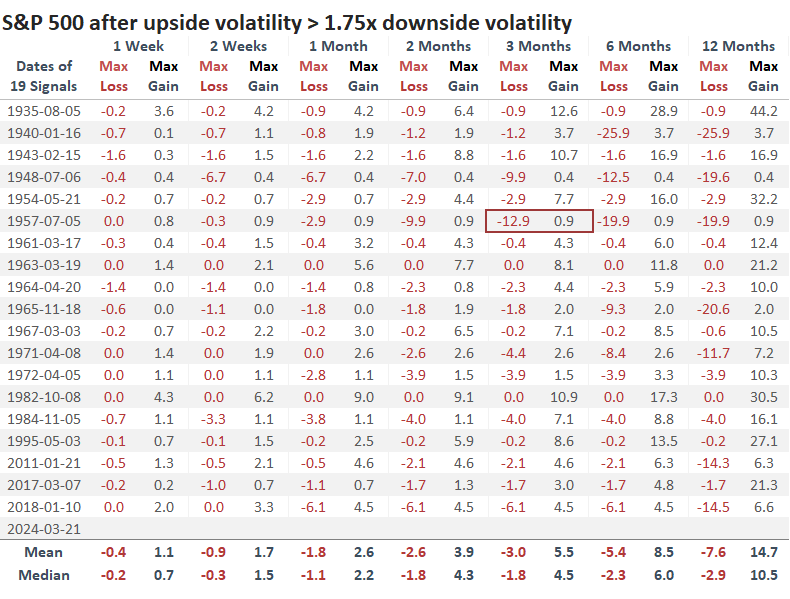
The table below shows returns in the S&P 500 after its upside volatility crossed 1.75 times downside volatility. Theoretically, we could expect that these were instances of FOMO (Fear Of Missing Out) and sure to end in tears for bulls late to the party. The results don't support that theory, however. While there were some sizable losses, they were the exception. Over the past 50 years, all the signals resulted in further gains over the next six months.
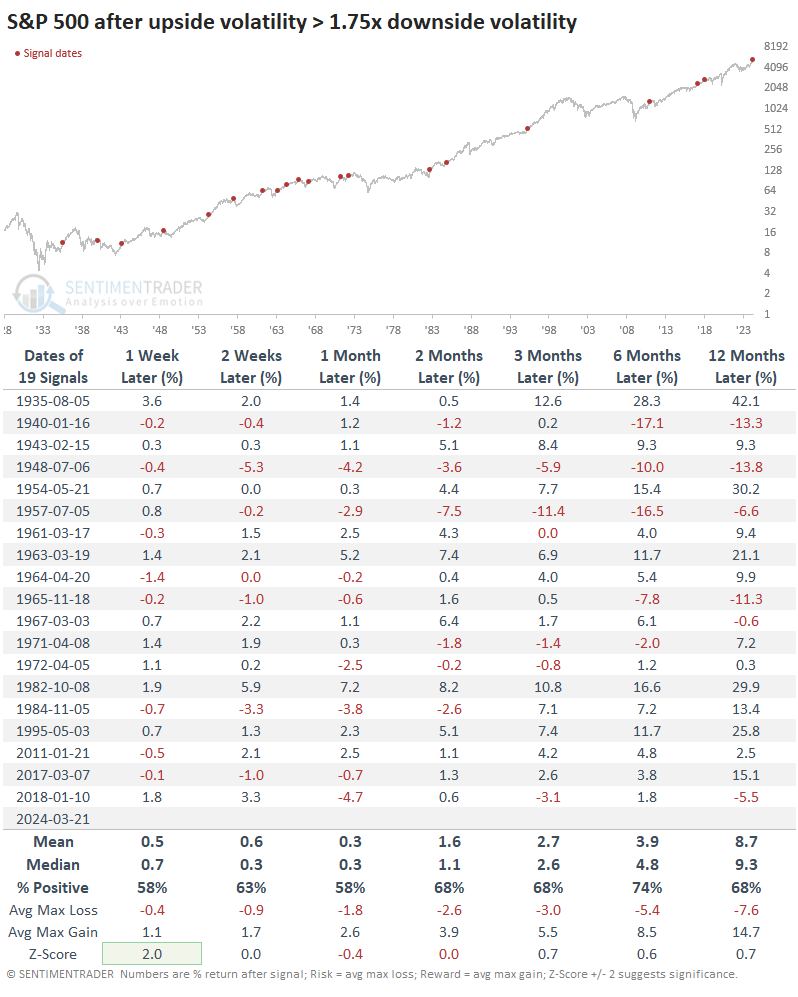
The table of maximum gains and losses across time frames shows that within the next three months, only one signal (in 1957) resulted in a double-digit loss. Over that time frame, 14 out of 19 signals showed a larger maximum gain than maximum loss.
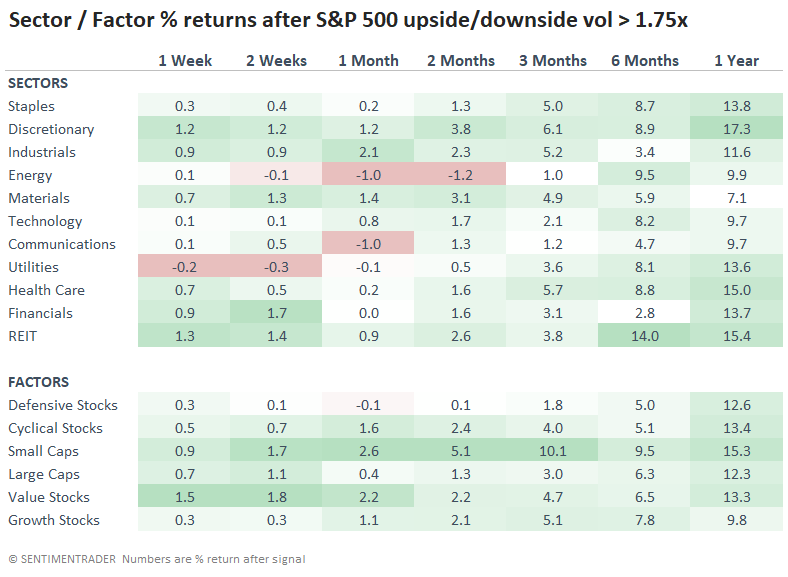
Another reasonable theory is that investors might take a breather after these bouts of upside volatility and hide in larger or more defensive stocks. That wasn't really the case; the table below shows that small-cap and cyclical stocks showed better returns across most time frames than the more conservative factors. Over the next year, discretionary stocks had the best average return, at +17.3%.
What the research tells us...

Examples and anecdotes of extreme optimism, even exuberance, aren't hard to come by now. Many sentiment measures show extremes, though they've been pinned there for months. That's the hallmark of a nascent bull market.

Investors may be concerned about price action and how stocks have been gaining so much more on up days than they're losing on down days. That's a good problem to have (for bulls), but it leads to concerns about excess. And it has been excessive, but similar behavior didn't lead to consistent mean-reversion. Most of the time, the gains just kept on coming.


Indicators at Extremes

Click here to view on the site (% Extremes and "Excess" tabs on the dashboard).
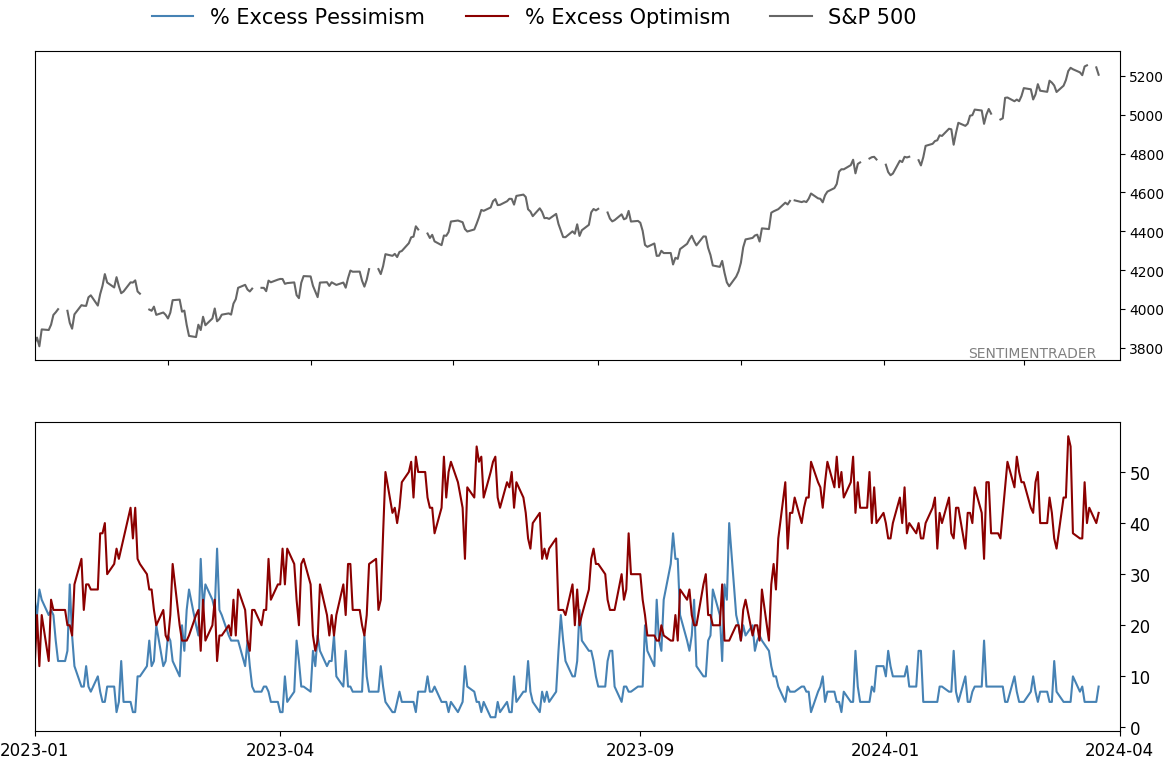
% Showing Pessimism: 8%
Bullish for Stocks

Inverse ETF Volume
S&P 500 Down Pressure
NYSE Up Issues Ratio
CSFB Fear Barometer
Mutual Fund Flow (no ETFs)
% Showing Optimism: 42%
Bearish for Stocks

Smart Money / Dumb Money Confidence Spread
NYSE High/Low Ratio
NYSE Arms Index
Dumb Money Confidence
% Showing Excess Optimism
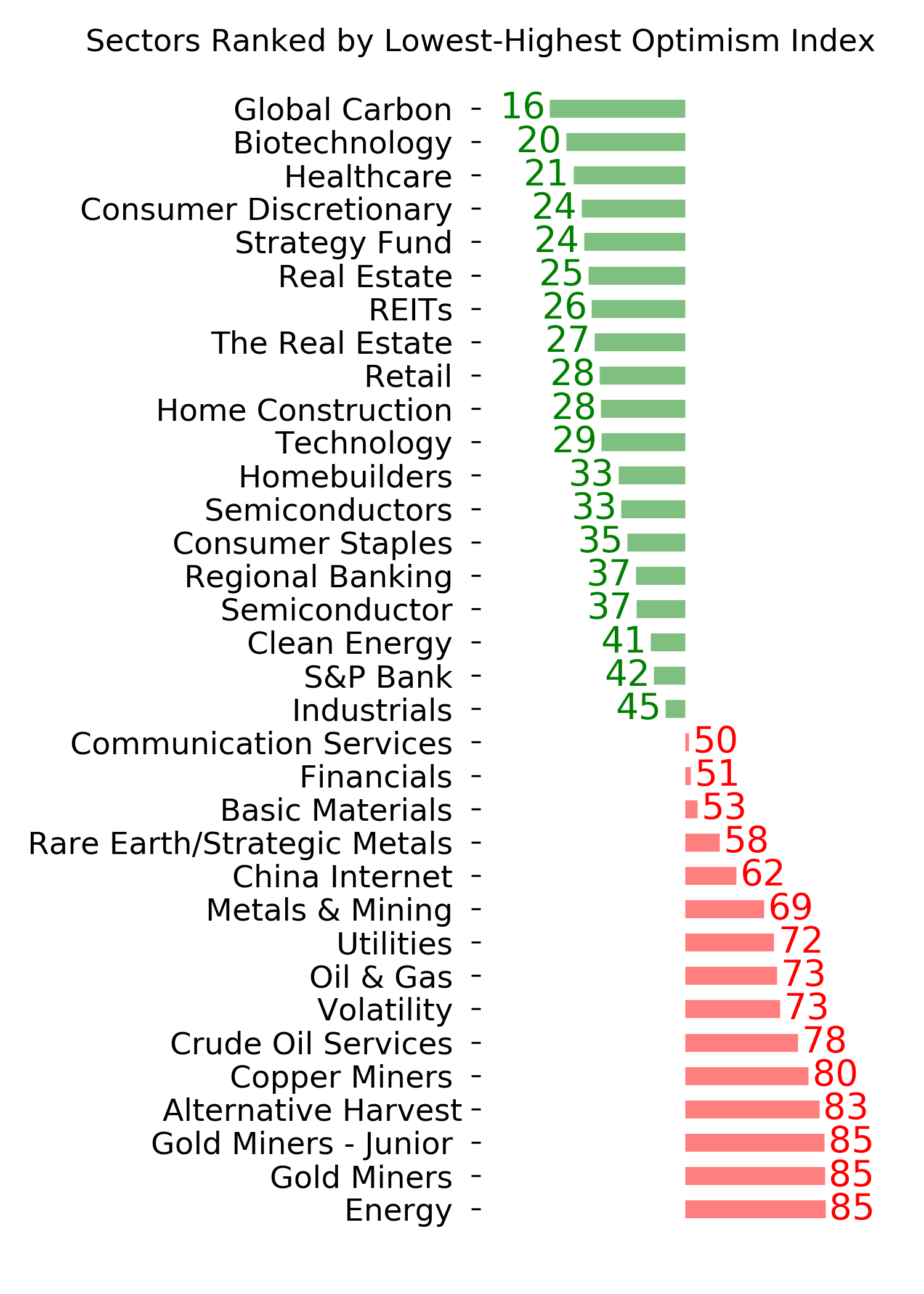
Intermediate Term Optimism Index (Optix)
VIX
Rydex Money Market %
Rydex Ratio
Rydex Bearish Flow
Retail Money Market Ratio
SKEW Index
OEX Open Interest Ratio
Equity Hedging Index
AAII Allocation - Stocks
Options Speculation Index
Risk Appetite Index
AAII Bull Ratio
NAAIM Exposure Index
AIM (Advisor and Investor Model)
Mutual Fund Cash Level
NYSE Available Cash
Equity / Money Market Asset Ratio
VIX Transform

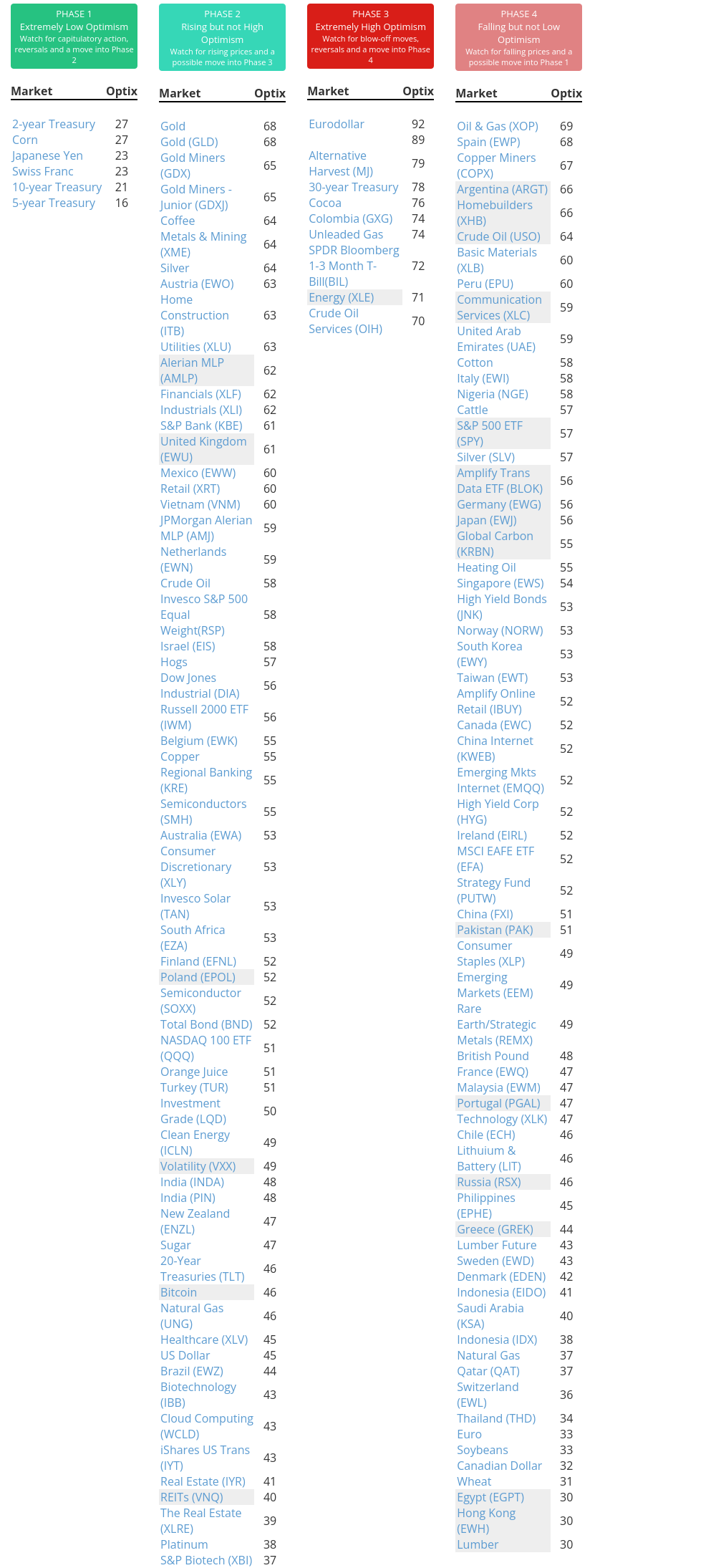
Phase Table

Click here to view the Phase Table on the site.

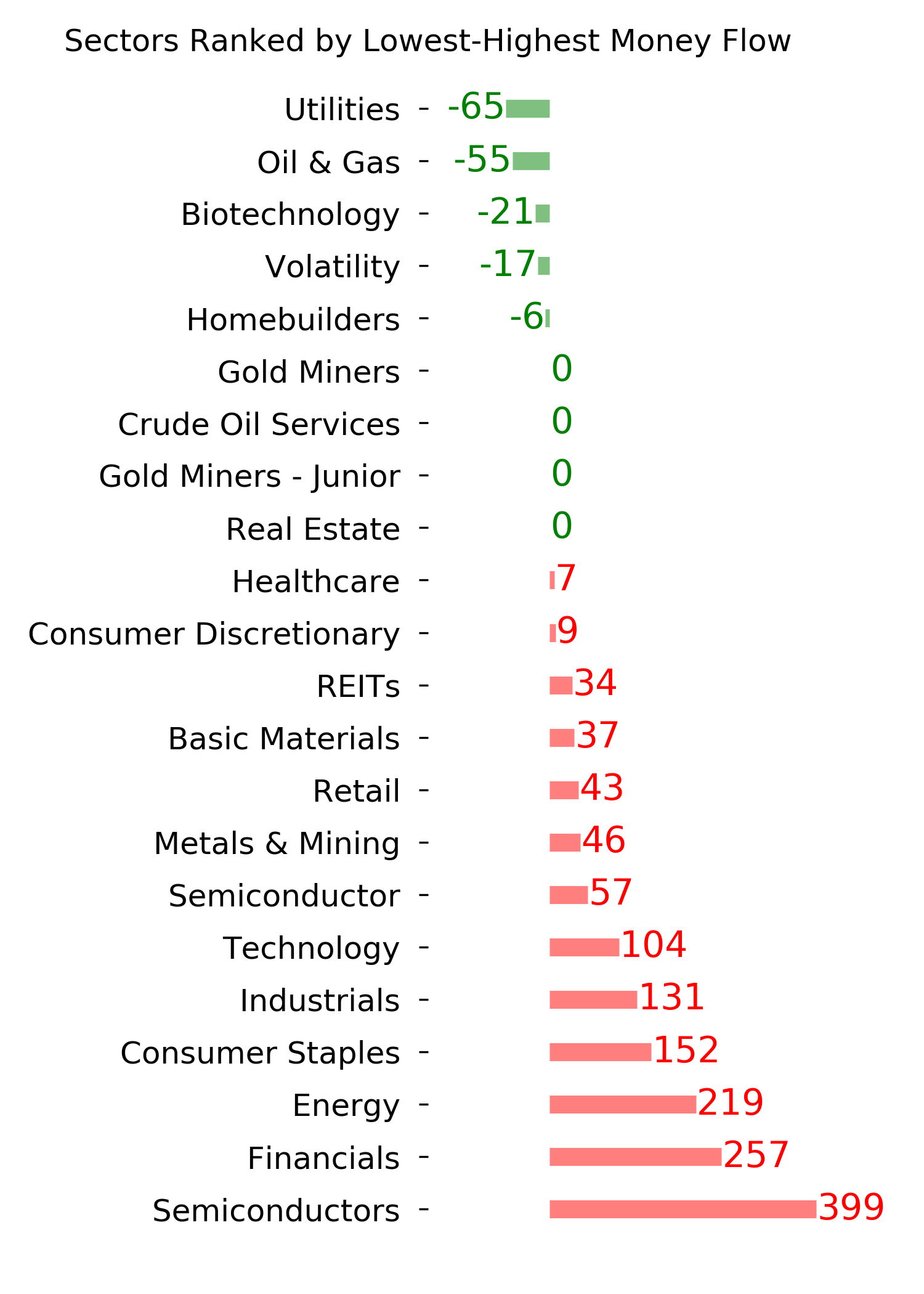
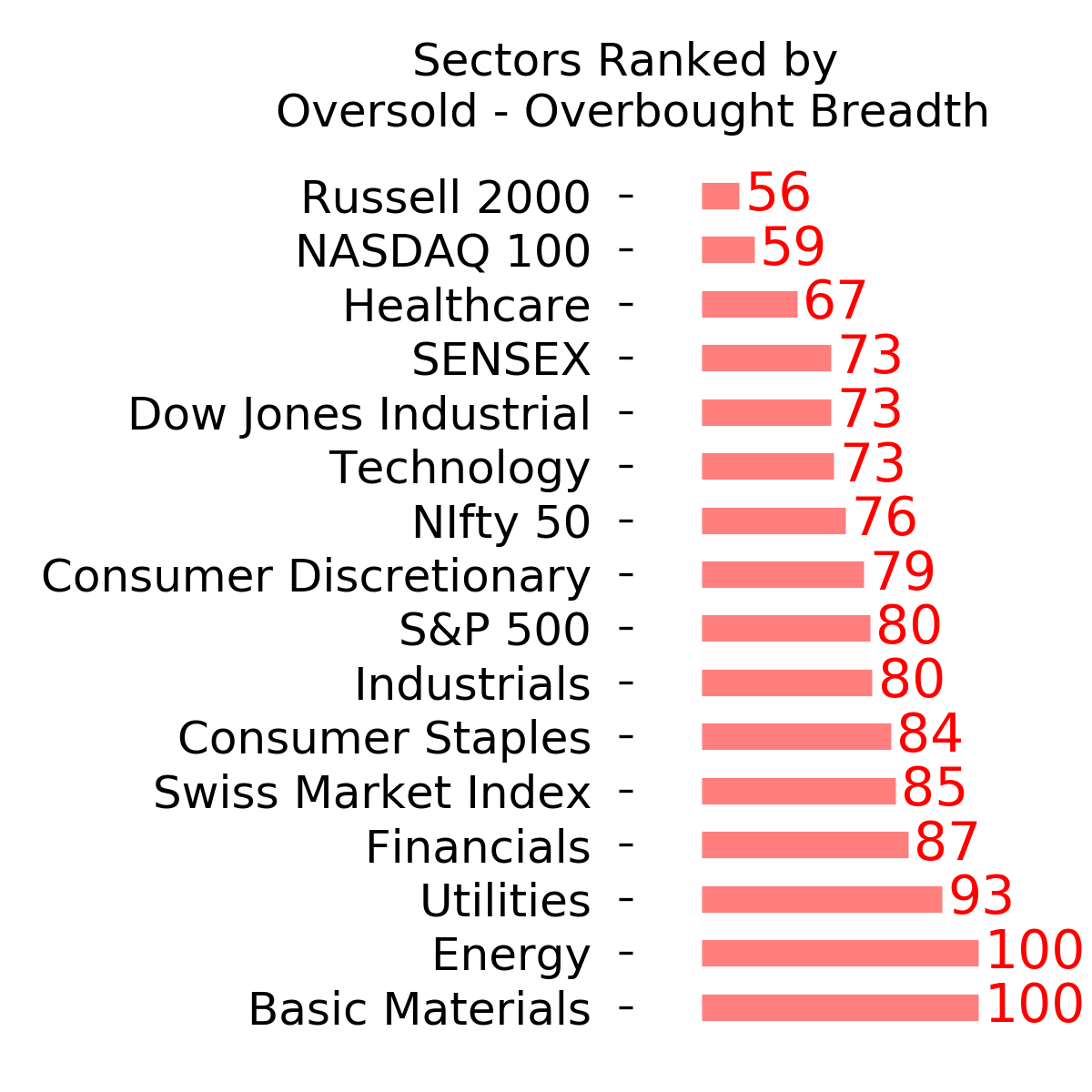
Ranks

Click here to view on the site (Ranks tab on the Dashboard).

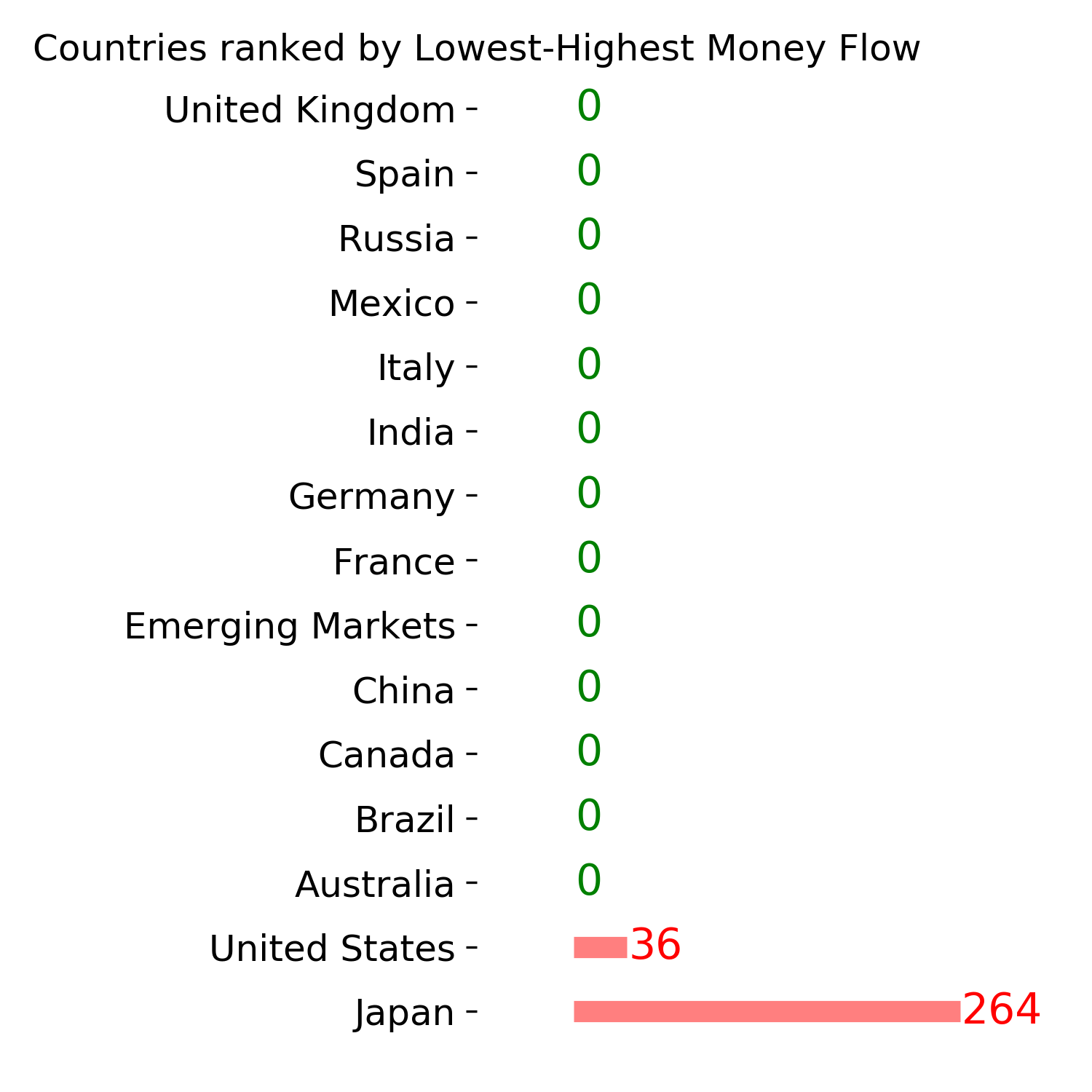
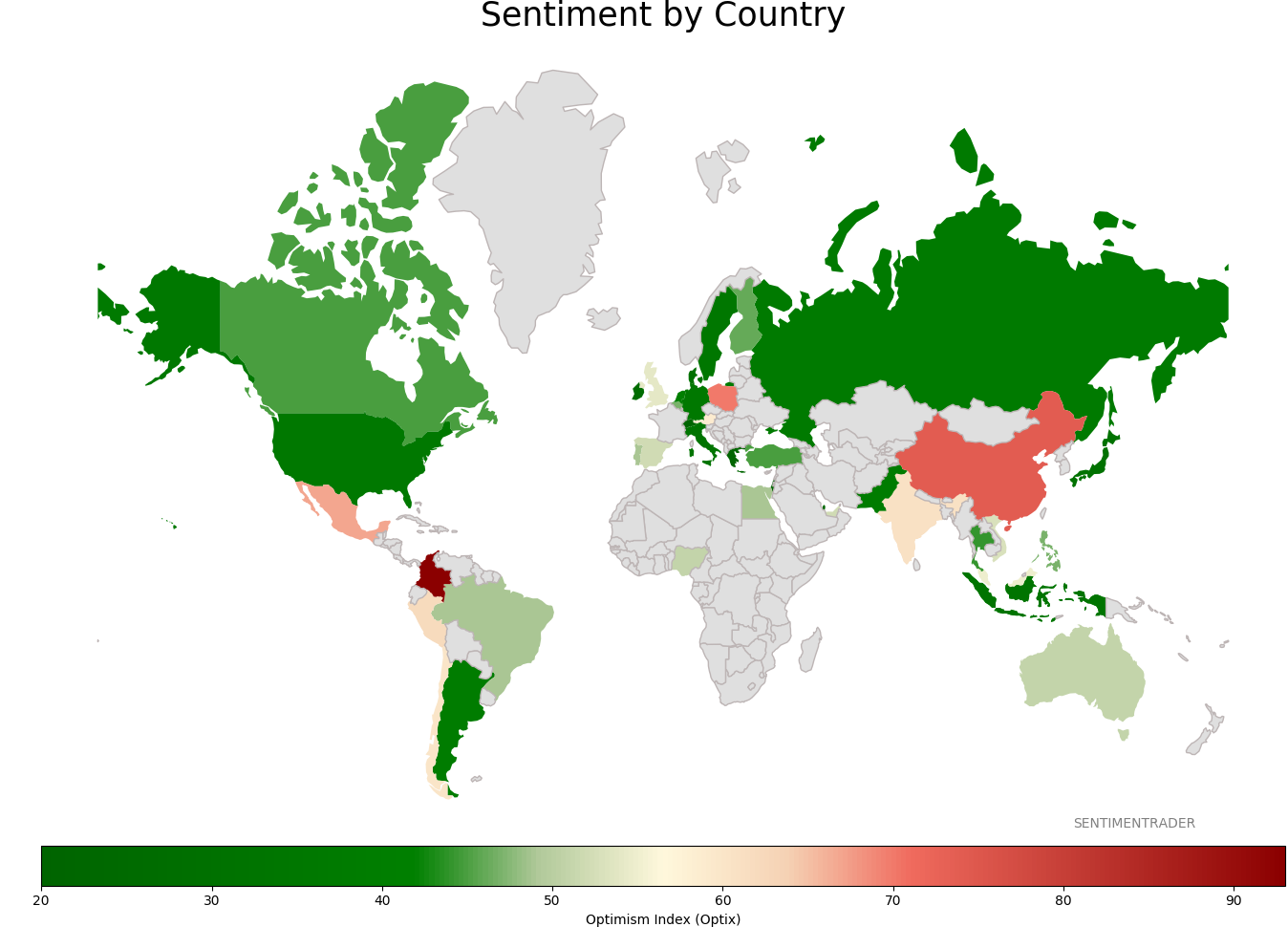
Sentiment Around The World

Click here to view on the site.

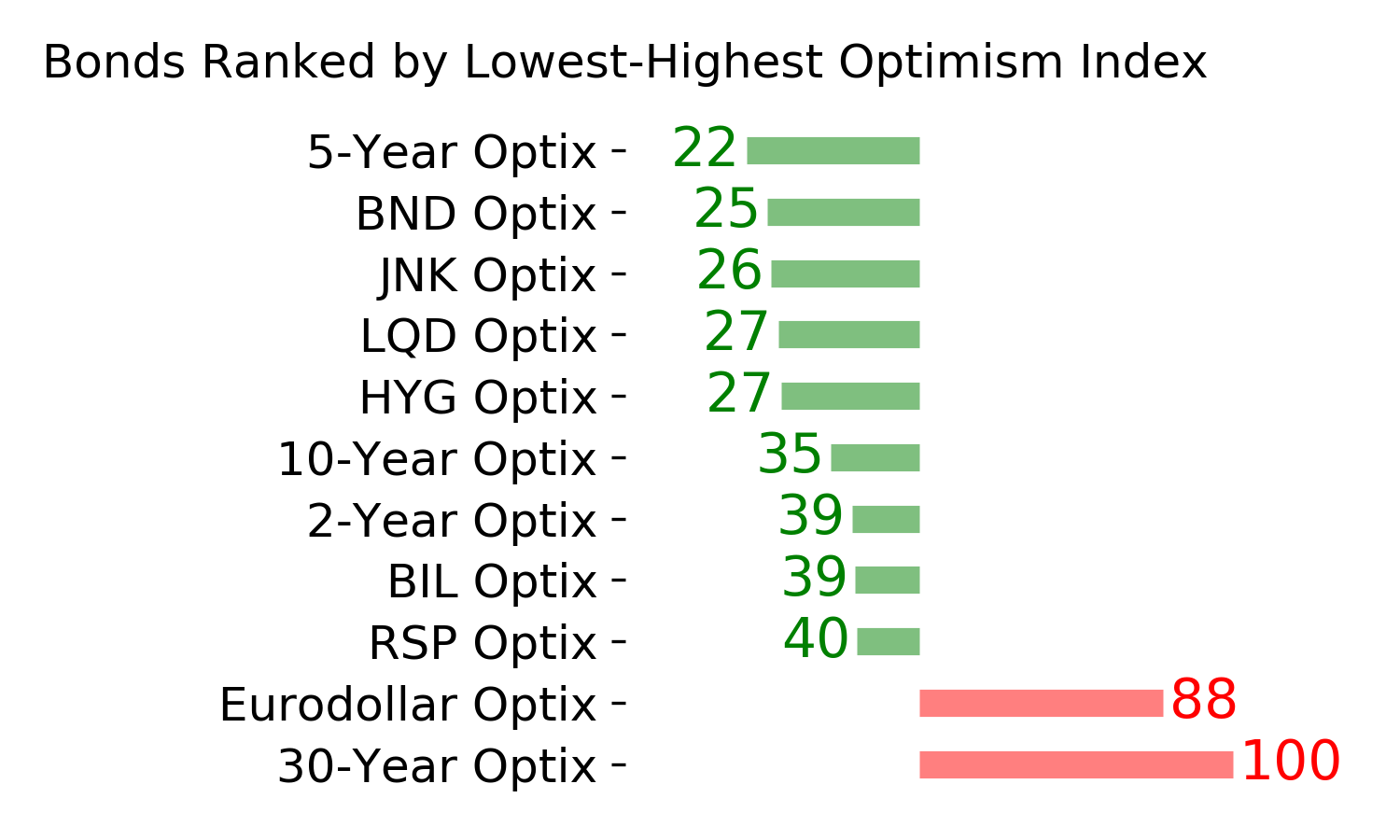
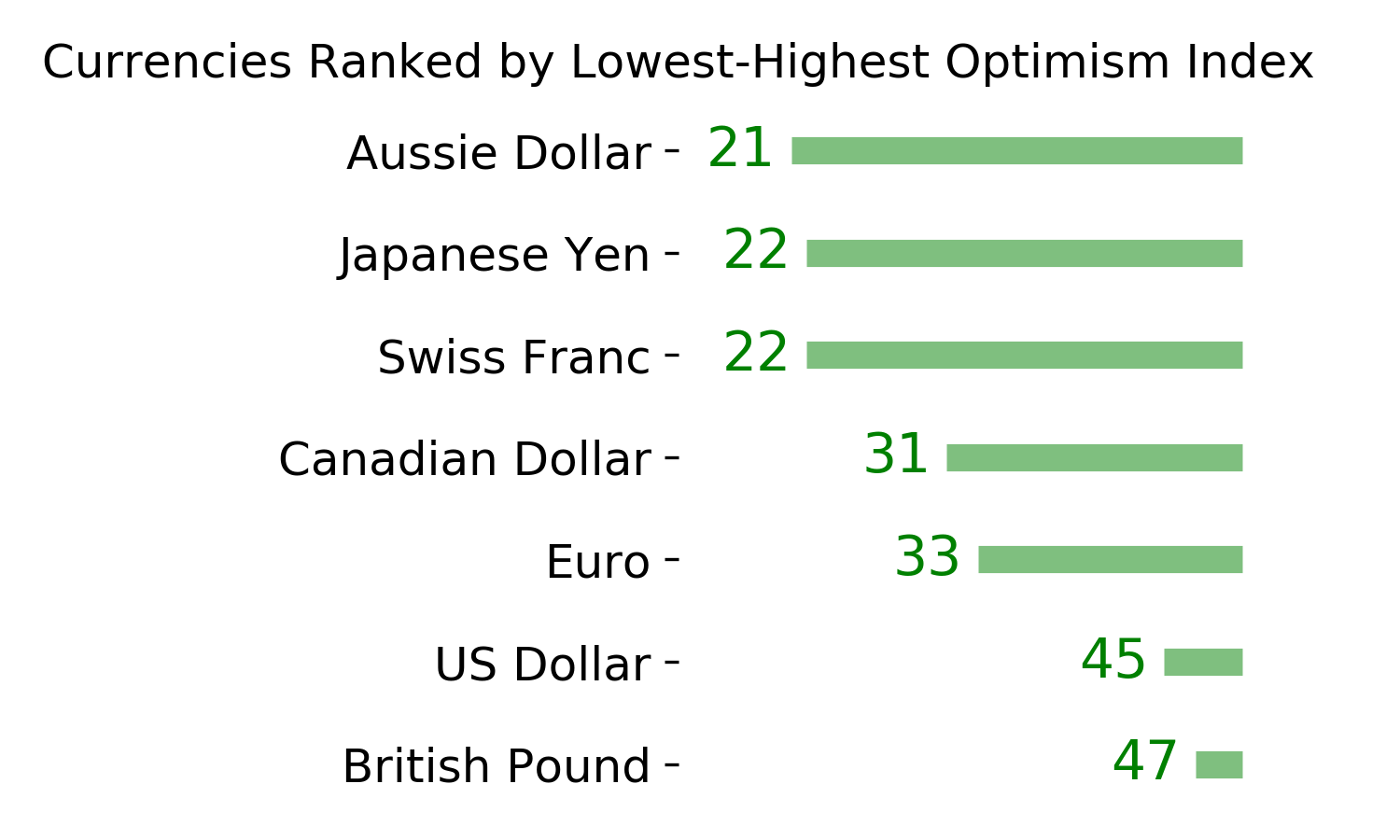
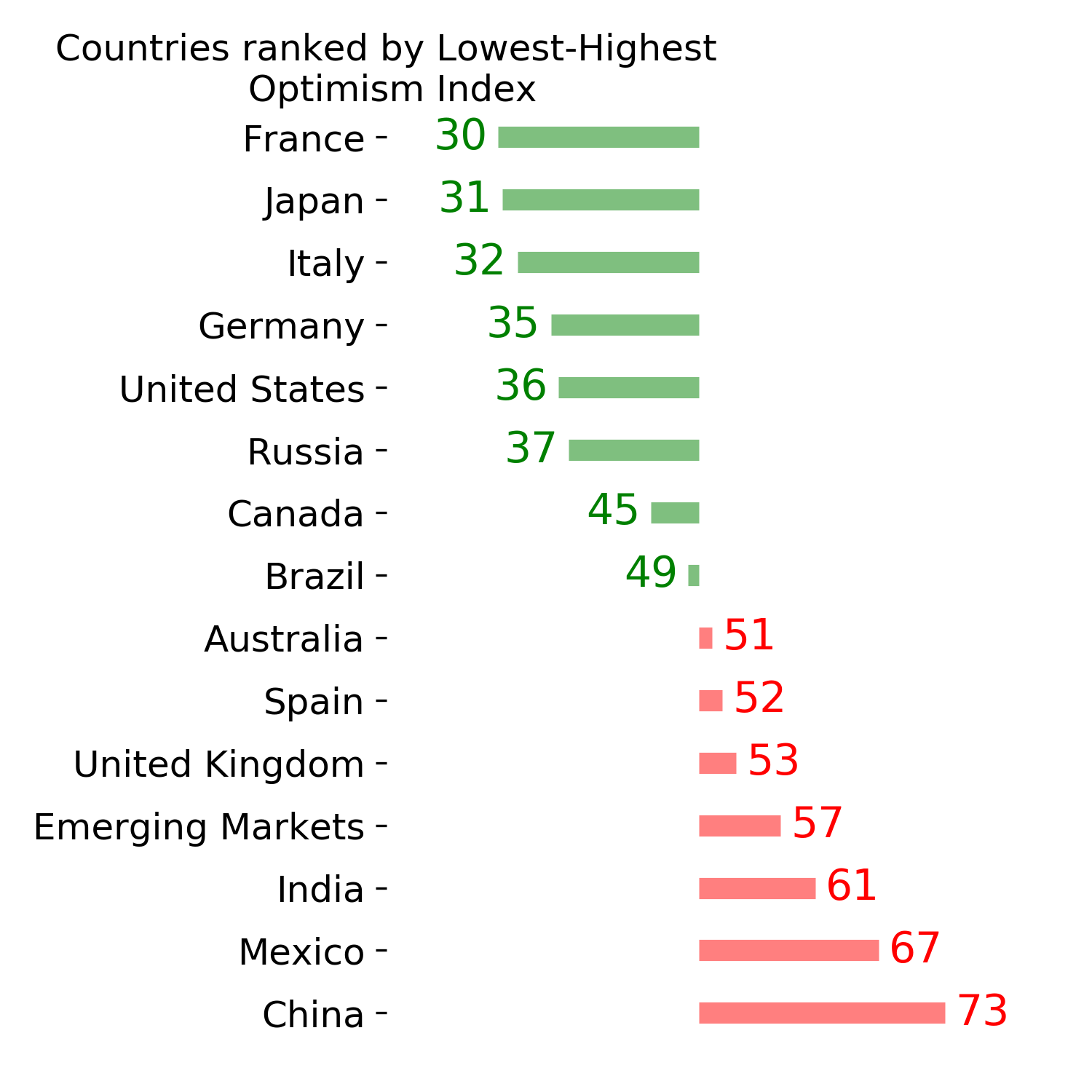
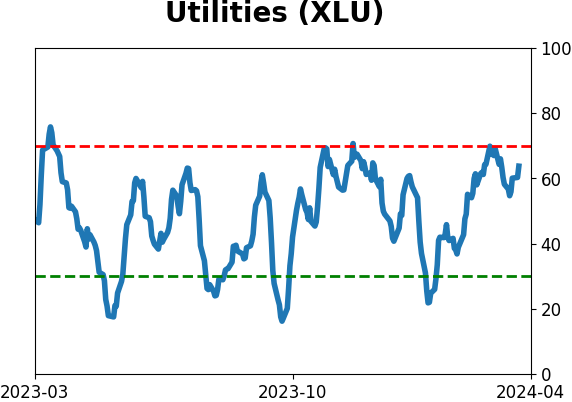
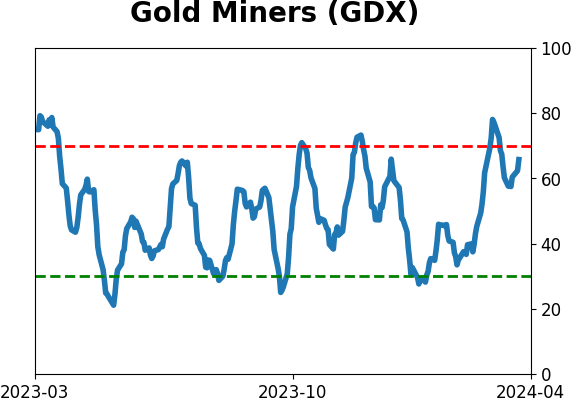
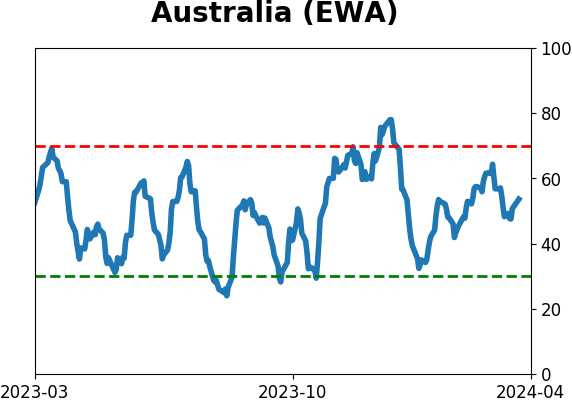
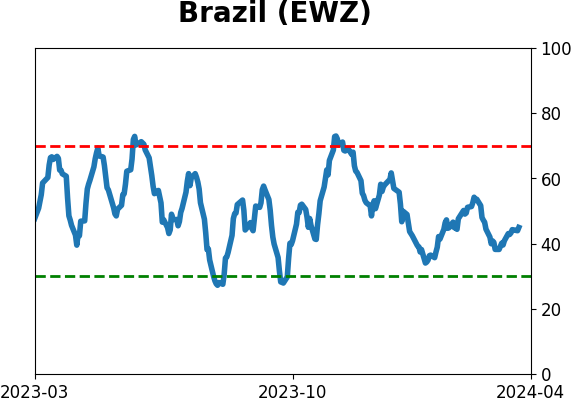
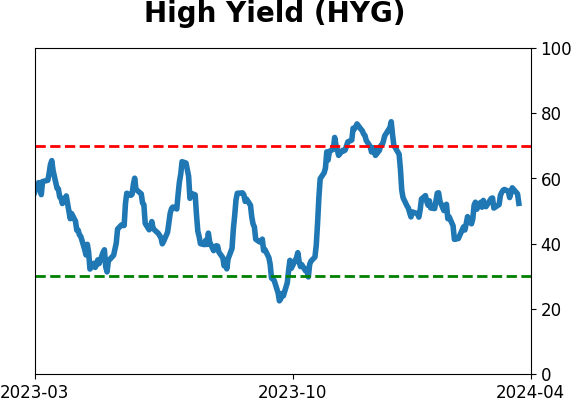
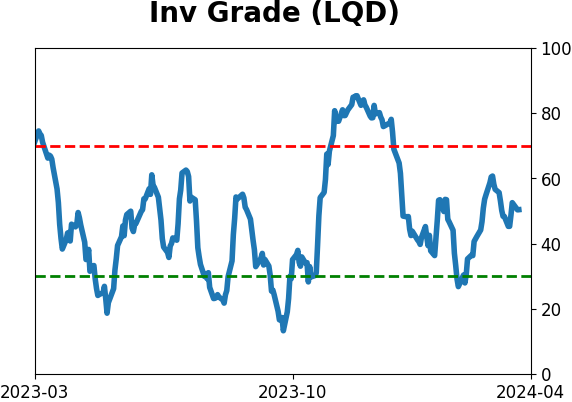
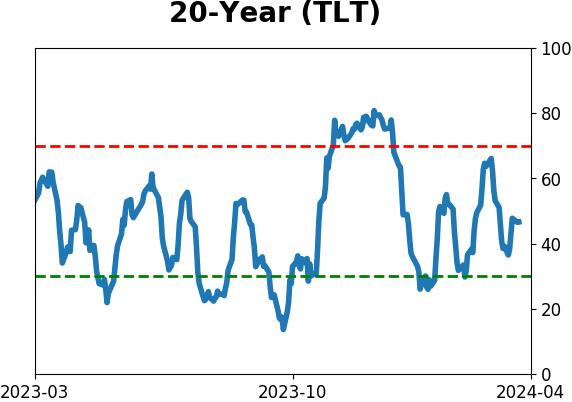
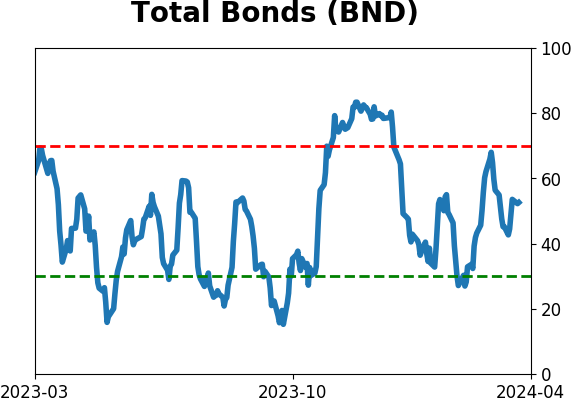
Optimism Index Thumbnails

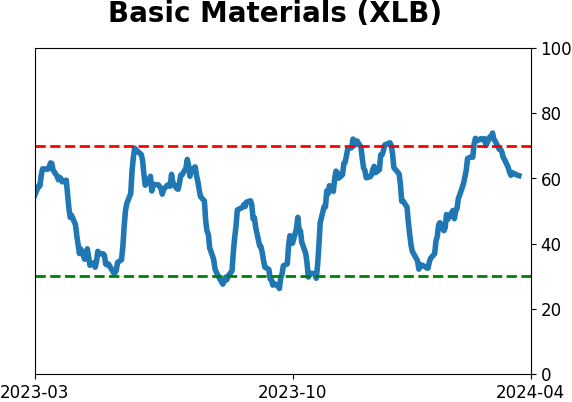
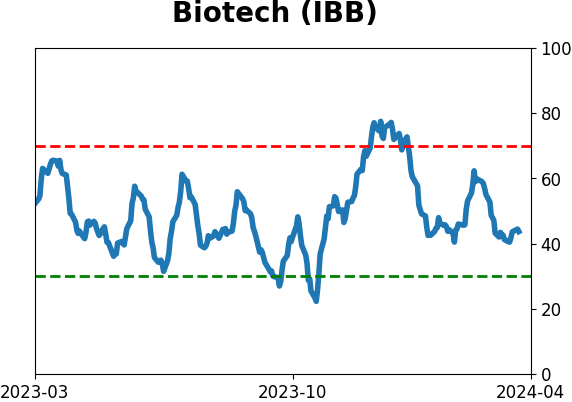
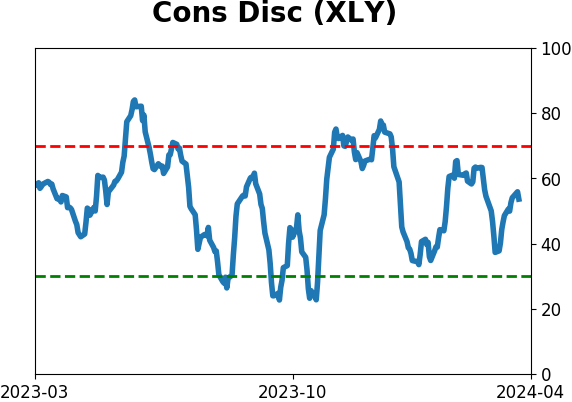
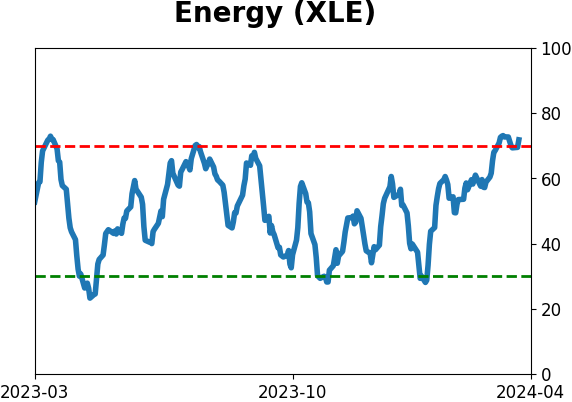
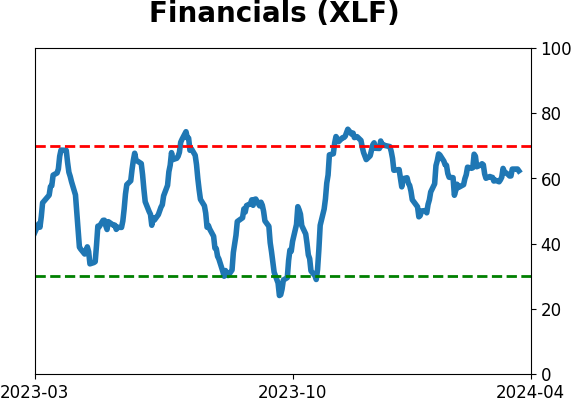
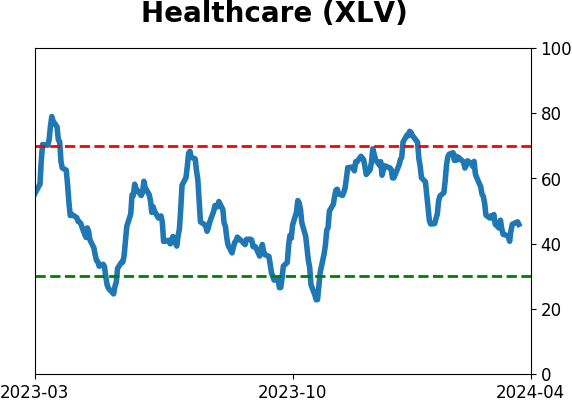
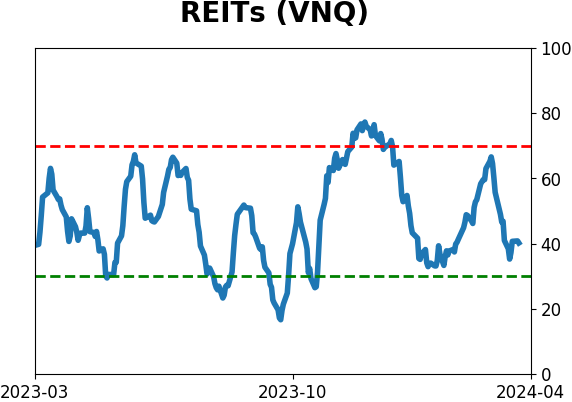
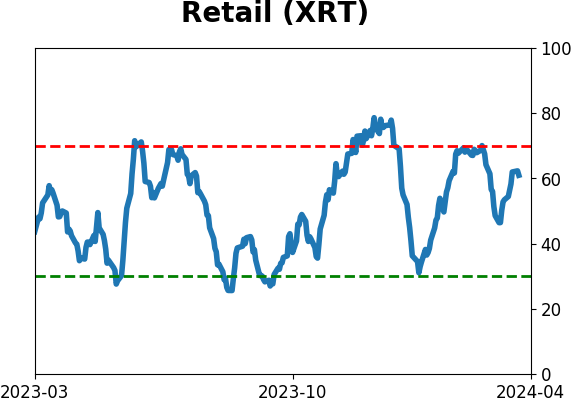
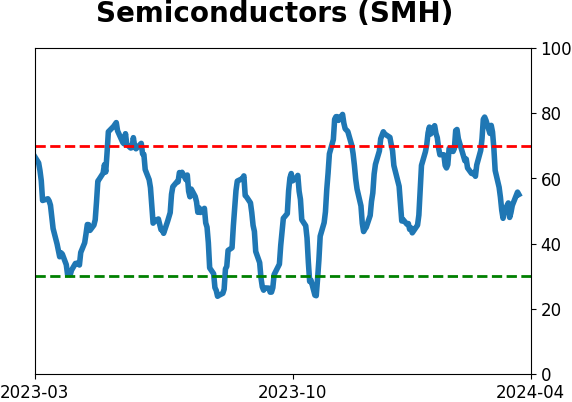
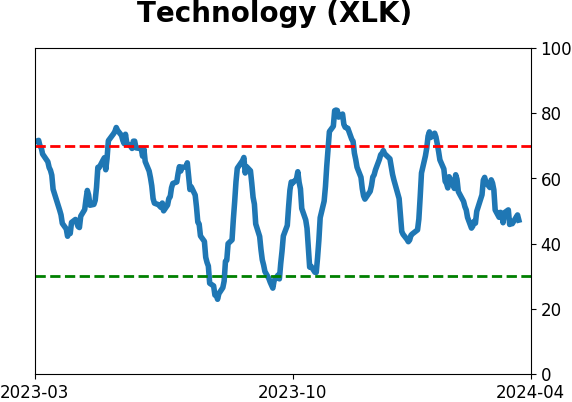
Sector ETF's - 10-Day Moving Average
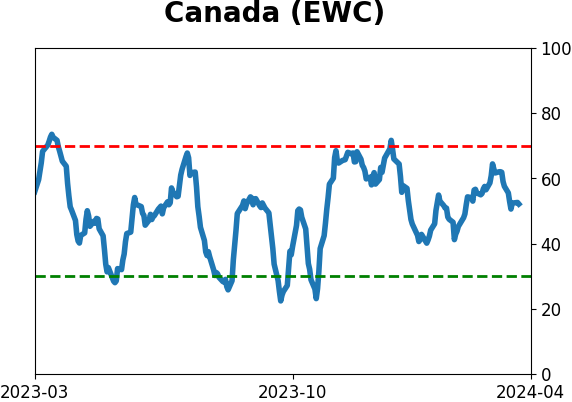
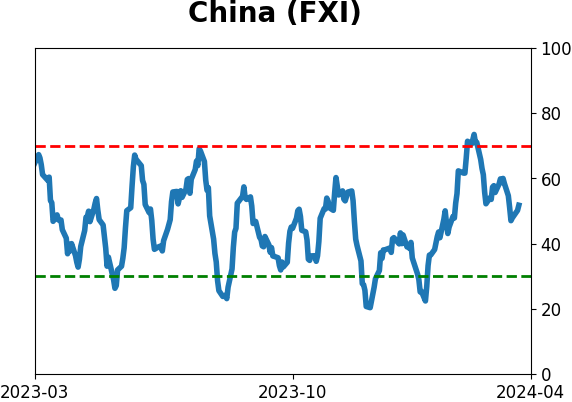
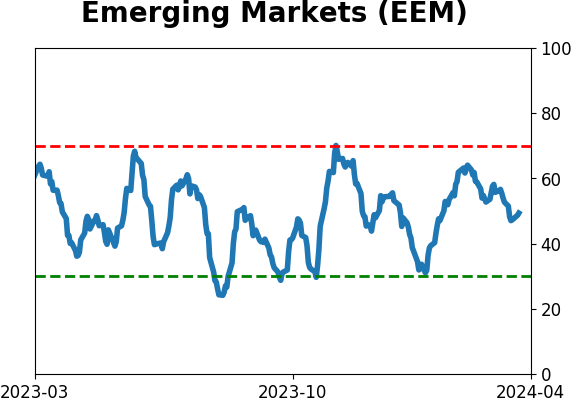
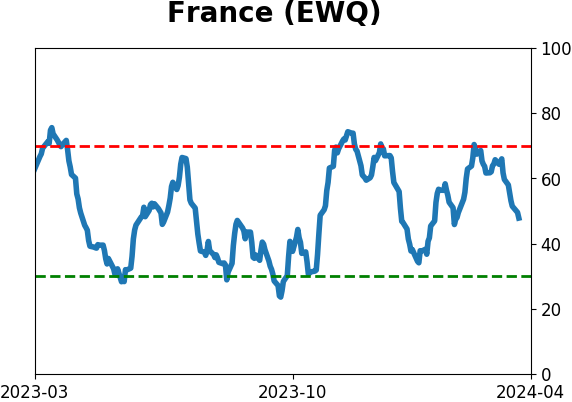
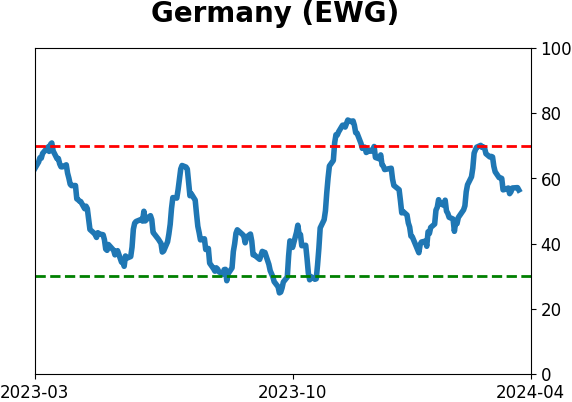
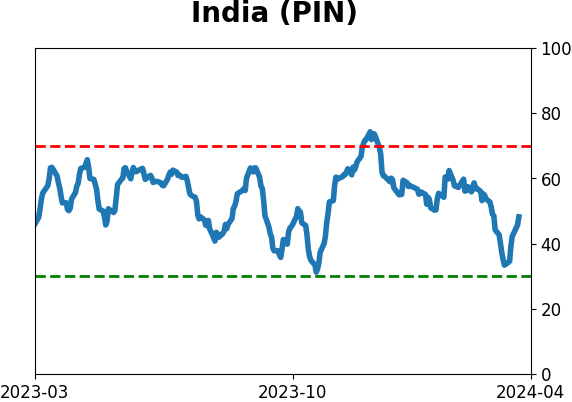
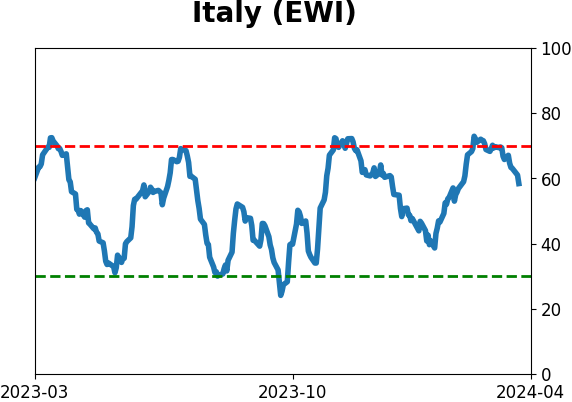
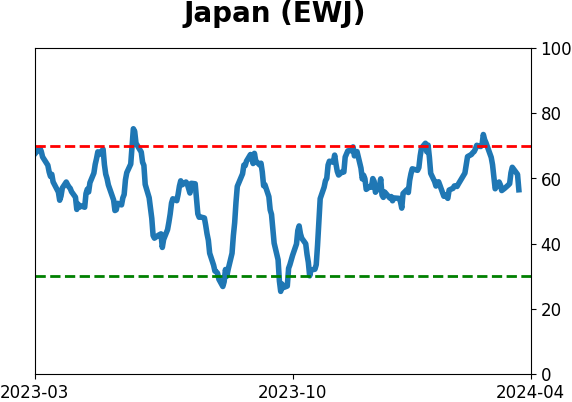
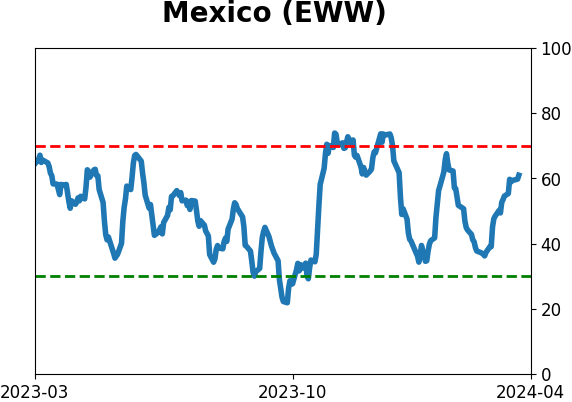
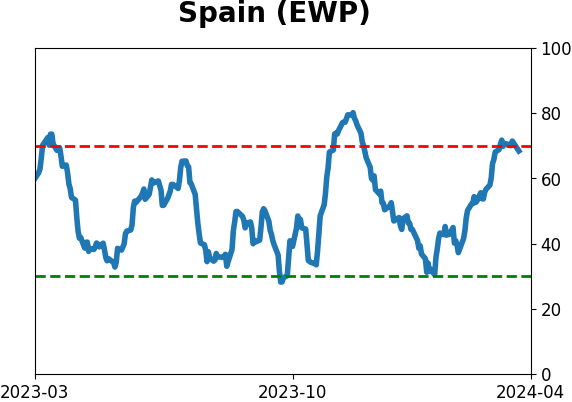
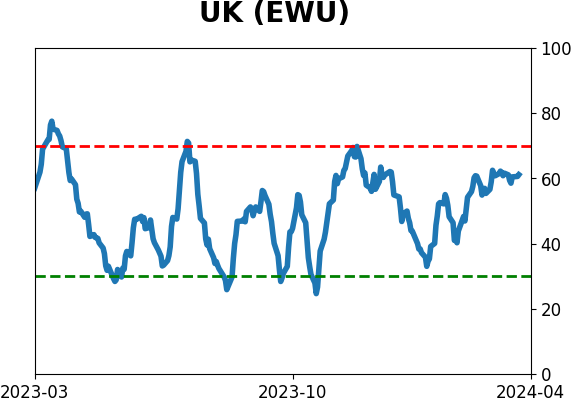
Country ETF's - 10-Day Moving Average
Bond ETF's - 10-Day Moving Average
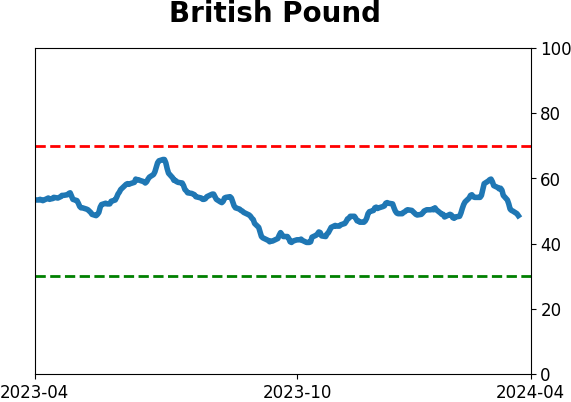
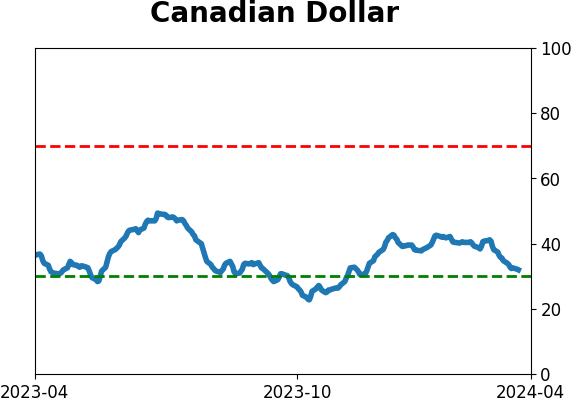
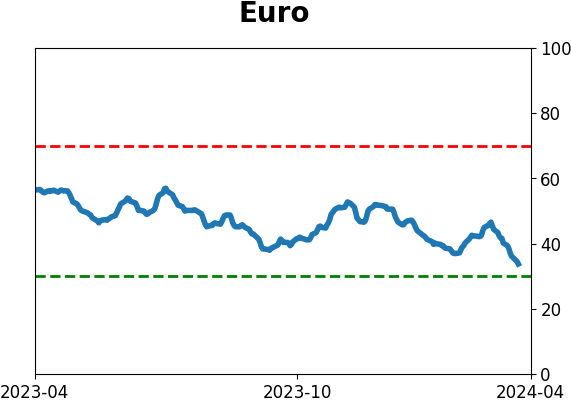
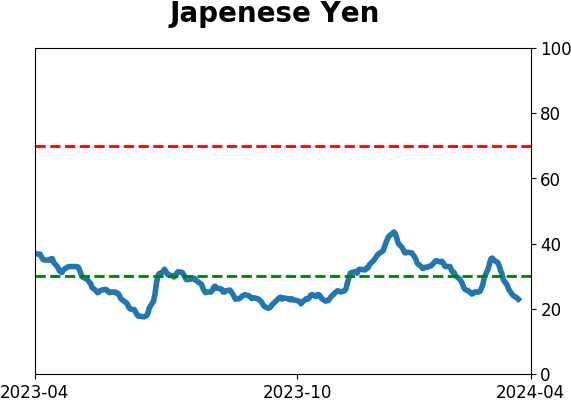
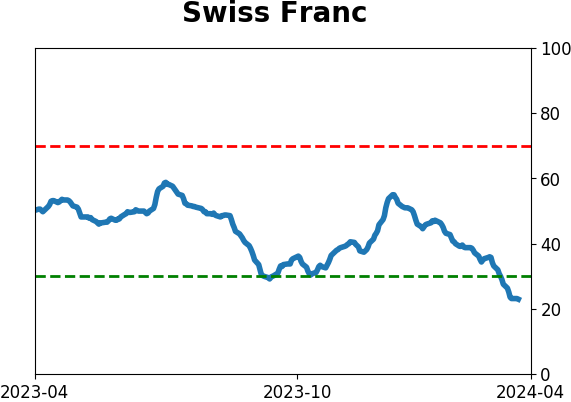
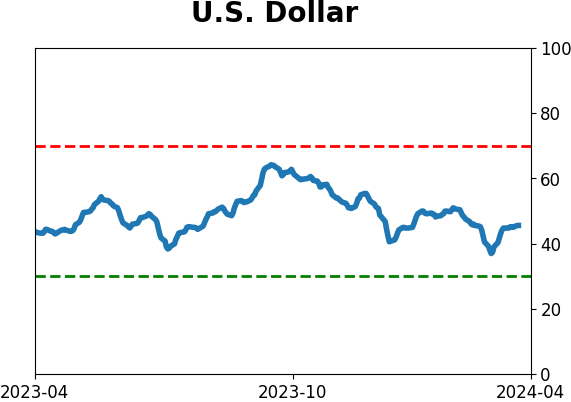
Currency ETF's - 5-Day Moving Average
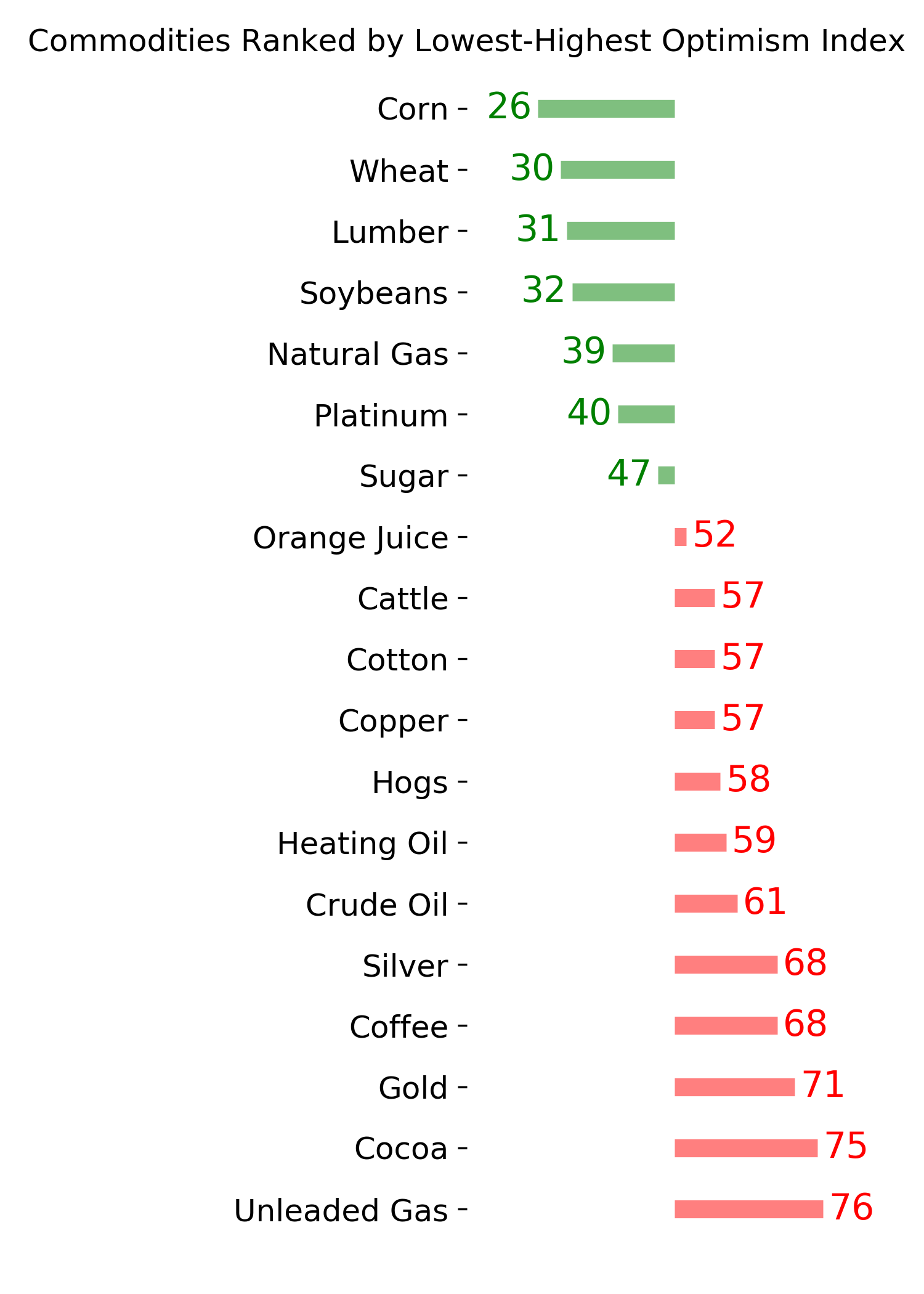
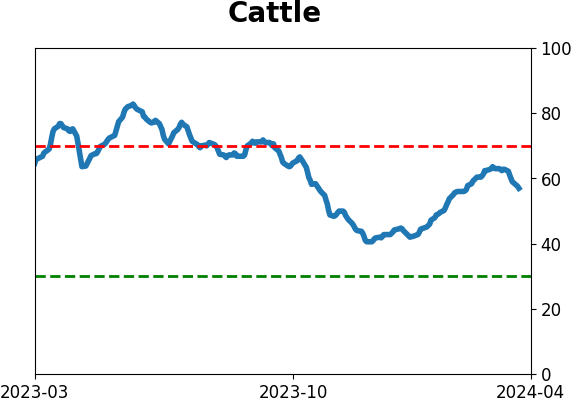
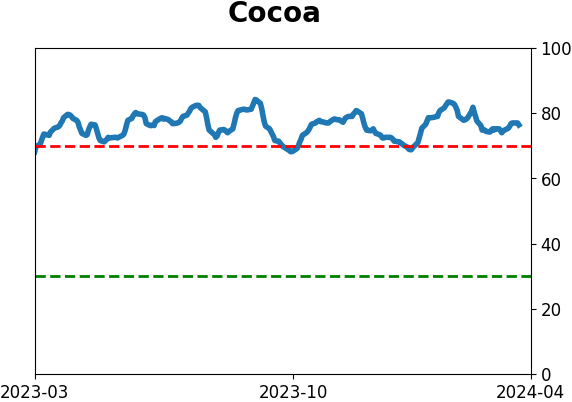
Commodity ETF's - 5-Day Moving Average
PRODUCTS
SentimenTrader
Trading Tools
Indicators & Data API
‍
Strategies & Scanner
‍
Research Reports
FREE
RESOUrCES
Simple Backtest
Calculator
Simple Seasonality
Calculator
The Kelly Criterion
Calculator
Sentiment Geo Map
‍
Public Research Reports
‍
Education
Sentiment Indicators
‍
Technical Indicators
‍
Pricing
Bundle pricing
‍
FAQ
‍
Announcements
‍
COMPANY
‍
About
‍
In the News
‍
Testimonials
‍
Client Success Stories
CONTACT
‍
General Inquiries
‍
Media Inquiries
‍
Financial Professionals Inquiries
‍
© 2026 Sundial Capital Research Inc. All rights reserved.
Setsail Marketing
TermsPrivacyAffiliate Program
Risk Disclosure: The information and tools provided are for research and analytical purposes only and are not intended as investment advice. Market analysis involves uncertainty, and outcomes may differ from expectations. Users should conduct their own due diligence and consider their individual circumstances before making any financial decisions. Past performance is not necessarily indicative of future results.

Hypothetical Performance Disclosure: Hypothetical performance results have many inherent limitations, some of which are described below. No representation is being made that any account will or is likely to achieve profits or losses similar to those shown; in fact, there are frequently sharp differences between hypothetical performance results and the actual results subsequently achieved by any particular trading program. One of the limitations of hypothetical performance results is that they are generally prepared with the benefit of hindsight. In addition, hypothetical trading does not involve financial risk, and no hypothetical trading record can completely account for the impact of financial risk of actual trading. for example, the ability to withstand losses or to adhere to a particular trading program in spite of trading losses are material points which can also adversely affect actual trading results. There are numerous other factors related to the markets in general or to the implementation of any specific trading program which cannot be fully accounted for in the preparation of hypothetical performance results and all which can adversely affect trading results.

Testimonial Disclosure: Testimonials appearing on this website may not be representative of other clients or customers and is not a guarantee of future performance or success.