Headlines
|
|
Insiders versus everyone else in Financials and Staples:
The Financial sector has suffered heavy and widespread selling pressure in recent weeks, with few members holding above their 50-day moving averages. But corporate insiders in the sectors apparently see value, as they've been buying. Divergences like this have tended to lead to good returns. In the Staples sector, insiders have been much less interested.
|
Smart / Dumb Money Confidence
|
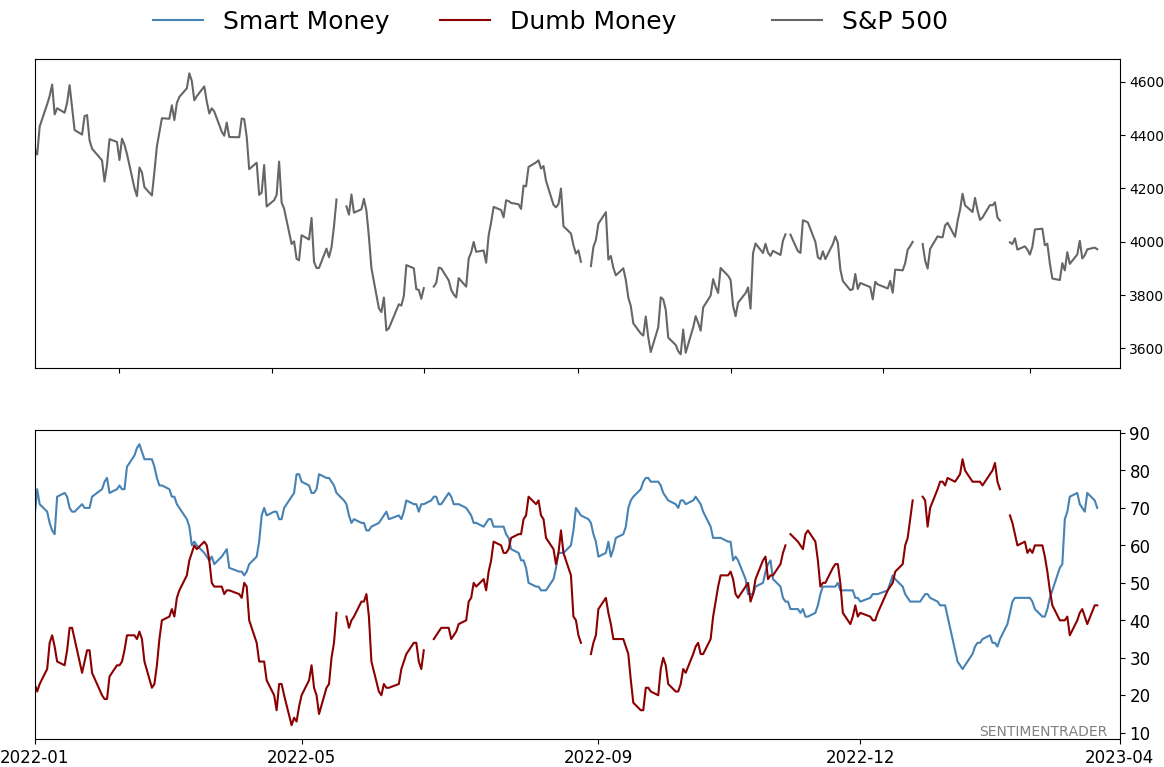
Smart Money Confidence: 70%
Dumb Money Confidence: 44%
|
|
Risk Levels
Stocks Short-Term
|
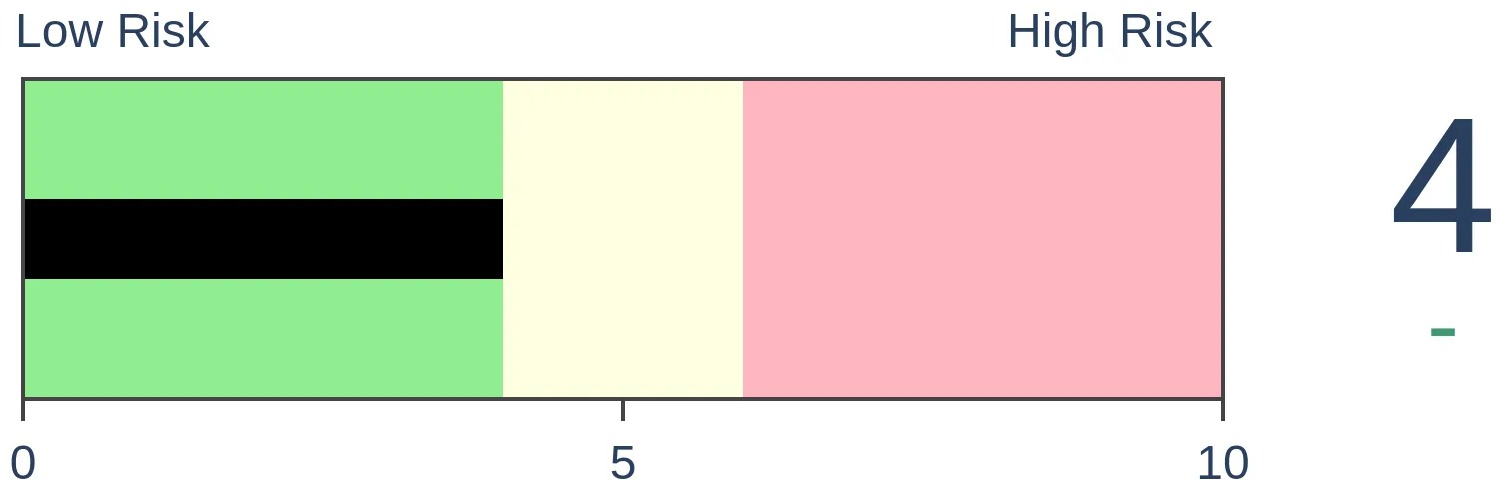
Stocks Medium-Term
|
|
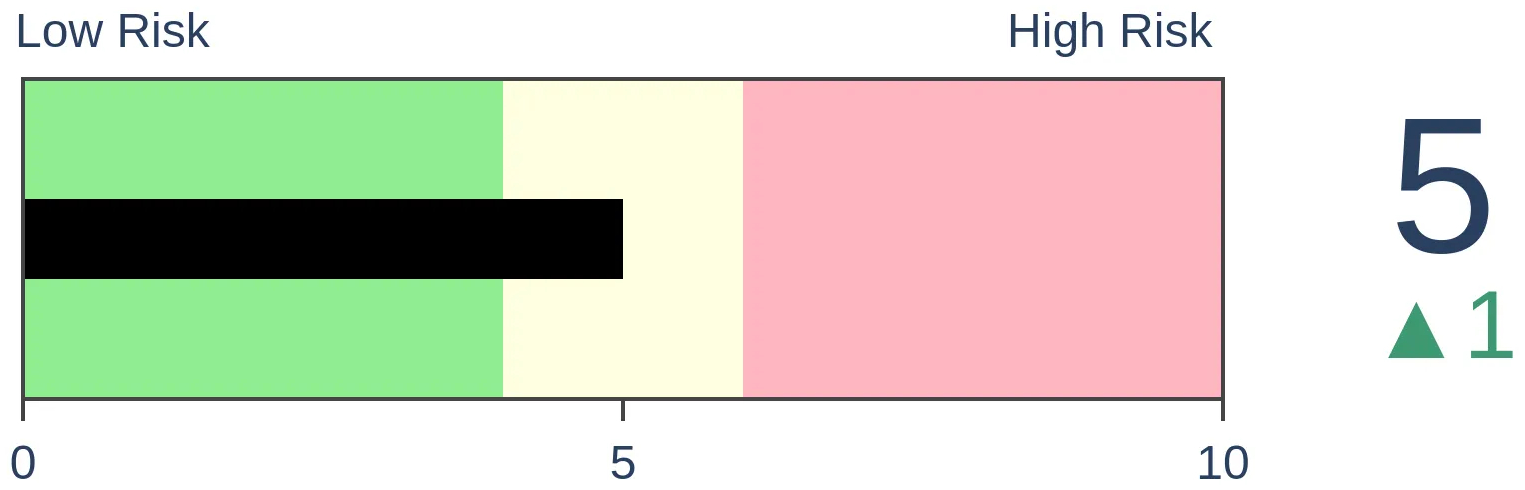
Bonds
|
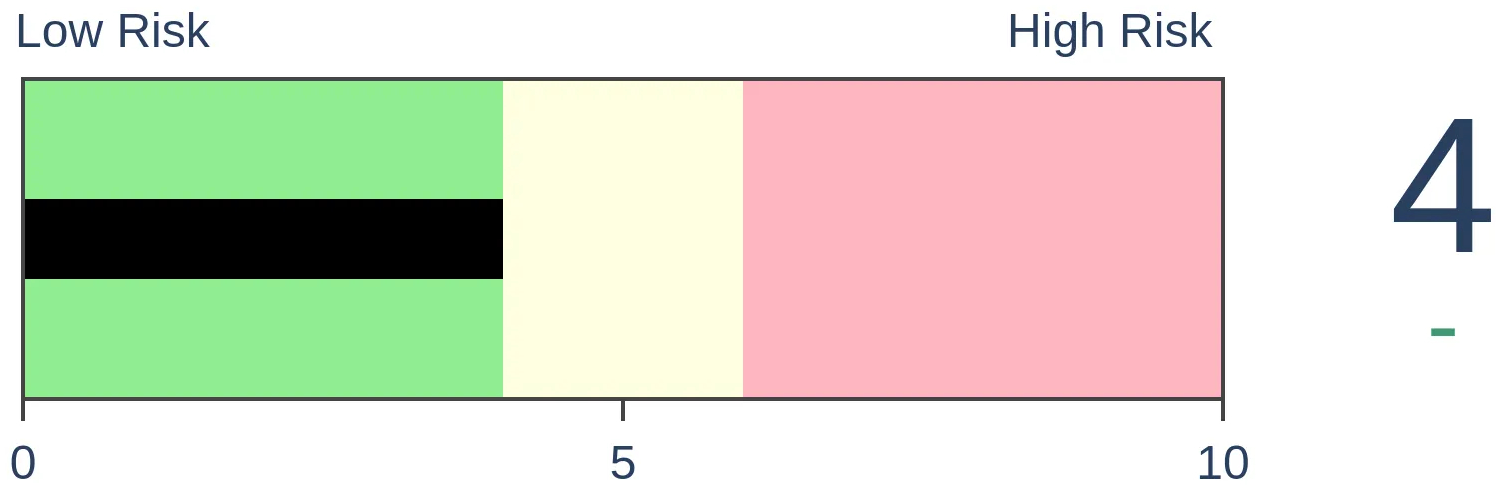
Crude Oil
|
|
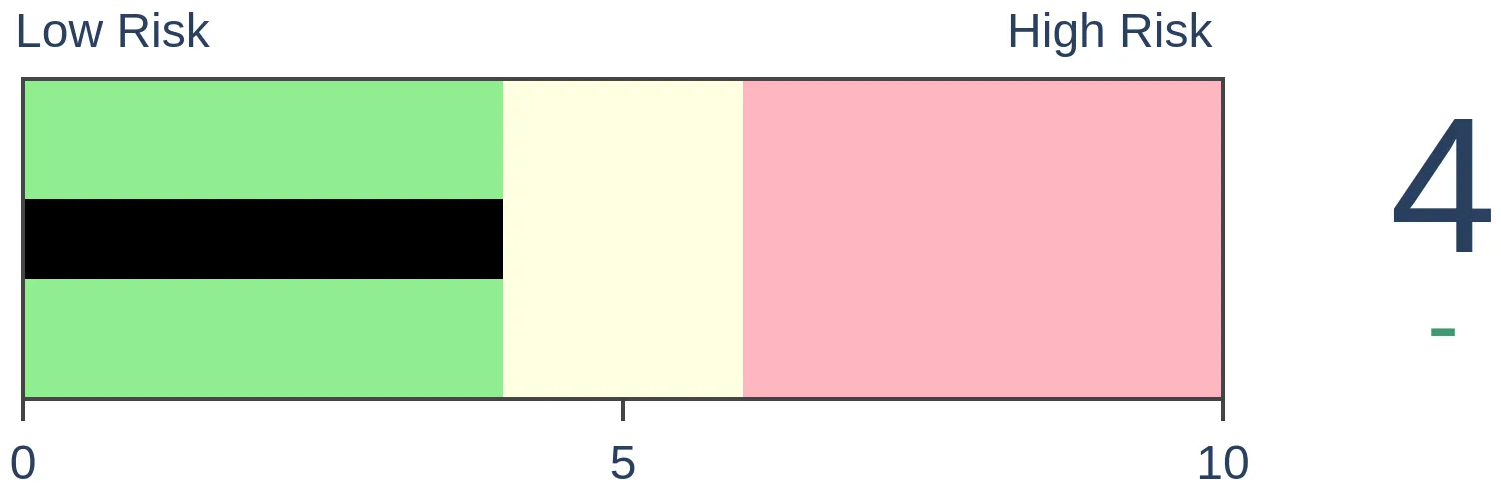
Gold
|
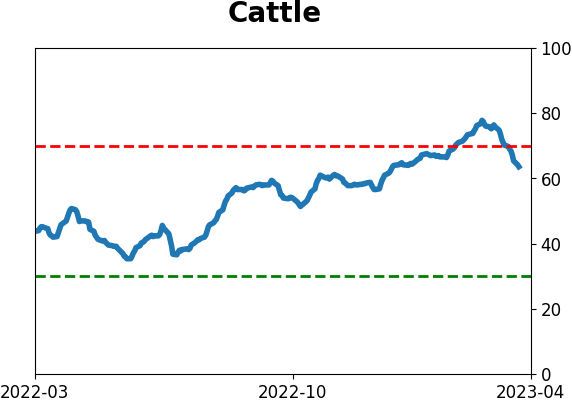
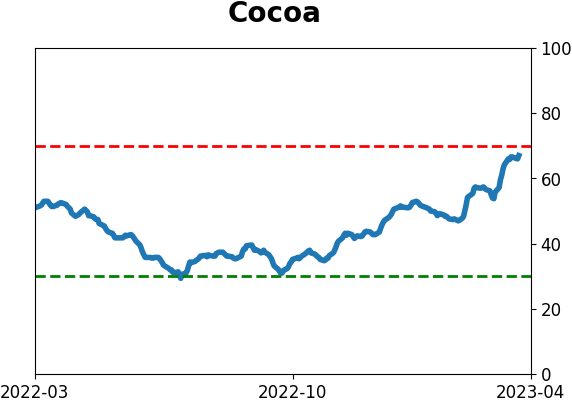
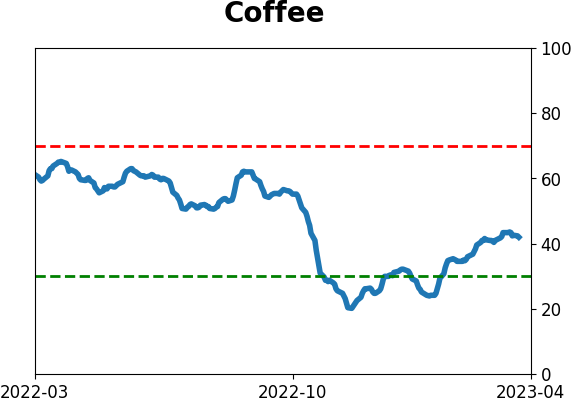
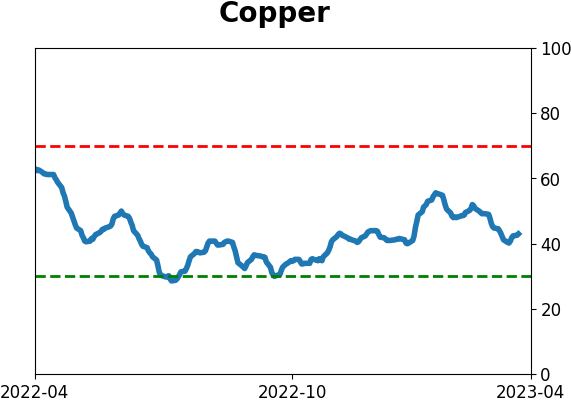
Agriculture
|
|
Research
By Jason Goepfert
BOTTOM LINE
The Financial sector has suffered heavy and widespread selling pressure in recent weeks, with few members holding above their 50-day moving averages. But corporate insiders in the sectors apparently see value, as they've been buying. Divergences like this have tended to lead to good returns. In the Staples sector, insiders have been much less interested.
FORECAST / TIMEFRAME
None
|
Key points:
- As the Financial sector suffers wholesale medium-term selling pressure, insiders have been buying
- Spreads this wide between insiders and everyone else have preceded impressive returns in the sector
- When compared to insider activity in Staples, similar behavior tended to favor returns in Financials over Staples
Among Financial stocks, insiders are buying up others' sales
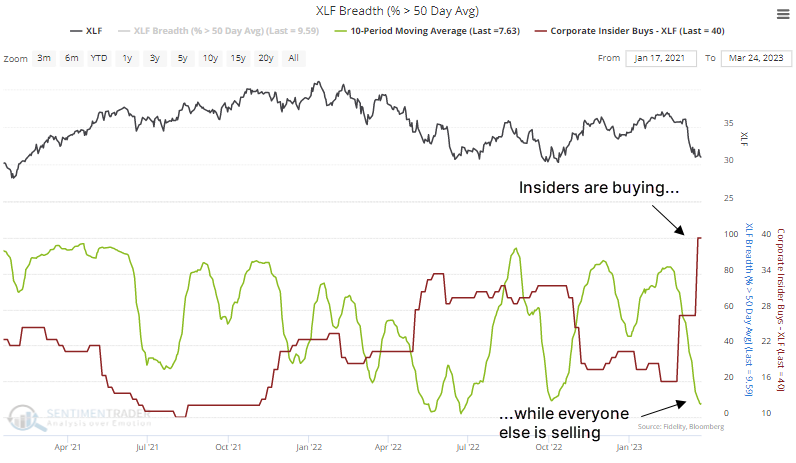
Last week, Jay noted that the latest decline in the Financial sector acted like catnip for insiders at those firms. Insiders tend to have a contrarian bent, buying as prices decline and selling as they rally, so the ramp in insider buying isn't a total surprise.
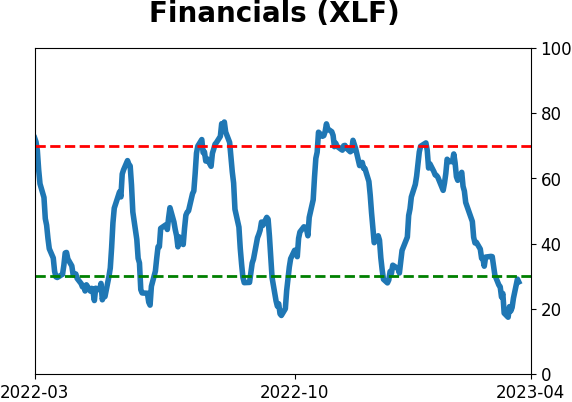
At the same time that insiders were buying, everyone else was selling. Breadth in the Financial sector has been terrible, with an average of fewer than 8% of the stocks holding above their 50-day moving averages over the past two weeks.
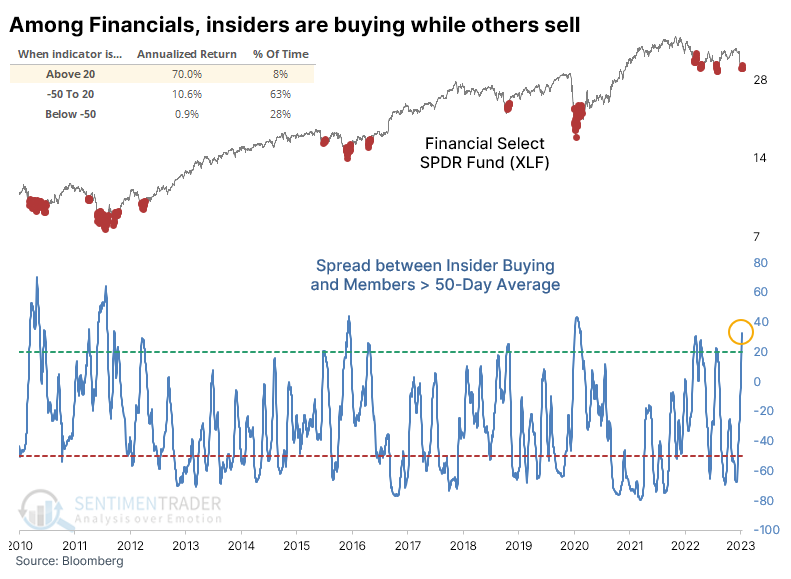
Let's look at the spread between insider buying and the average percentage of Financials trading above their 50-day average over the past couple of weeks. It is currently at the highest level since the spring of 2020. When the spread was this wide, the XLF fund returned an annualized +70%.
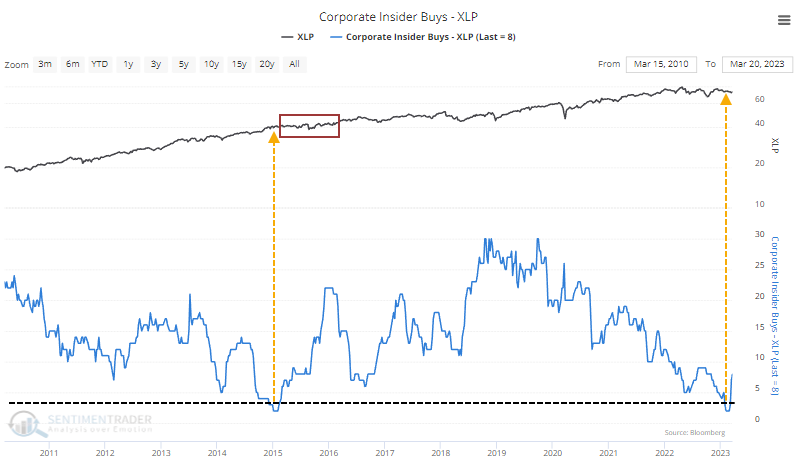
At the same time that insiders got a lot more interested in buying their own shares at Financial firms, insiders in Staples have shown little interest. At those companies, insider buying is only now coming off one of the most apathetic levels in 13 years.
Let's look at the relative interest in insiders vs. everyone else in Financials versus Staples. The chart below shows the spread between insider buying and the percentage of companies trading above their 50-day averages for Financials minus the same calculations for Staples.
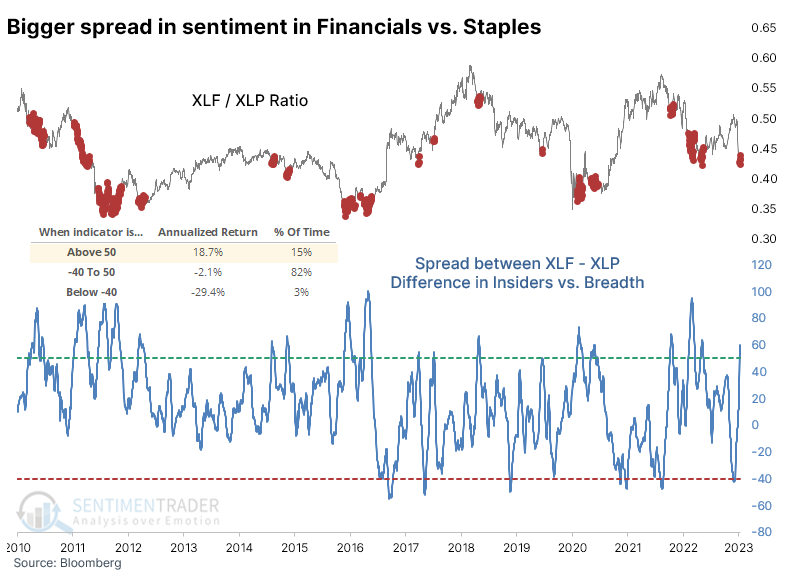
In theory, the higher the spread, the more it should favor Financials over Staples. In practice, that was mostly the case. The ratio advanced at an annualized rate of nearly +19% when the spread was above 50 as it is now. The ratio returned an annualized -29.4% when it was at the opposite extreme.
What the research tells us...
Uptrends have mostly dominated the past 13 years, so it's not unusual for studies to show a positive bias over medium time frames. Even so, when we see situations in a sector or index when insiders appear to be heavily buying amid wholesale selling pressure, it has tended to lead to well above-average returns. That's the case now in Financials. Even though insiders have been more aggressive with their buys, and selling pressure has been worse, the current level has preceded positive expectations.
At the opposite end of the spectrum, insiders have been much less interested in Staples companies, even as breadth has held relatively steady. That has led to a pretty wide divergence between the two sectors, to the degree that has typically favored Financials over Staples.
Indicators at Extremes
Phase Table
Ranks
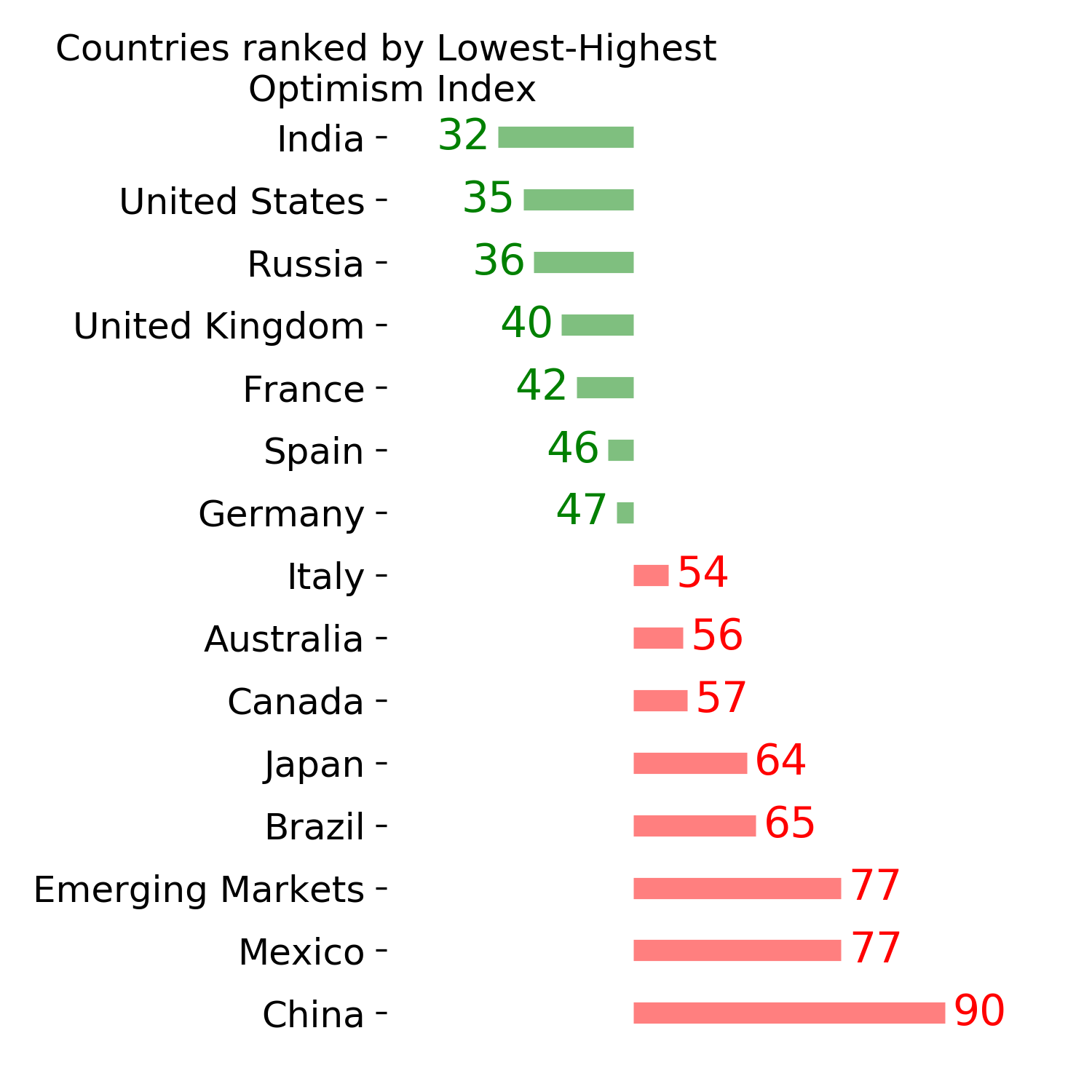
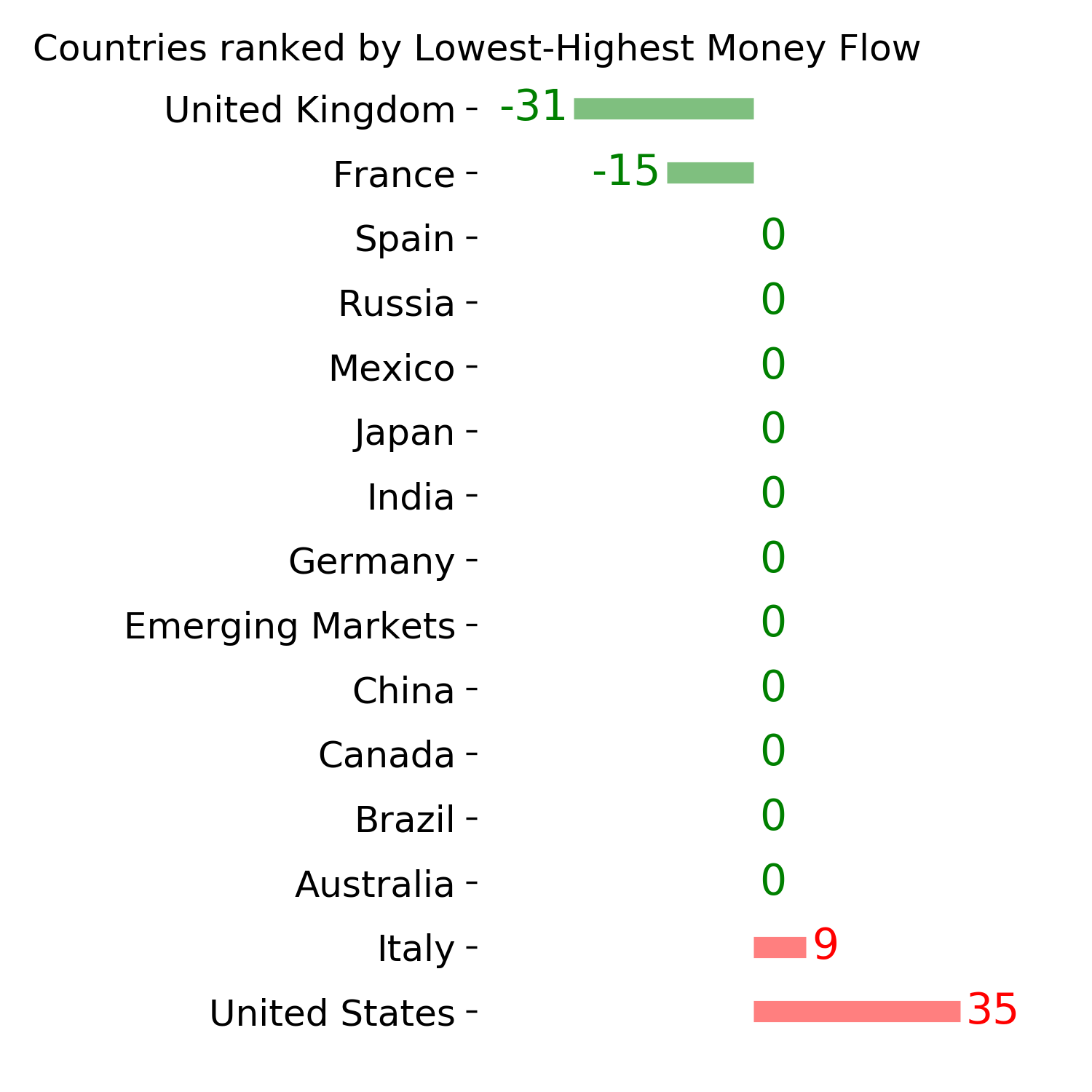
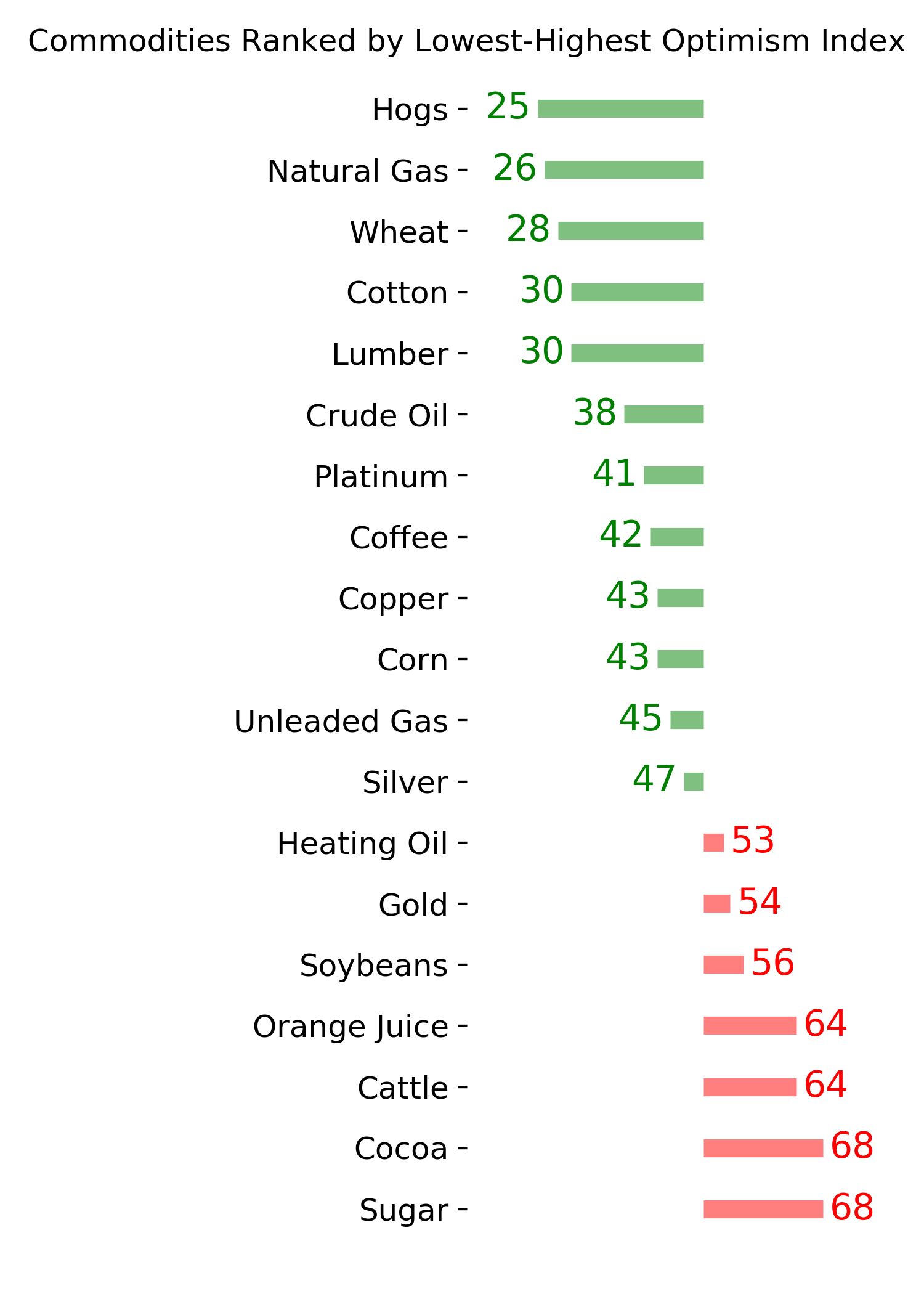
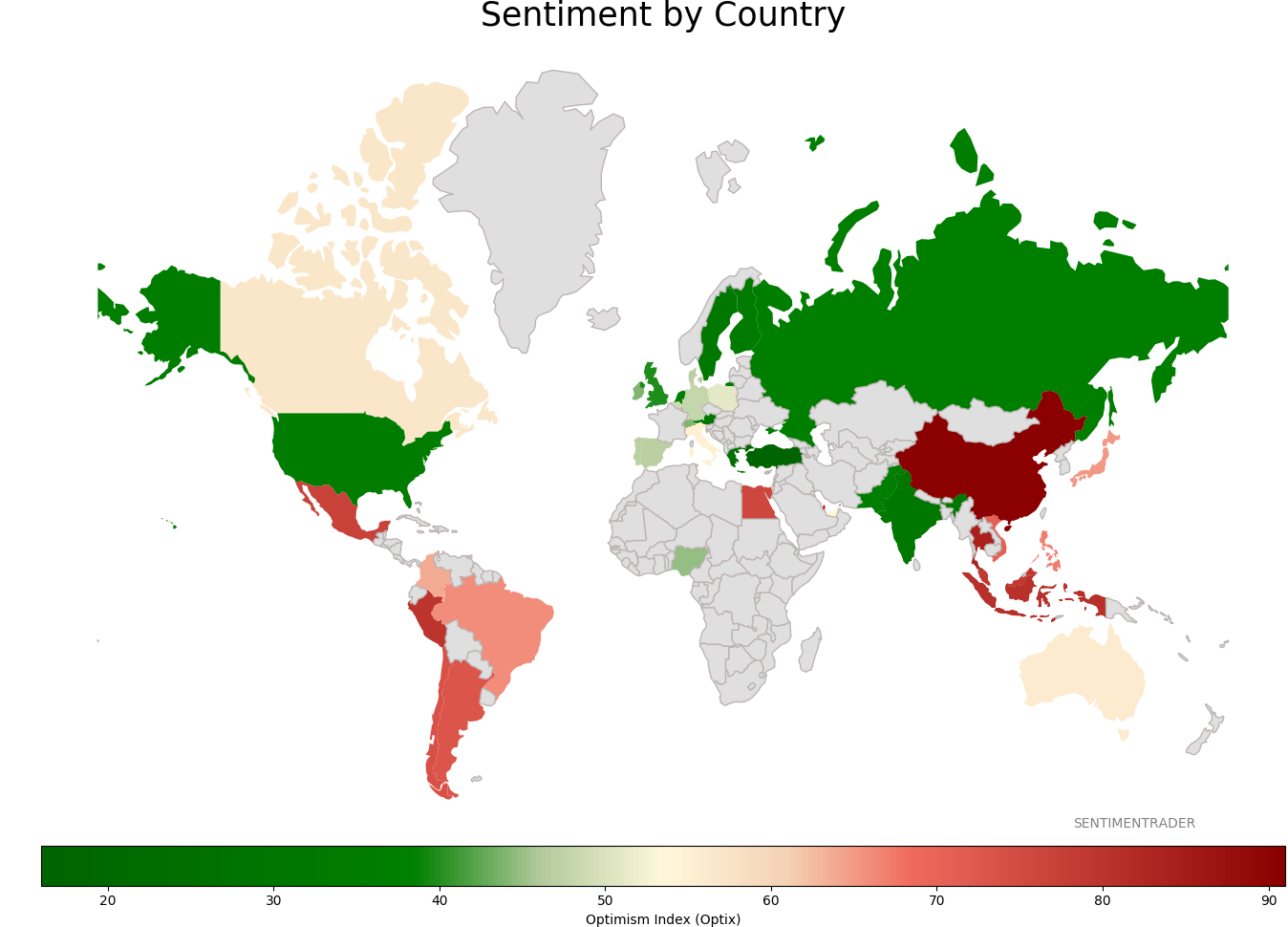
Sentiment Around The World
Optimism Index Thumbnails
|
Sector ETF's - 10-Day Moving Average
|
|
|
Country ETF's - 10-Day Moving Average
|
|
|
Bond ETF's - 10-Day Moving Average
|
|
|
Currency ETF's - 5-Day Moving Average
|
|
|
Commodity ETF's - 5-Day Moving Average
|
|