Headlines
|
|
Wall Street's lowest expectations in a decade:
As we start the new year, Wall Street strategists have low expectations for stocks. In aggregate, they barely expect any gains for the S&P 500, but the index has a history of thwarting their expectations. There has been a modest contrary nature to strategists' expectations and next-year returns.
|
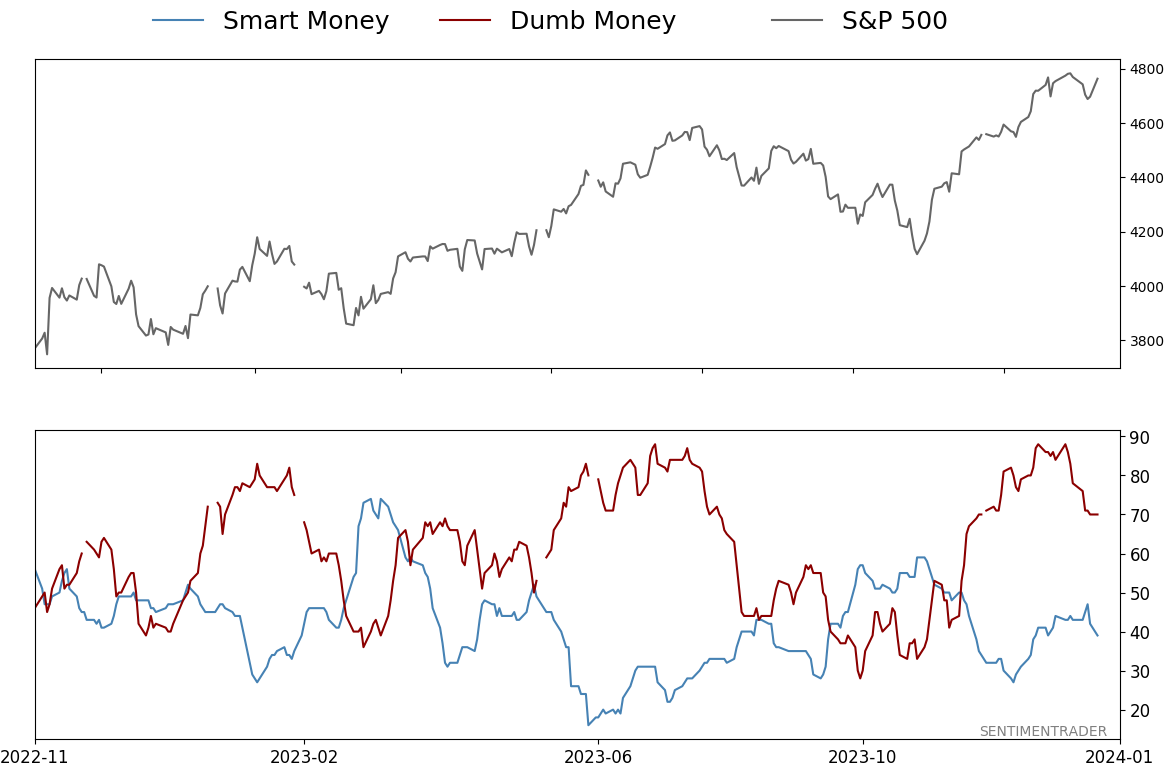
Smart / Dumb Money Confidence
|
Smart Money Confidence: 39%
Dumb Money Confidence: 70%
|
|
Risk Levels
Stocks Short-Term
|
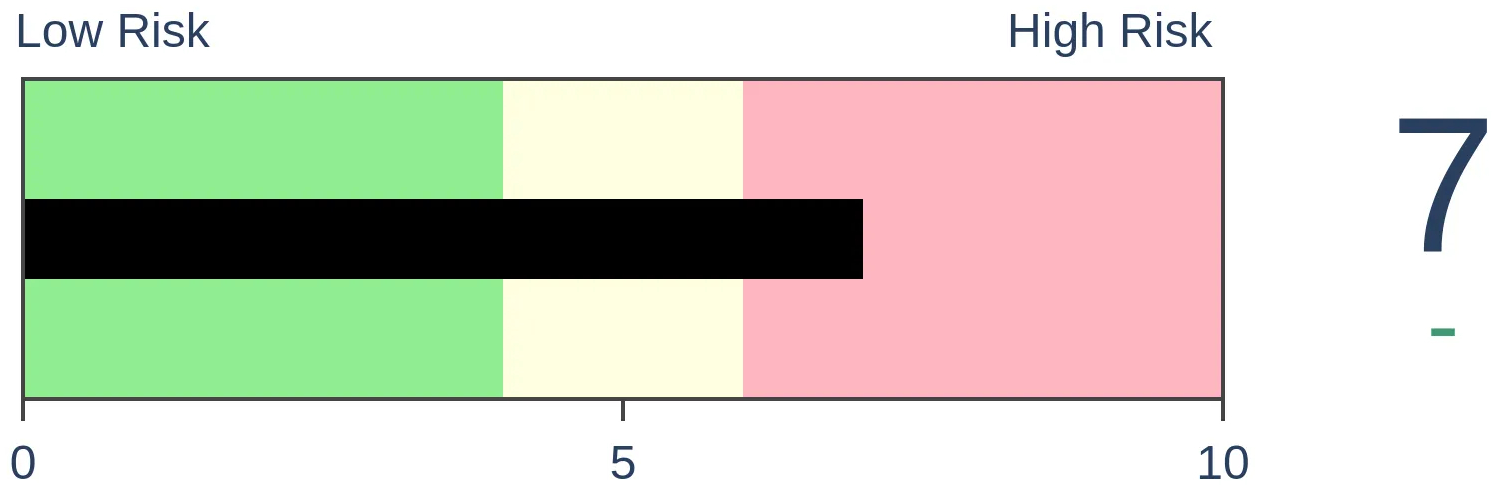
Stocks Medium-Term
|
|
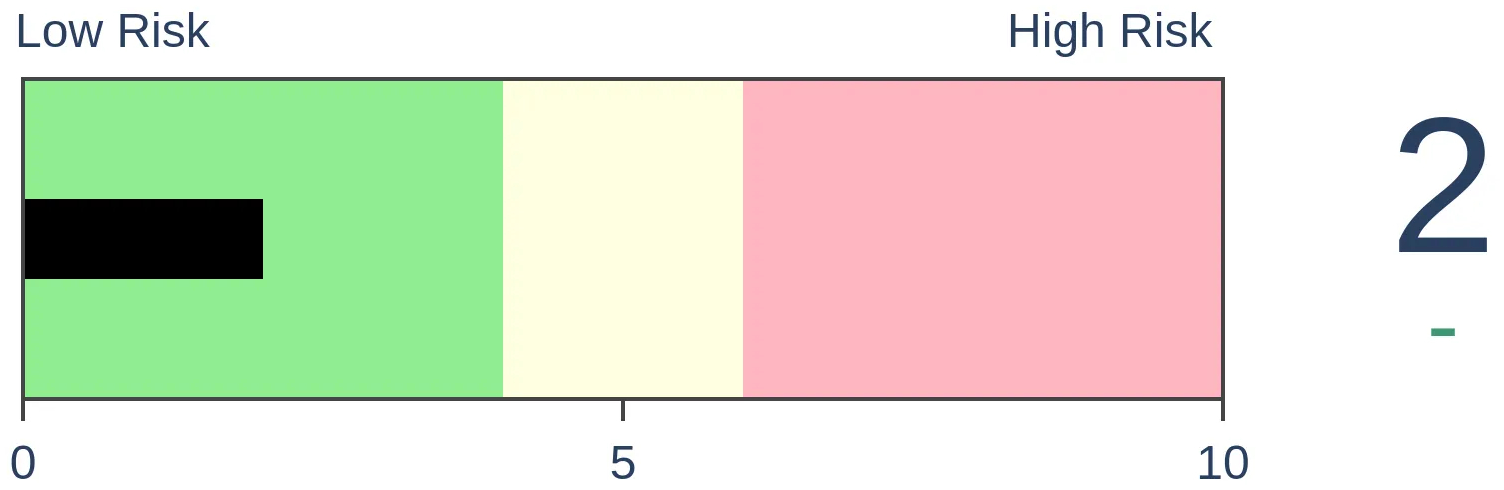
Bonds
|
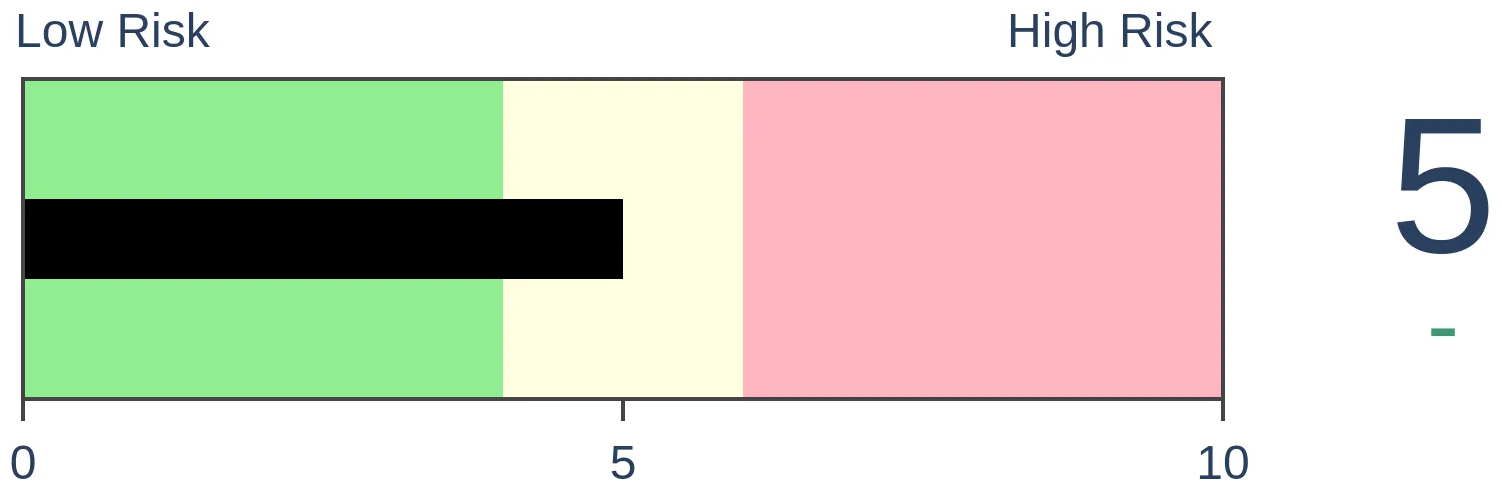
Crude Oil
|
|
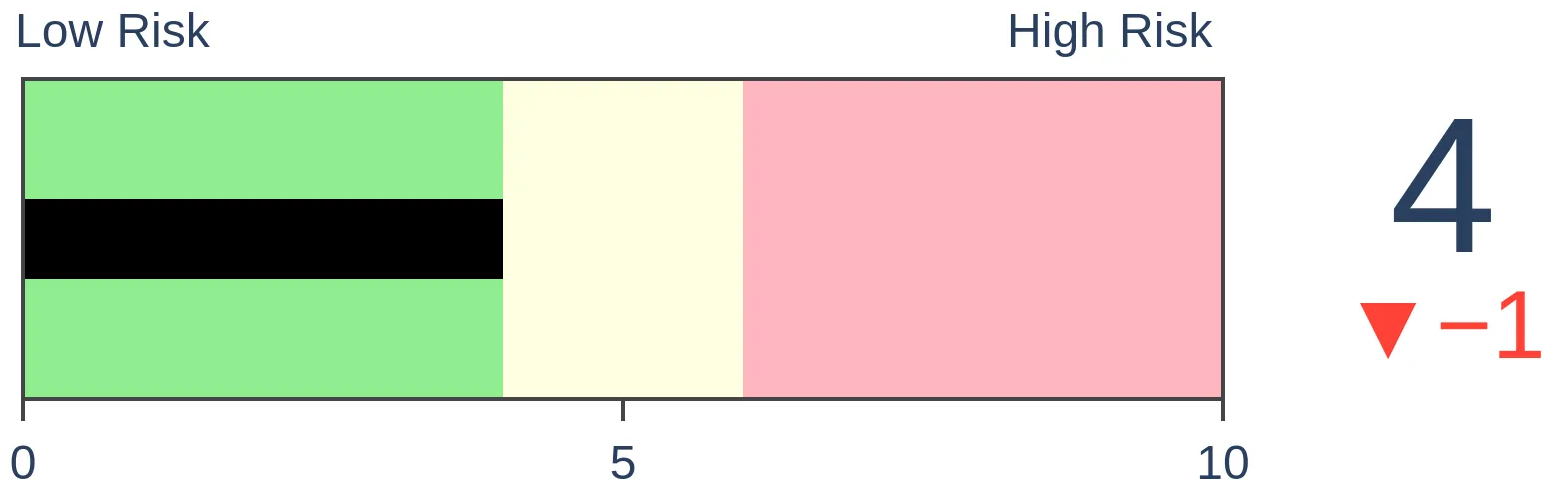
Gold
|
Agriculture
|
|
Research
By Jason Goepfert
BOTTOM LINE
As we start the new year, Wall Street strategists have low expectations for stocks. In aggregate, they barely expect any gains for the S&P 500, but the index has a history of thwarting their expectations. There has been a modest contrary nature to strategists' expectations and next-year returns.
FORECAST / TIMEFRAME
None
|
Key points:
- Wall Street strategists are expecting the S&P 500 to be basically unchanged in 2024
- There has been a modest contrary nature to strategists' aggregate expectations over the next year
- Over the past 25 years, low expectations for the coming year have preceded gains most times
Some of the savviest on Wall Street have low expectations
As we do most years, it's time to see how some of the savviest sell-side denizens of Wall Street are expecting stocks to perform for the following year.
As years progress, Bloomberg periodically surveys roughly 20 prominent strategists on Wall Street to get their estimates for how the S&P 500 will perform over the coming months. Depending on the survey frequency, the estimates can jump around, but Bloomberg has been relatively consistent in compiling the forecasts near year-end (for the next year) in mid-to-late December.
For 2024, they're not very optimistic. In fact, it's the least optimistic they've been in a decade. Based on the latest December survey and where the S&P 500 was trading, they're expecting barely any change in the index.
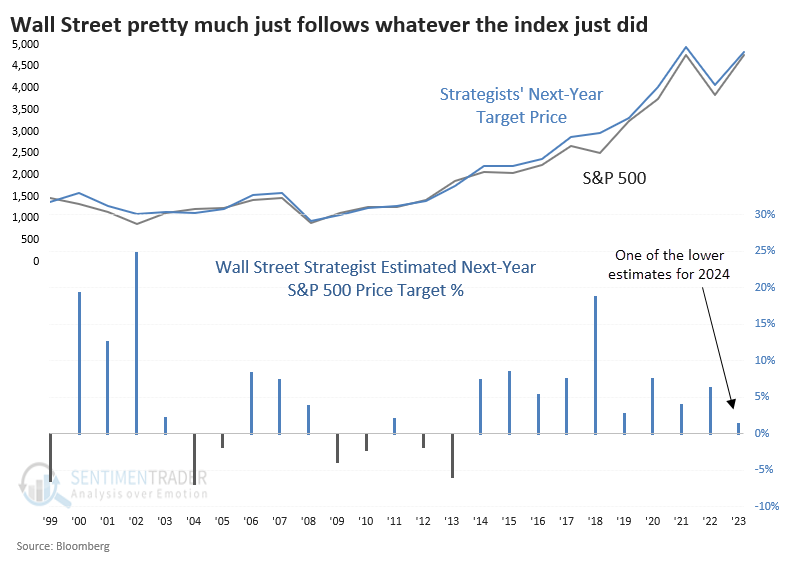
We've seen in past years that there has been little to no predictive value in aggregate strategists' estimates for the S&P over any time frame. They're like most other "smart money" surveys, which, on average, predict that the S&P will rise about 8% each year because that's what it's done in the past.
Strategists have been a moderate contrary indicator
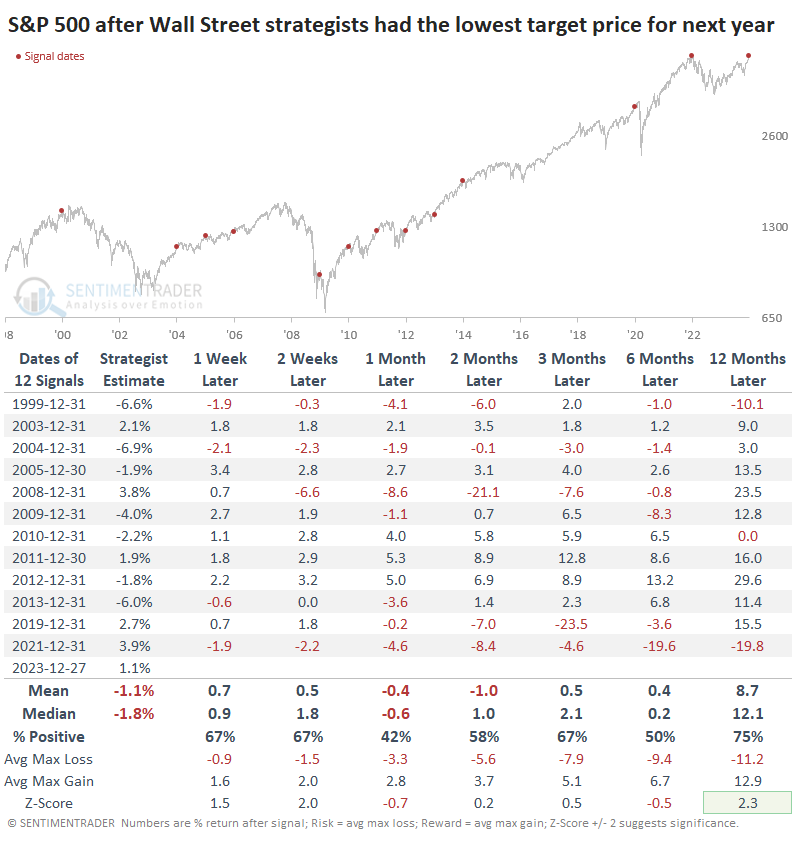
There is a lot of media and investor interest in how strategists think stocks will play out over the coming year. So, the table below shows how the index performed after the years in which strategists predicted the poorest performance for the coming year.
It's perhaps surprising that the S&P did perform quite poorly in January - it rallied only 42% of the time. But strategists weren't predicting January's return; they were guessing the full-year return. And in that case, they missed widely. The median estimate was for a return of -1.8%, yet the S&P's actual media return a year later was +12.1%, and it was positive 75% of the time.
Strategists' low expectations were vindicated in 2000, 2008 (for a while), 2020, and 2022, so it's not like there's a perfect record here of them being contrary indicators.
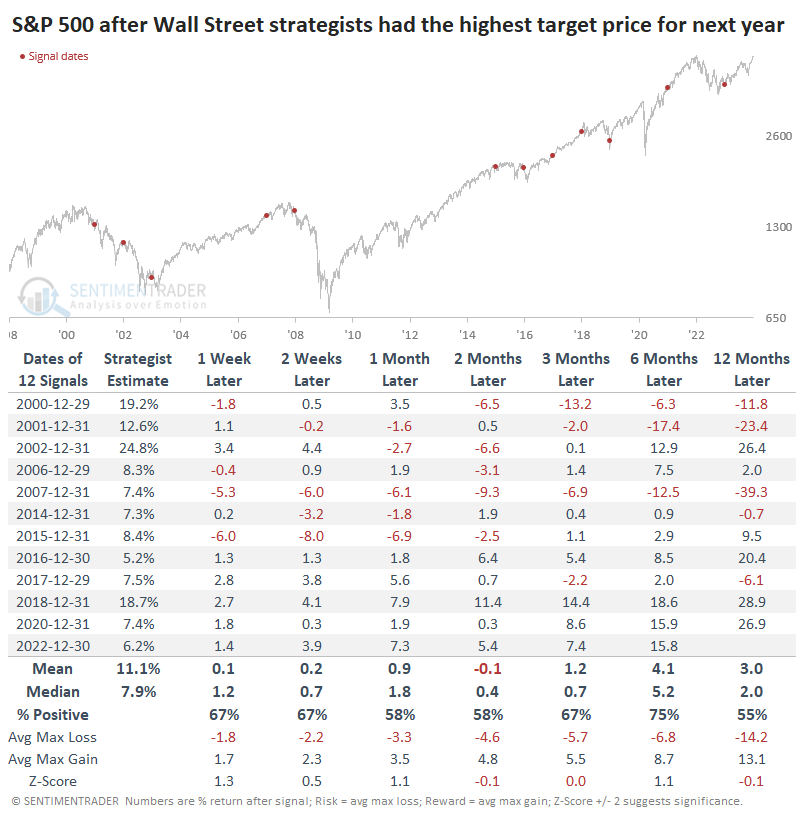
Now, let's check the opposite scenario, those years when strategists had the highest expectations for stocks. At the ends of these years, they expected the S&P to return +7.9%, but in actuality, it returned only +2.0%. Those are medians; the means show an even starker difference.
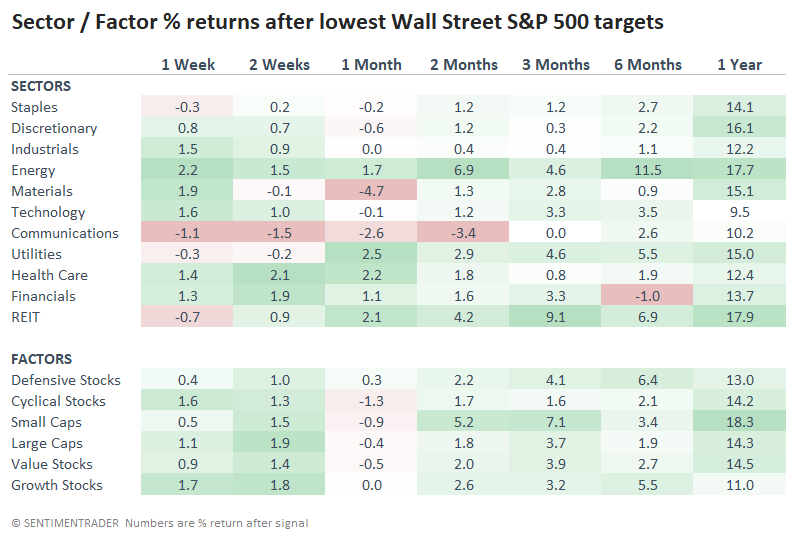
I am not confident that strategists' low expectations for the S&P will mean much for individual sectors or factors. Still, the table below shows those median returns after the years with the lowest expected return in the S&P (from the first table above). Energy stocks performed the best, with Defensive and Small Cap factors also showing relatively strong returns, but it wasn't a significant edge.
What the research tells us...
Strategists employed by large Wall Street firms are uniformly well-educated, experienced, and unbelievably well-connected. The problem is precisely that one word, "uniformly." Like any population, the less dispersed the experiences, the less dispersed the forecasts. They tend to travel in herds, with few outliers on either end each year.
That tendency toward smart money groupthink is evident in virtually all surveys, and this one is no different. There is modest evidence that when strategists have low expectations for stocks over the next year, then stocks are more likely to thwart those expectations, which is a good sign for 2024. However, there is pretty wide variability in the results, so it's not a strong edge and was ineffective over shorter time frames.
Indicators at Extremes
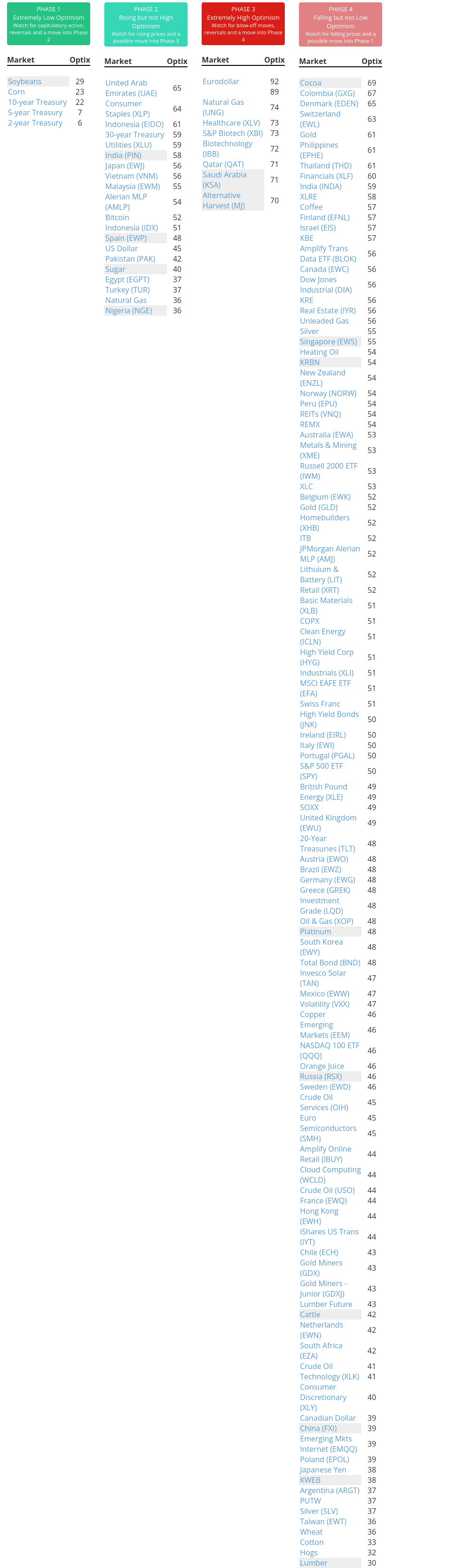
Phase Table
Ranks
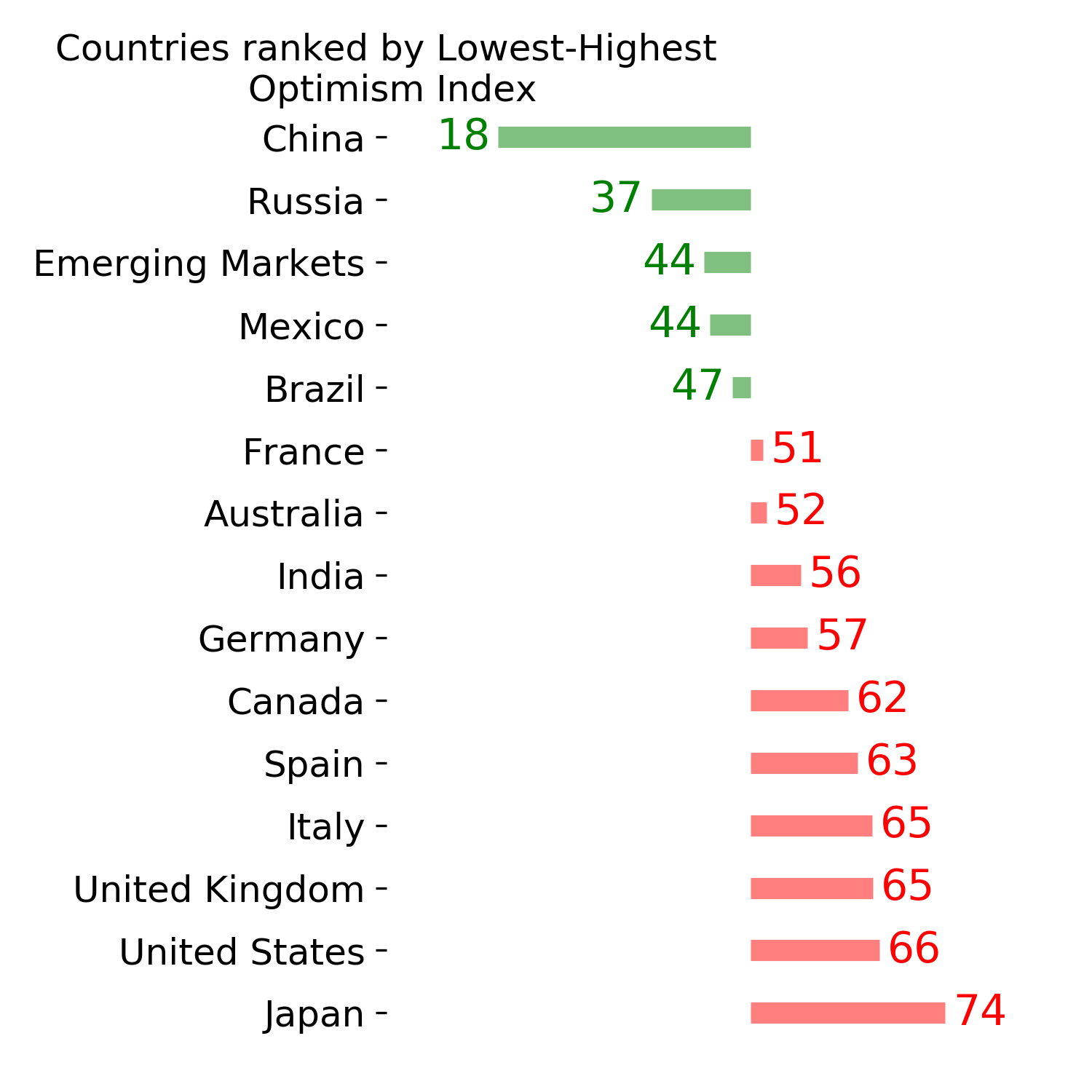
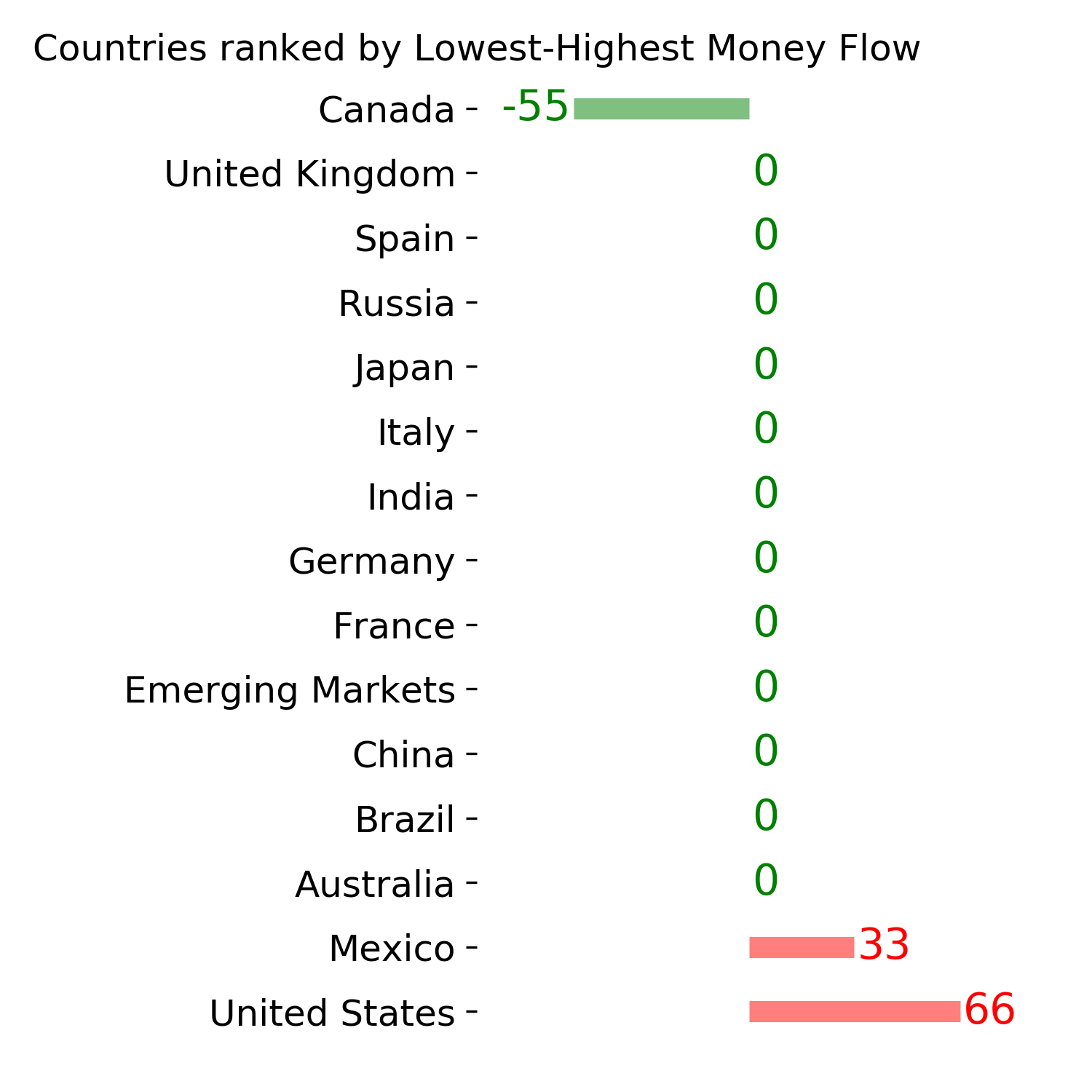
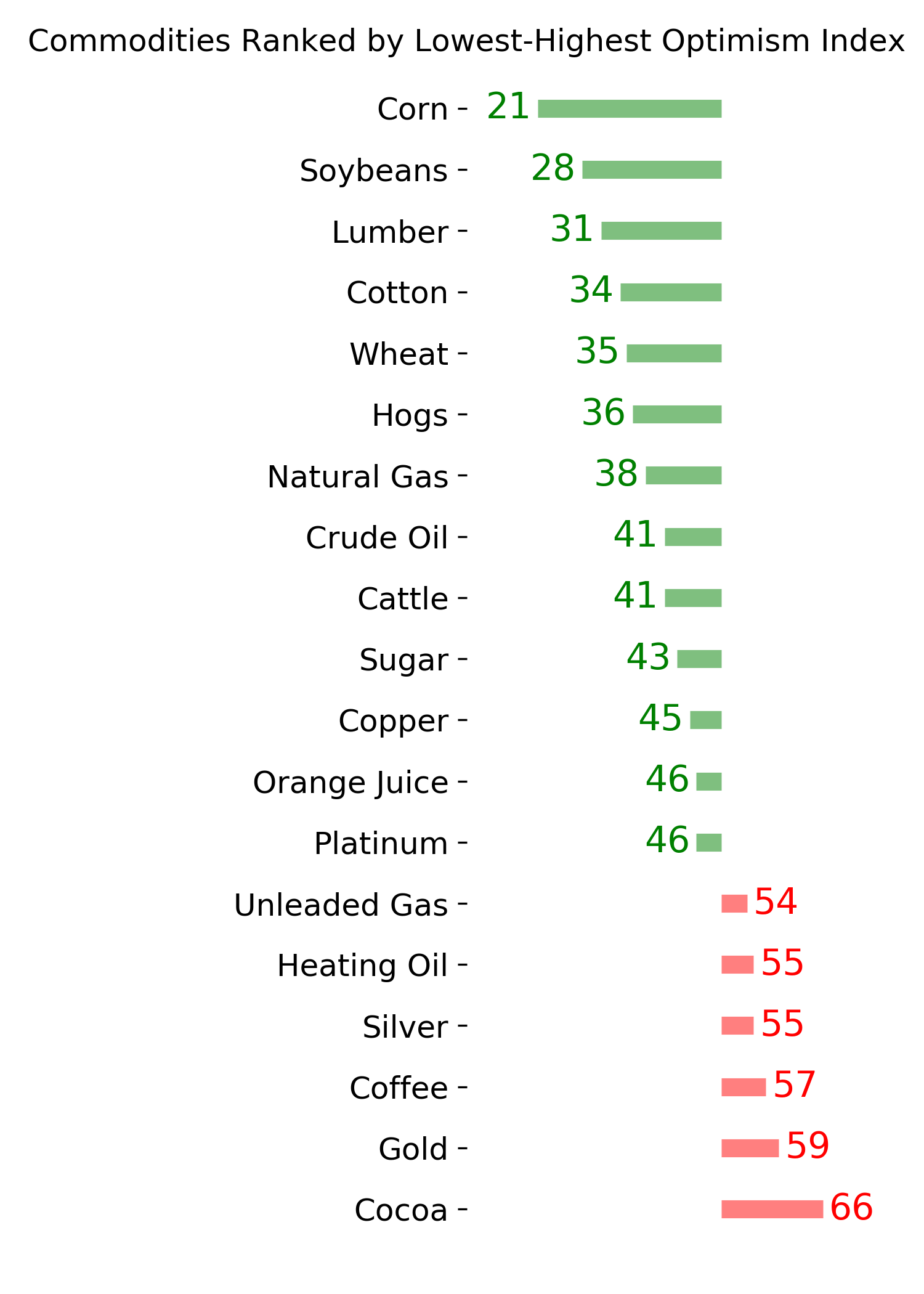
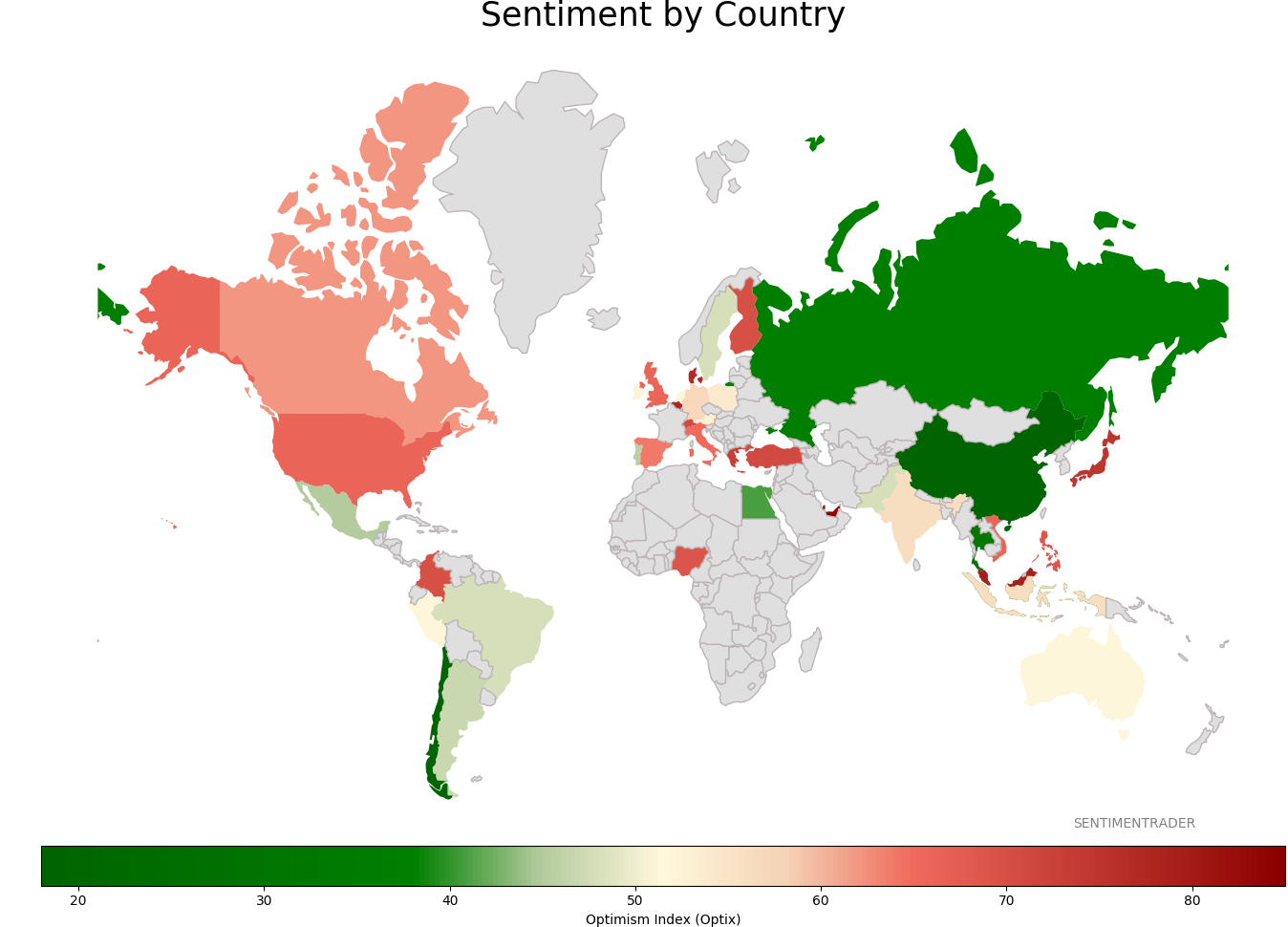
Sentiment Around The World
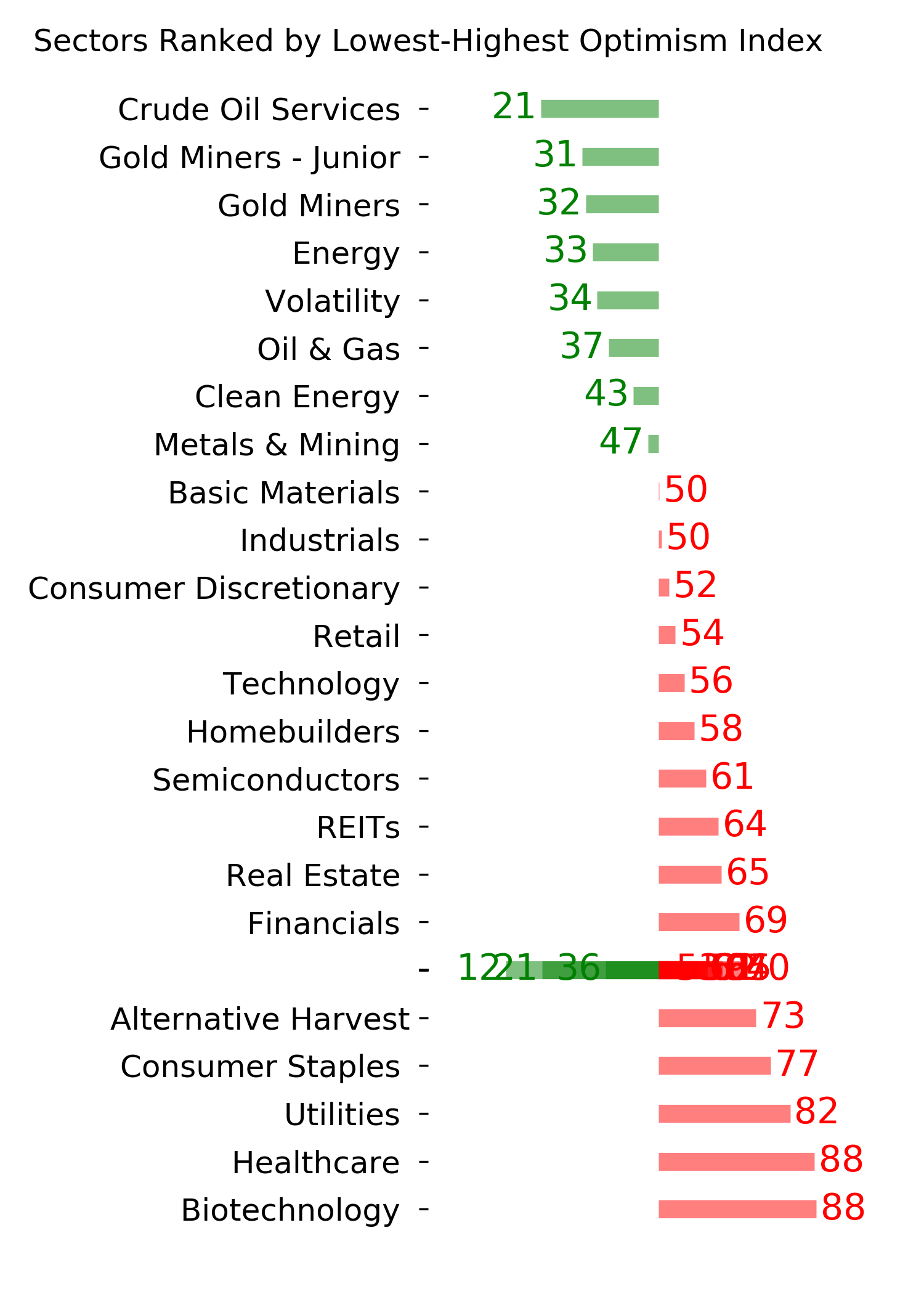
Optimism Index Thumbnails
|
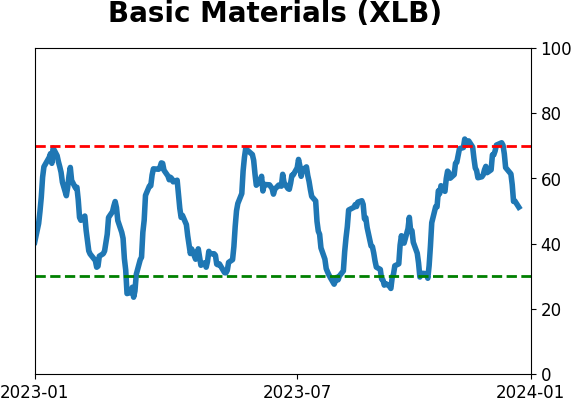
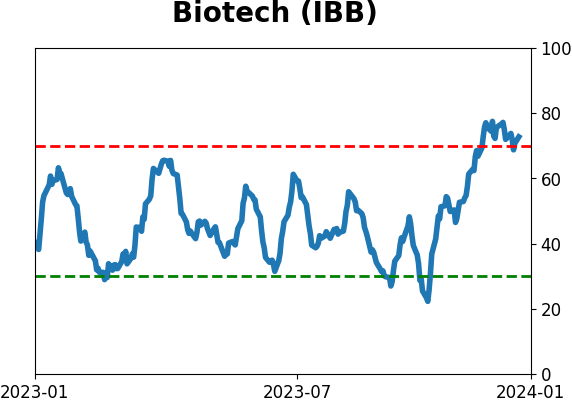
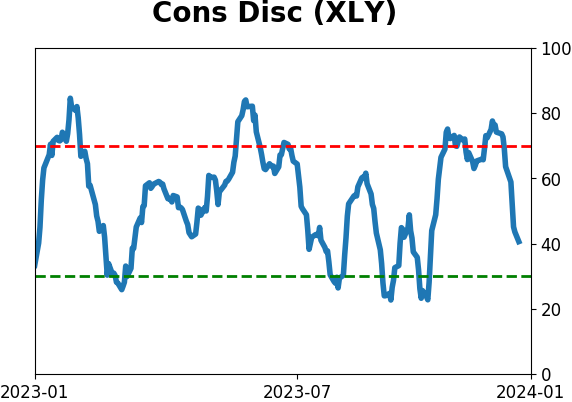
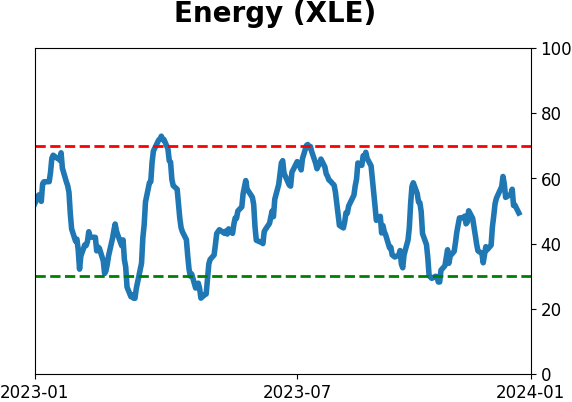
Sector ETF's - 10-Day Moving Average
|
|
|
Country ETF's - 10-Day Moving Average
|
|
|
Bond ETF's - 10-Day Moving Average
|
|
|
Currency ETF's - 5-Day Moving Average
|
|
|
Commodity ETF's - 5-Day Moving Average
|
|