
Crosscurrents in energies updated

Key Points
- The energy sector has been the top-performing sector in the last year by a country mile
- The question on everyone's lips is, "can it continue?"
- The good news is that "Yes, it can."
- The bad news is that there are a few reasons to expect a cooling period
- We report, you decide
- This article is a follow up to this piece
The Good News - Part 1: XLE Optix
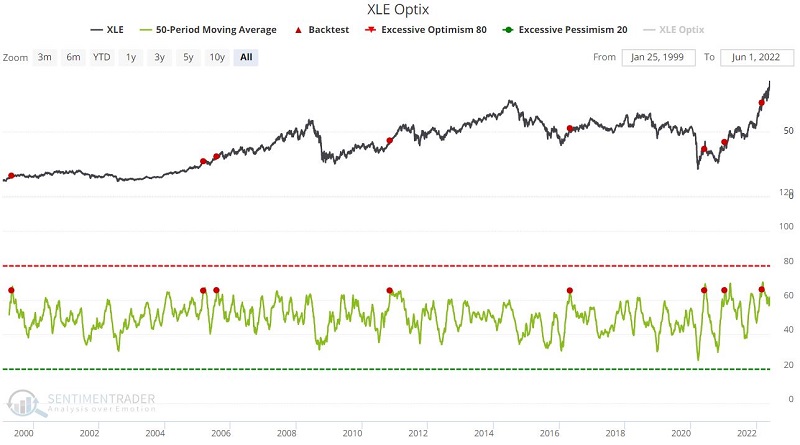
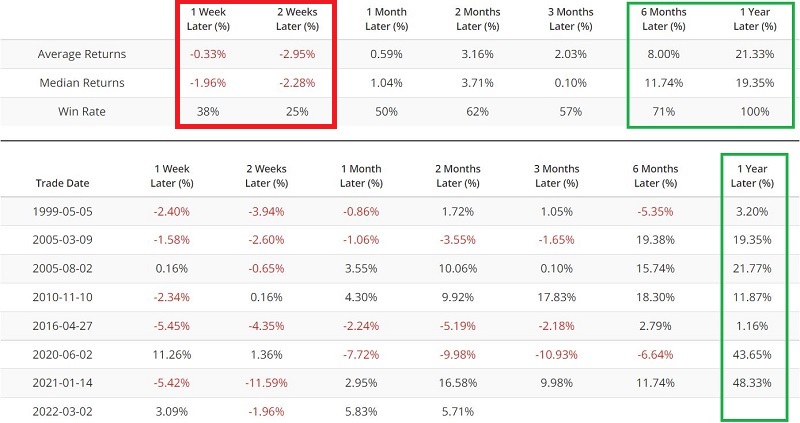
Traditionally low Optix readings indicate too much bearishness and are typically considered favorable, and vice versa. There are some quirky exceptions. Energy is an often "unloved" sector for various reasons, and as such, one can see unfavorable sentiment readings for extended periods. One of the better times to pay attention to energy sentiment is when it begins to pick up.
The chart below displays all days when the 50-day average for XLE (Energy Select Sector SPDR Fund) Optix crosses above 65.5 for the first time in three months. The table below displays a summary of the results.
The Good News - Part 2: XLE Component Correlation
Component correlation measures the degree to which the stocks that comprise an index trend together. High readings are considered favorable. The chart below displays all days when the XLE Component Correlation was above 0.85. The table below displays a summary of the results.
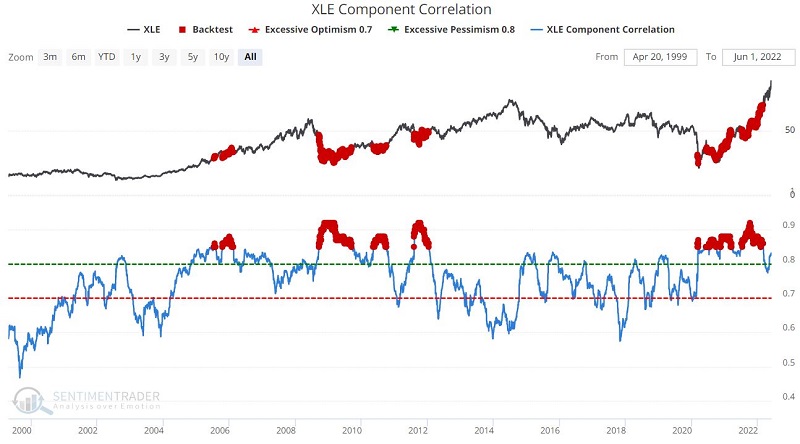

So far, so good. The future continues to look bright for energy, right? For the sake of argument, let's consider two reasons for pause.
The Bad News - Part 1: Corporate Insider Sells - XLE
The chart below displays those times when our Corporate Insider Sells - XLE indicator was above 89. The table below displays a summary of the results.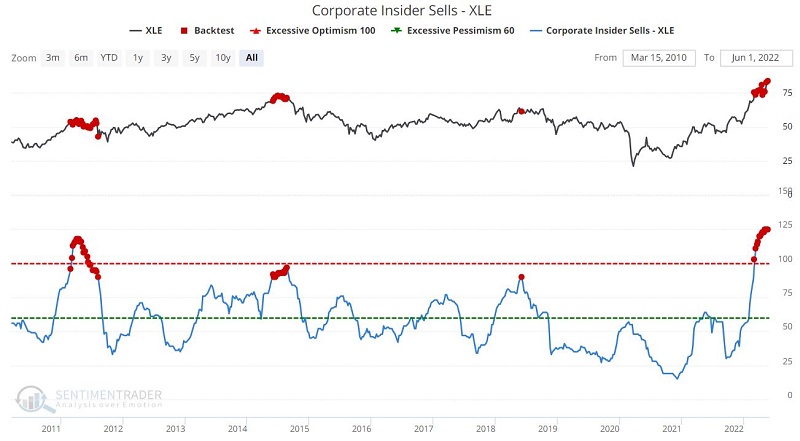

These results are essentially diametrically opposed to those above. Something has to give.
The Bad News - Part 2: XLE Seasonality
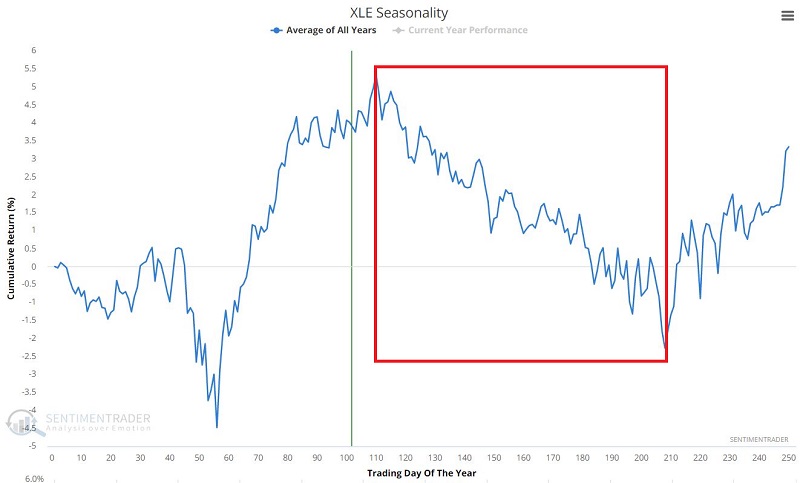
The chart below displays the annual seasonal for ticker XLE. We are fast approaching the unfavorable part of the year - extending from Trading Day of Year #110 through Trading Day of Year #208.
The chart below displays the growth of $1 invested I XLE only from TDY #110 through TDY #208 every year since 1999.
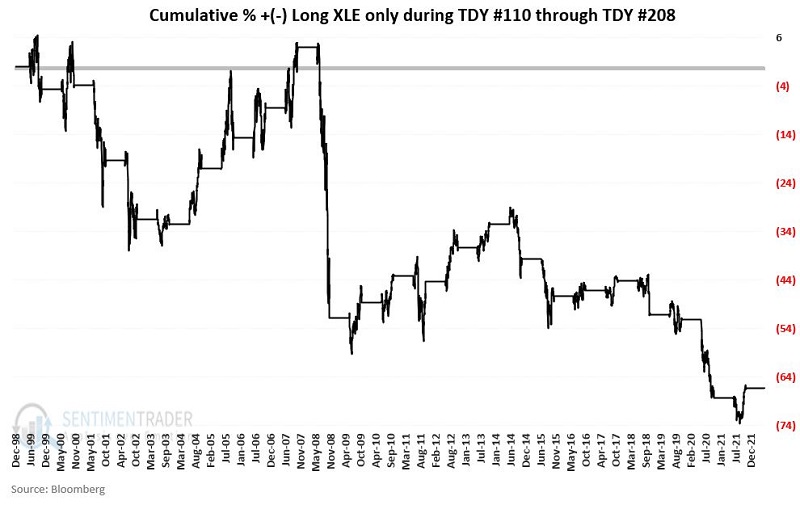
Results are somewhat skewed by the -53% and -34% declines suffered in 2008 and 2020. Overall results are essentially year inconsistent and uninspiring at best.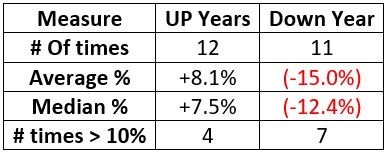
What the research tells us…
Based on the first two items above, traders looking to "join the party" in energy may do so but should have a clear-cut trading plan for taking profits and cutting losses. Based on the last two items, investors with significant gains in energy stocks might start making plans to lock in some of those gains if the sector runs out of steam.